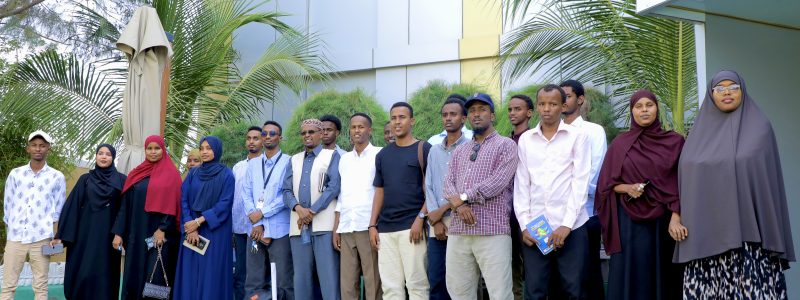
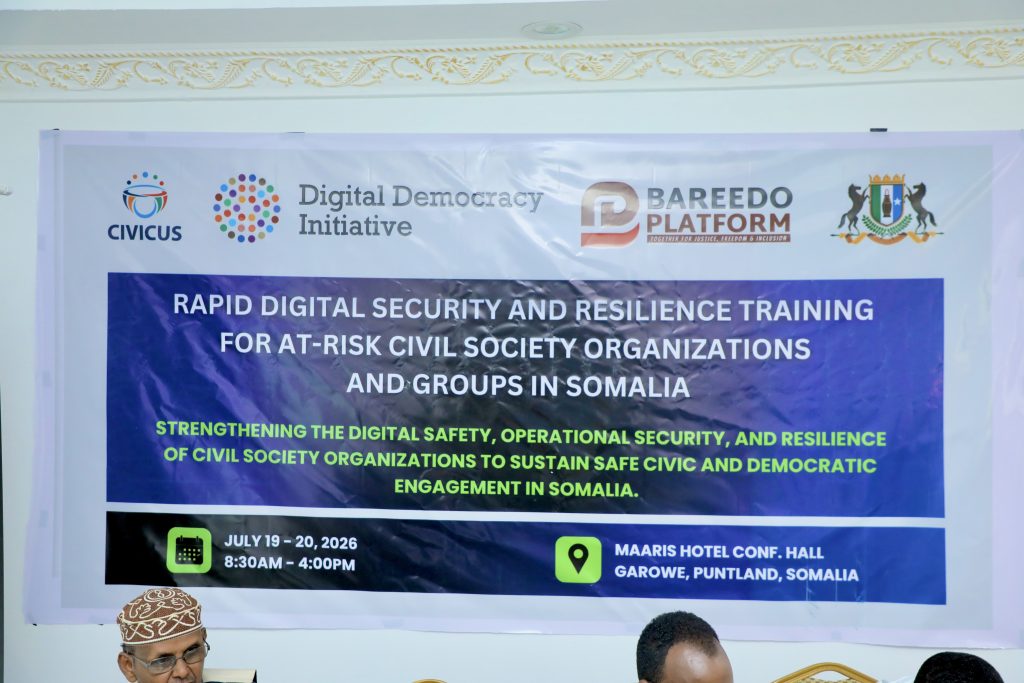
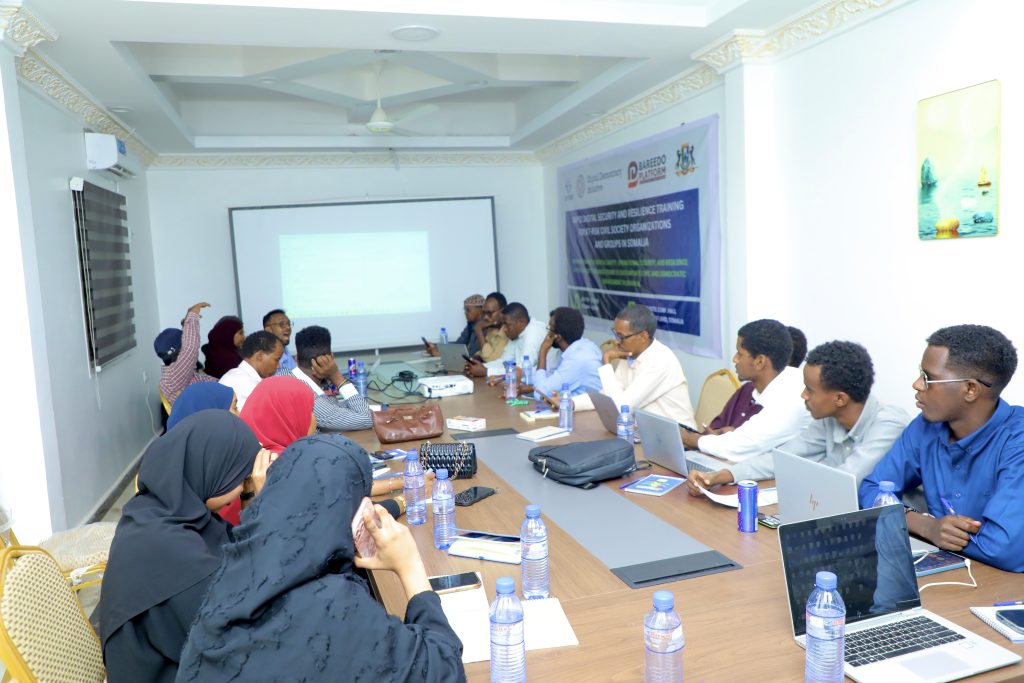
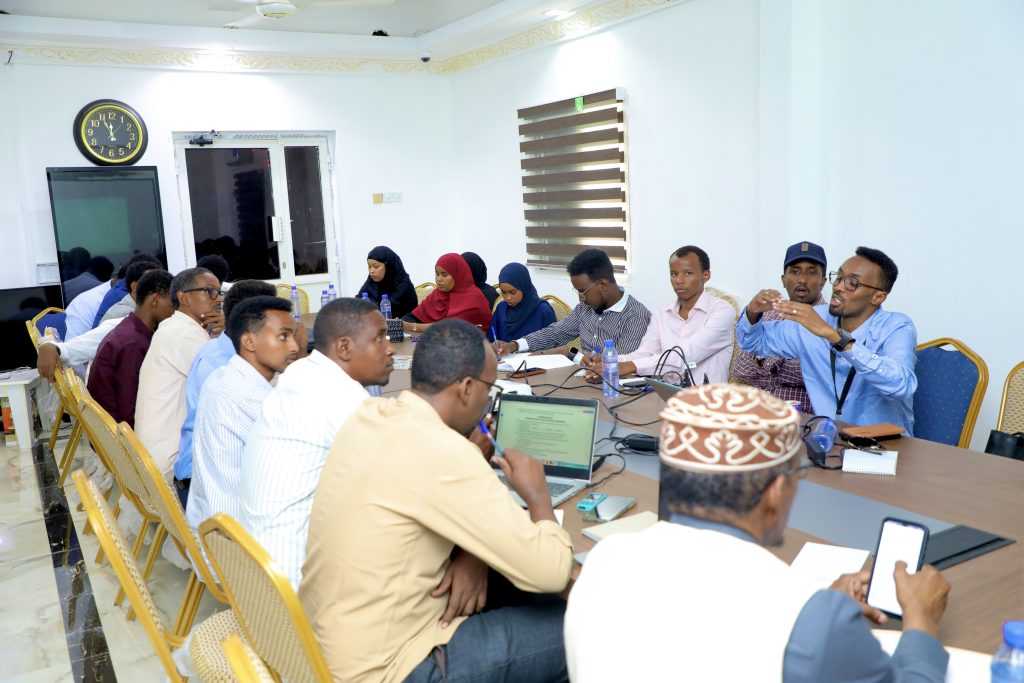
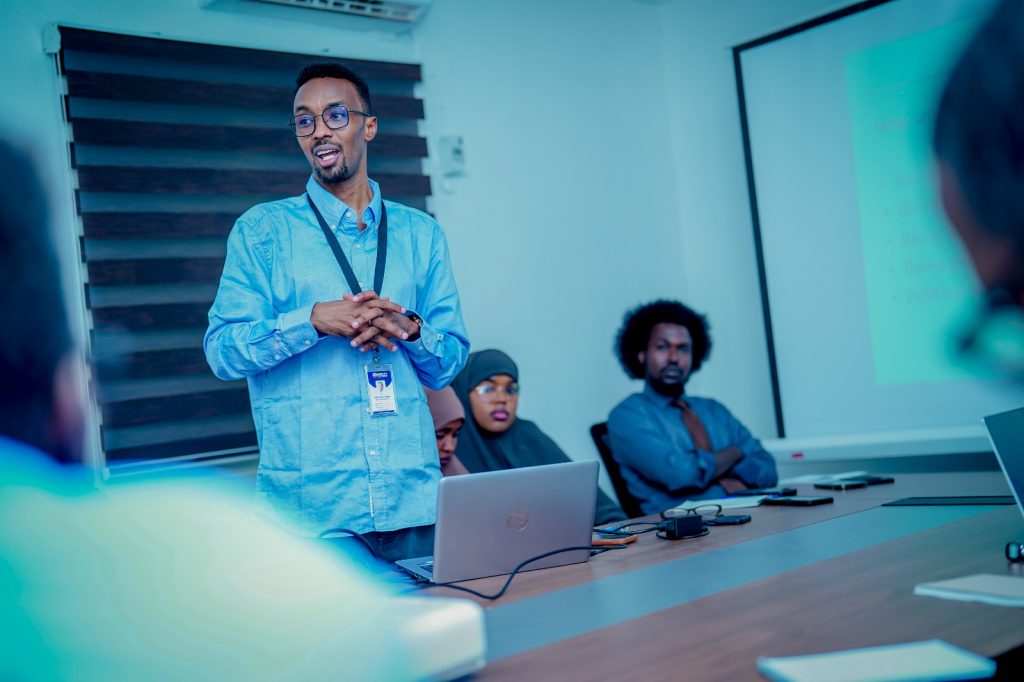
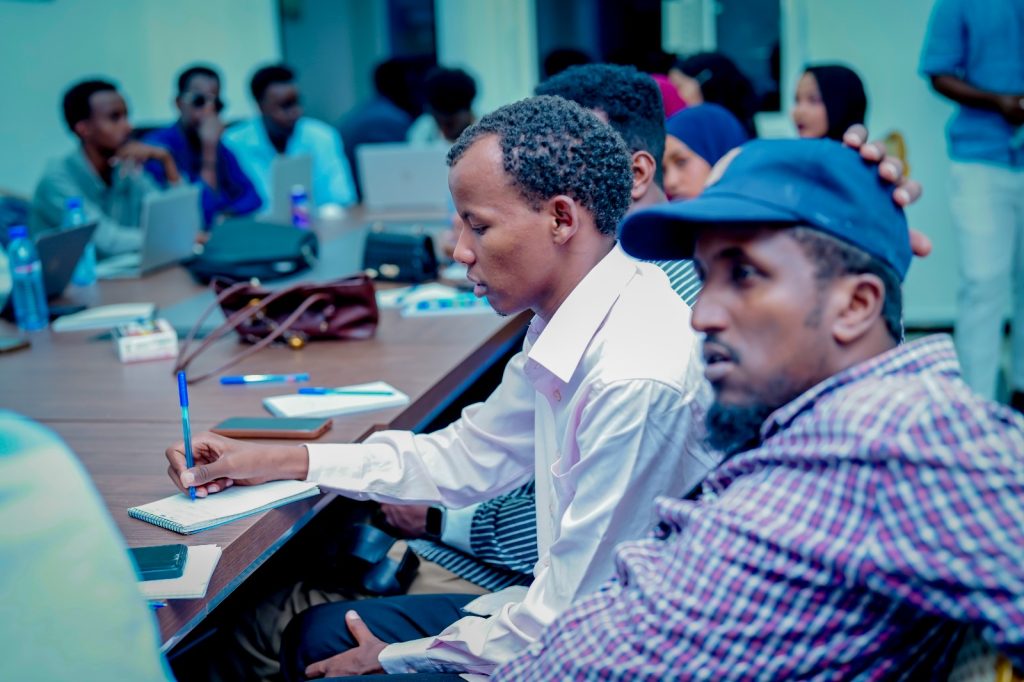
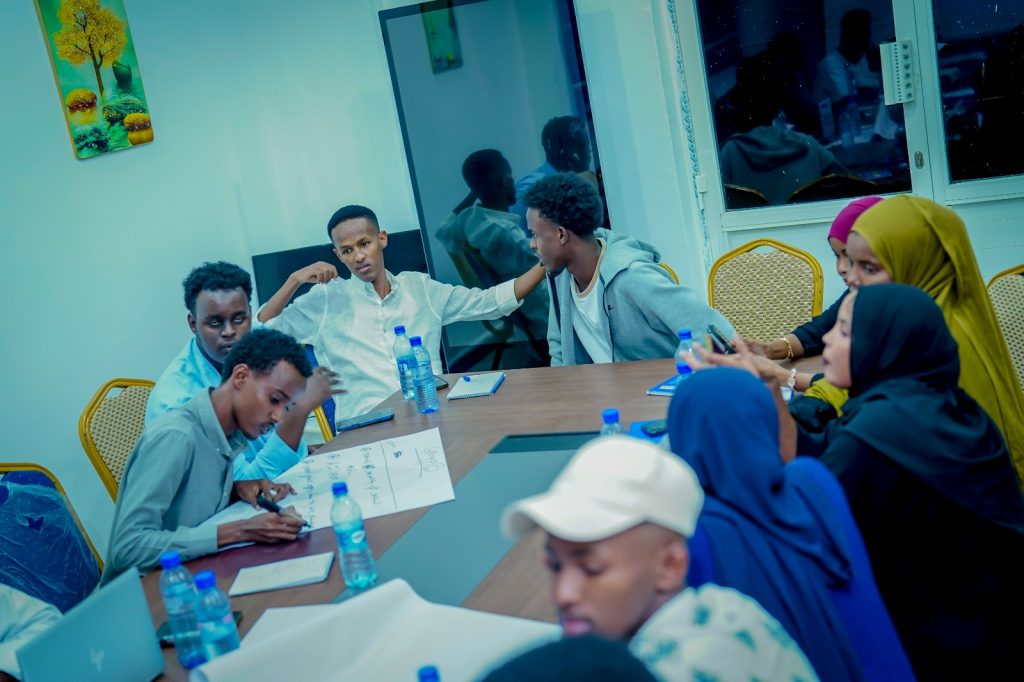
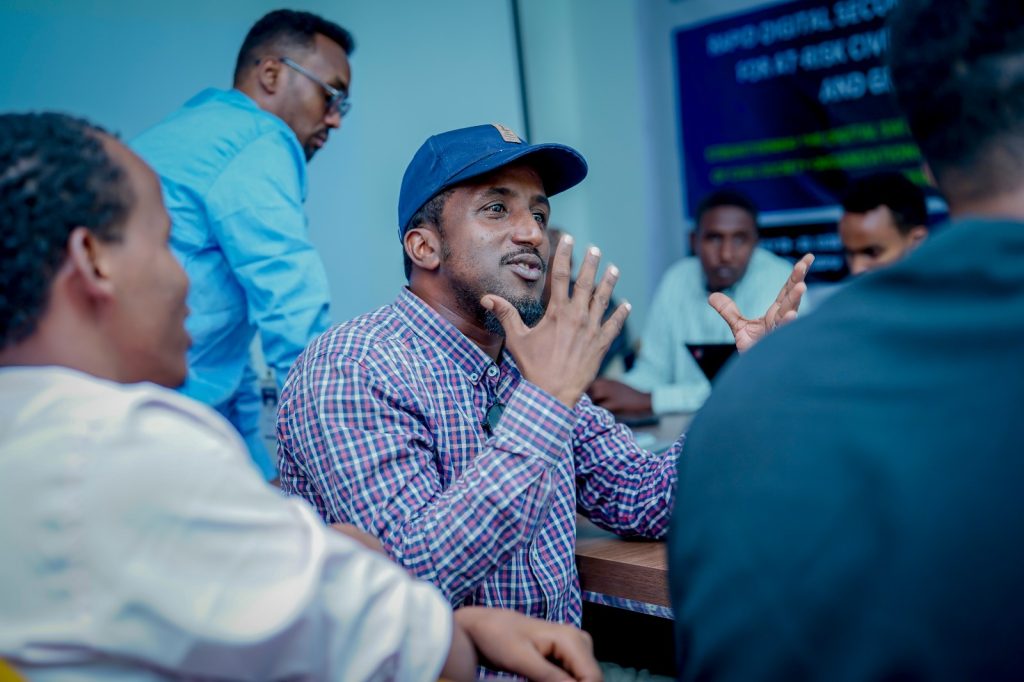
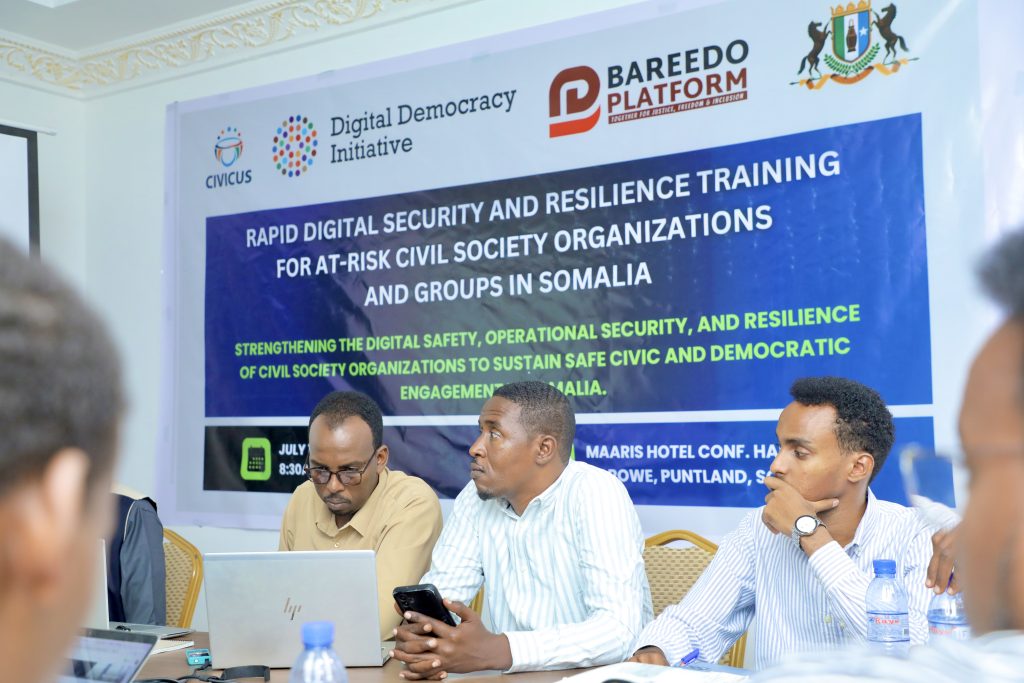
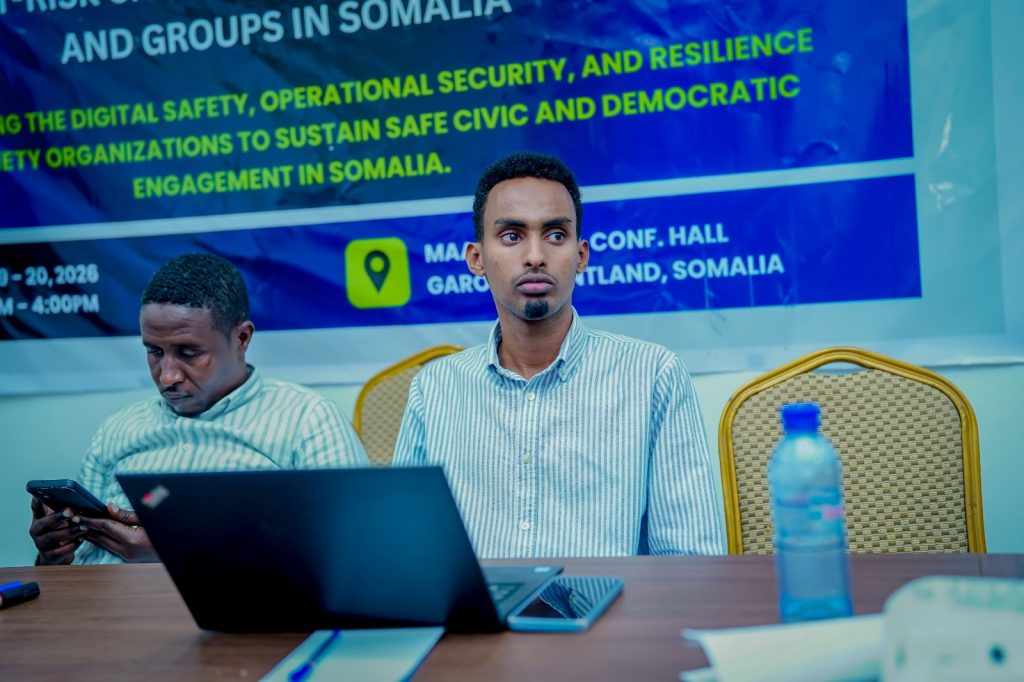
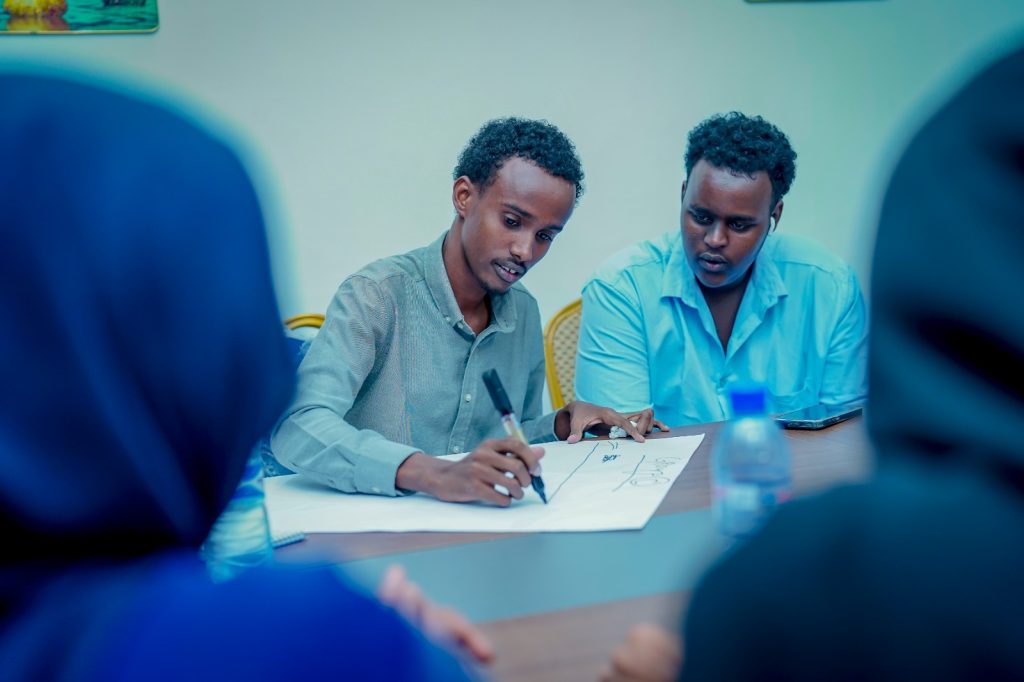
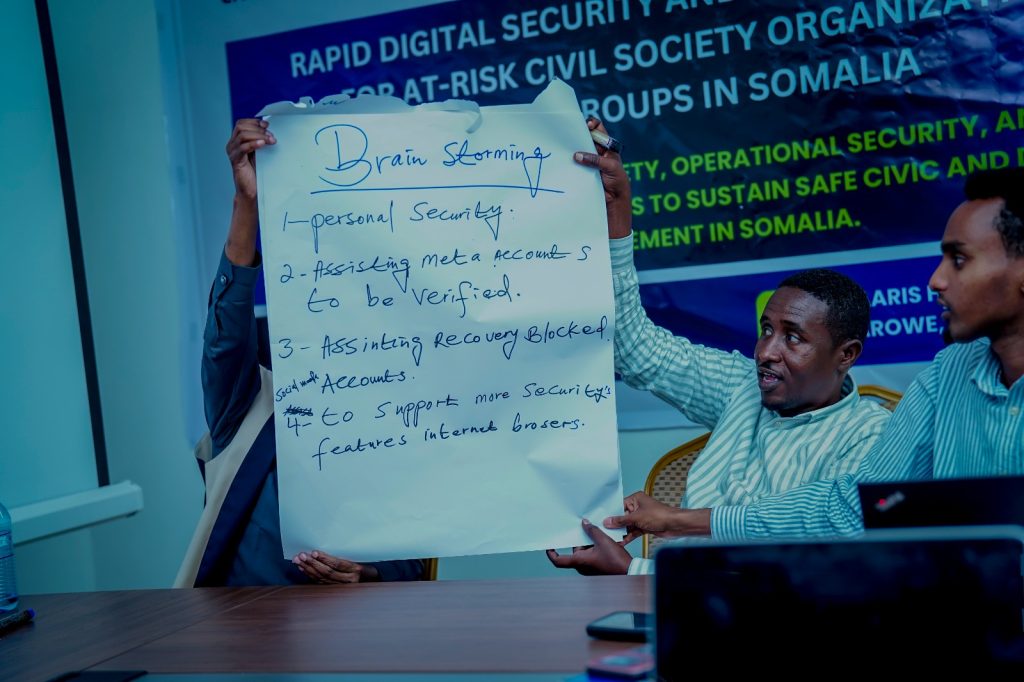
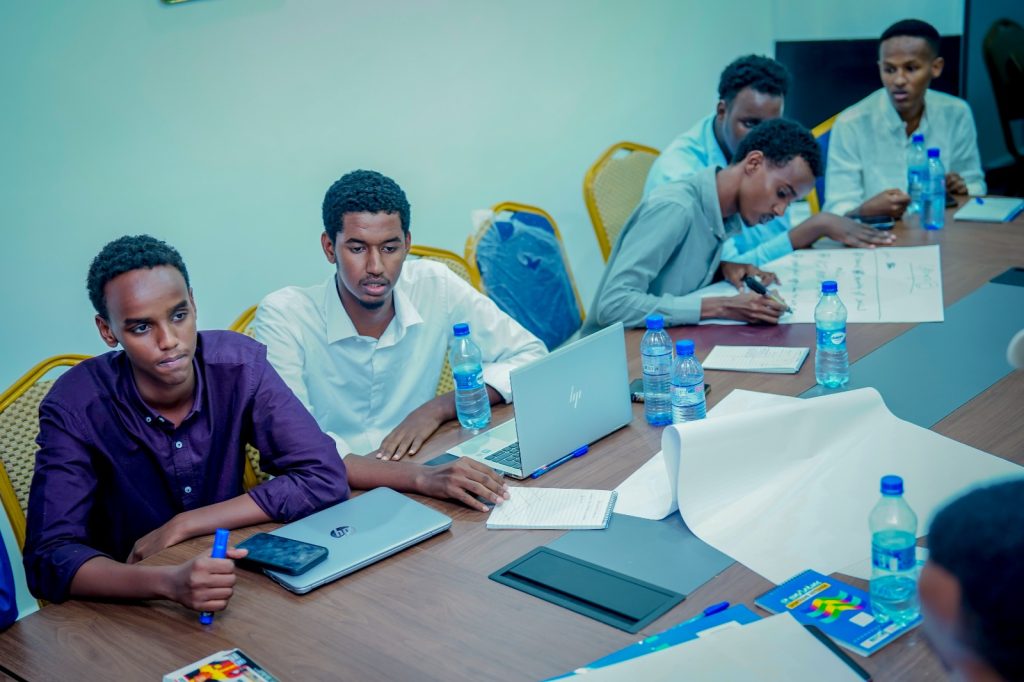
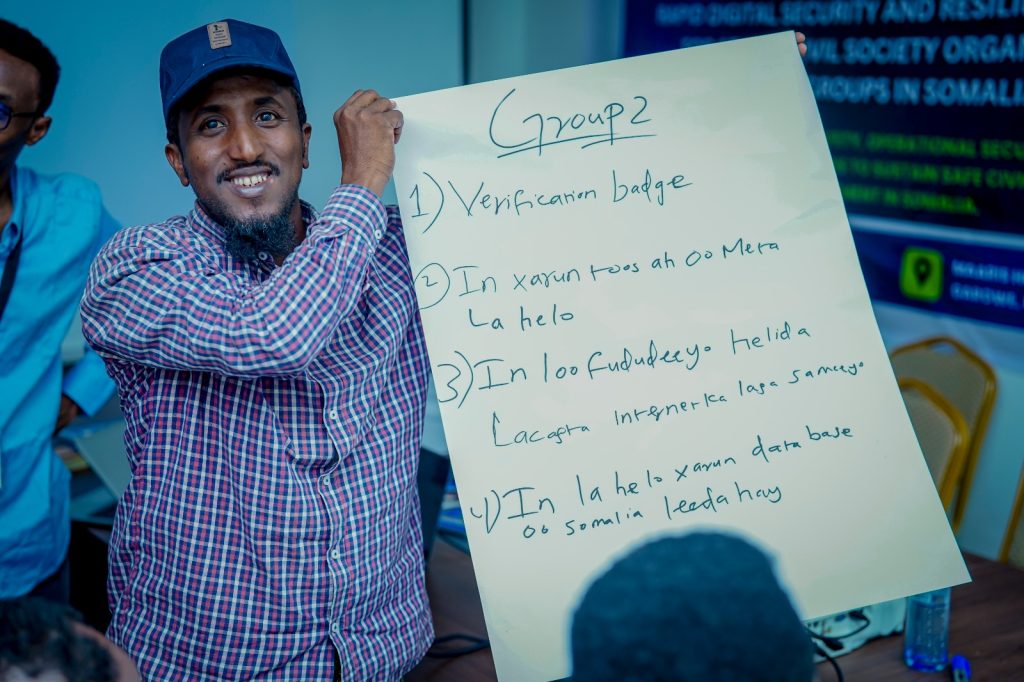
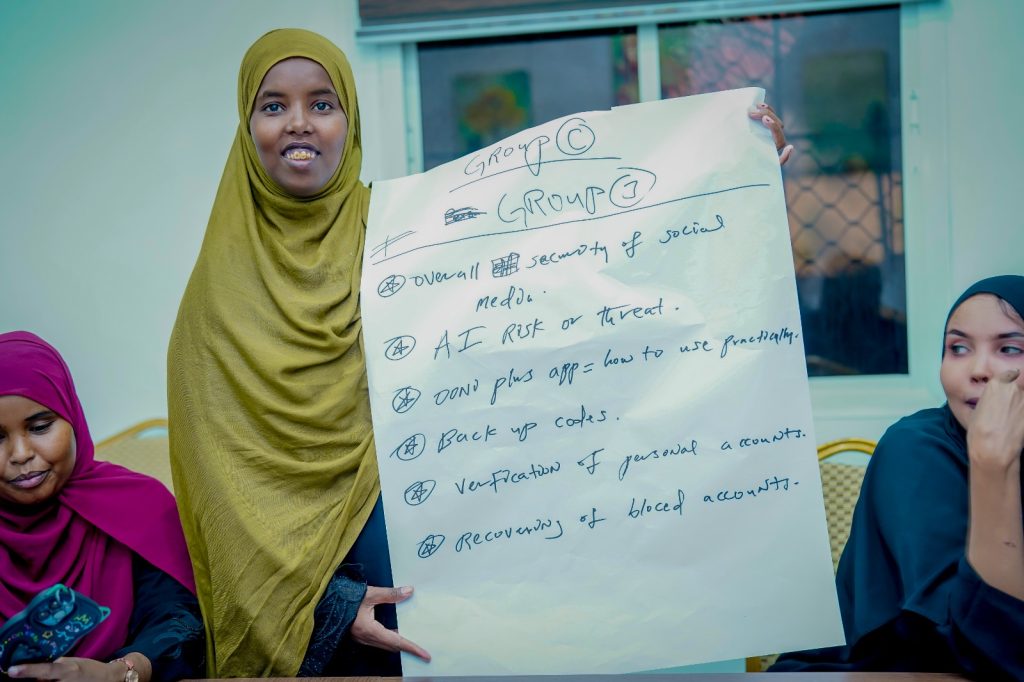
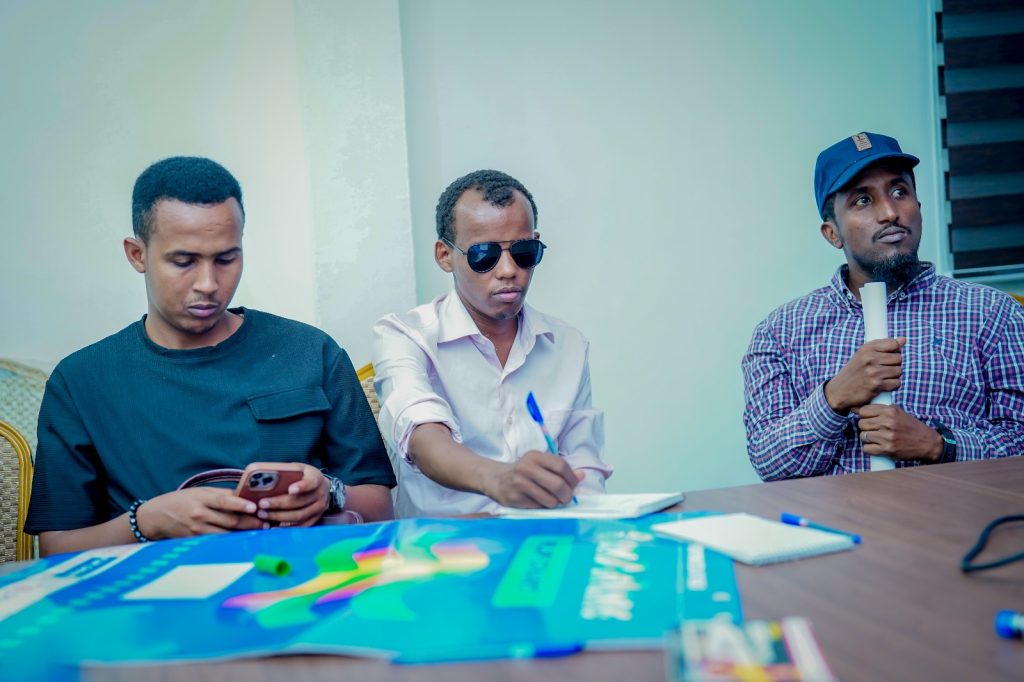
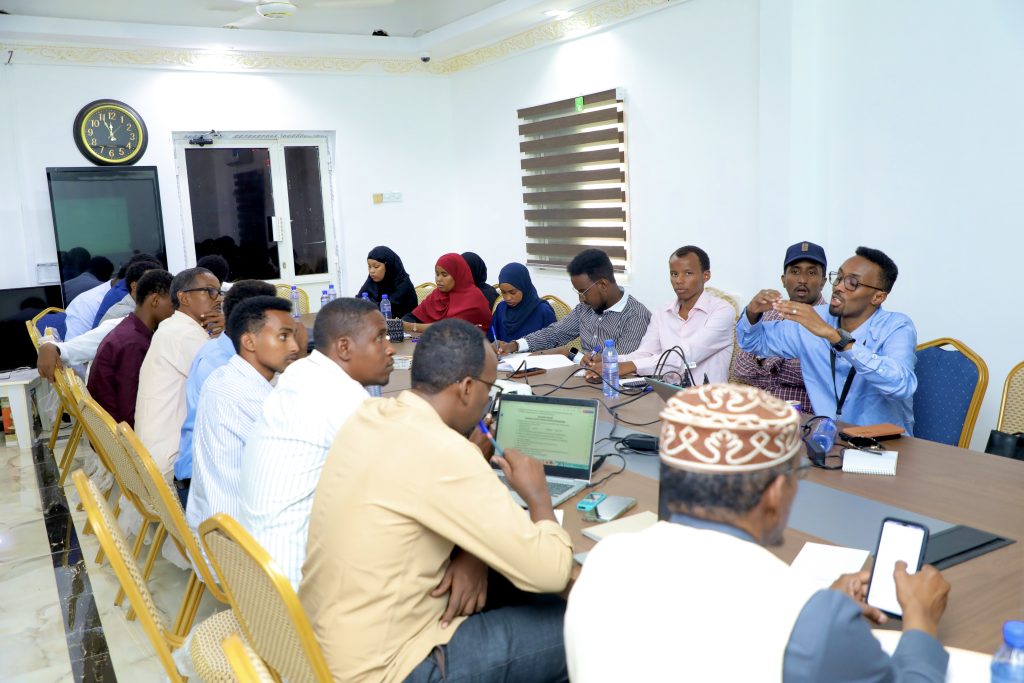
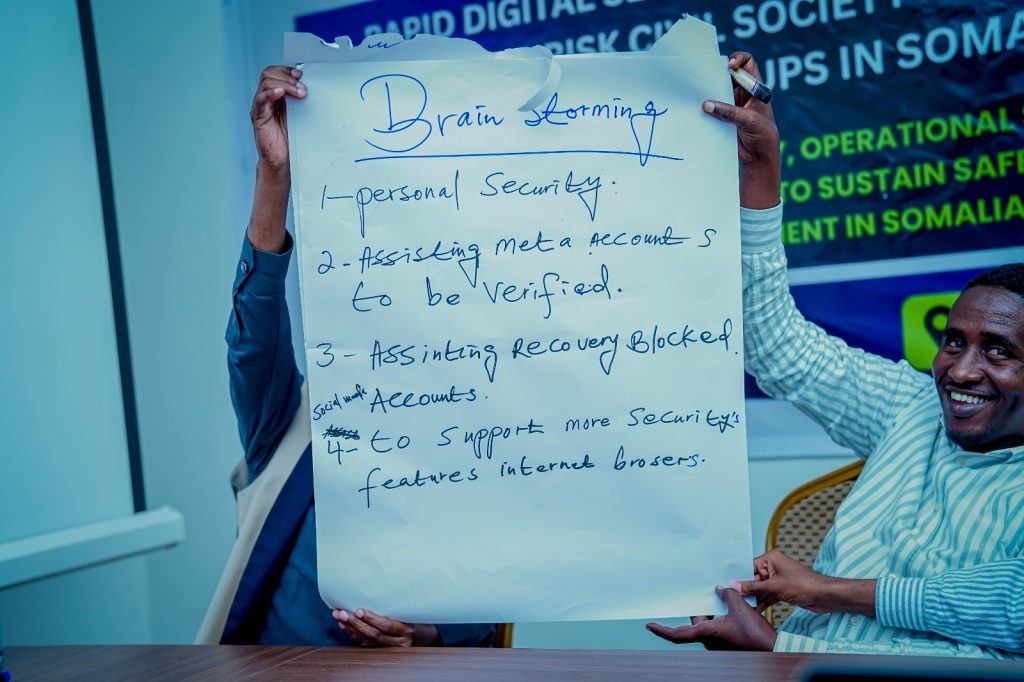
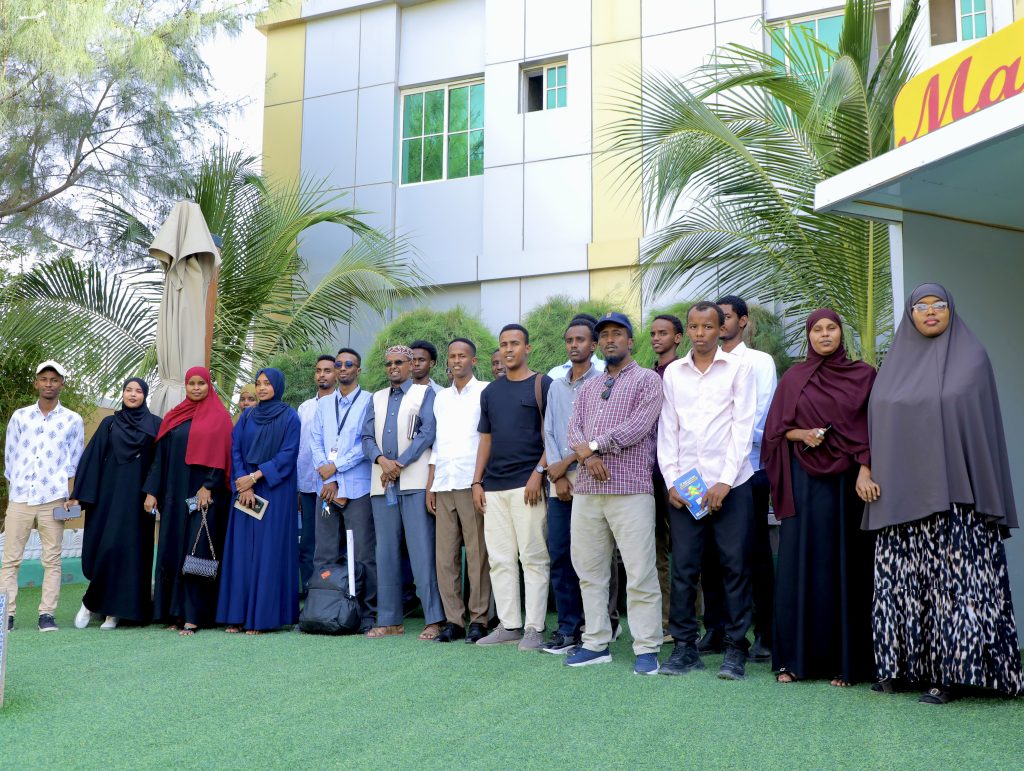
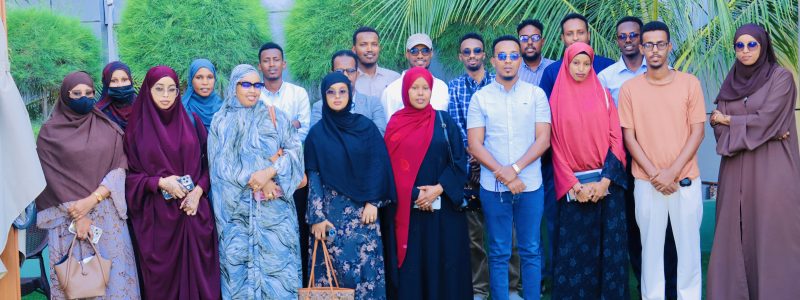
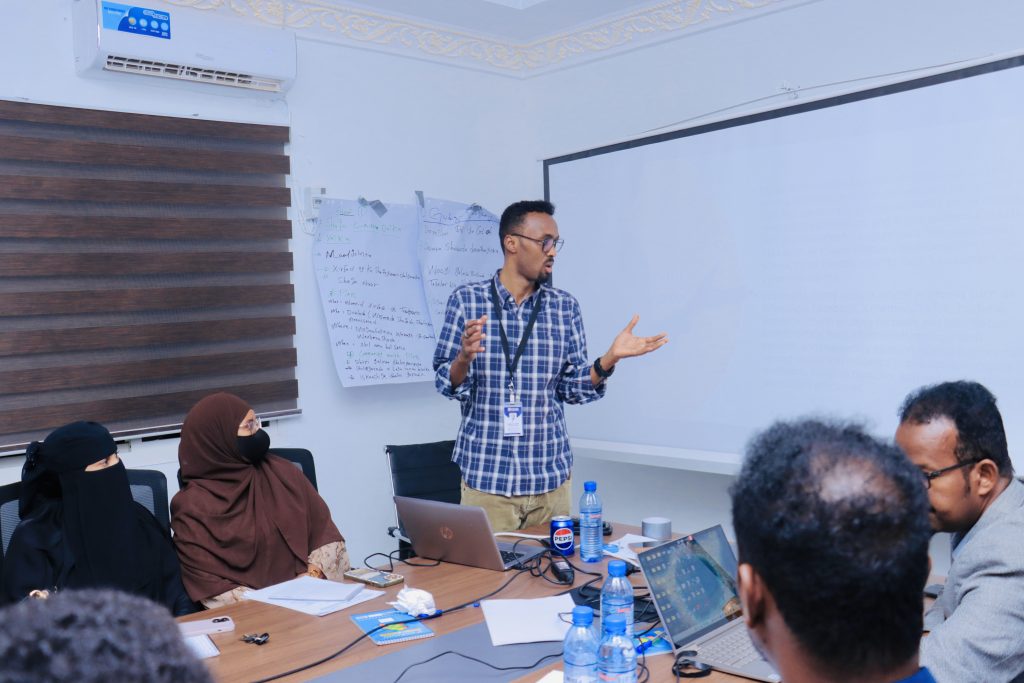
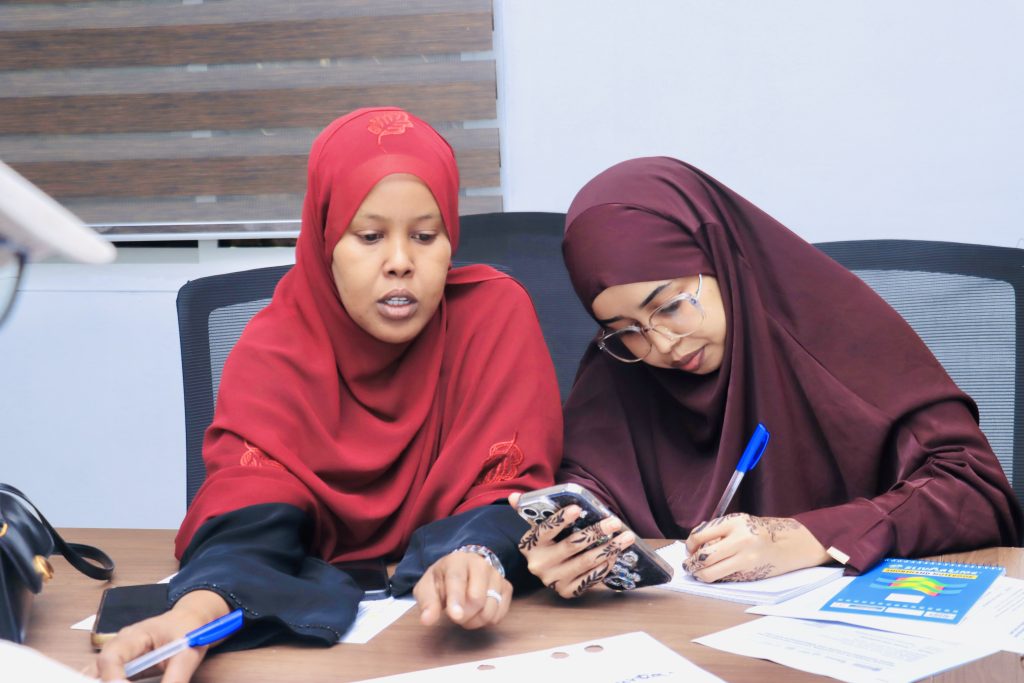
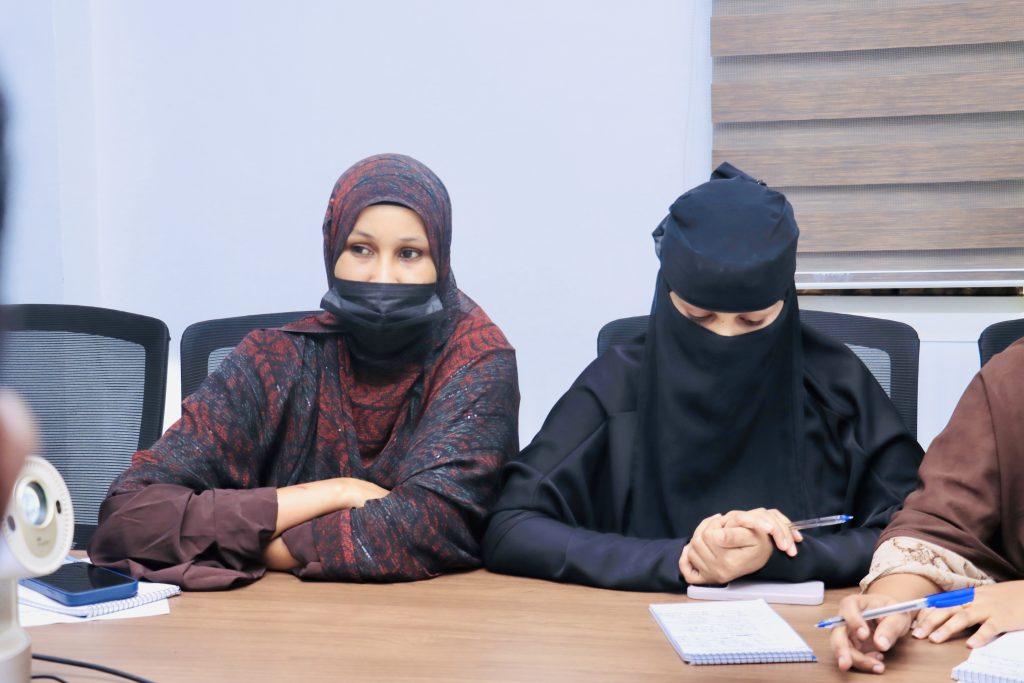
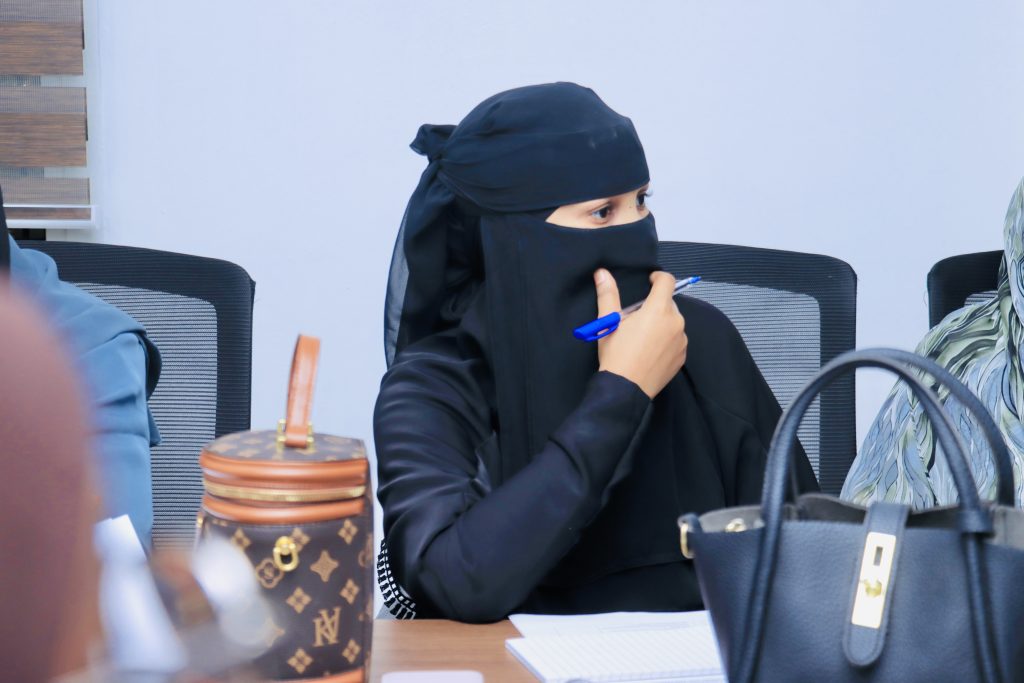
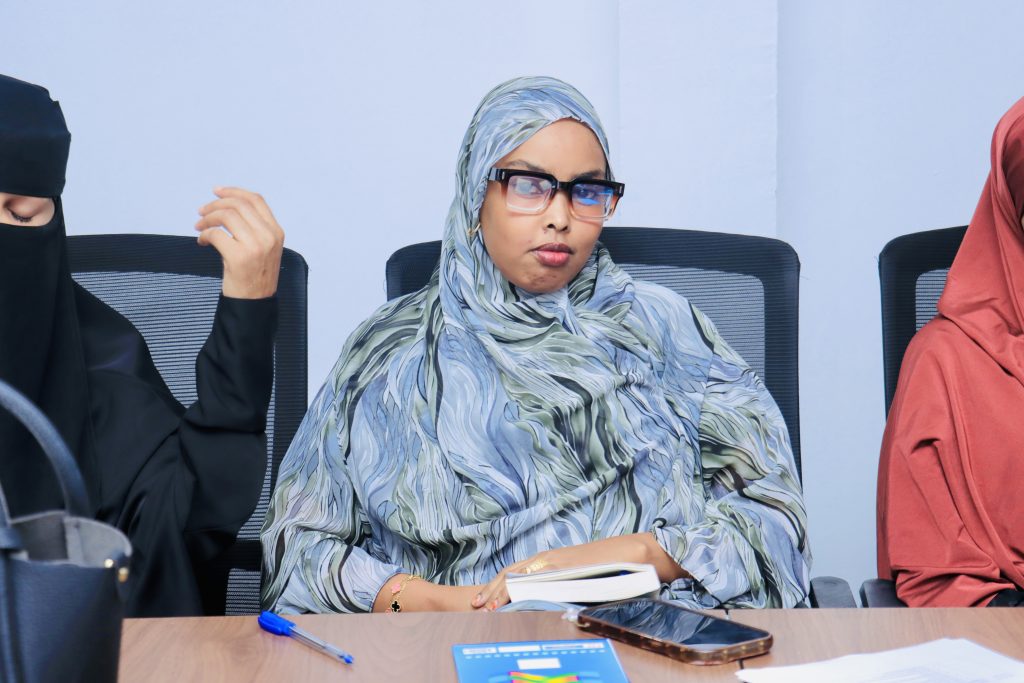
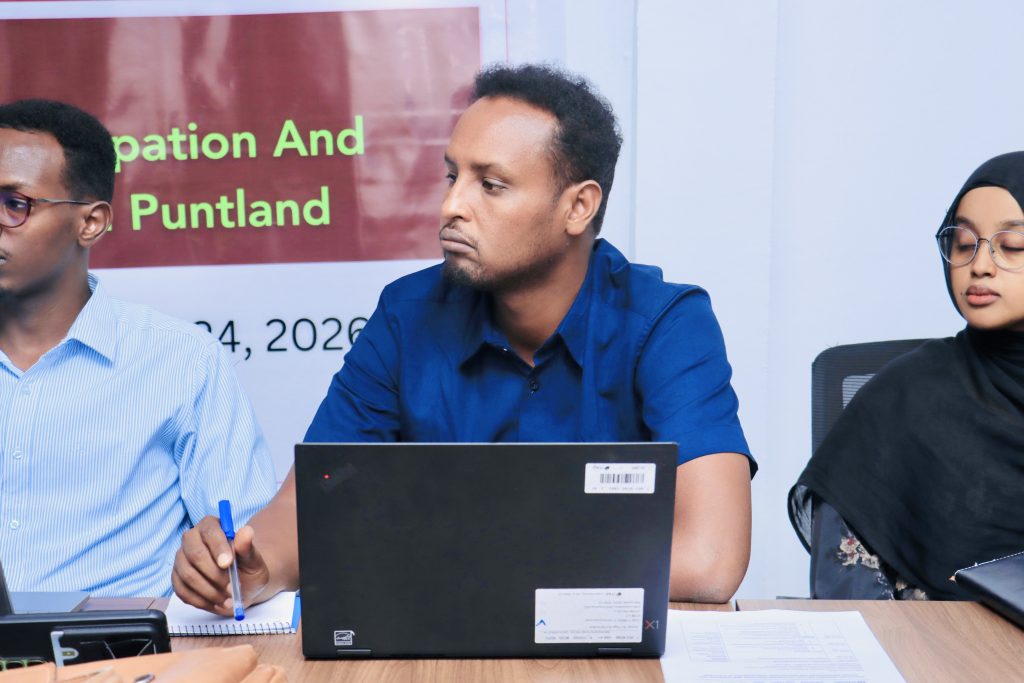
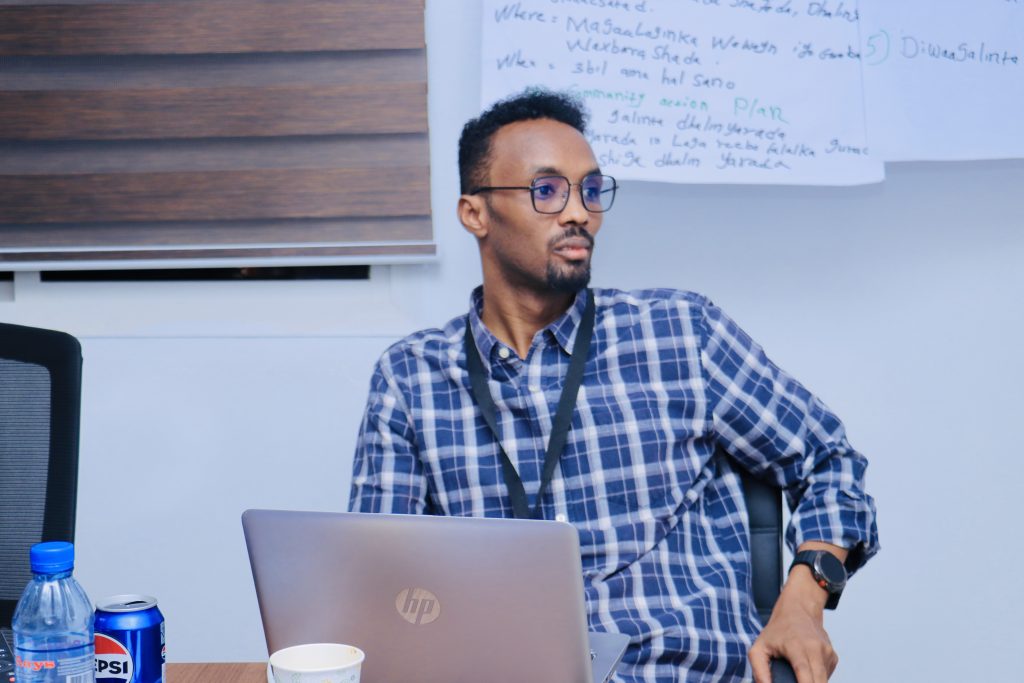
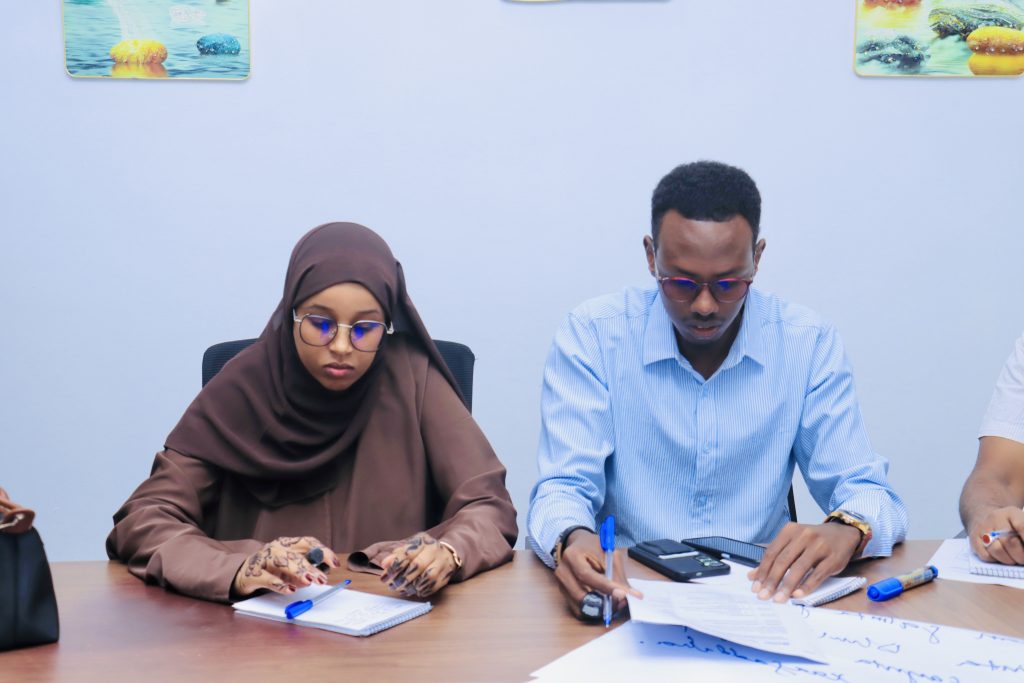
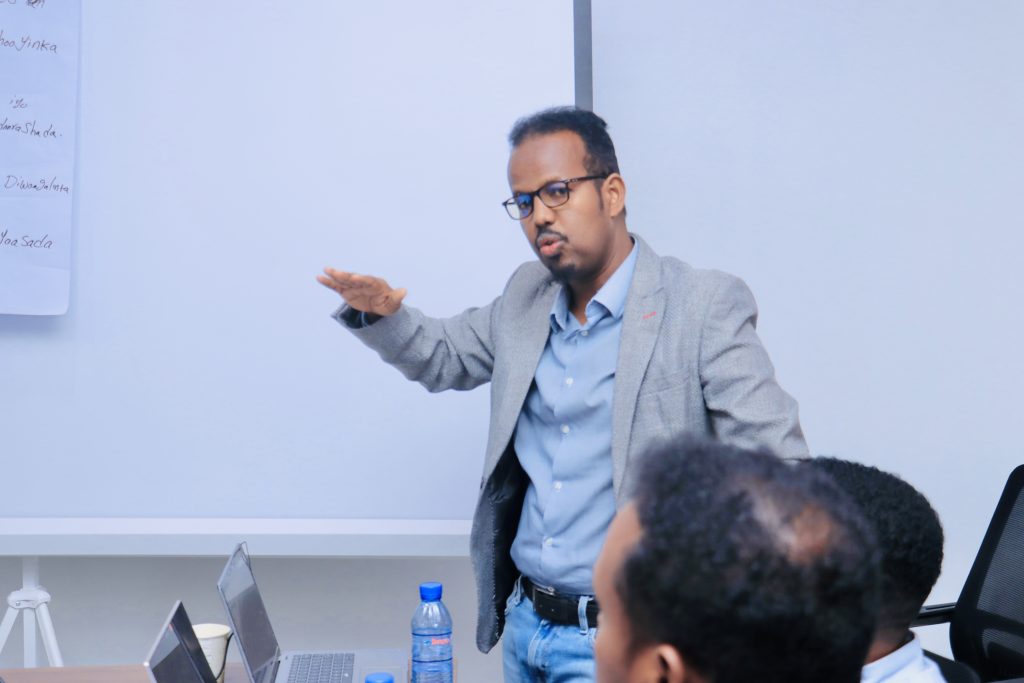
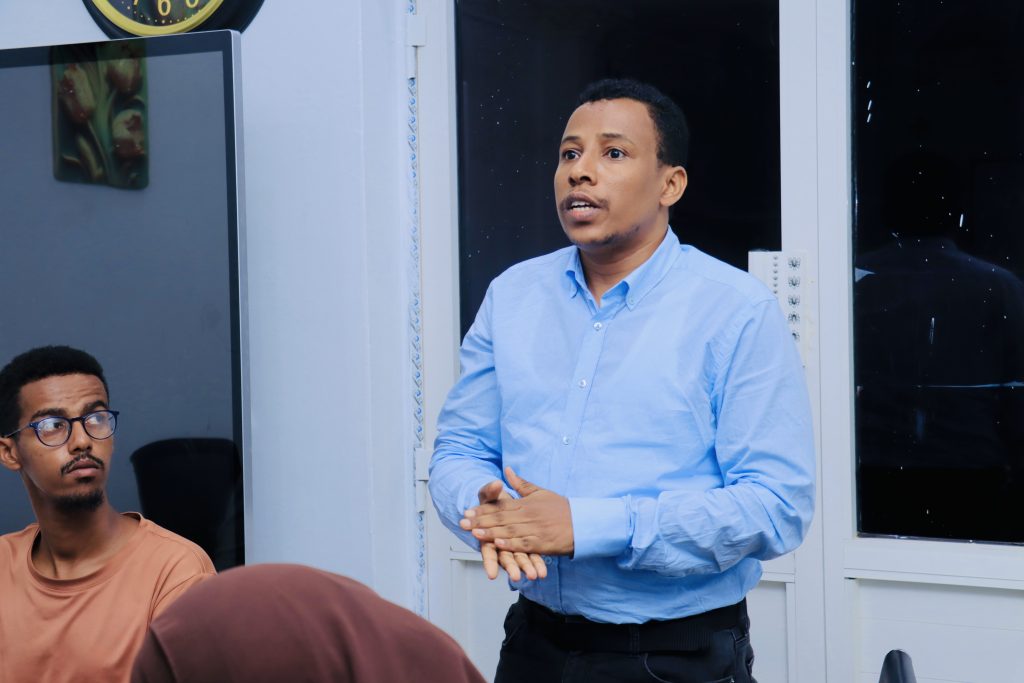
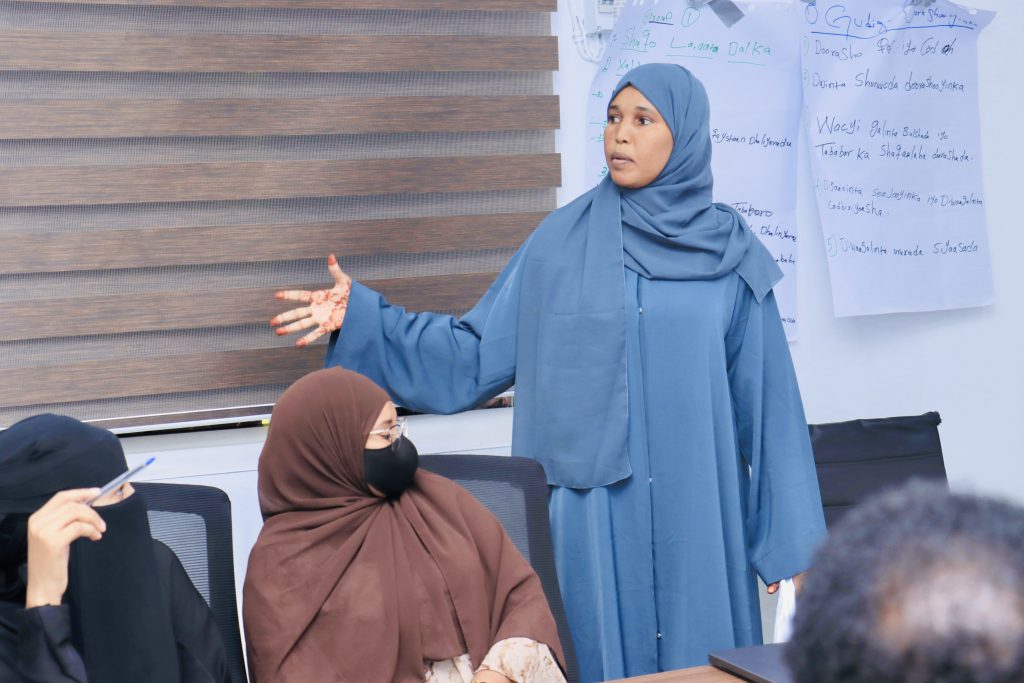
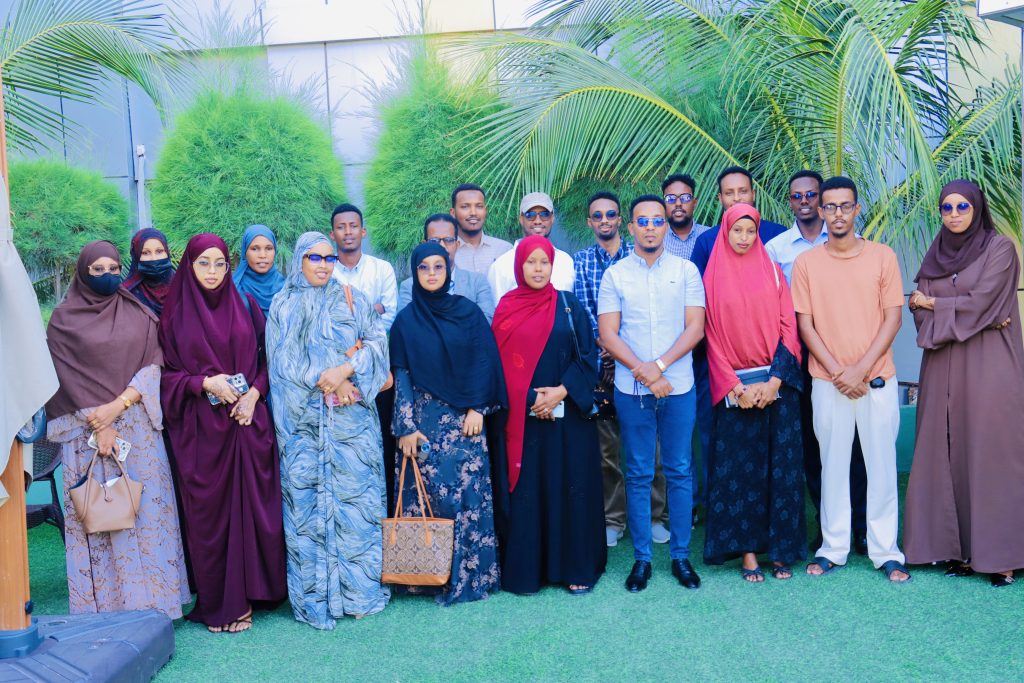
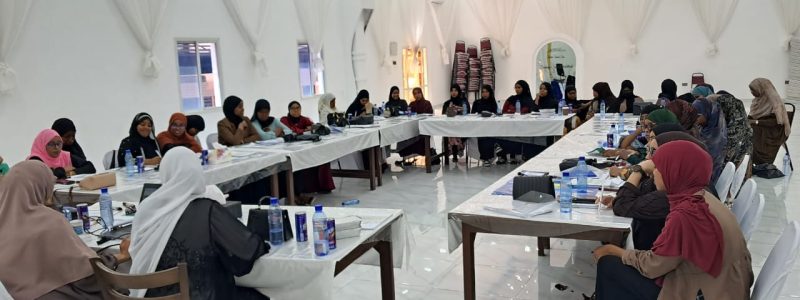
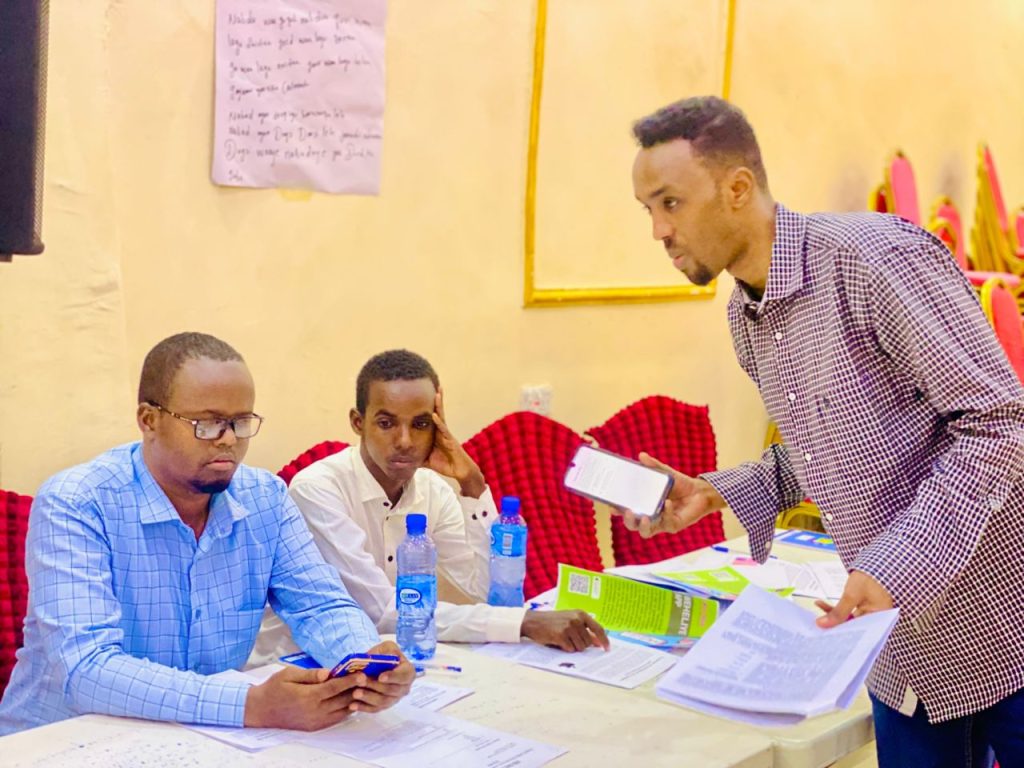
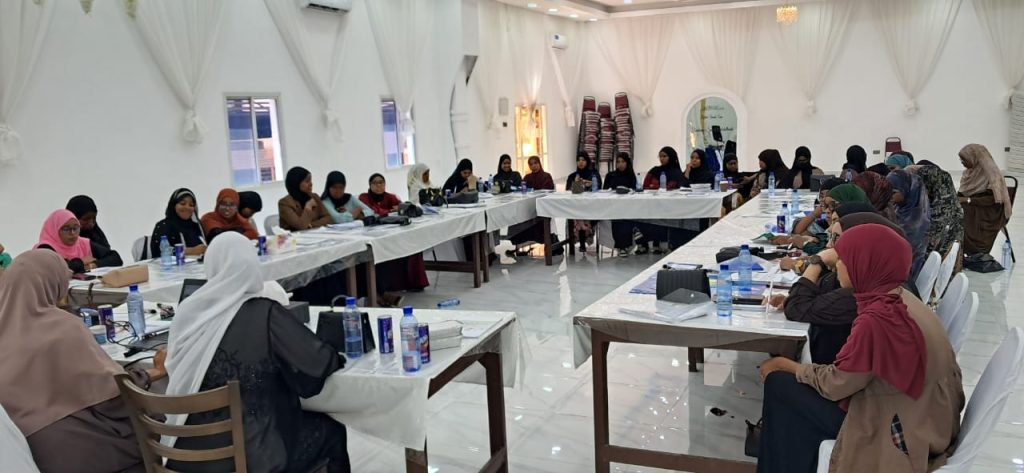
Bareedo Platform Somalia has concluded a Digital Security and Resilience Training in Garowe, Puntland, bringing together more than 35 participants from civil society organizations, women-led groups, youth movements, media organizations, and grassroots activist networks based in Puntland, Somalia.
The targeted rapid-response training aimed to strengthen participants’ digital safety, resilience, and operational security in response to growing risks such as hacking, online surveillance, cyber harassment, disinformation, and other digital threats that can disrupt the work of civil society and independent actors.
During the training, participants received practical guidance on securing social media accounts, protecting digital devices and online communications, strengthening data protection practices, identifying digital threats, and responding effectively to security incidents. The training contents was also included sessions focusing on wellbeing and healing digital trauma as results of digital threats to sustain civic activism.
The training forms part of Bareedo Platform Somalia’s broader efforts to support safer civic and democratic engagement across Somalia by strengthening the digital resilience of the civil society groups, human rights defenders, journalists and vulnerable rights groups working in challenging and high-risk environments.
Bareedo Platform Somalia continues to provide digital safety support, capacity-building, and emergency technical assistance to at-risk civil society organizations, activists, human rights defenders, journalists, women-led groups, and grassroots activists to sustain safe civic and democratic engagement across Somalia.
This initiative was made possible through the generous support of the CIVICUS Crisis Response Fund and the Digital Democracy Initiative (CRF-DDI), funded by the Danish Ministry of Foreign Affairs.
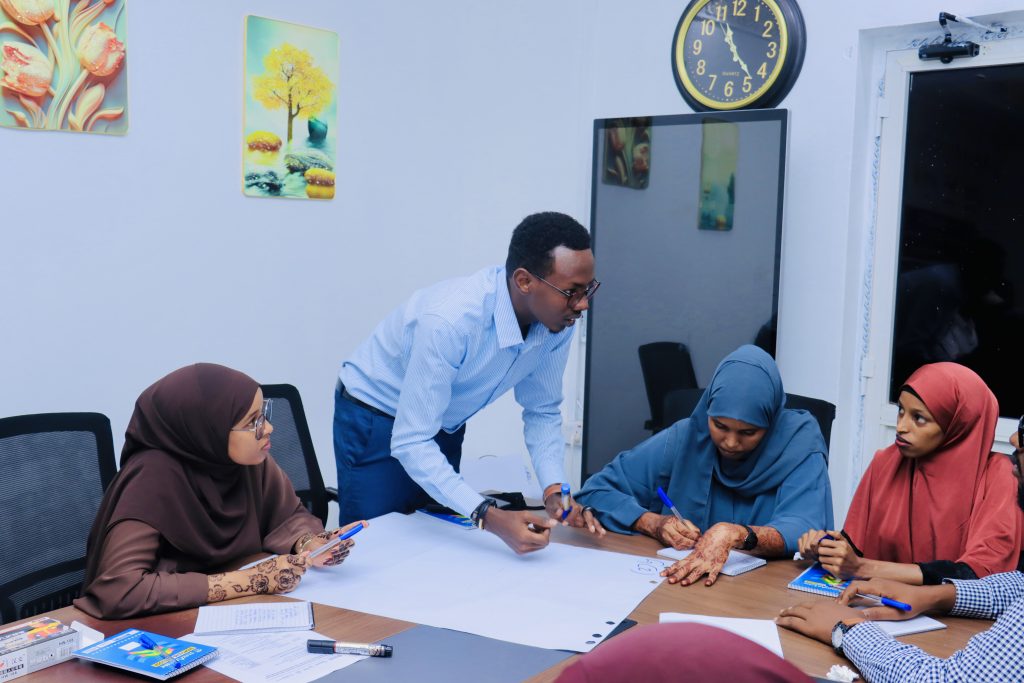
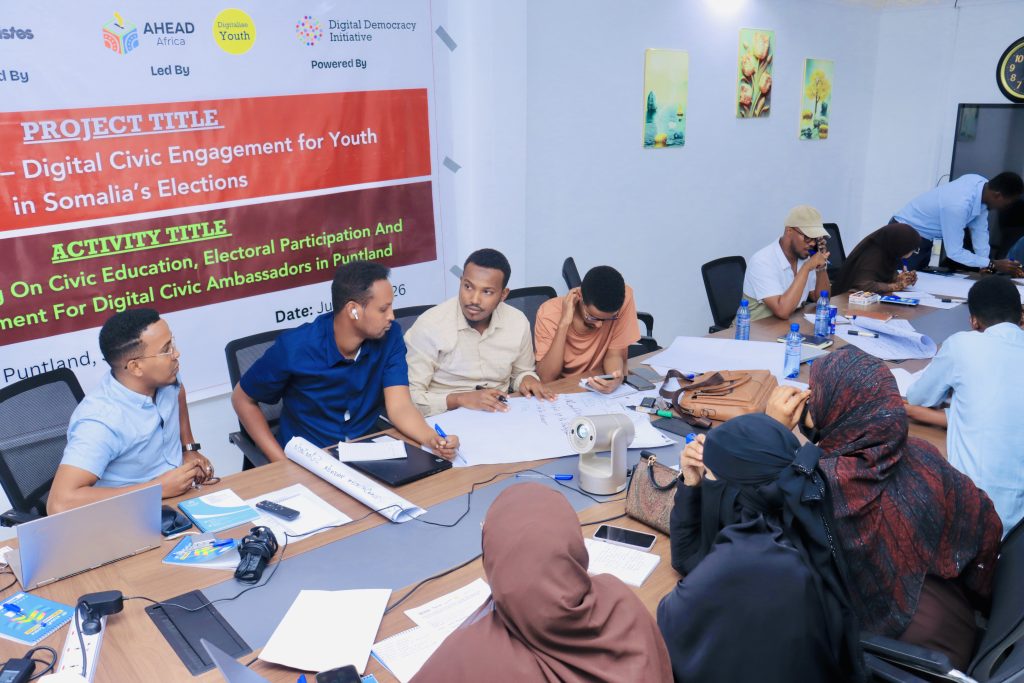
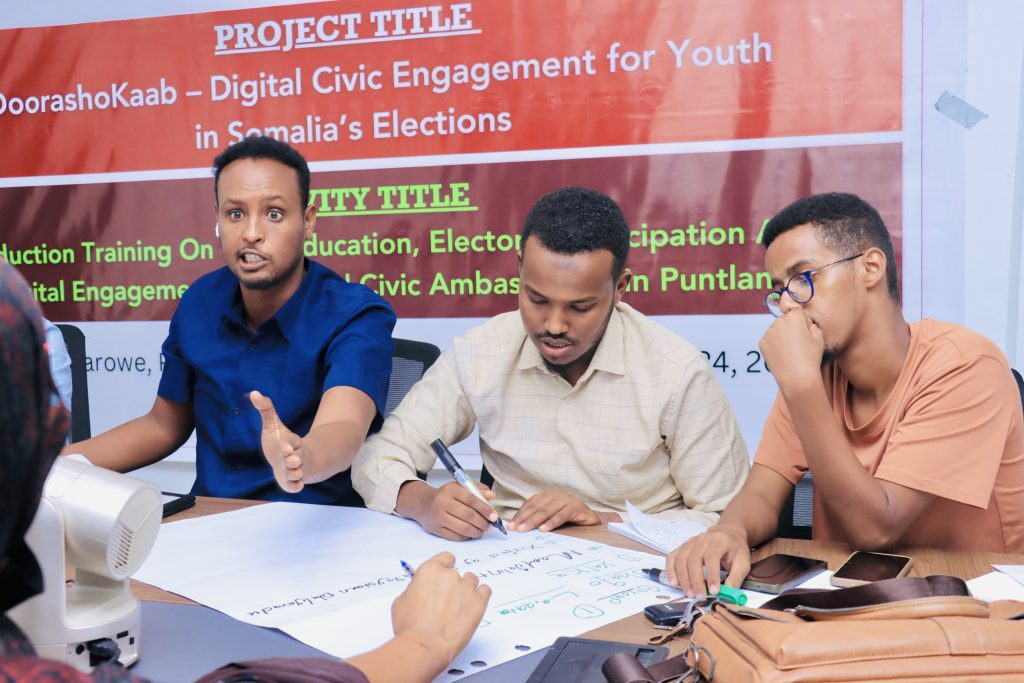
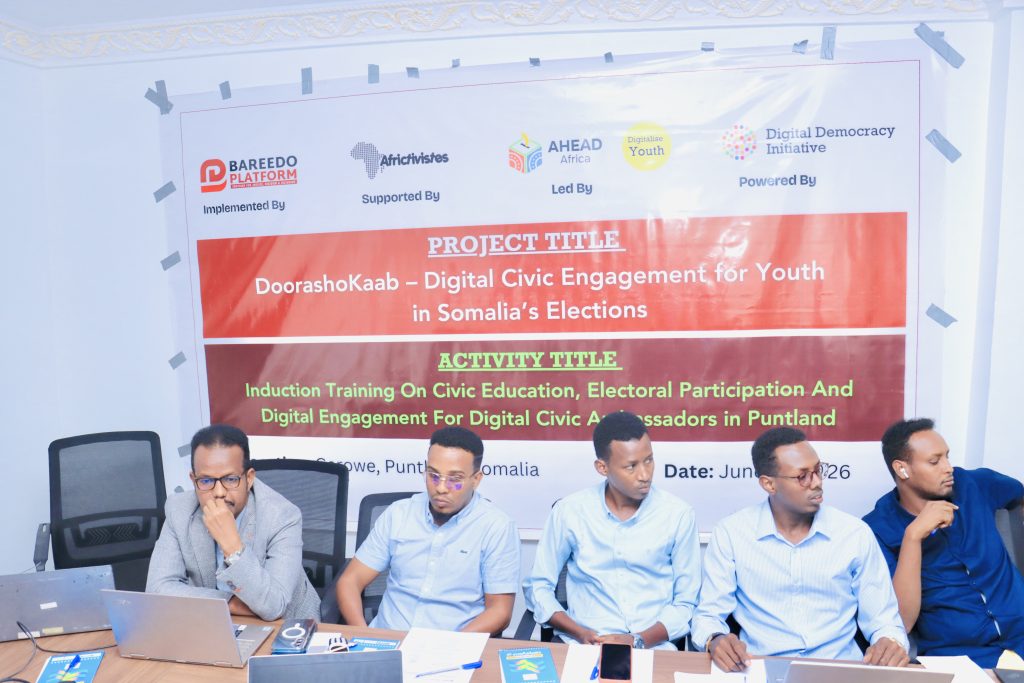
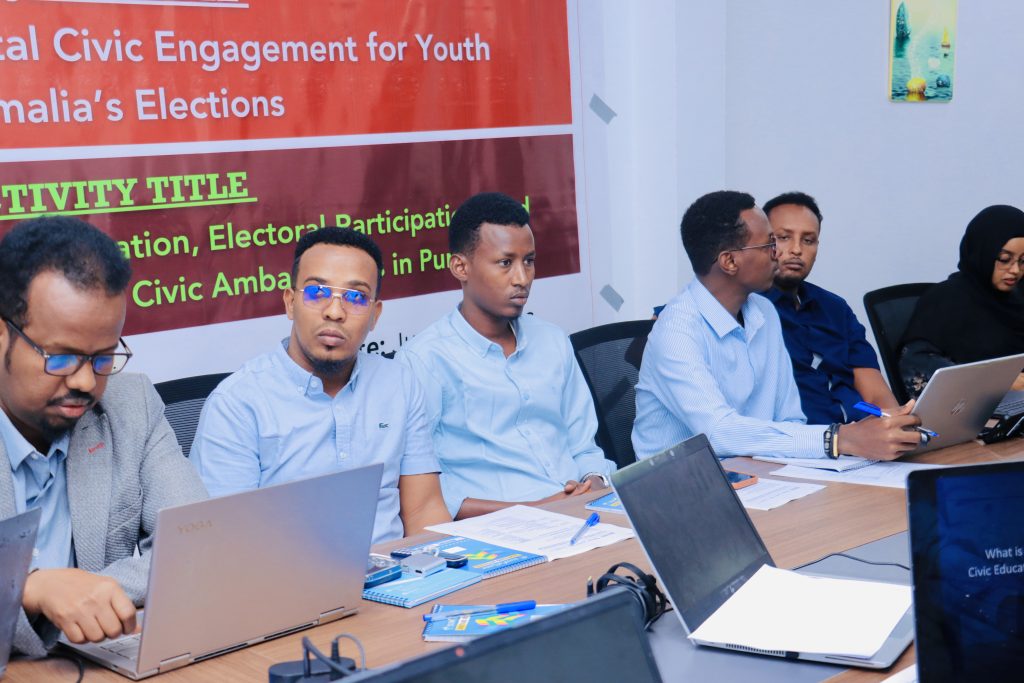
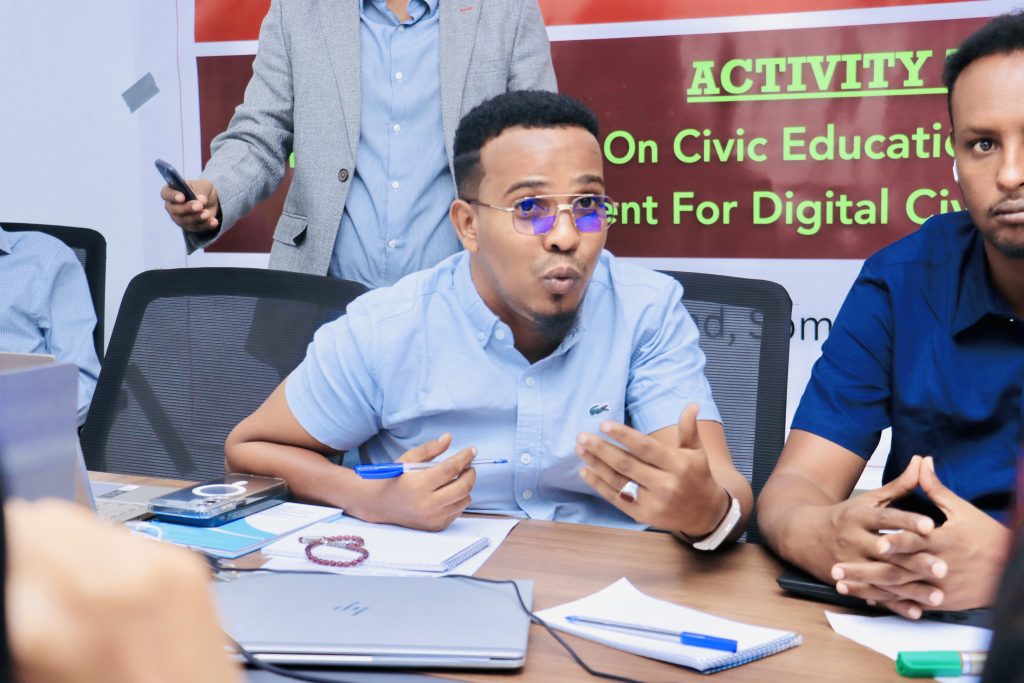
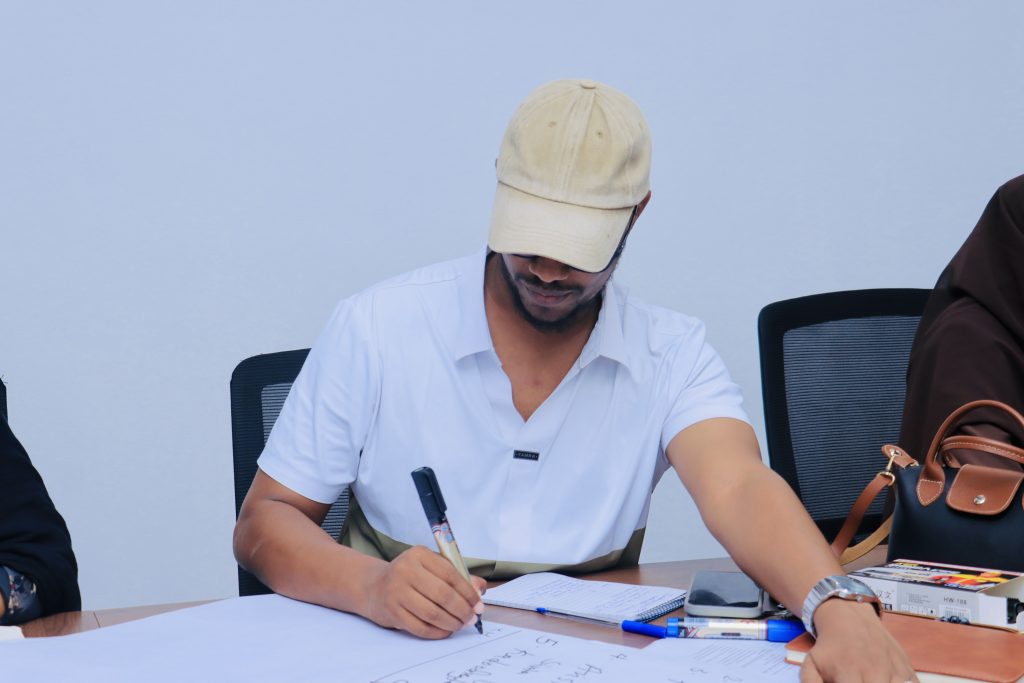
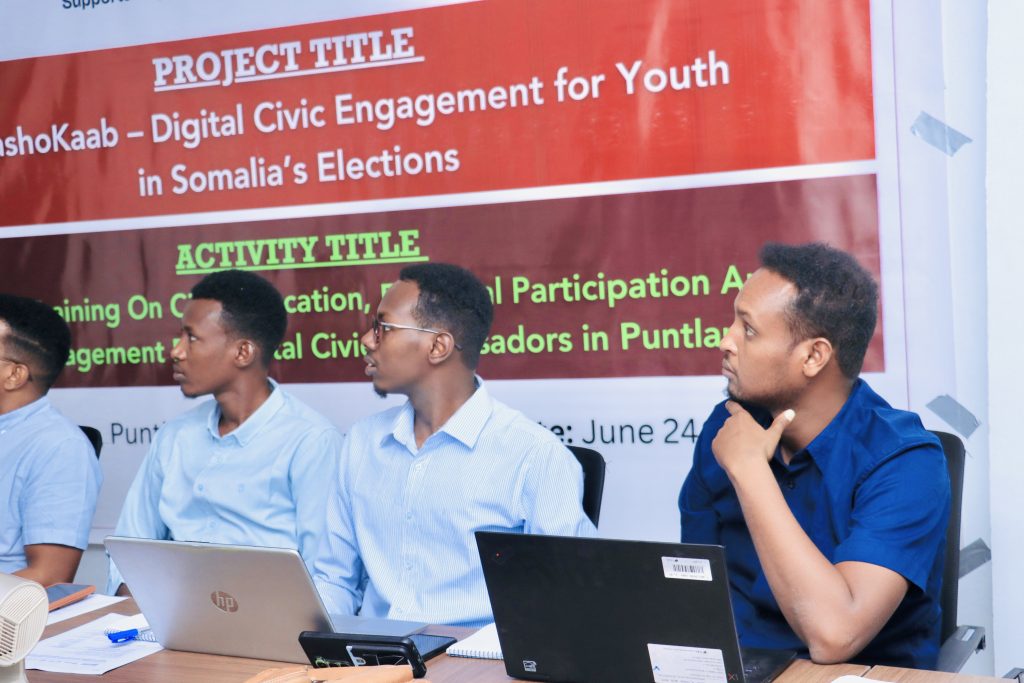
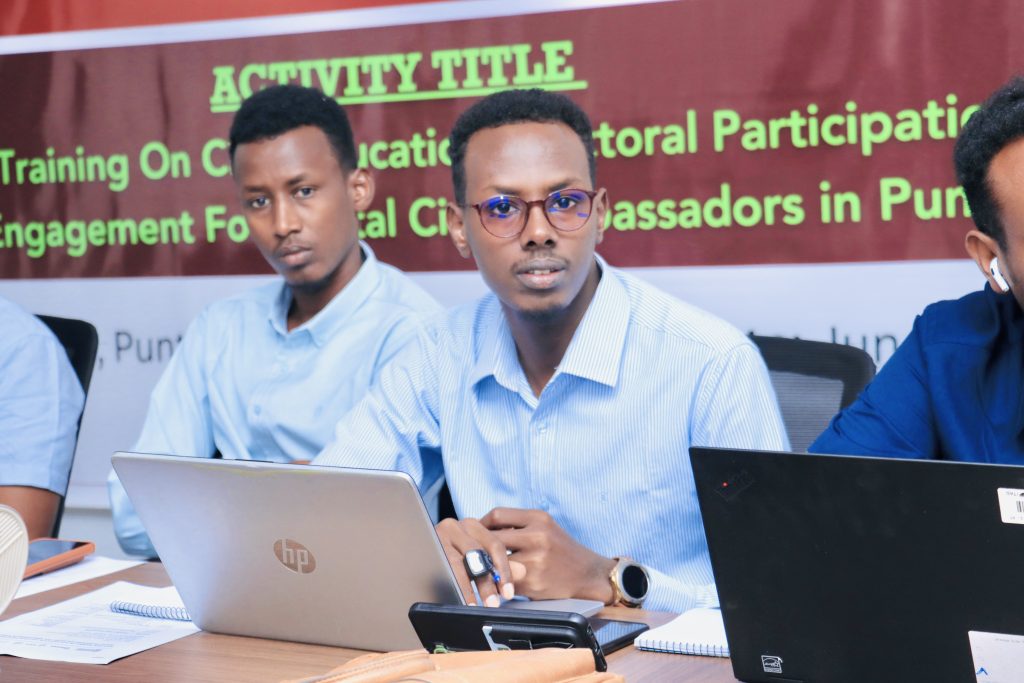
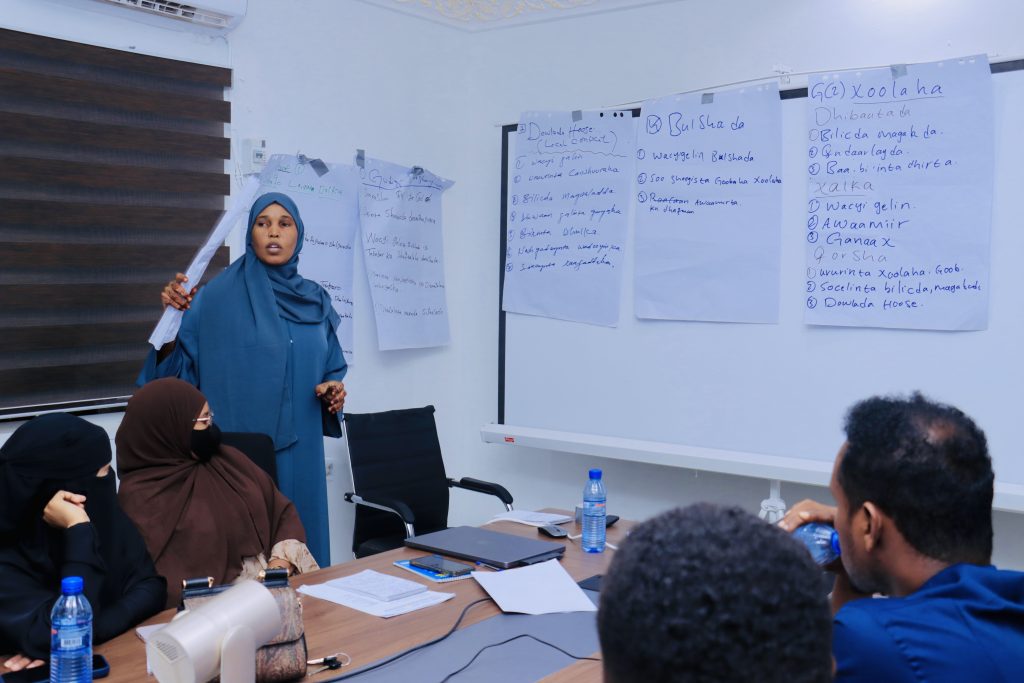
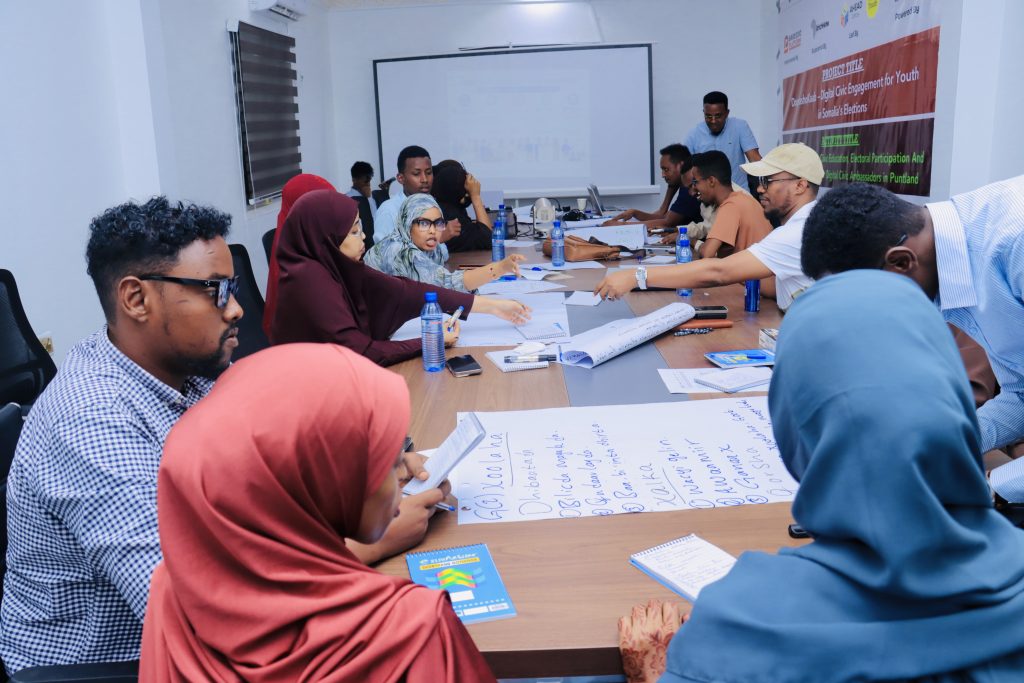
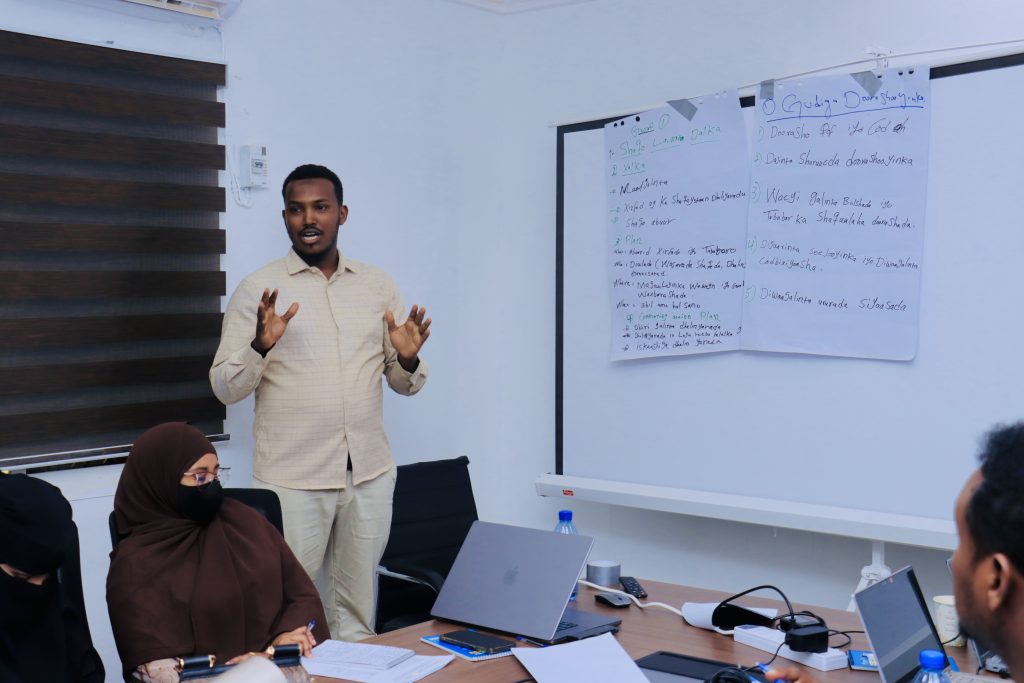
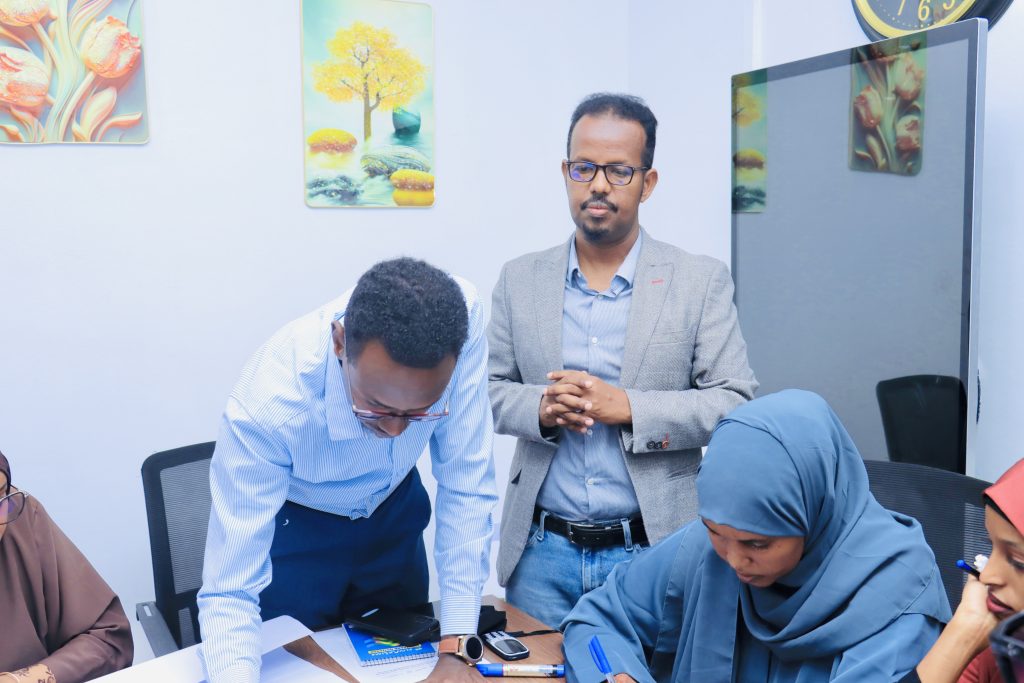
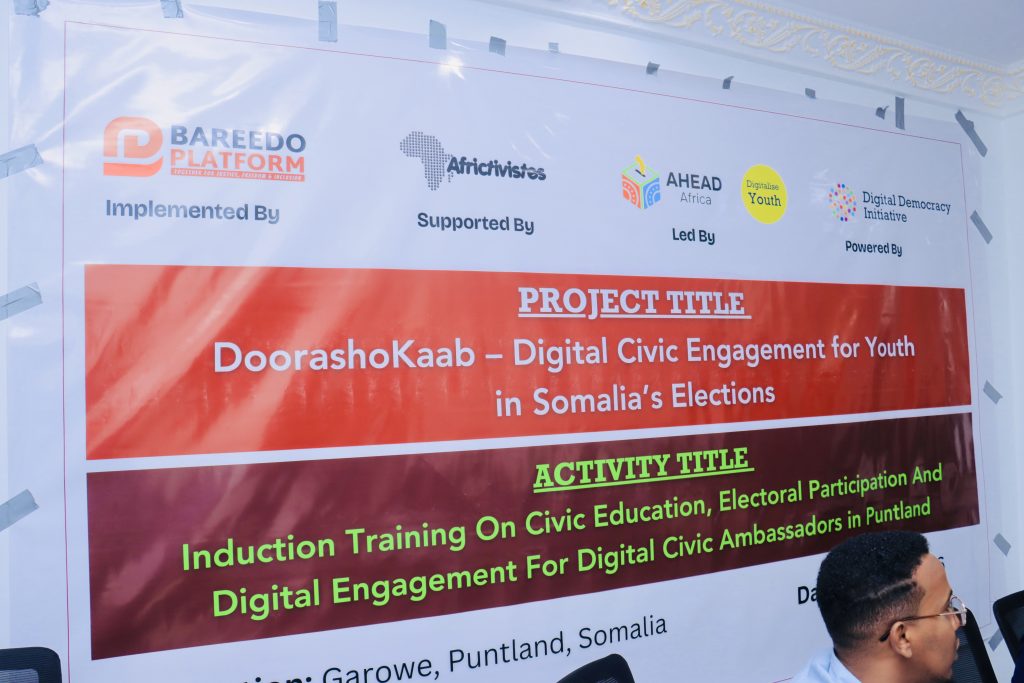
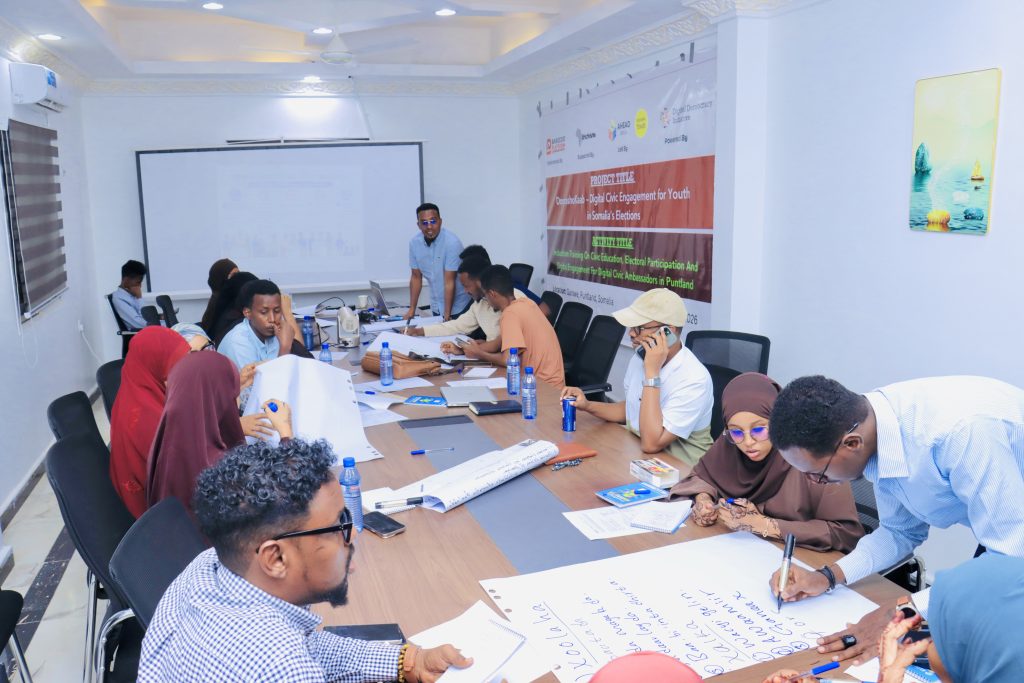
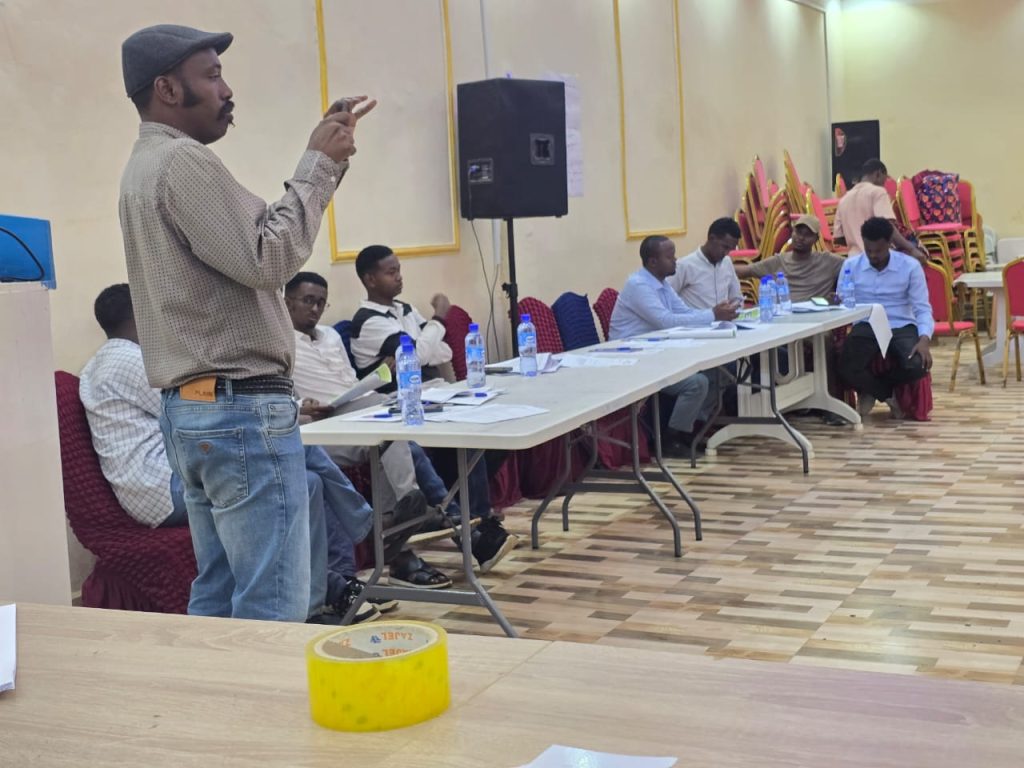
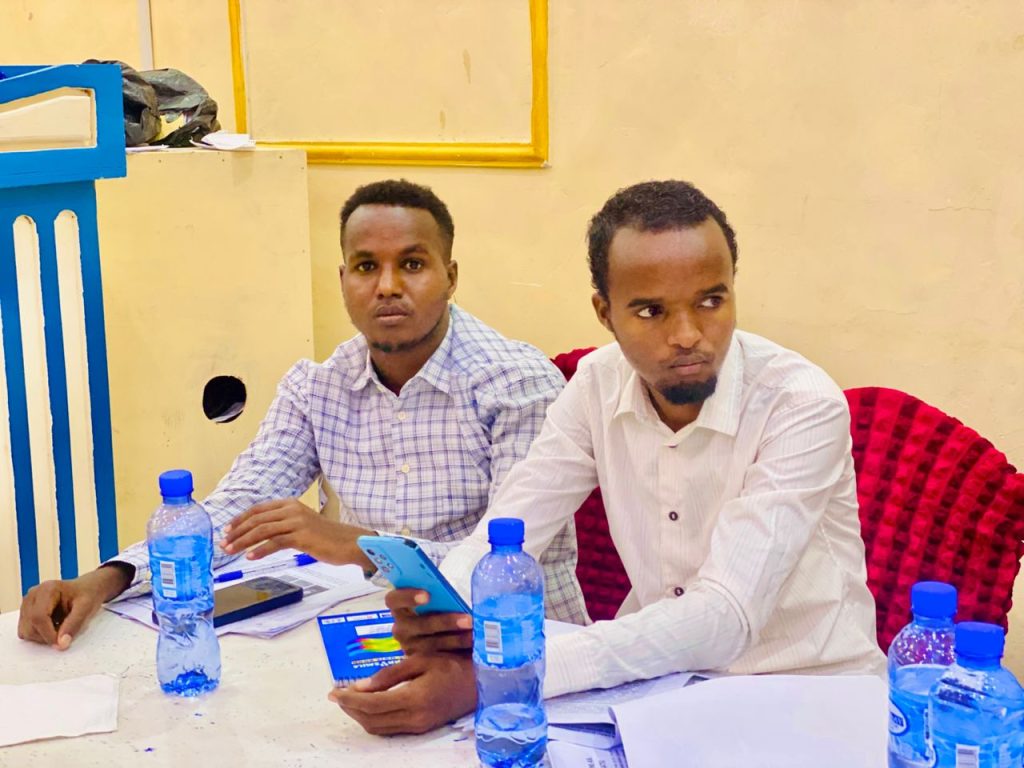
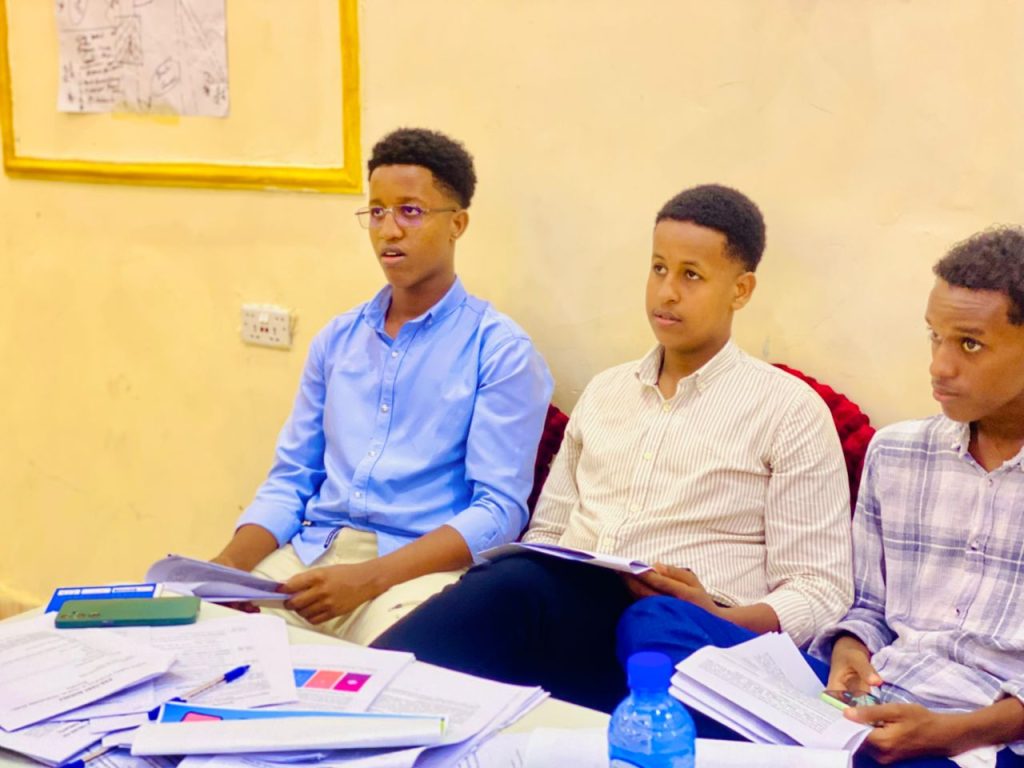
Bareedo Platform Somalia successfully conducted the Induction Training on Civic Education, Electoral Participation, and Digital Engagement for Digital Civic Ambassadors under the DoorashoKaab Program in Garowe, Puntland on June 24, 2026, bringing together 25 young leaders committed to promoting informed civic participation, democratic governance, and electoral transparency across Somalia.
The one-day training marked the beginning of a nationwide capacity-building initiative aimed at equipping Digital Civic Ambassadors with the knowledge, skills, and digital tools needed to educate communities, promote democratic values, encourage citizen participation, and strengthen electoral integrity through technology.
Building the Next Generation of Civic Leaders
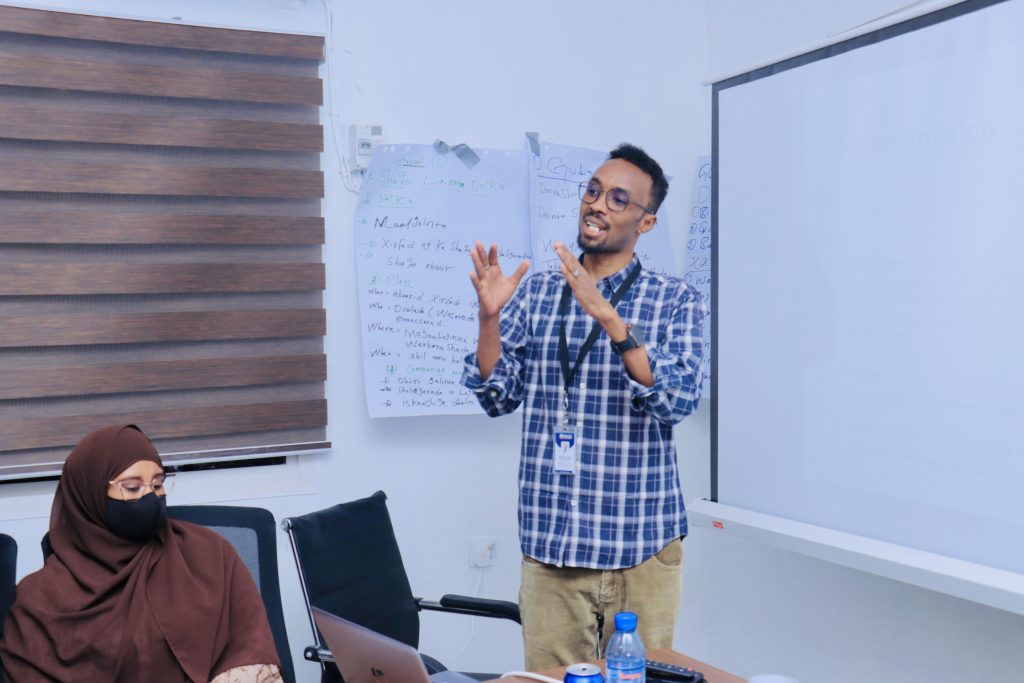
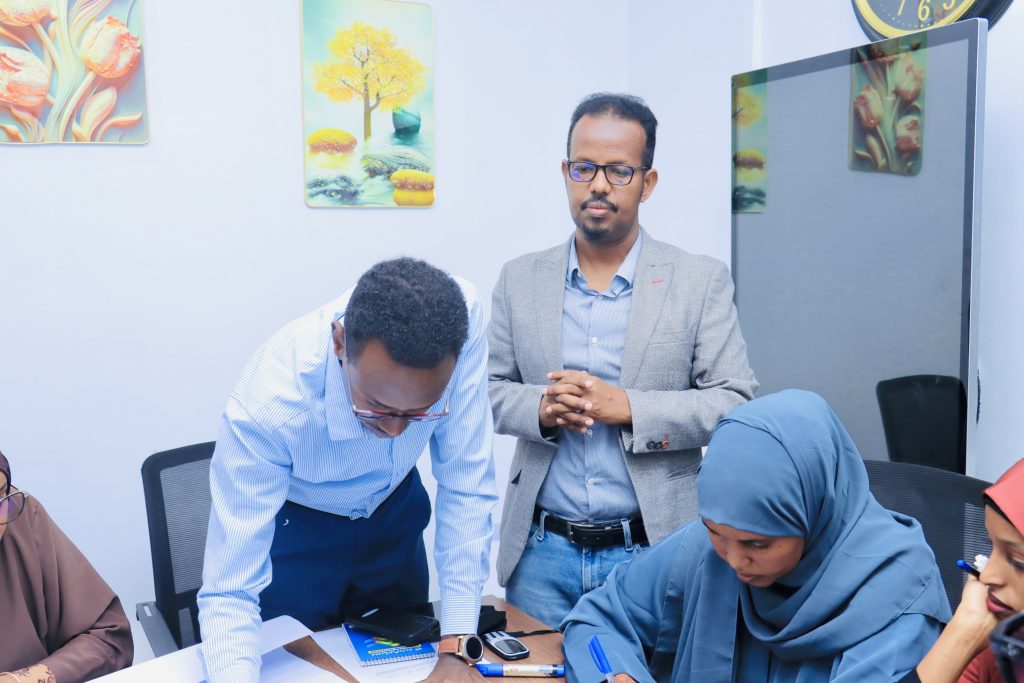
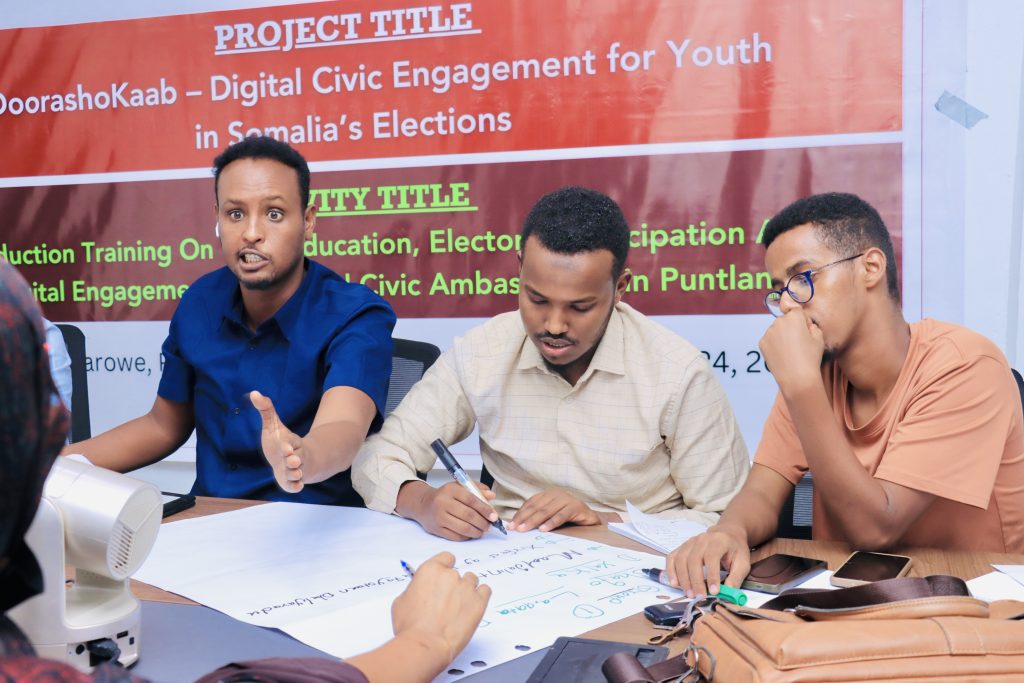
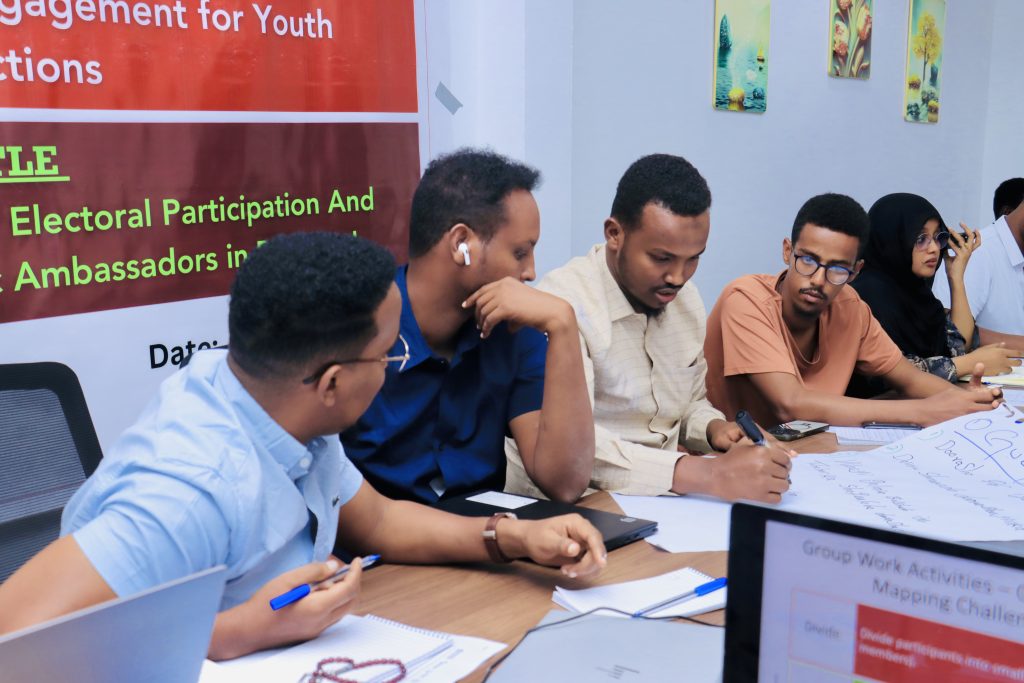
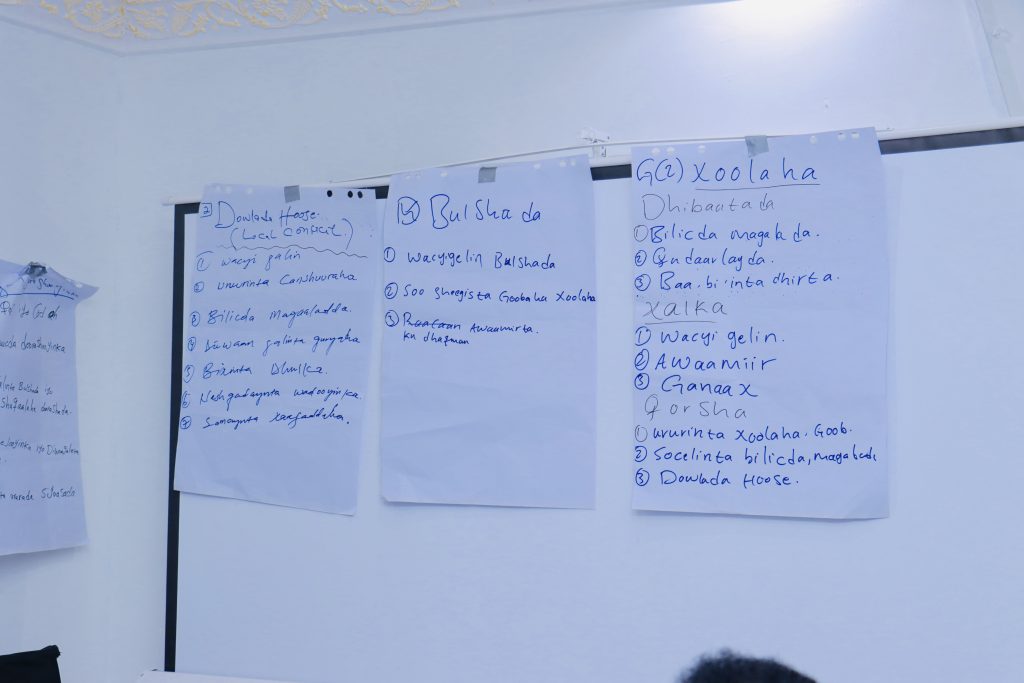
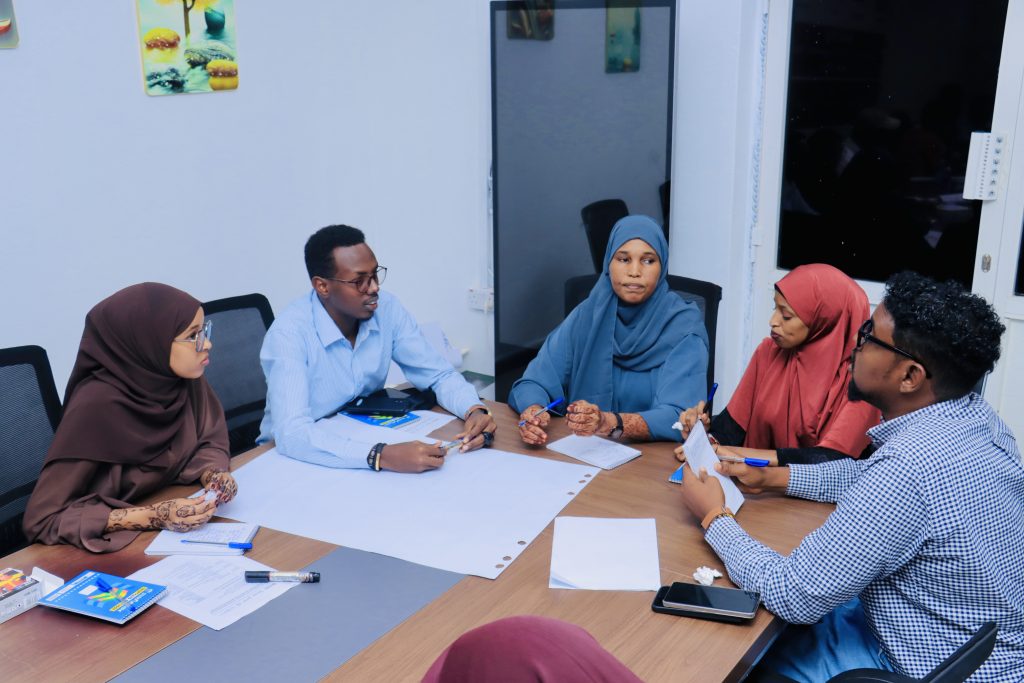
The training provided participants with practical knowledge on civic education, elections, democratic participation, digital engagement, and combating misinformation. Through interactive presentations, practical exercises, discussions, quizzes, and live demonstrations, participants enhanced their understanding of their roles as trusted civic educators and community mobilizers.
The training covered five key modules:
Module 1: Civic Education and Community Engagement
Module 2: Understanding Elections in Somalia and Puntland
Module 3: Introduction to the DoorashoKaab Platform and Mobile Application
Module 4: Digital Literacy, Digital Safety, and Combating Misinformation
Module 5: Community Mobilization, Democratic Participation, and the Role of Digital Civic Ambassadors
Participants also completed practical exercises, election simulations, platform demonstrations, and knowledge assessments to reinforce learning and prepare them for community outreach.
Learning the DoorashoKaab Platform
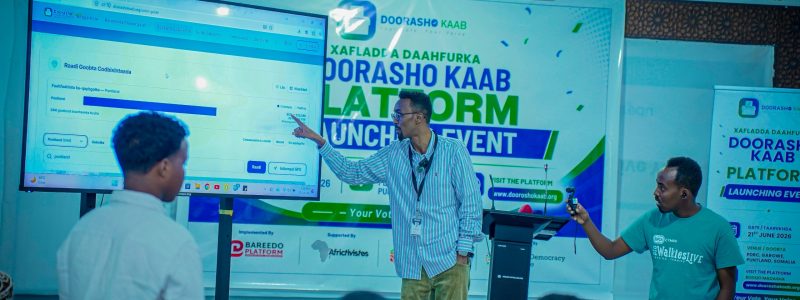
A major highlight of the training was the live demonstration of the DoorashoKaab Platform and Mobile Application, where participants learned how to navigate the platform and use its features effectively.
The ambassadors explored how to access:
Civic education courses
Verified voter and election information
Electoral laws, policies, and procedures
Election resources and updates
Electoral incident reporting tools
Community engagement resources
Participants were encouraged to become champions of the platform by promoting its use within schools, universities, youth networks, civil society organizations, and local communities.
Promoting Safe and Responsible Digital Engagement
Recognizing the growing influence of digital platforms on democratic participation, the training also focused on digital literacy and online safety.
Participants learned how to:
Identify and verify misinformation and disinformation
Recognize manipulated or AI-generated content
Use fact-checking tools
Protect their online accounts through strong passwords and Two-Factor Authentication (2FA)
Identify phishing, impersonation, and online scams
Report harmful content across social media platforms
Practice responsible digital citizenship
These skills will enable ambassadors to promote safer online spaces while strengthening public trust in democratic information.
Digital Civic Ambassadors as Community Leaders
Following the training, participants will serve as Digital Civic Ambassadors within their communities, supporting grassroots civic education, voter awareness, and democratic participation.
Their responsibilities include:
Delivering civic education within their communities
Promoting informed electoral participation
Raising awareness about democratic rights and responsibilities
Encouraging the use of the DoorashoKaab platform
Supporting efforts to combat misinformation
Promoting peaceful, inclusive, and transparent democratic processes
The ambassadors will also participate in continued mentoring, networking, refresher training, and community engagement activities under the DoorashoKaab Program.
Strengthening Democracy Through Civic Technology
The training forms part of Bareedo Platform Somalia’s broader efforts to harness civic technology to strengthen democratic governance and citizen participation in Somalia.
Through DoorashoKaab, citizens can access reliable civic education, verified election information, electoral resources, and secure digital tools that enable meaningful participation in democratic processes.
Bareedo Platform Somalia believes that informed, engaged, and digitally empowered citizens are essential to building transparent, accountable, and inclusive democratic institutions.
The organization extends its sincere appreciation to all participants, facilitators, and partners who contributed to the success of the training.
The DoorashoKaab Program is implemented by Bareedo Platform Somalia with the support of AfricTivistes under the AHEAD Africa and Digitalise Youth projects, led by the Digital Democracy Initiative (DDI).
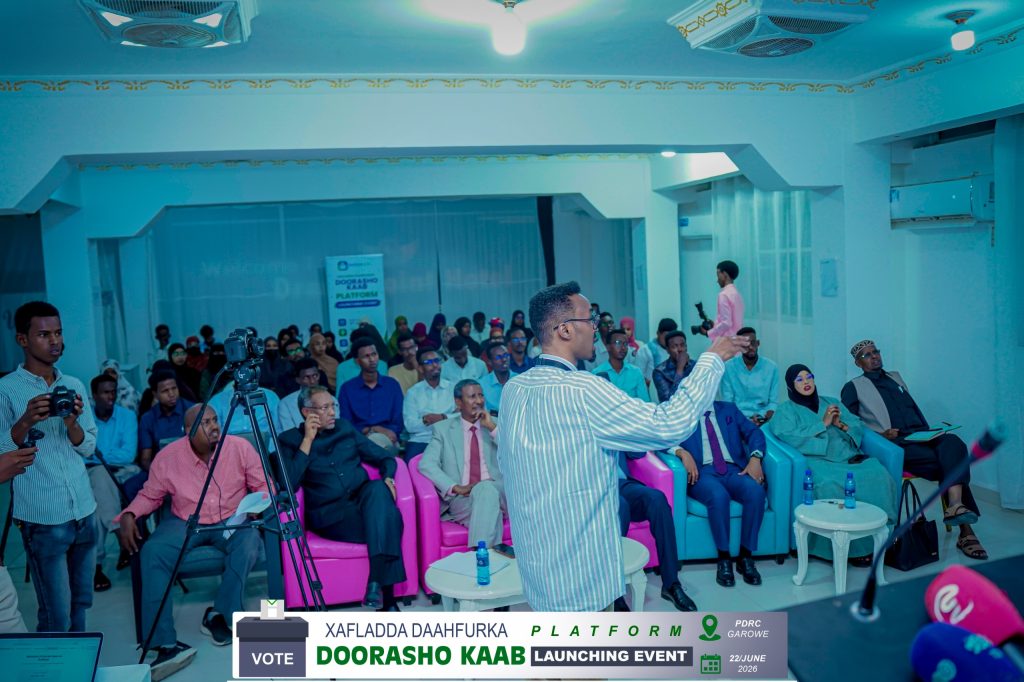
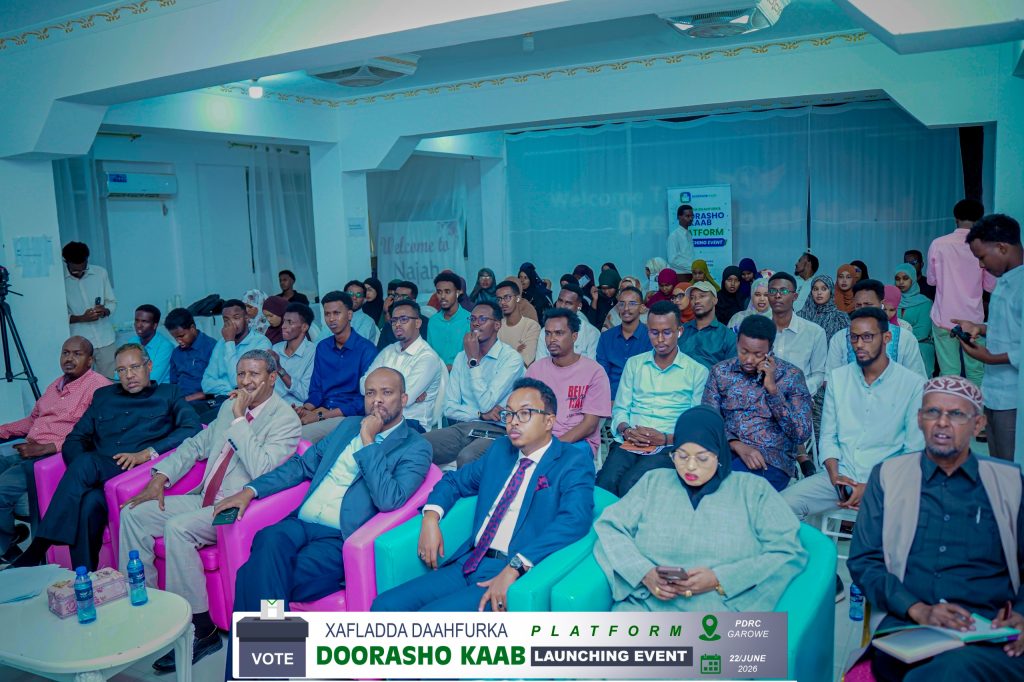
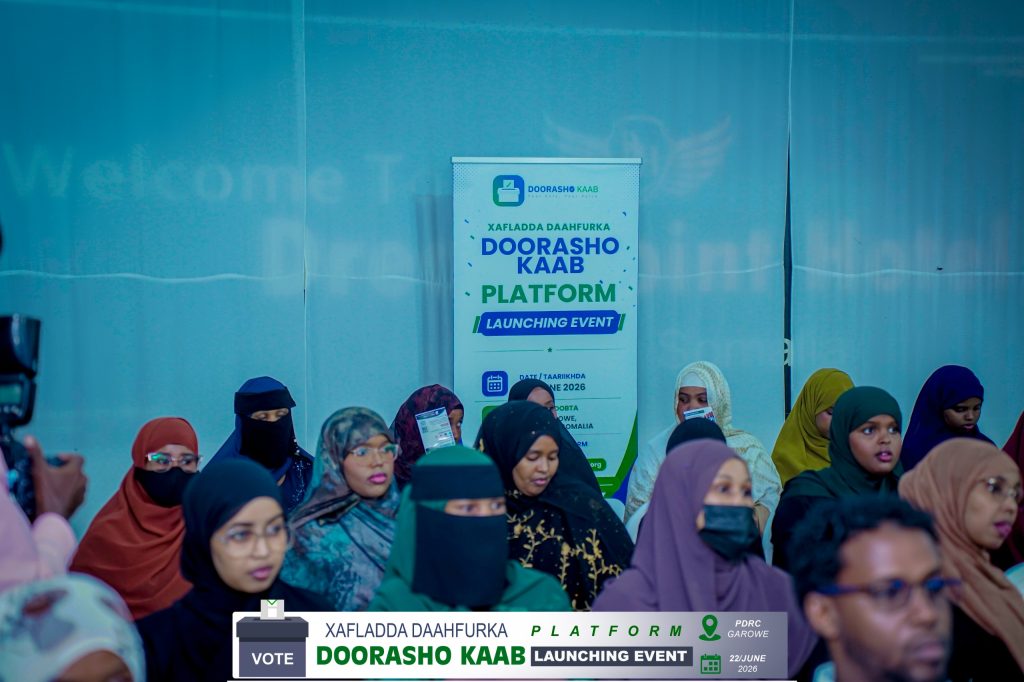
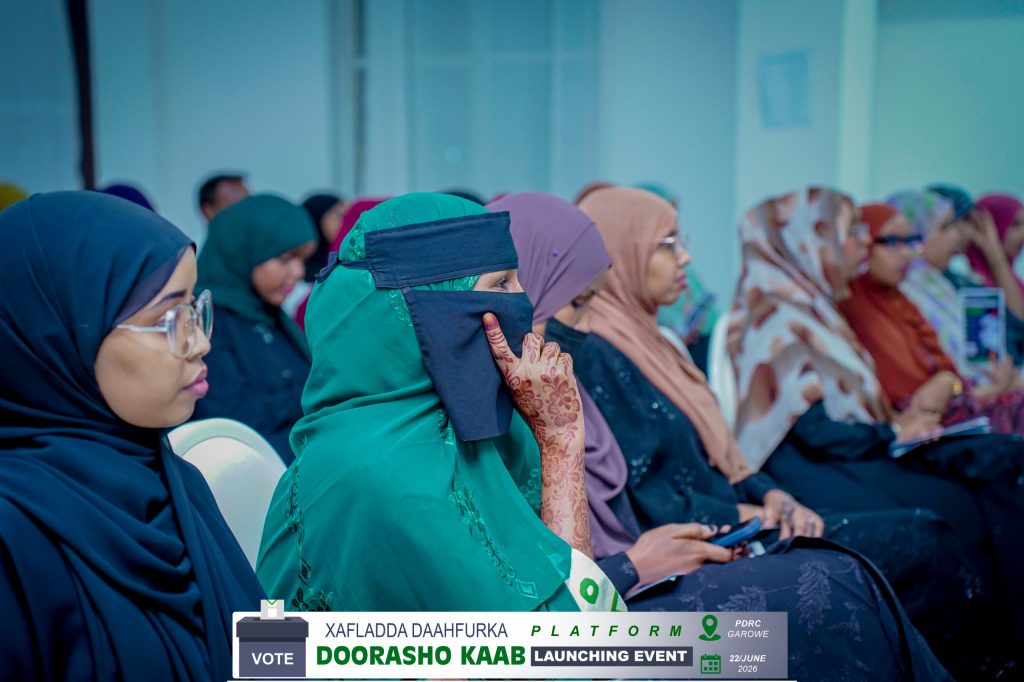
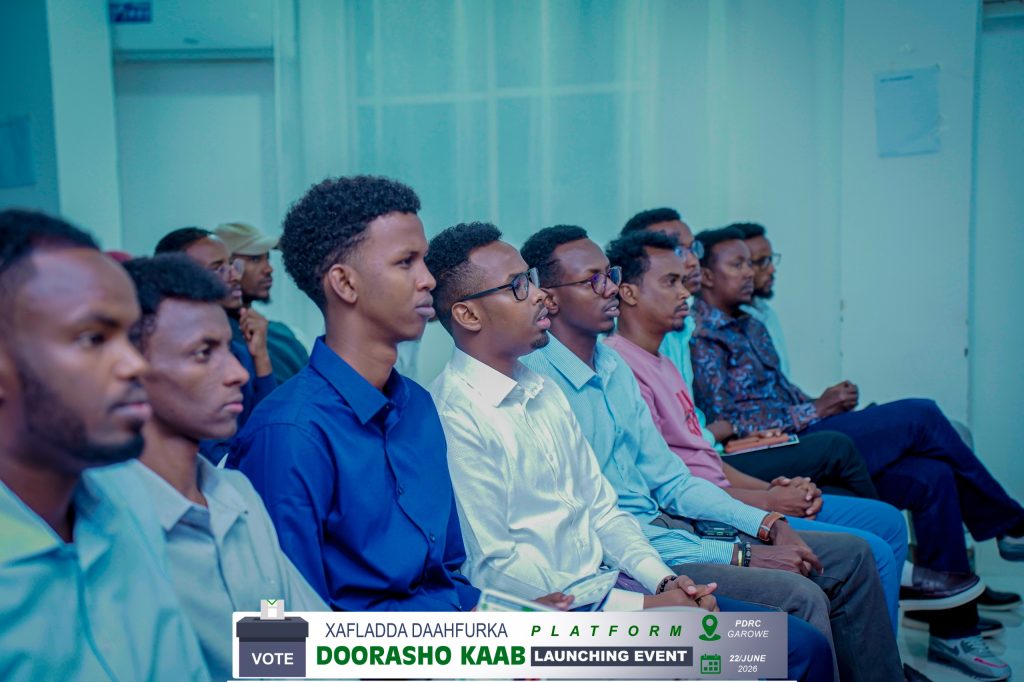
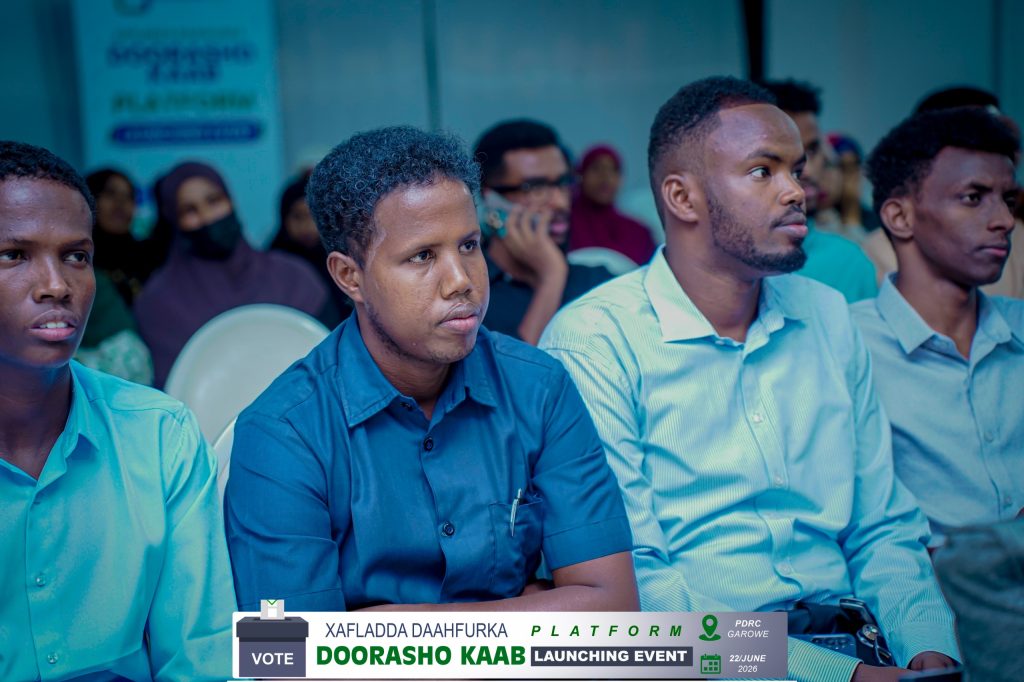
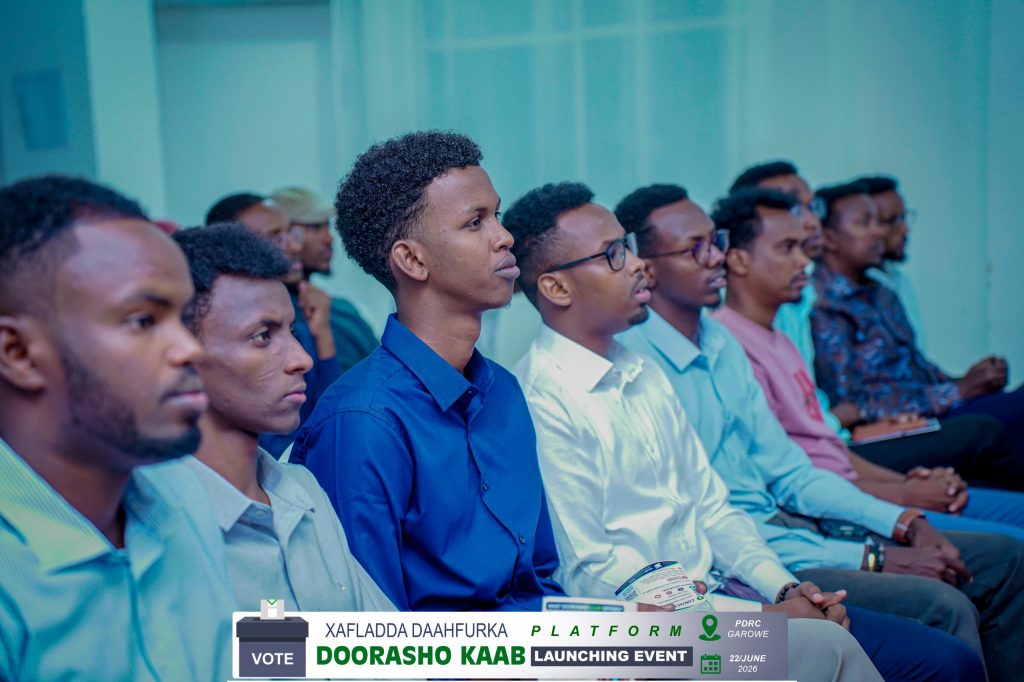
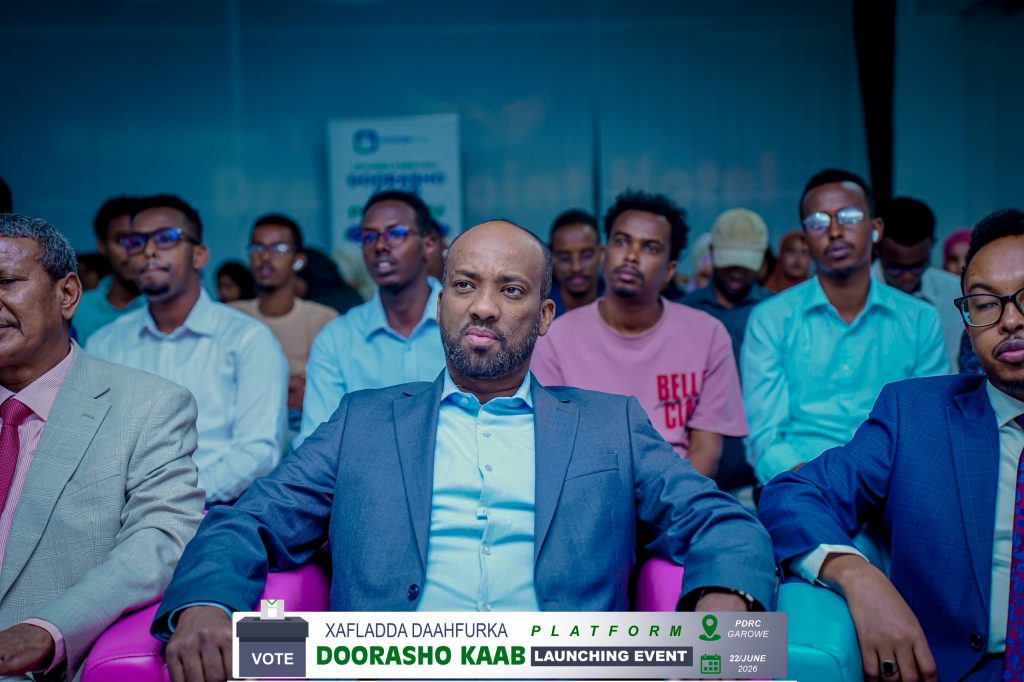
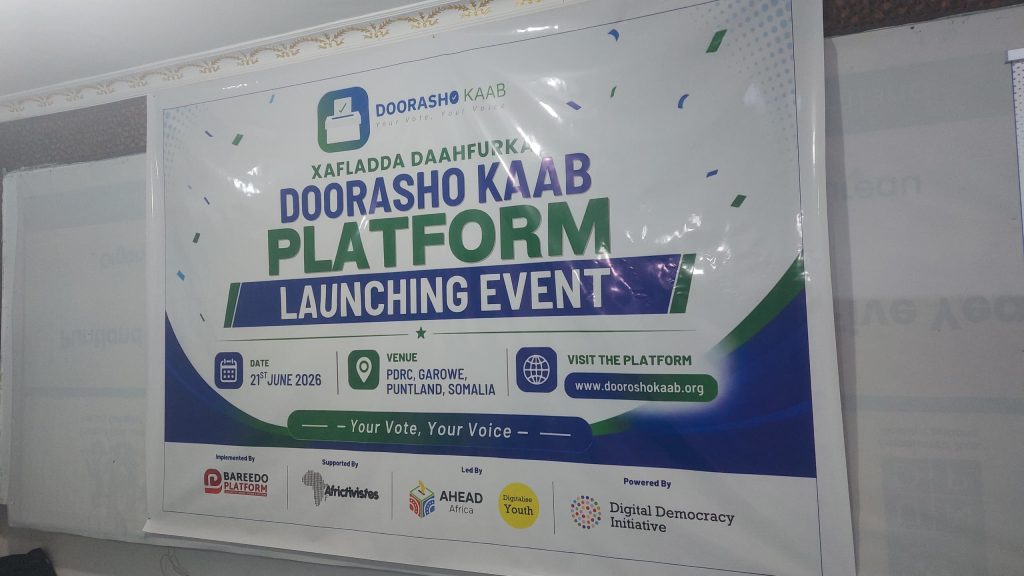
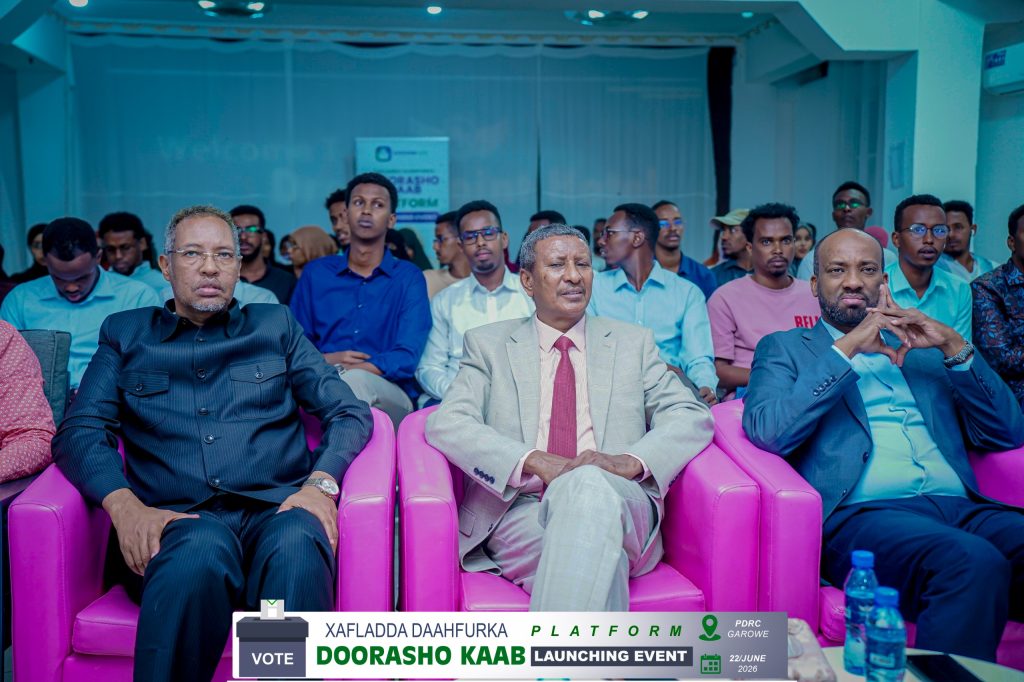
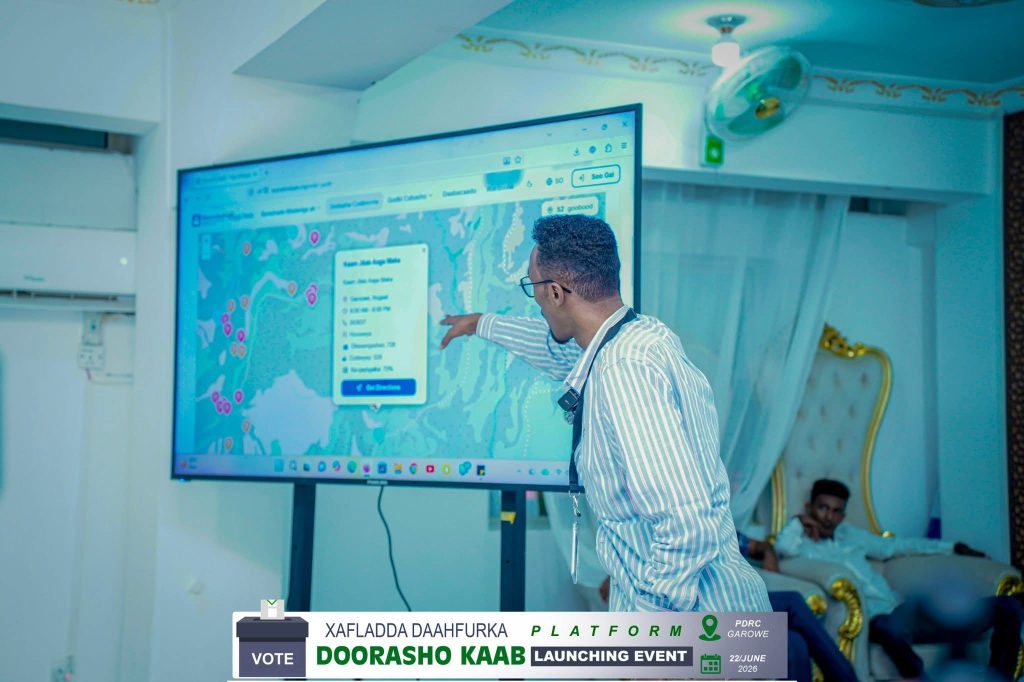
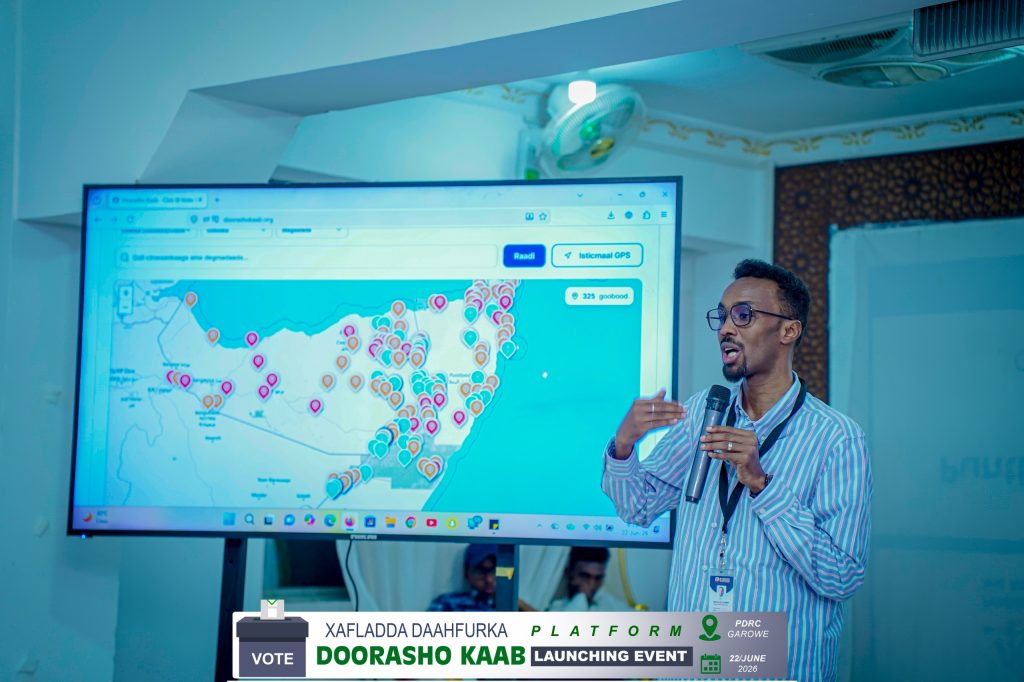
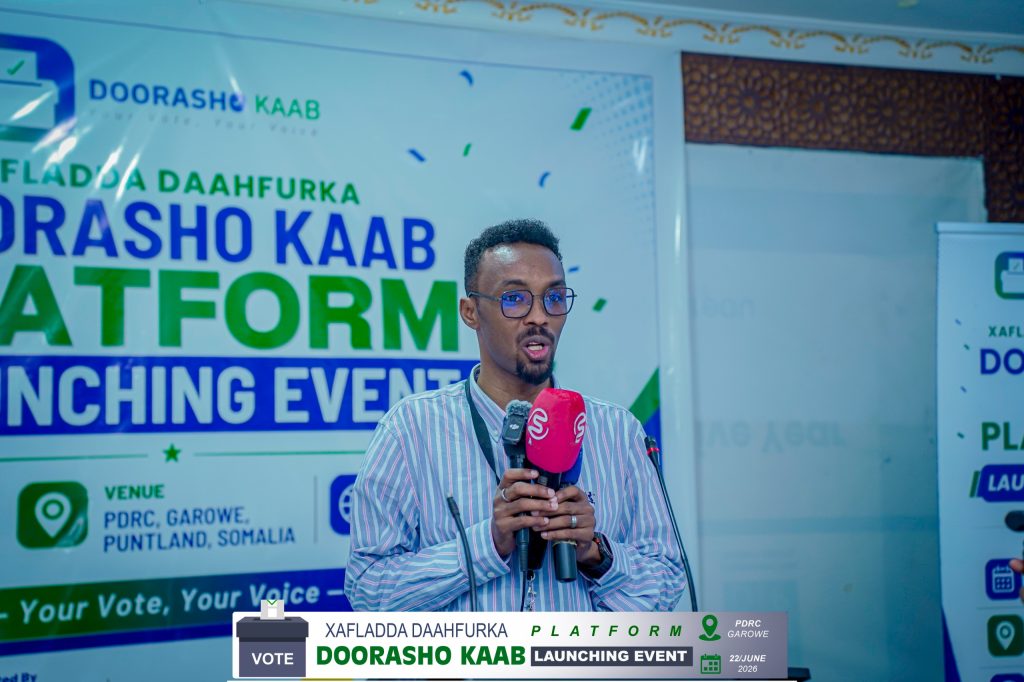
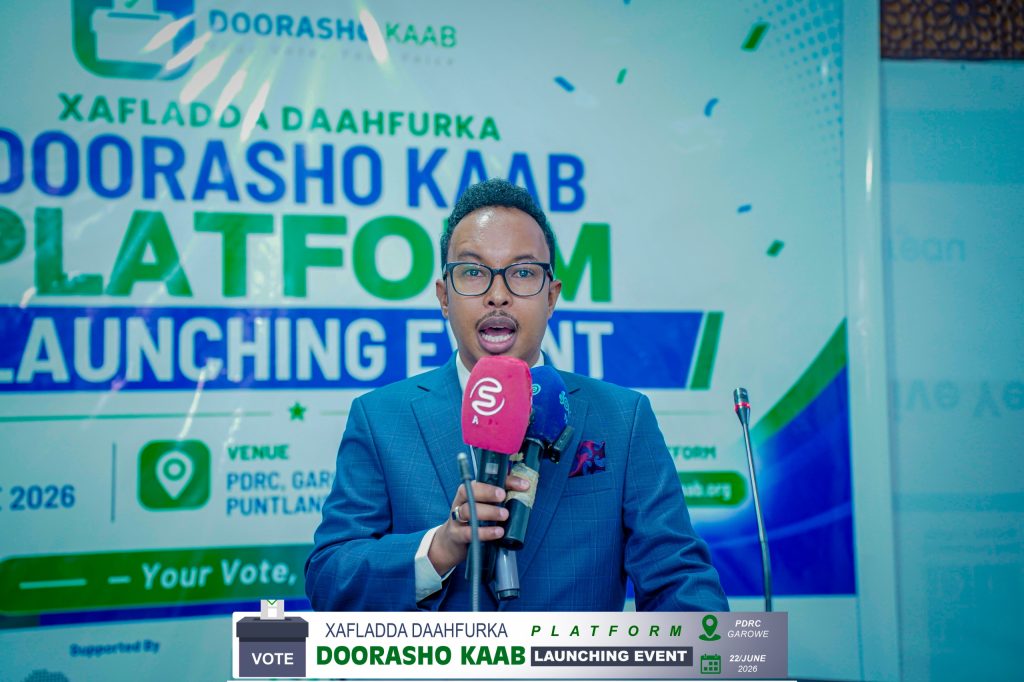
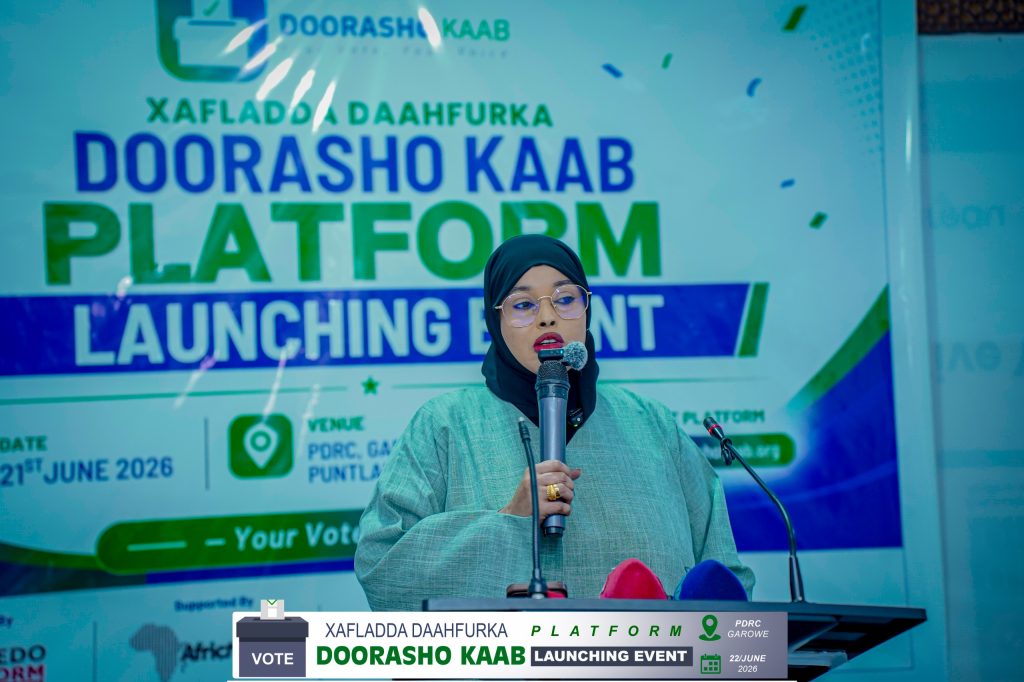
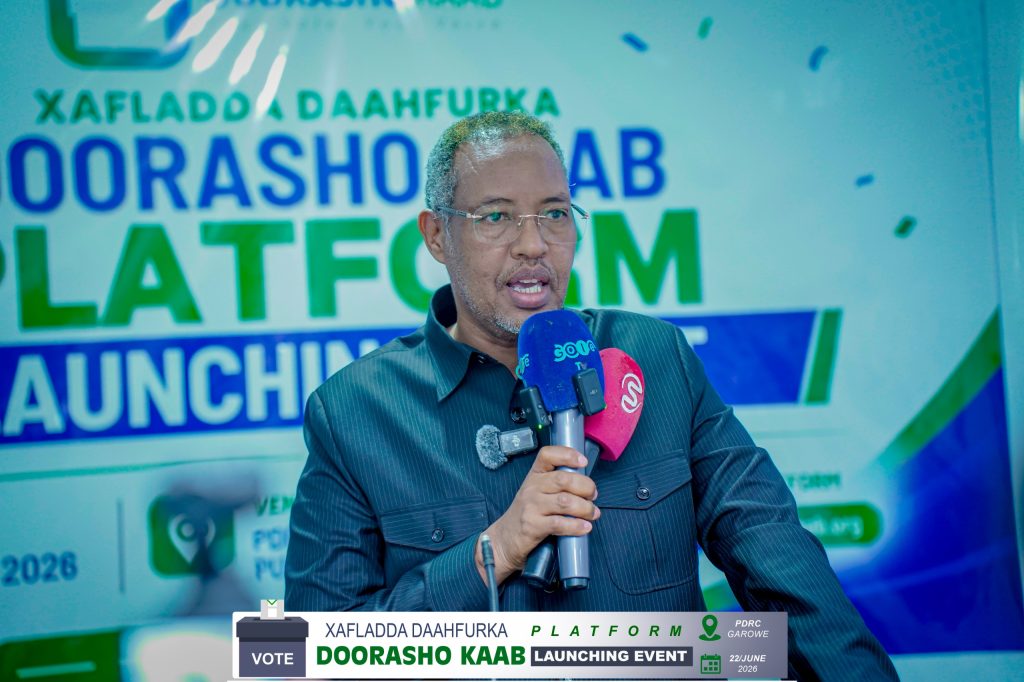
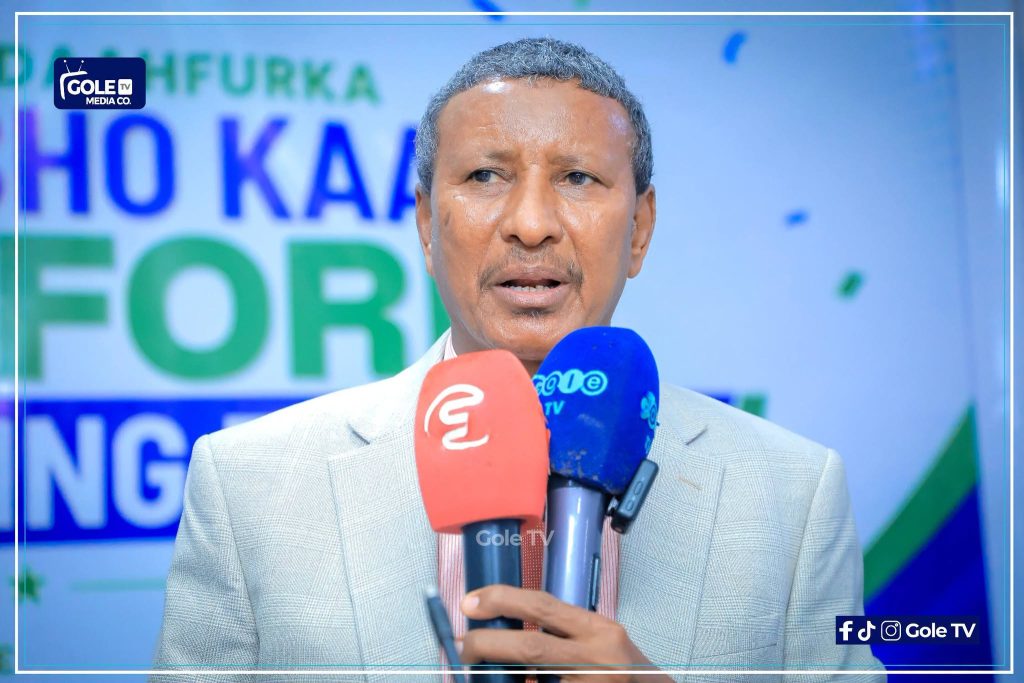
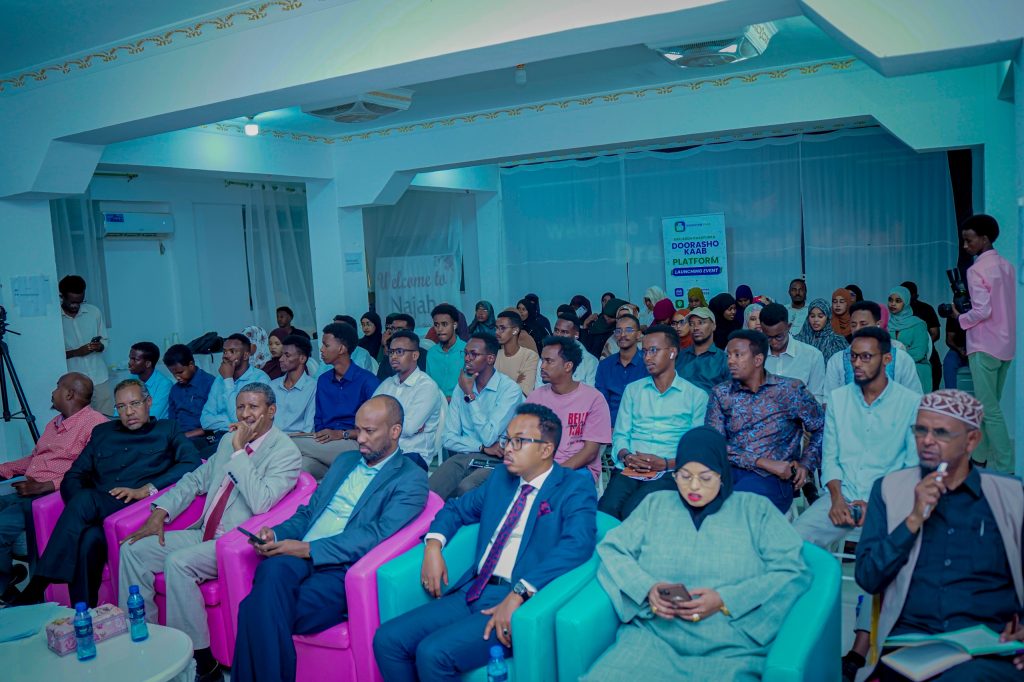
Garowe, Puntland – 22 June 2026 – Bareedo Platform Somalia, a youth-led civil society organization dedicated to promoting inclusive democracy and citizen participation, officially launched DoorashoKaab, an innovative civic technology platform designed to empower Somali citizens with accessible civic education, trusted voter information, and safe digital tools to learn, participate, and report during elections.
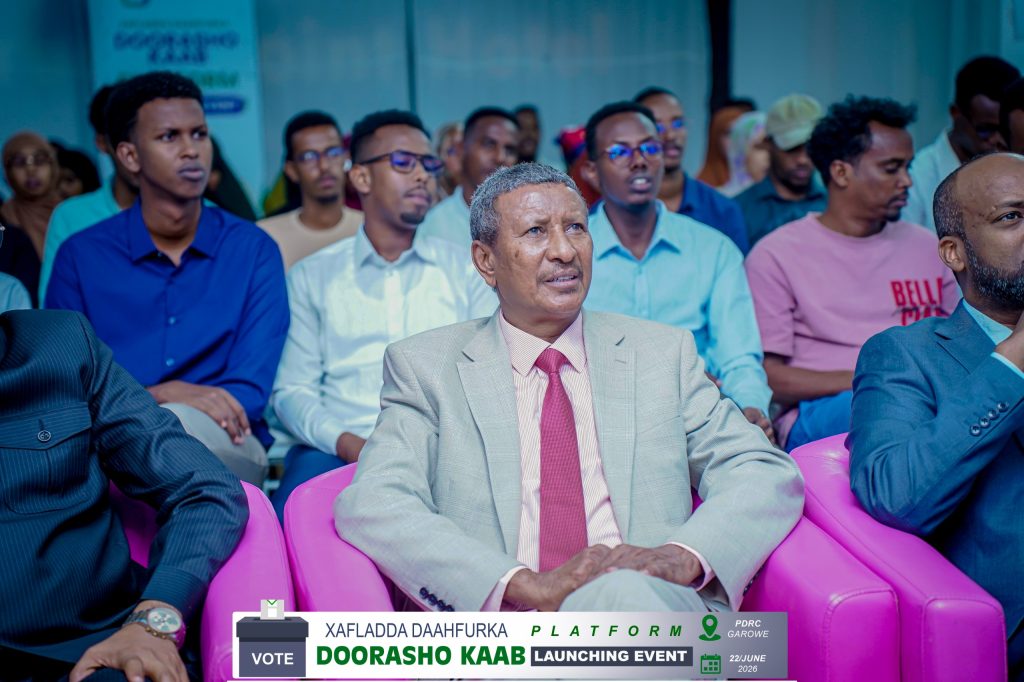
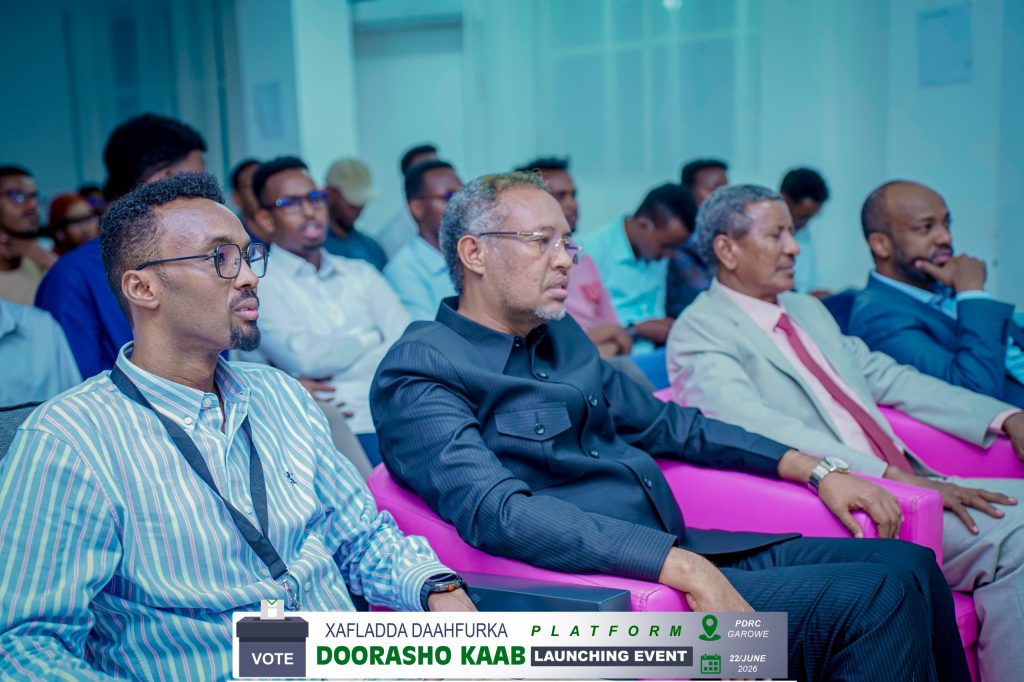
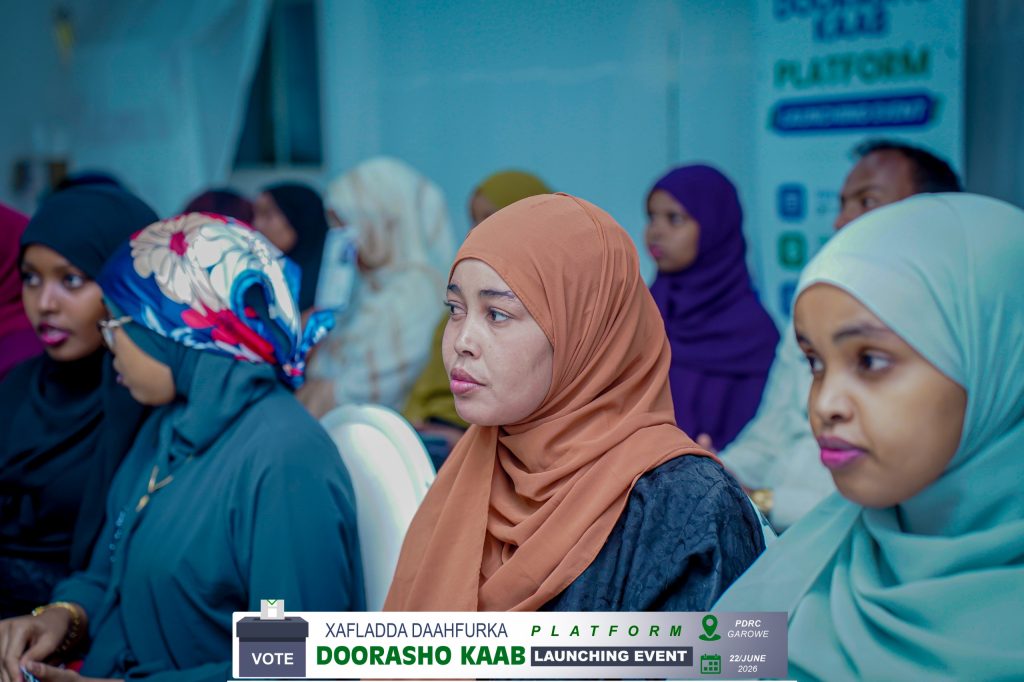
The official launch event was held at Dream Point Hotel in Garowe, Puntland, bringing together more than 50 representatives from government institutions, the electoral commission, political parties, civil society organizations, media outlets, youth networks, women-led organizations, and other key stakeholders committed to strengthening democratic governance in Somalia.
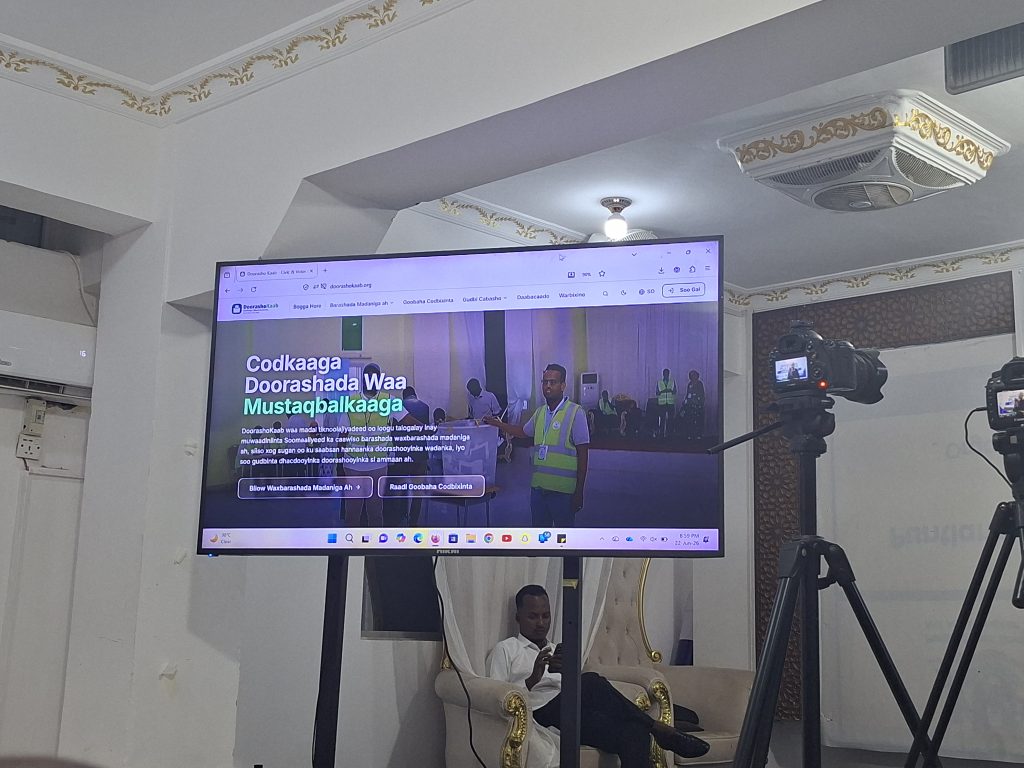
DoorashoKaab is a bilingual (Somali and English), open-source digital platform and mobile application developed by Bareedo Platform Somalia to address longstanding challenges in civic education, electoral participation, and transparency. Designed to operate effectively in low-bandwidth environments and accommodate varying levels of digital literacy, the platform provides accessible tools that enable citizens to participate more actively and confidently in democratic processes.
The platform was developed with support from the Election Civic Tech Fund of AfricTivistes, implemented through the AHEAD Africa and Digitalise Youth initiatives.
Speaking at the launch event, Abdikhayr Mohamed Hussein, Executive Director of Bareedo Platform Somalia, emphasized the need for innovative civic technology solutions in Somalia’s evolving democratic landscape.
“DoorashoKaab was developed in response to critical gaps in Somalia’s electoral ecosystem, particularly limited access to civic education, low and uneven participation among youth, women, and marginalized groups, declining public trust in electoral processes, and the increasing spread of misinformation. The platform also addresses the lack of safe and structured channels through which citizens can report electoral irregularities and engage meaningfully in democratic processes.”
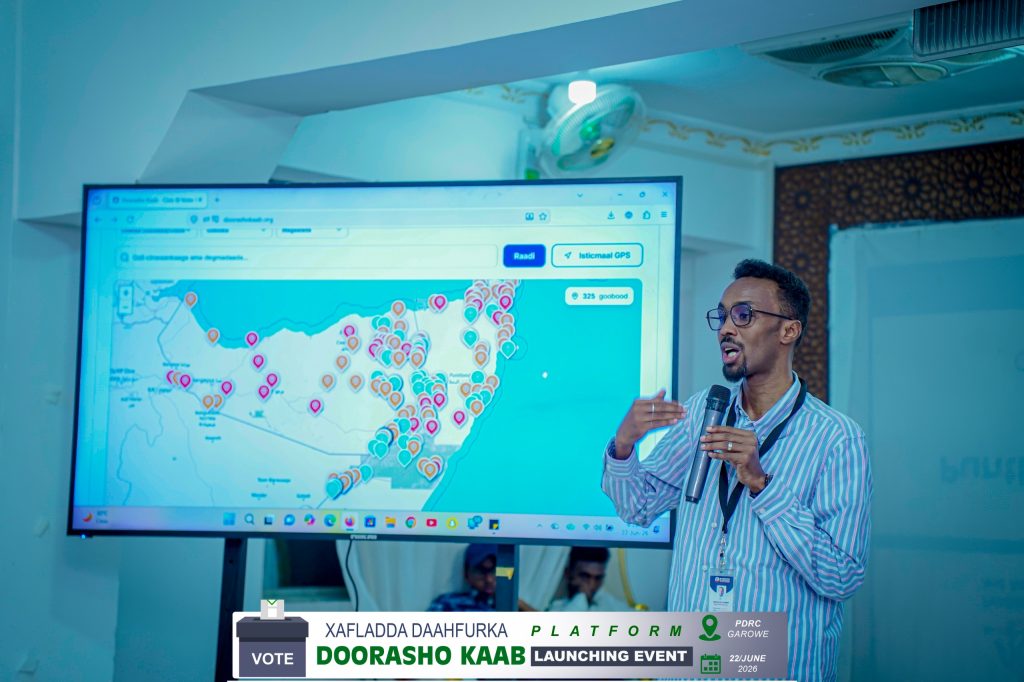
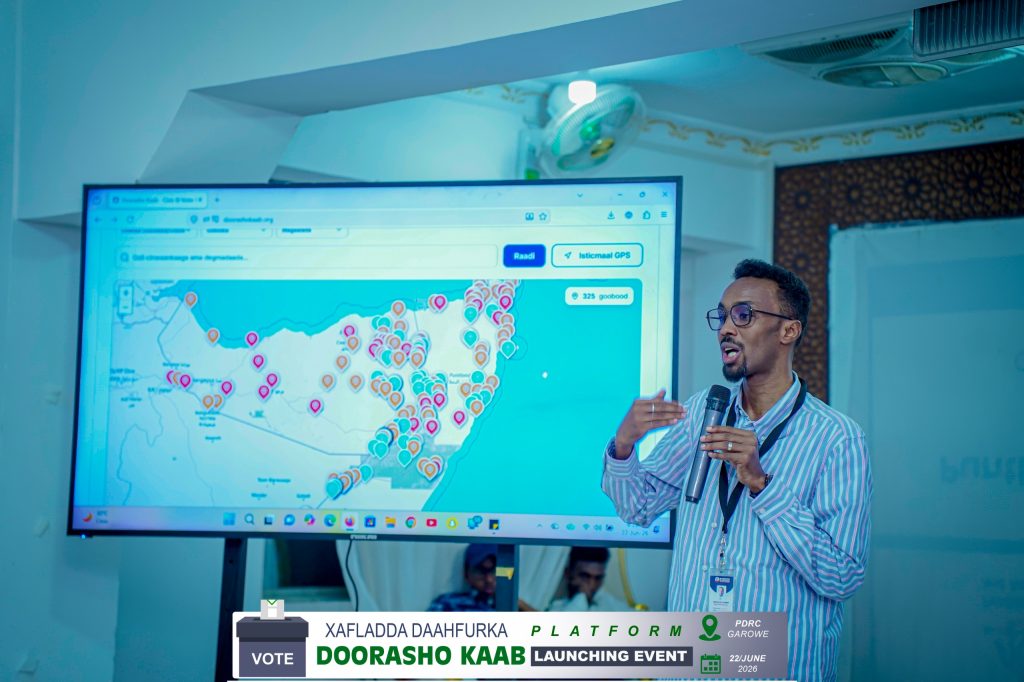
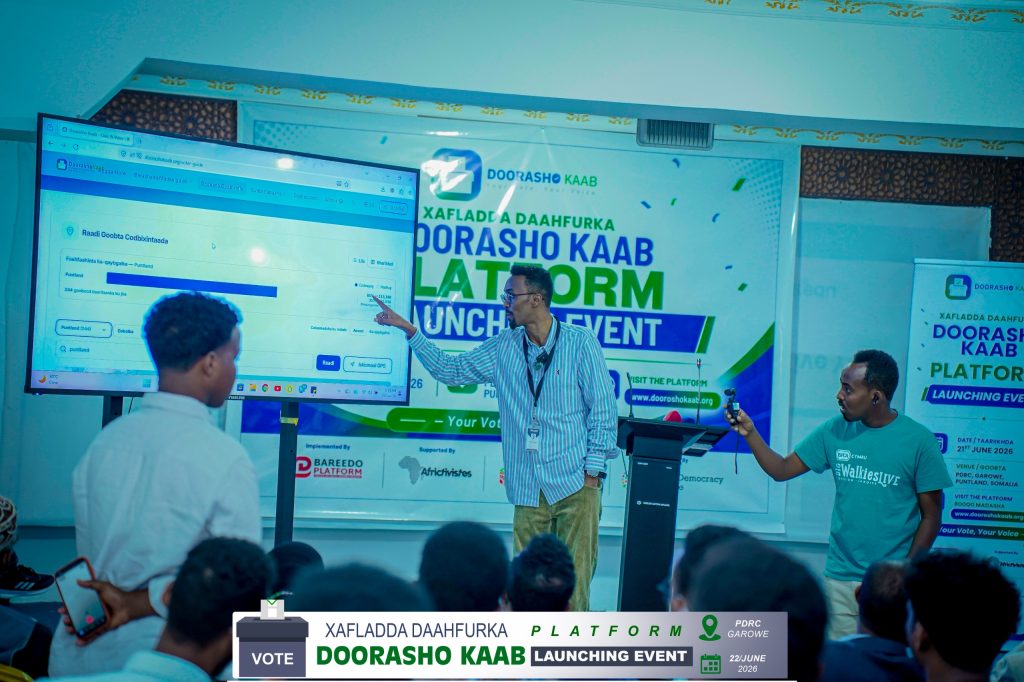
During the launch, Bareedo Platform presented the key features of DoorashoKaab, highlighting its role as a one-stop platform for civic learning, voter information, electoral transparency, and citizen engagement. The platforms consists of the following features:
Civic Education Section: The Civic Education Section provides a range of self-paced learning courses covering civic education, electoral processes, democratic participation, citizens’ rights and responsibilities, and safe electoral engagement. The platform also features a growing trained network of more than 150 Digital Civic Ambassadors based across Somalia who are leading grassroots civic education, voter awareness, and community engagement activities in their respective communities.
Polling Stations Section: The Polling Stations Section enables citizens to locate voting centers through interactive maps and searchable lists. It also provides information on registered voters, voter turnout, election schedules, polling locations, and verified election results. The platform presents election data and results from democratic elections held across Somalia in accessible visual formats.
Incident Reporting Section: The Incident Reporting Section allows citizens to safely report electoral concerns, irregularities, or incidents they witness before, during, and after elections. Users can submit reports through a simple digital form, attach supporting evidence, and receive a tracking number that enables them to follow the progress of their case while relevant authorities investigate and respond.
Resources Section: The Resources Section provides free access to election-related laws, policies, regulations, guidelines, procedures, and educational materials from the Federal Government of Somalia, Puntland, Somaliland, and other electoral institutions.
Updates Section: The Updates Section offers citizens access to verified election news, official announcements, reports, and real-time developments related to democratic processes across Somalia.
Stakeholders Welcome the Initiative
Following the presentation, participants commended Bareedo Platform Somalia for introducing an innovative tool that strengthens citizen participation and electoral transparency.
Ahmed Sahid, a youth representative from the Mustaqbal Political Party, praised the initiative and its potential impact on youth engagement.
“On behalf of young people and political parties, I commend Bareedo Platform for developing and launching DoorashoKaab. This is a timely and much-needed platform that will strengthen youth participation, democratic engagement, electoral transparency, and citizen involvement in Puntland and across Somalia.”
— Ahmed Sahid Youth Representative, Mustaqbal Political Party
Ifrah Abdinor, Executive Director of Midnimo Women Network, highlighted the platform’s potential to enhance women’s participation in elections.
“We warmly welcome this important initiative and see a significant opportunity for Somali women to participate more effectively and meaningfully in democratic and electoral processes.”
— Ifrah Abdinor Executive Director, Midnimo Women Network
H.E. Abdirahman Sheikh Ahmed, Puntland Minister of Labour and Social Affairs and member of Mideeye Political Party, expressed his appreciation for the platform’s extensive electoral information resources.
“I am impressed by the DoorashoKaab platform and appreciate Bareedo Platform for this remarkable initiative. The platform clearly demonstrates Puntland’s democratic progress, particularly through the availability of electoral laws, policies, and procedures, as well as information highlighting the strong voter turnout achieved in Puntland’s elections.”
— H.E. Abdirahman Sheikh Ahmed Minister of Labour and Social Affairs, Puntland
The platform was officially launched by H.E. Mohamud Aidid, Puntland Minister of Youth and Sports, who emphasized the importance of civic education in Somalia’s democratic transition.
“We highly appreciate this initiative and are particularly encouraged by the civic education component of the platform. Civic education is essential during this period of democratic transformation. I encourage young people to share DoorashoKaab widely within schools, universities, and youth networks so that more citizens can benefit from it.”
— H.E. Mohamud Aidid Minister of Youth and Sports, Puntland
Supporting Somalia’s Democratic Future
Bareedo Platform Somalia intends to continue expanding and strengthening DoorashoKaab so that citizens across all regions of Somalia can access civic learning resources, verified voter information, electoral updates, and safe reporting mechanisms through a single platform.
The organization believes that DoorashoKaab will contribute significantly to increasing the participation of youth, women, persons with disabilities, minority communities, and other underrepresented groups in democratic processes, while also promoting transparency, accountability, public trust, and informed citizen engagement.
As Somalia continues its democratic journey, civic technology initiatives such as DoorashoKaab offer new opportunities to connect citizens with democratic institutions and ensure that participation, transparency, and accountability remain at the center of electoral processes.
About Bareedo Platform Somalia
Bareedo Platform Somalia is a youth-led, non-profit organization established in 2015 to promote participatory democracy, civic engagement, open government, and digital rights in Somalia. Through innovation, technology, and citizen-centered approaches, the organization works to strengthen democratic governance and empower citizens to participate meaningfully in public affairs.
Electoral processes in Somalia remain fragile, marked by recurring delays, limited transparency, and low public trust in democratic institutions. The country has yet to fully implement a nationwide one-person-one-vote system, and participation continues to be constrained by a complex indirect electoral structure, ongoing insecurity, entrenched patriarchal norms, and limited access to civic education—particularly among youth, women, and marginalized communities.
Although young people make up over 75% of Somalia’s population, they remain significantly underrepresented in electoral decision-making and civic processes. Somalia ranks among the lowest globally in youth political participation. While youth-led activism is increasing, meaningful engagement in formal democratic processes remains limited. Even in contexts where local elections have taken place, participation has often been symbolic rather than substantive. In addition, the absence of accessible digital tools, high levels of digital illiteracy, limited access to reliable information, and the growing spread of misinformation continue to undermine inclusive democratic participation.
In response to these challenges, Bareedo Platform Somalia, a youth-led organization, has developed DoorashoKaab—a bilingual (Somali/English), user-friendly civic tech platform designed to empower Somali citizens with civic education, reliable voter information, and safe electoral incident reporting tools.
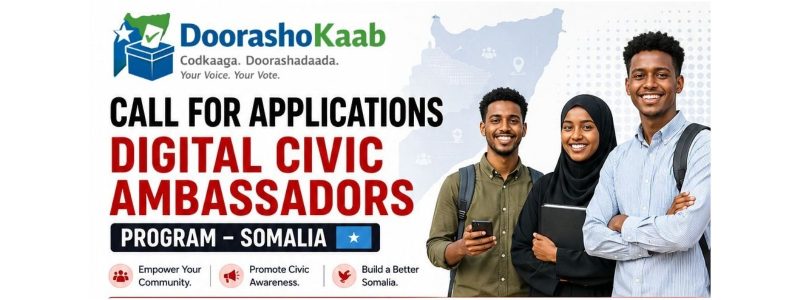
As part of its commitment to strengthening democratic participation and civic awareness across Somalia, Bareedo Platform is launching the Digital Civic Ambassadors and invites passionate Somali youth leaders to apply and become agents of change in their communities.
About Digital Civic Ambassadors
Digital Civic Ambassadors are young volunteers who lead grassroots, peer-to-peer civic and voter education initiatives within their communities. They play a vital role in promoting civic awareness and introducing the DoorashoKaab platform, helping expand its reach and impact across Somalia.
Who Are Digital Civic Ambassadors?
Civic Ambassadors are youth under the age of 35 who are:
Passionate about civic engagement and community development;
Committed to educating their peers on civic rights and responsibilities;
Interested in promoting informed participation in democratic processes in Somalia;
Active in using online platforms, including DoorashoKaab.
Training & Capacity Building
Selected ambassadors will participate in a structured and intensive training program delivered through the DoorashoKaab platform. The training includes:
Civic Ambassador Certification Course
Leadership and community engagement training
Core civic education modules
Digital literacy and misinformation awareness
Safe and ethical civic engagement practices
Hands-on training on using and promoting the DoorashoKaab platform
👉 Upon successful completion, participants will receive an official certification.
What Will Ambassadors Do?
After completing the training, Digital Civic Ambassadors will:
Lead community-based civic education activities, including peer-to-peer learning sessions in their respective locations across Somalia;
Promote and support the use of the DoorashoKaab platform at the grassroots level;
Organize youth-focused civic and election-related discussions and awareness campaigns;
Counter misinformation by sharing accurate and verified civic and voter information;
Support communities in identifying and reporting false or misleading information;
Coordinate their activities through the DoorashoKaab community network;
Collect community insights and provide feedback to improve the platform and better respond to the needs of Somali citizens.
Why Join the Program?
As a Digital Civic Ambassador, you will:
Gain valuable leadership and communication skills
Receive certified training in civic engagement
Join a national network of young changemakers in Somalia
Contribute to democracy, transparency, and peacebuilding processes in Somalia
Build experience for future career and leadership opportunities
Who Can Apply?
Applicants must meet the following criteria:
Be Somali youth aged 18–35 years;
Have a strong interest in civic education and community engagement;
Reside in Puntland, Jubaland, Hirshabelle, Galmudug, Southwest, Northeast, or the Benadir region;
Possess basic digital skills, including the use of smartphones and social media platforms;
Be willing and able to commit time to training and community outreach activities in their respective locations.
How to Apply
To apply for the Digital Civic Ambassadors Program, please follow these steps:
Submit a brief motivation statement explaining your interest in the program
Upload a recent passport-size photo
Wait for the selection and confirmation process. Shortlisted candidates will be officially invited to join the program and participate in the training.
Somalia’s electoral processes remain highly fragile, marked by recurring delays, limited transparency, and low public trust in democratic institutions. Decades after the collapse of centralized governance, the country has yet to implement a nationwide one-person-one-vote electoral system. Instead, participation continues to be constrained by a complex indirect voting structure, ongoing insecurity, deeply rooted patriarchal norms, and the widespread absence of civic education—particularly among young people.
This challenge is especially significant considering that youth account for more than 75% of Somalia’s population. Despite their demographic majority, Somali youth remain marginalized and largely excluded from electoral decision-making, placing the country among those with the lowest levels of youth political participation globally. Although youth-led activism has been steadily growing, their involvement in formal electoral processes remains limited. Even where democratic local elections have been conducted, youth participation has often been symbolic rather than substantive.
At the same time, Somalia faces a growing digital divide that further complicates civic engagement. The country lacks the digital tools and infrastructure necessary to empower meaningful youth participation in democratic processes. High levels of digital illiteracy, limited access to reliable information, and the increasing spread of disinformation continue to undermine democratic progress and public trust in electoral institutions.
Introducing DoorashoKaab: A Civic Technology Solution
In response to these challenges, Bareedo Platform—an initiative committed to strengthening civic engagement and democratic participation—has launched the development of DoorashoKaab, a civic technology platform designed to promote and strengthen meaningful youth participation in Somalia’s electoral processes.
The initiative is supported by AfricTivistes, a pan-African organization dedicated to promoting democracy, digital rights, and civic engagement across the continent. Through this partnership, DoorashoKaab aims to address key barriers to participation, including the lack of accessible civic education, limited youth engagement, low trust in electoral institutions, and the growing problem of electoral disinformation.
DoorashoKaab is envisioned as a digital civic space that will provide accessible voter education, reliable electoral information, and tools for citizen engagement, ensuring that Somali youth are better informed and able to participate meaningfully in democratic processes.
Youth Consultations to Shape the Platform
To ensure that the platform reflects the needs and realities of Somali youth, Bareedo Platform organized four consultation sessions in Garowe, Galkacyo, and Mogadishu in January 2026. More than 80 youth participants took part in the discussions, offering valuable insights on the platform’s features, design, content needs, and accessibility.
These consultations played a critical role in shaping the development of DoorashoKaab. Participants emphasized that the platform should focus primarily on civic education, voter information, and real-time reporting of electoral incidents. In addition, the platform should serve as a central hub for general updates and information related to elections across Somalia, covering both federal and state-level electoral processes.
Key Recommendations from Youth Participants
The youth consultations generated a number of important recommendations that will guide the development of the platform:
Accessible Civic Education: DoorashoKaab should prioritize civic education content, voter guidance, and reliable election updates in a simple and understandable format, particularly in the Somali language.
Low-Bandwidth Optimization: Given Somalia’s connectivity challenges, the platform must function effectively in low-bandwidth environments and remain accessible in areas with limited internet connectivity.
Inclusive Communication Formats: To reach citizens who cannot read or have limited literacy skills, the platform should include simplified election information delivered through animations or audio explanations.
Lightweight Content: Participants recommended avoiding large or heavy files such as high-resolution videos that could slow down the platform or limit accessibility.
Transparent Resources: Any documents uploaded to the platform—such as election policies, procedures, and guidelines—should clearly indicate their source or owner. The platform should also allow users to report outdated documents.
Downloadable Resources: Educational materials, electoral guidelines, and other resources should be downloadable so users can access them offline on their mobile devices.
Secure and Confidential Reporting: The platform should allow users to report election-related incidents anonymously or by name, while ensuring that personal information such as names and contact details is not publicly displayed.
Youth Advisory Mechanism: Participants recommended establishing a youth advisory committee and discussion forums to further promote citizen engagement and digital innovation in electoral participation.
Data and Accountability: DoorashoKaab should publish quarterly or annual bulletins presenting data on platform usage, civic engagement trends, challenges, and improvements. These reports could help inform policymakers and stakeholders about the progress of youth participation in elections.
Impartial and Inclusive Governance: To maintain trust, the platform must remain impartial, fair, and accessible to all federal member states. It should avoid influence or manipulation by political actors.
Civil Society Ownership: Participants strongly emphasized that the platform should be managed and maintained by Bareedo Platform in collaboration with civil society and youth groups. Transferring full control to government electoral bodies could risk ineffective maintenance, reduced transparency, or potential manipulation of information.
Moving Forward
Bareedo Platform will incorporate the insights and recommendations gathered during the consultations into the ongoing development of DoorashoKaab. The goal is to build a civic technology platform that is accessible, inclusive, secure, and responsive to the needs of Somali youth.
By leveraging digital tools to provide credible information, civic education, and citizen reporting mechanisms, DoorashoKaab has the potential to strengthen democratic participation and rebuild trust in electoral processes in Somalia.
The consultation process was led by a team headed by Mr. Abdirahman Mohamed Hassan, a civic education expert with over 14 years of experience in civic education, community outreach, and electoral processes. His leadership ensured that the discussions were grounded in both practical electoral experience and the realities facing Somali youth today.
As Somalia continues its gradual path toward democratic reform, initiatives like DoorashoKaab demonstrate how civic technology can play a transformative role in bridging the gap between citizens and democratic institutions—particularly for the country’s largest and most dynamic demographic: its youth.