Somalia’s electoral processes remain highly fragile, marked by recurring delays, limited transparency, and low public trust in democratic institutions. Decades after the collapse of centralized governance, the country has yet to implement a nationwide one-person-one-vote electoral system. Instead, participation continues to be constrained by a complex indirect voting structure, ongoing insecurity, deeply rooted patriarchal norms, and the widespread absence of civic education—particularly among young people.
This challenge is especially significant considering that youth account for more than 75% of Somalia’s population. Despite their demographic majority, Somali youth remain marginalized and largely excluded from electoral decision-making, placing the country among those with the lowest levels of youth political participation globally. Although youth-led activism has been steadily growing, their involvement in formal electoral processes remains limited. Even where democratic local elections have been conducted, youth participation has often been symbolic rather than substantive.
At the same time, Somalia faces a growing digital divide that further complicates civic engagement. The country lacks the digital tools and infrastructure necessary to empower meaningful youth participation in democratic processes. High levels of digital illiteracy, limited access to reliable information, and the increasing spread of disinformation continue to undermine democratic progress and public trust in electoral institutions.
Introducing DoorashoKaab: A Civic Technology Solution
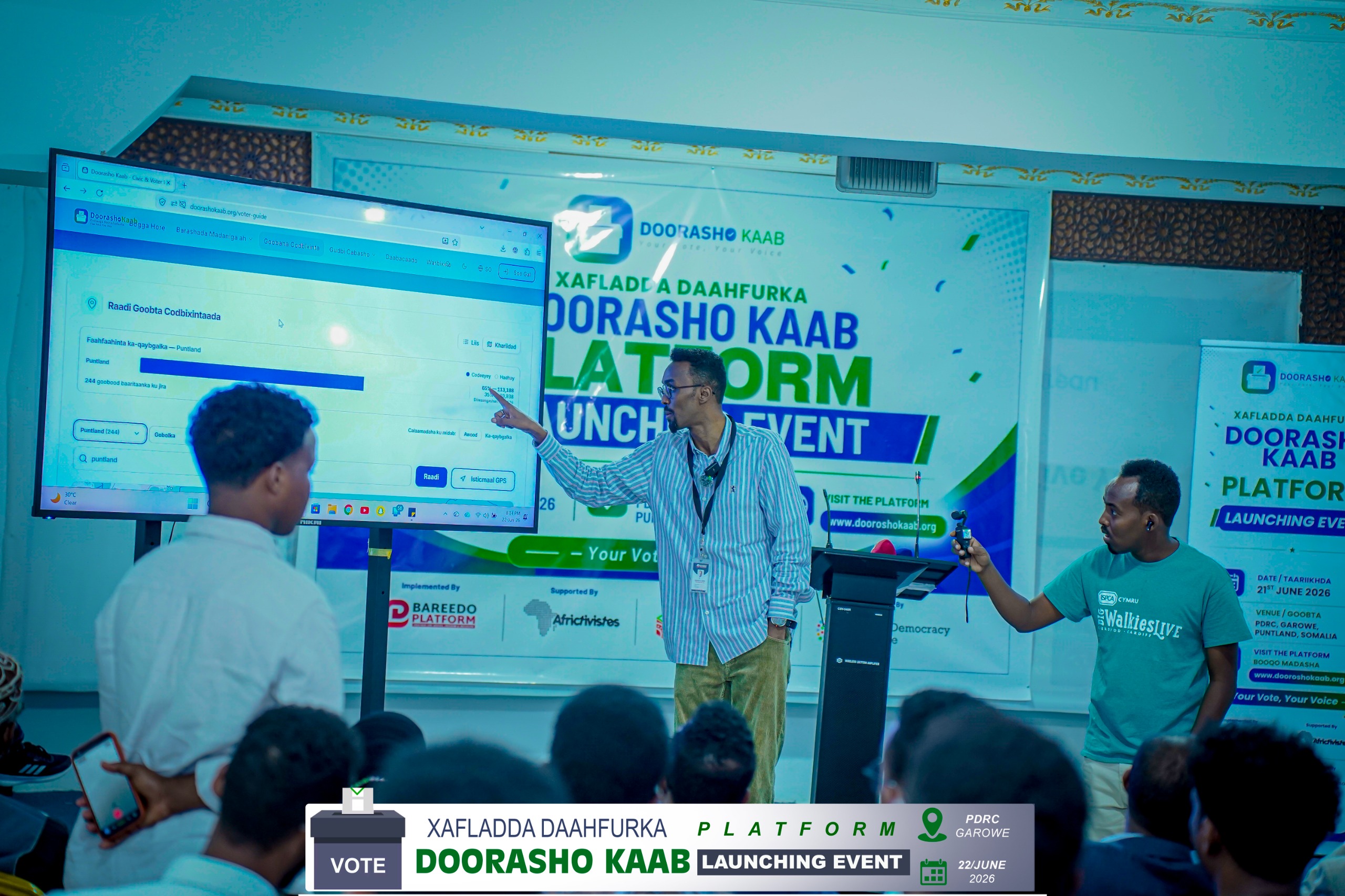
In response to these challenges, Bareedo Platform—an initiative committed to strengthening civic engagement and democratic participation—has launched the development of DoorashoKaab, a civic technology platform designed to promote and strengthen meaningful youth participation in Somalia’s electoral processes.
The initiative is supported by AfricTivistes, a pan-African organization dedicated to promoting democracy, digital rights, and civic engagement across the continent. Through this partnership, DoorashoKaab aims to address key barriers to participation, including the lack of accessible civic education, limited youth engagement, low trust in electoral institutions, and the growing problem of electoral disinformation.
DoorashoKaab is envisioned as a digital civic space that will provide accessible voter education, reliable electoral information, and tools for citizen engagement, ensuring that Somali youth are better informed and able to participate meaningfully in democratic processes.
Youth Consultations to Shape the Platform
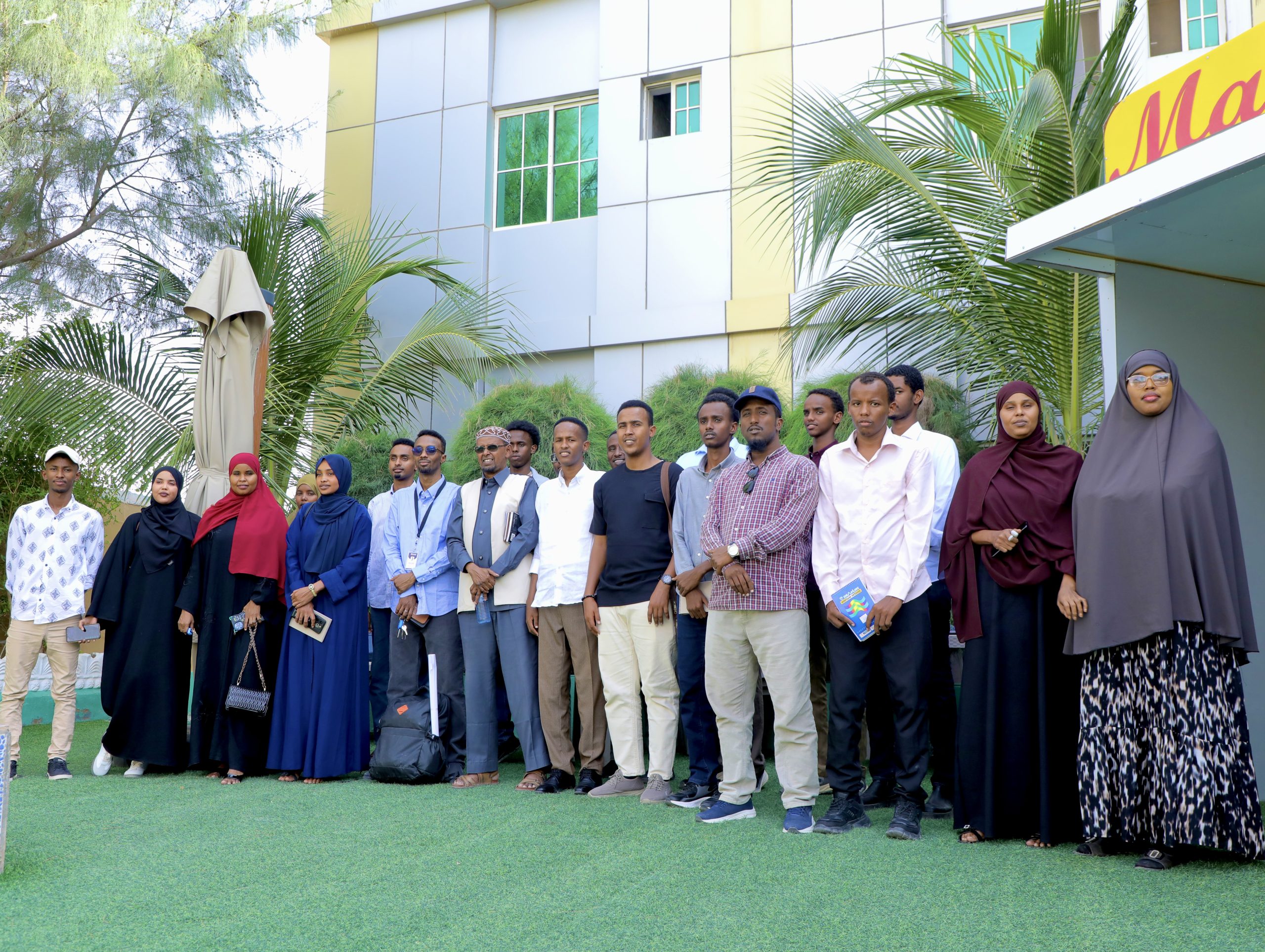
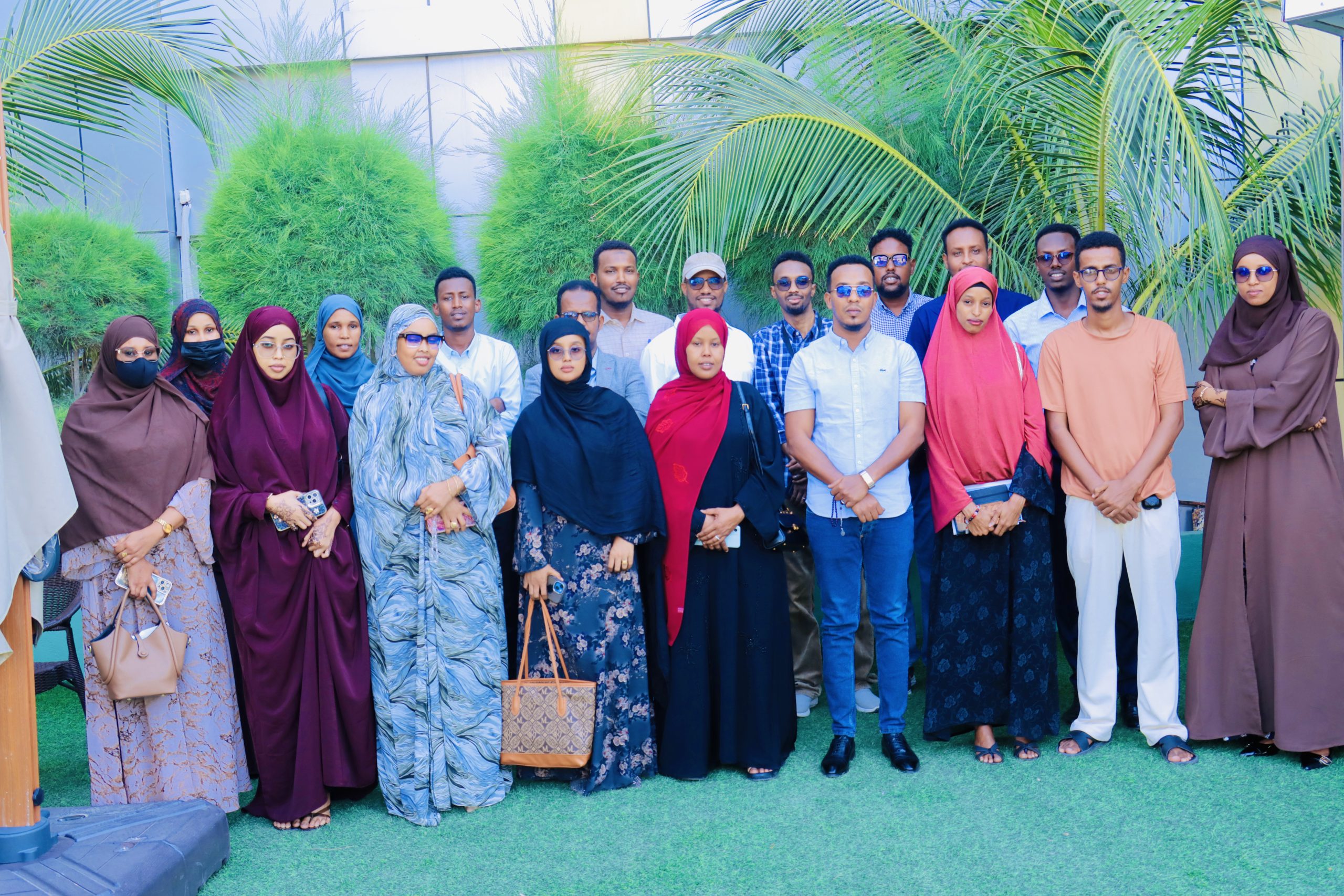
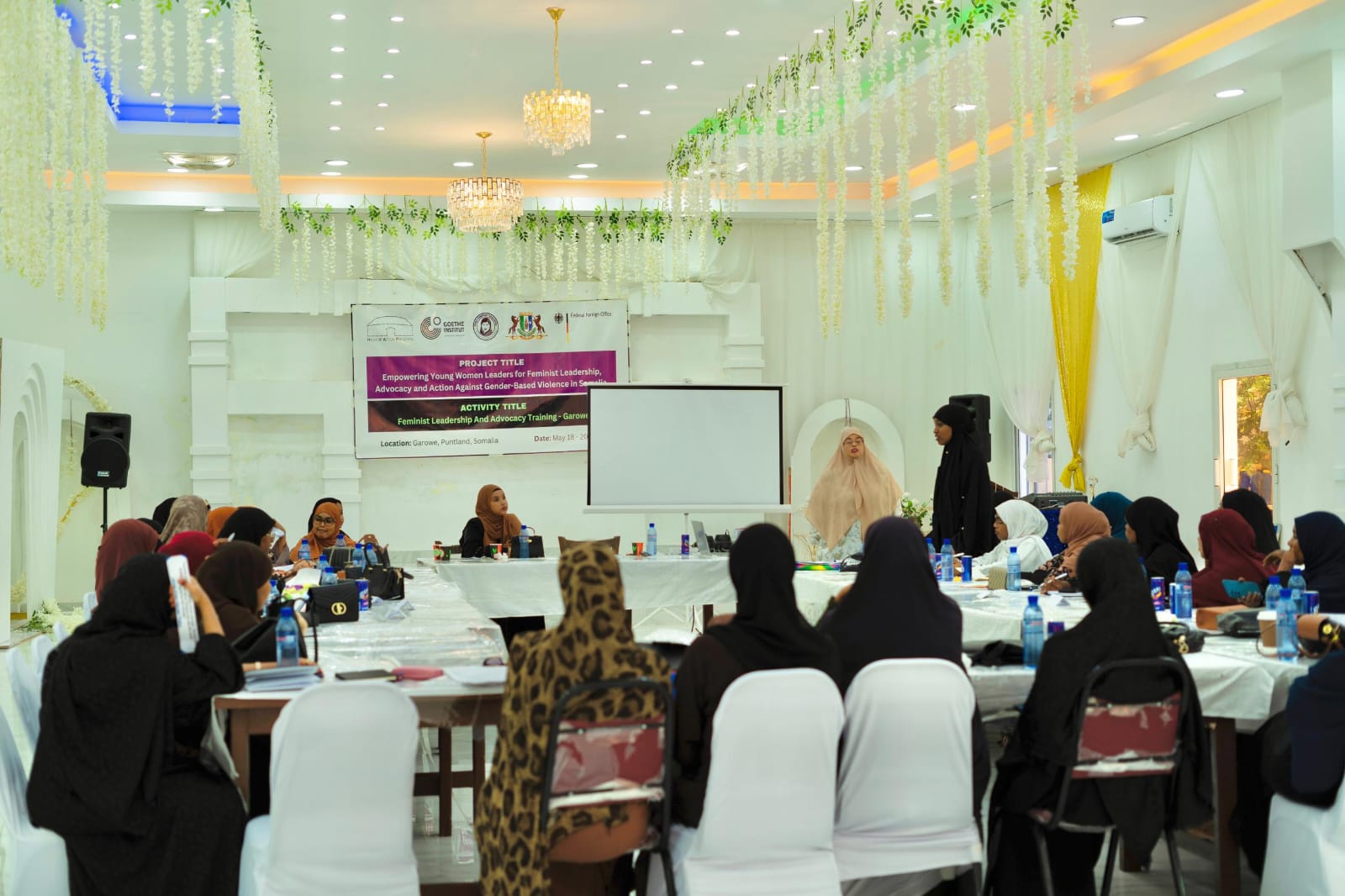
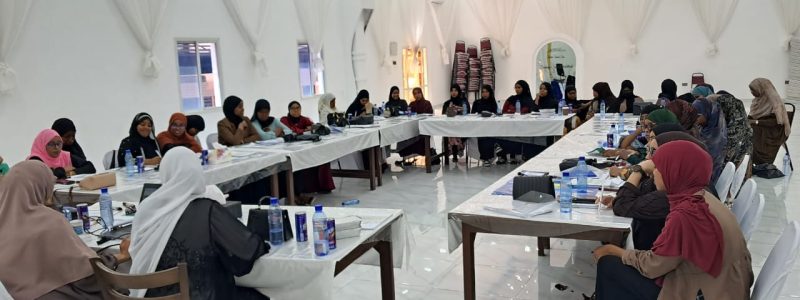
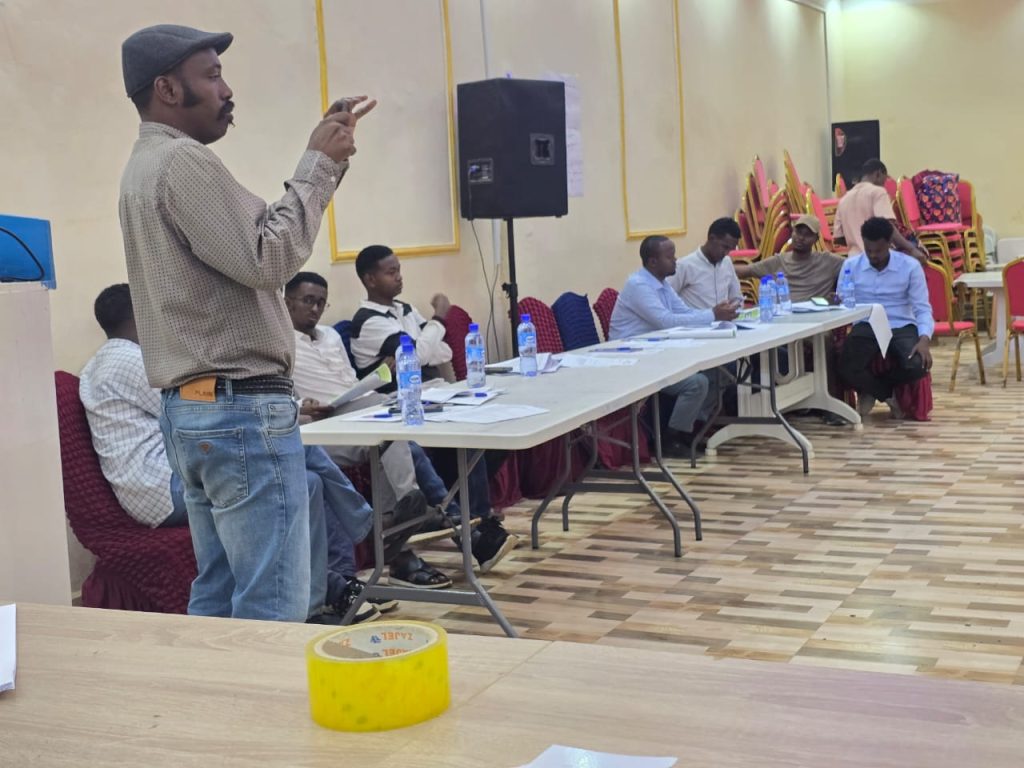
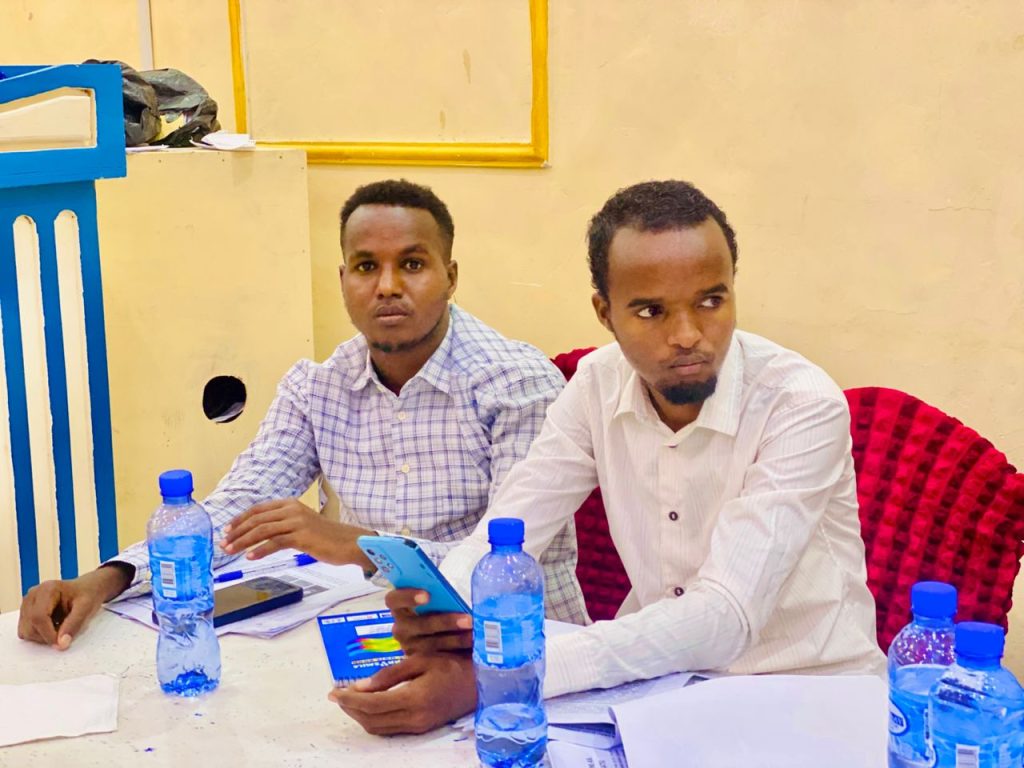
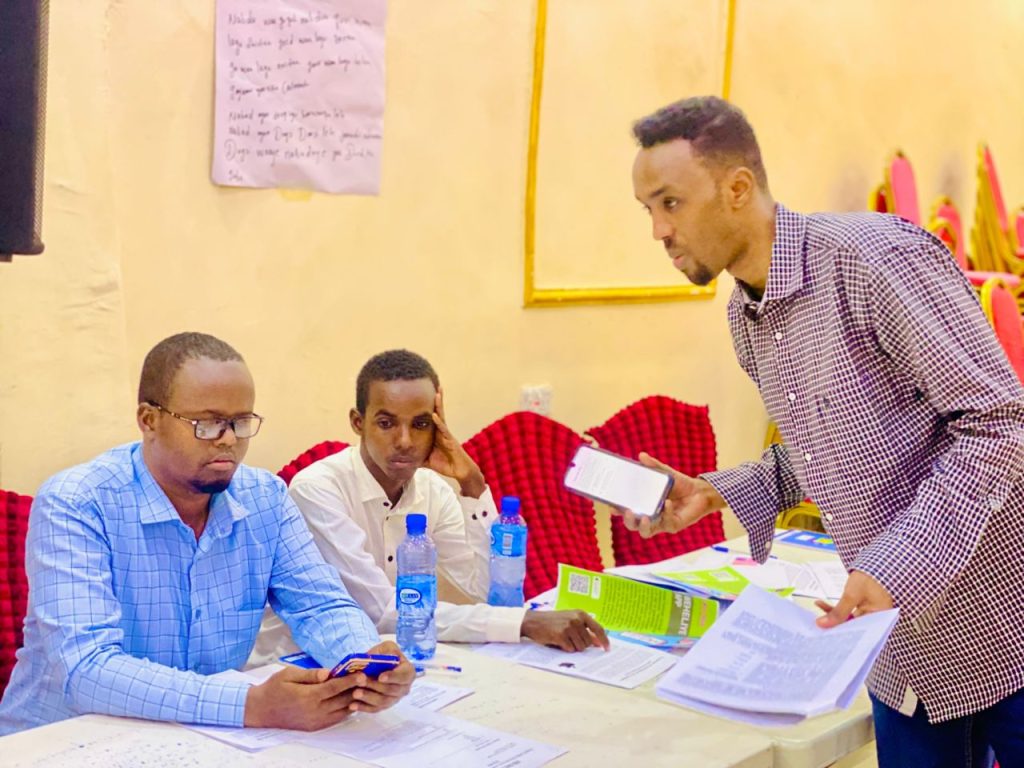
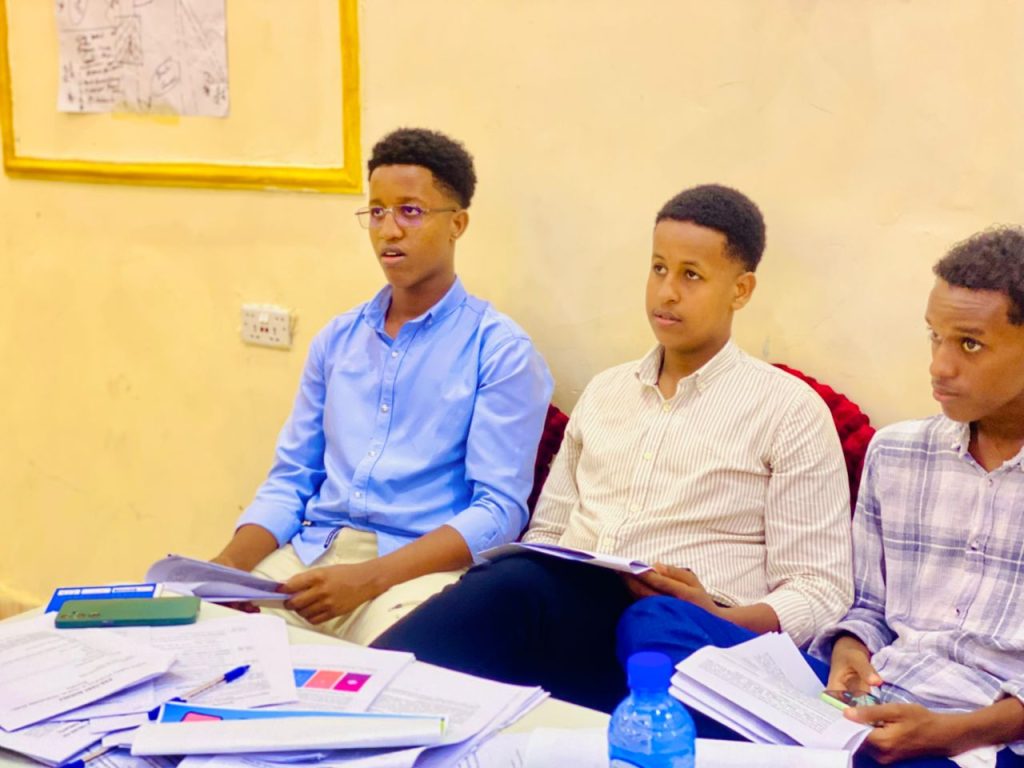
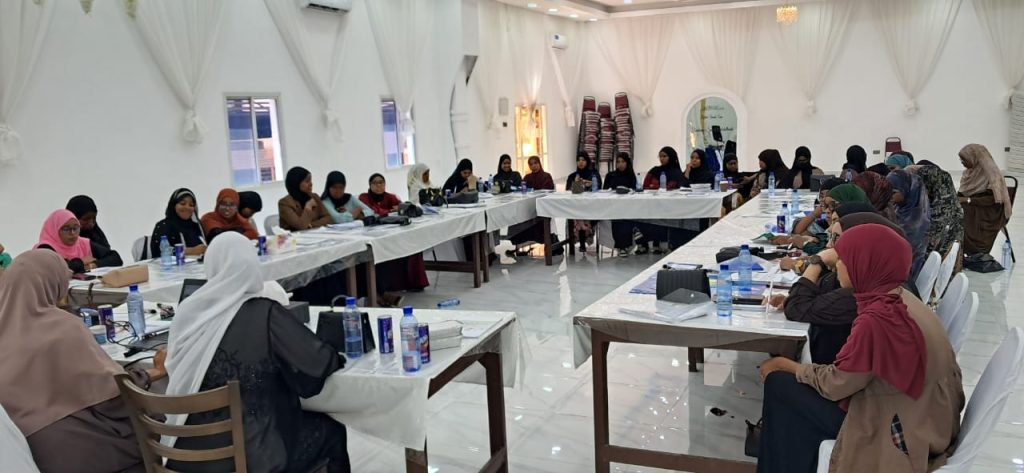
To ensure that the platform reflects the needs and realities of Somali youth, Bareedo Platform organized four consultation sessions in Garowe, Galkacyo, and Mogadishu in January 2026. More than 80 youth participants took part in the discussions, offering valuable insights on the platform’s features, design, content needs, and accessibility.
These consultations played a critical role in shaping the development of DoorashoKaab. Participants emphasized that the platform should focus primarily on civic education, voter information, and real-time reporting of electoral incidents. In addition, the platform should serve as a central hub for general updates and information related to elections across Somalia, covering both federal and state-level electoral processes.



Key Recommendations from Youth Participants
The youth consultations generated a number of important recommendations that will guide the development of the platform:
- Accessible Civic Education: DoorashoKaab should prioritize civic education content, voter guidance, and reliable election updates in a simple and understandable format, particularly in the Somali language.
- Low-Bandwidth Optimization: Given Somalia’s connectivity challenges, the platform must function effectively in low-bandwidth environments and remain accessible in areas with limited internet connectivity.
- Inclusive Communication Formats: To reach citizens who cannot read or have limited literacy skills, the platform should include simplified election information delivered through animations or audio explanations.
- Lightweight Content: Participants recommended avoiding large or heavy files such as high-resolution videos that could slow down the platform or limit accessibility.
- Transparent Resources: Any documents uploaded to the platform—such as election policies, procedures, and guidelines—should clearly indicate their source or owner. The platform should also allow users to report outdated documents.
- Downloadable Resources: Educational materials, electoral guidelines, and other resources should be downloadable so users can access them offline on their mobile devices.
- Secure and Confidential Reporting: The platform should allow users to report election-related incidents anonymously or by name, while ensuring that personal information such as names and contact details is not publicly displayed.
- Youth Advisory Mechanism: Participants recommended establishing a youth advisory committee and discussion forums to further promote citizen engagement and digital innovation in electoral participation.
- Data and Accountability: DoorashoKaab should publish quarterly or annual bulletins presenting data on platform usage, civic engagement trends, challenges, and improvements. These reports could help inform policymakers and stakeholders about the progress of youth participation in elections.
- Impartial and Inclusive Governance: To maintain trust, the platform must remain impartial, fair, and accessible to all federal member states. It should avoid influence or manipulation by political actors.
- Civil Society Ownership: Participants strongly emphasized that the platform should be managed and maintained by Bareedo Platform in collaboration with civil society and youth groups. Transferring full control to government electoral bodies could risk ineffective maintenance, reduced transparency, or potential manipulation of information.

Moving Forward
Bareedo Platform will incorporate the insights and recommendations gathered during the consultations into the ongoing development of DoorashoKaab. The goal is to build a civic technology platform that is accessible, inclusive, secure, and responsive to the needs of Somali youth.
By leveraging digital tools to provide credible information, civic education, and citizen reporting mechanisms, DoorashoKaab has the potential to strengthen democratic participation and rebuild trust in electoral processes in Somalia.
The consultation process was led by a team headed by Mr. Abdirahman Mohamed Hassan, a civic education expert with over 14 years of experience in civic education, community outreach, and electoral processes. His leadership ensured that the discussions were grounded in both practical electoral experience and the realities facing Somali youth today.
As Somalia continues its gradual path toward democratic reform, initiatives like DoorashoKaab demonstrate how civic technology can play a transformative role in bridging the gap between citizens and democratic institutions—particularly for the country’s largest and most dynamic demographic: its youth.