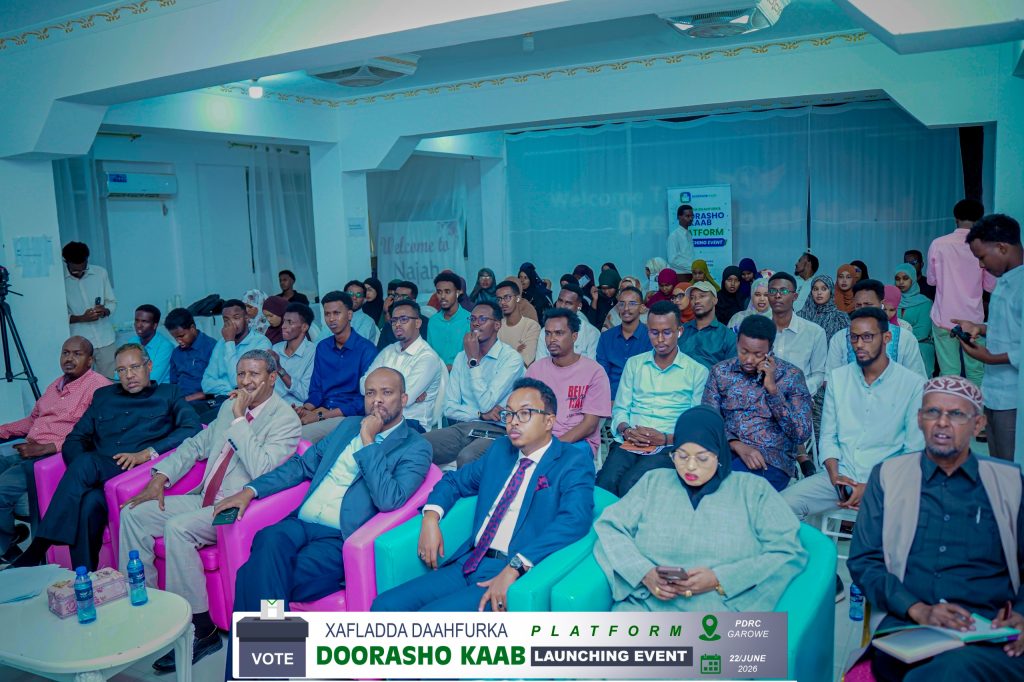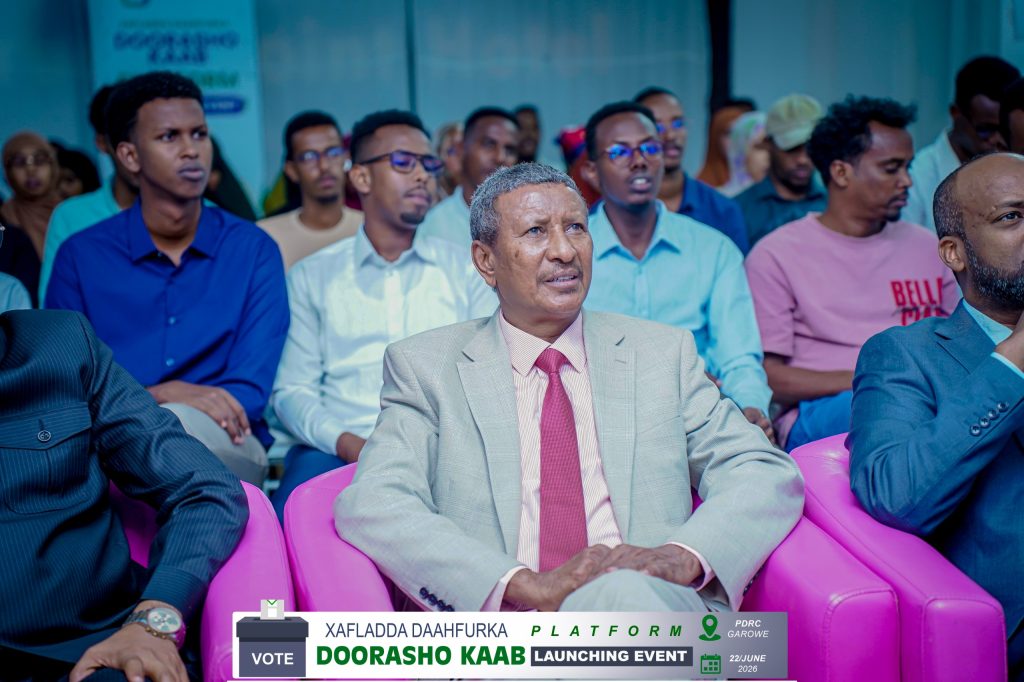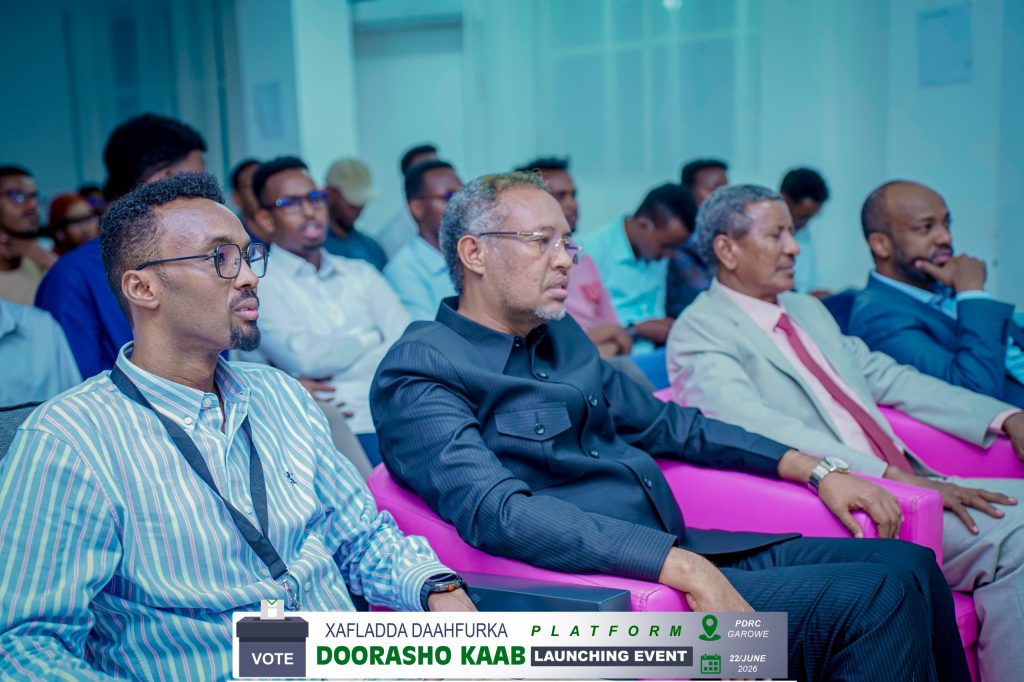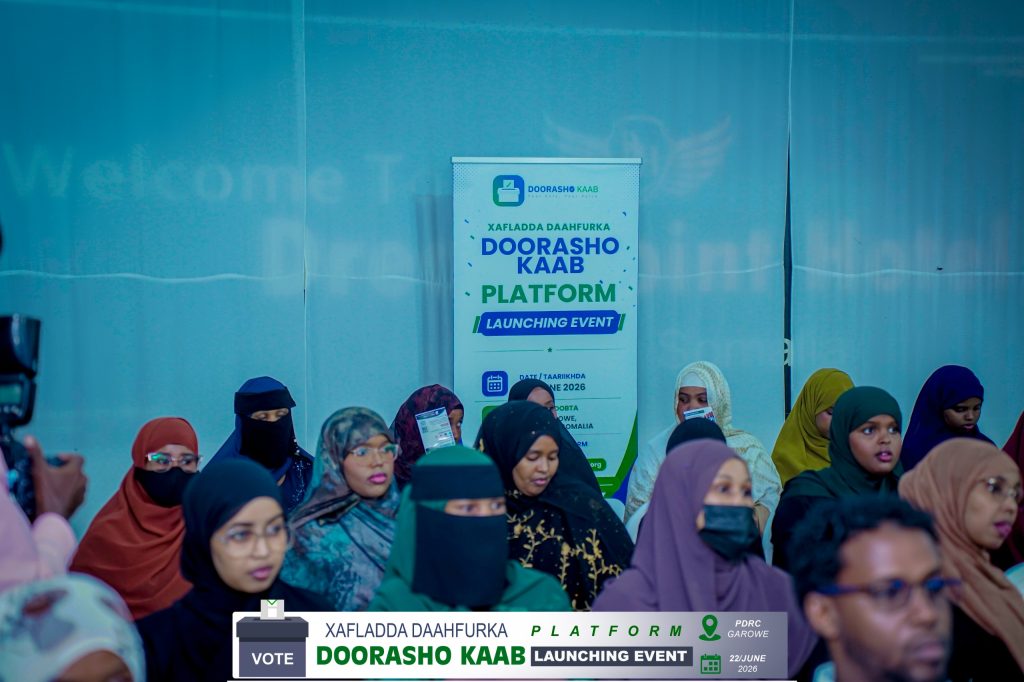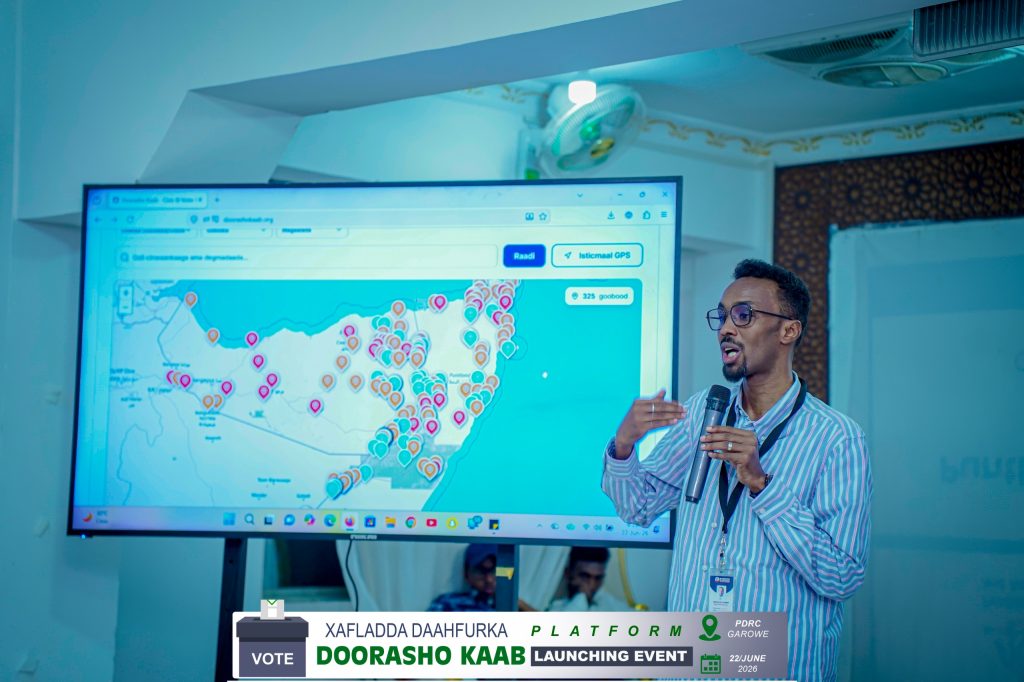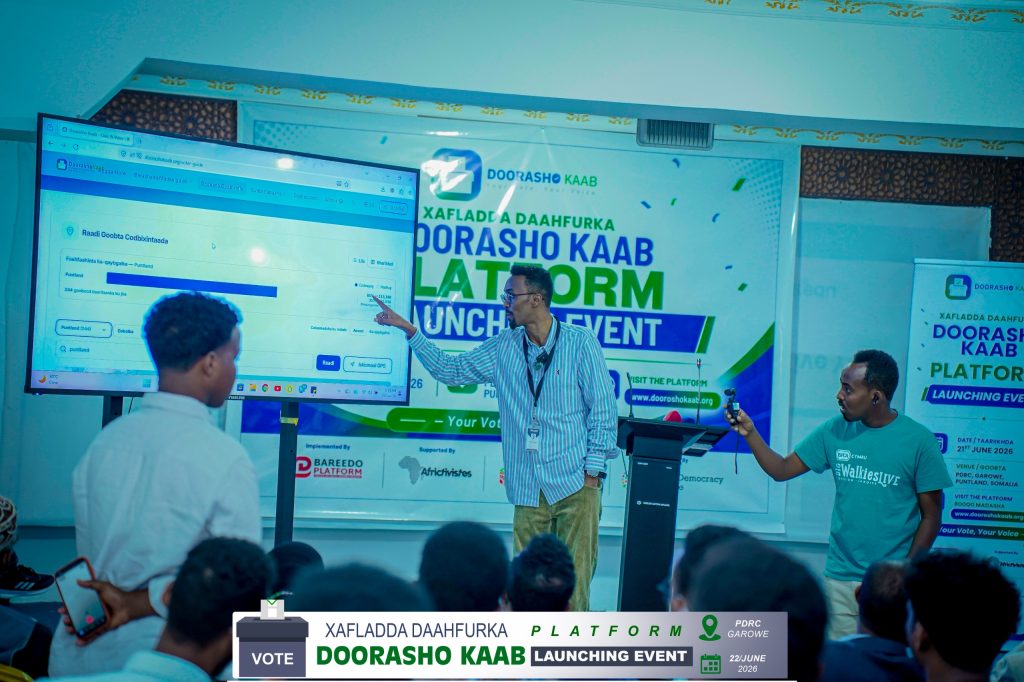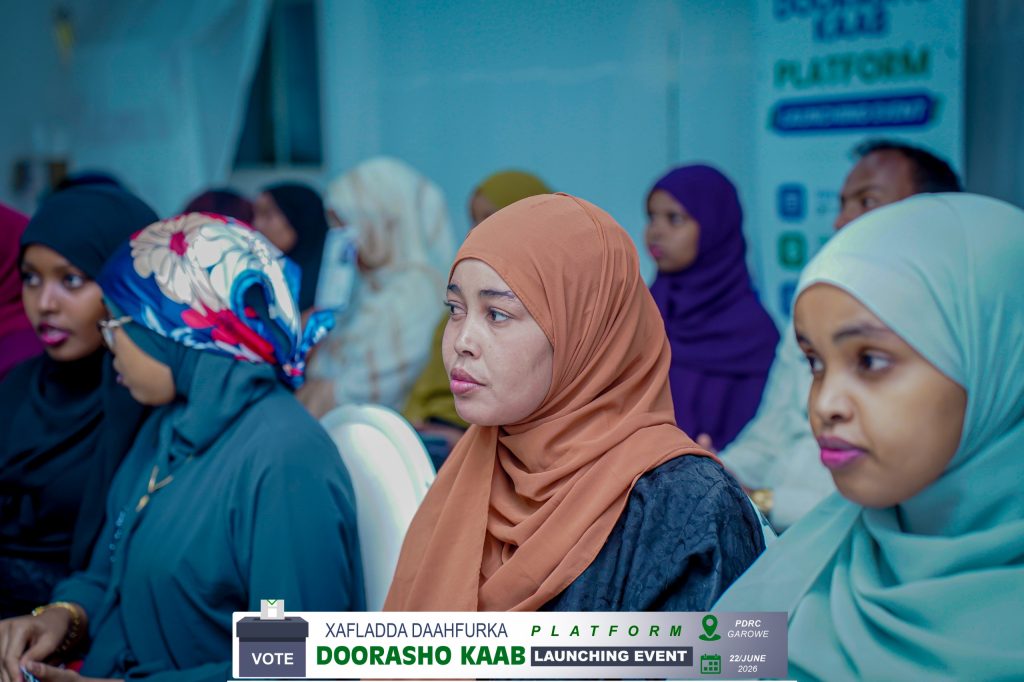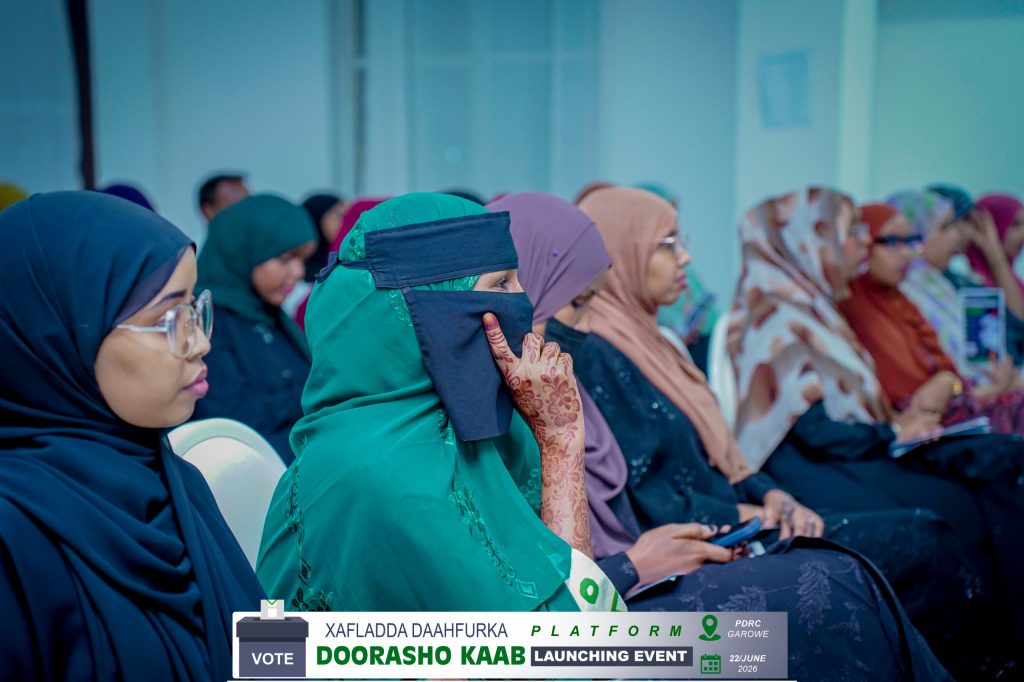
Somalia’s electoral processes remain highly fragile, marked by recurring delays, limited transparency, and low public trust in democratic institutions. Decades after the collapse of centralized governance, the country has yet to implement a nationwide one-person-one-vote electoral system. Instead, participation continues to be constrained by a complex indirect voting structure, ongoing insecurity, deeply rooted patriarchal norms, and the widespread absence of civic education—particularly among young people.

This challenge is especially significant considering that youth account for more than 75% of Somalia’s population. Despite their demographic majority, Somali youth remain marginalized and largely excluded from electoral decision-making, placing the country among those with the lowest levels of youth political participation globally. Although youth-led activism has been steadily growing, their involvement in formal electoral processes remains limited. Even where democratic local elections have been conducted, youth participation has often been symbolic rather than substantive.

At the same time, Somalia faces a growing digital divide that further complicates civic engagement. The country lacks the digital tools and infrastructure necessary to empower meaningful youth participation in democratic processes. High levels of digital illiteracy, limited access to reliable information, and the increasing spread of disinformation continue to undermine democratic progress and public trust in electoral institutions.

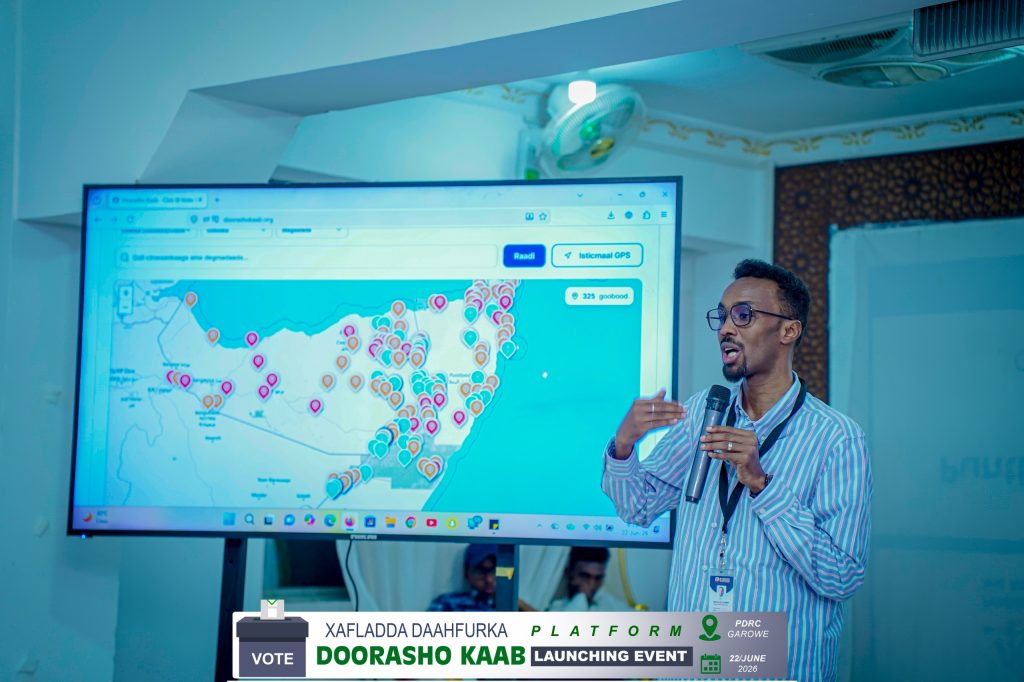
Introducing DoorashoKaab: A Civic Technology Solution

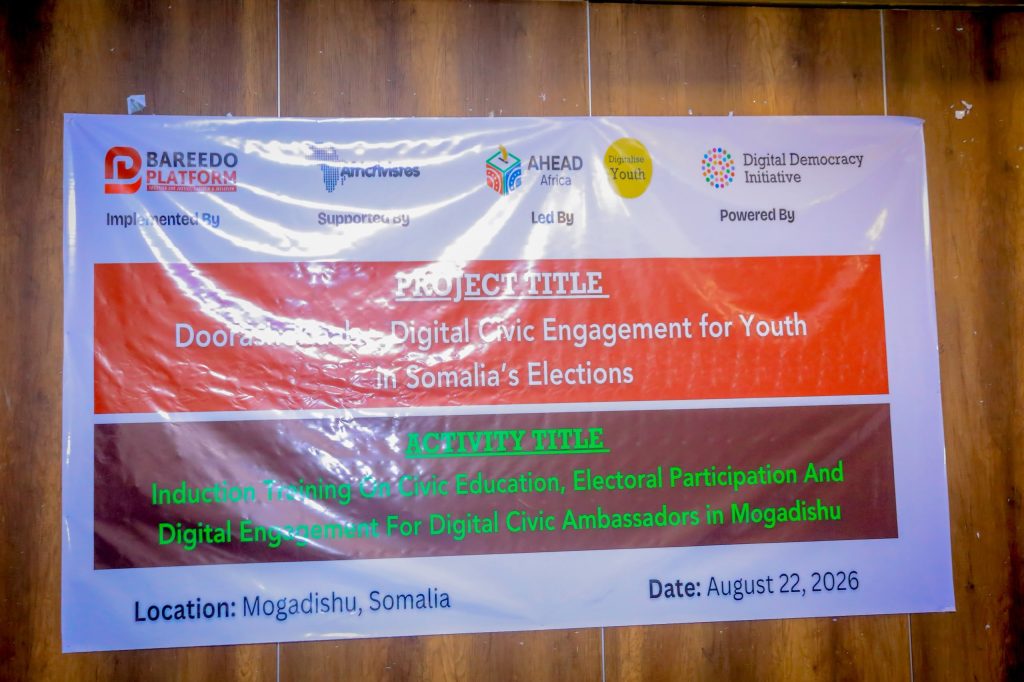
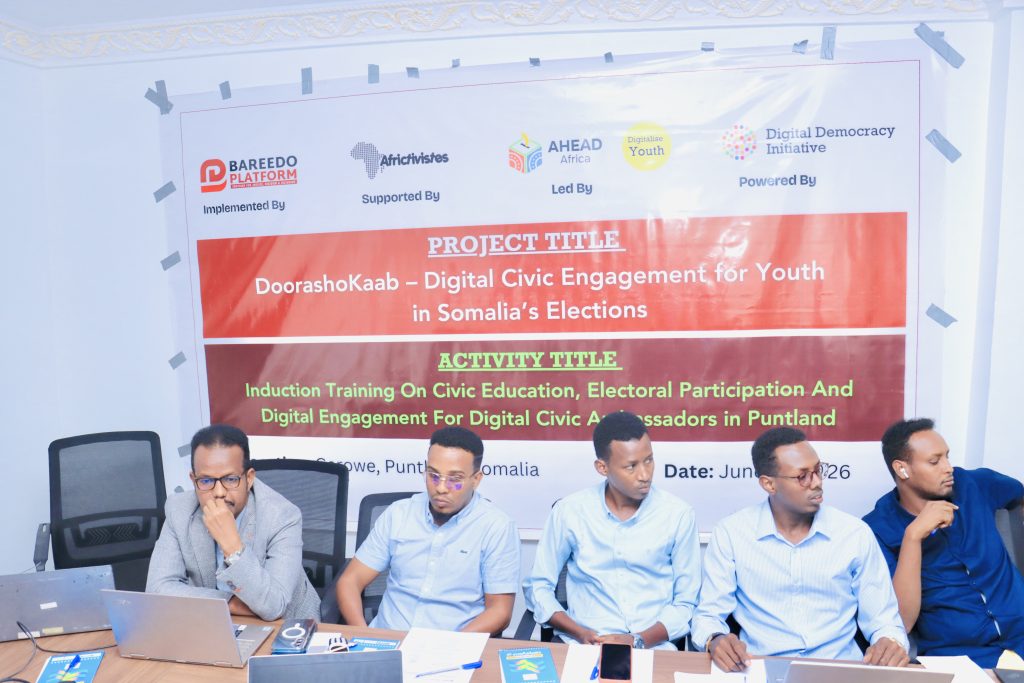
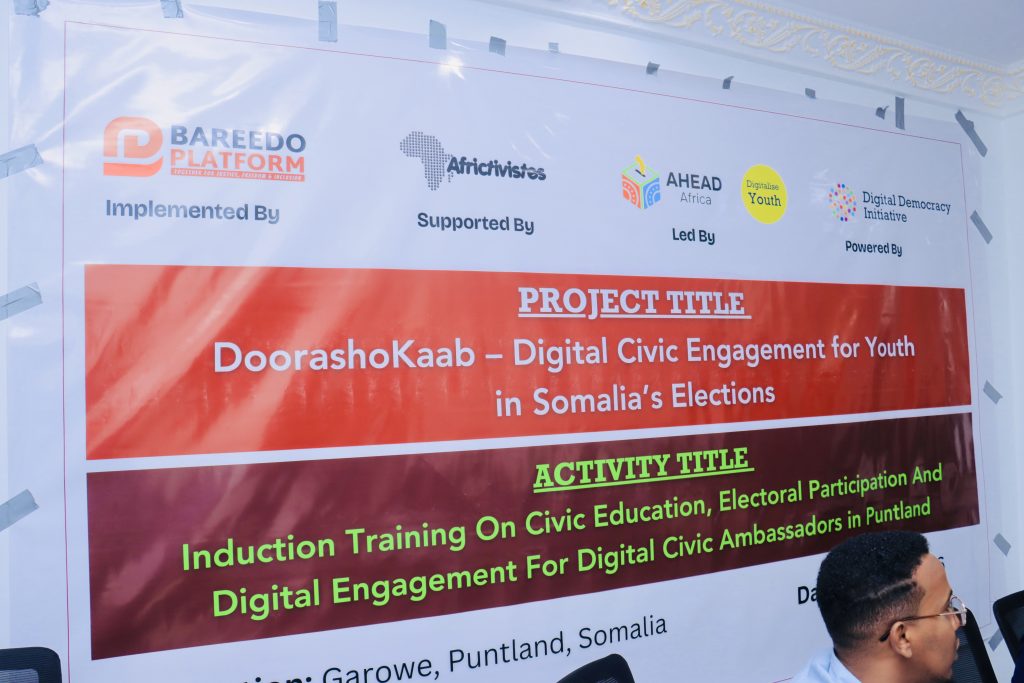
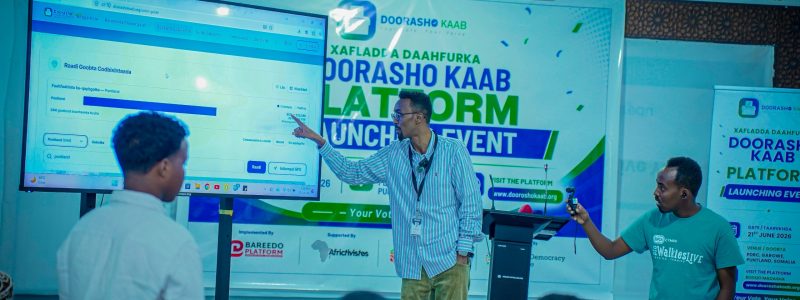
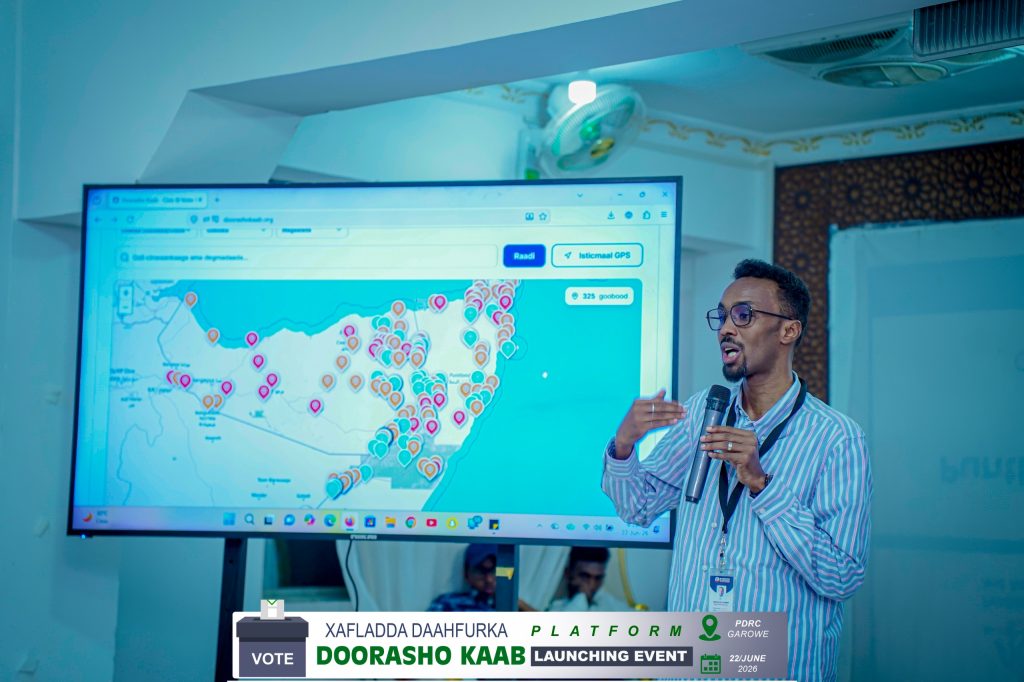
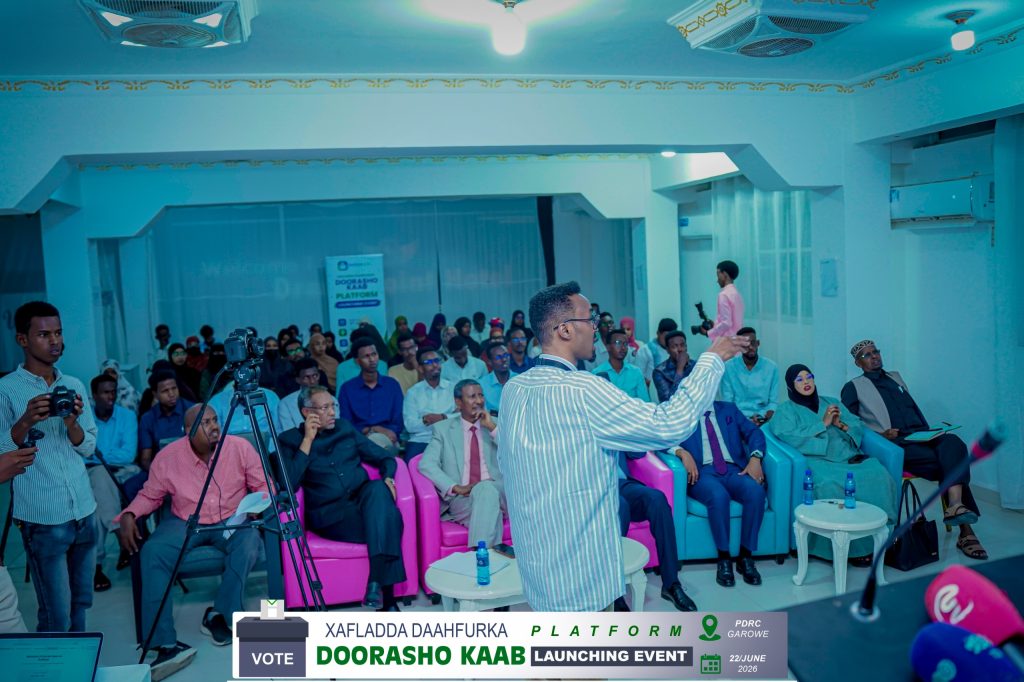
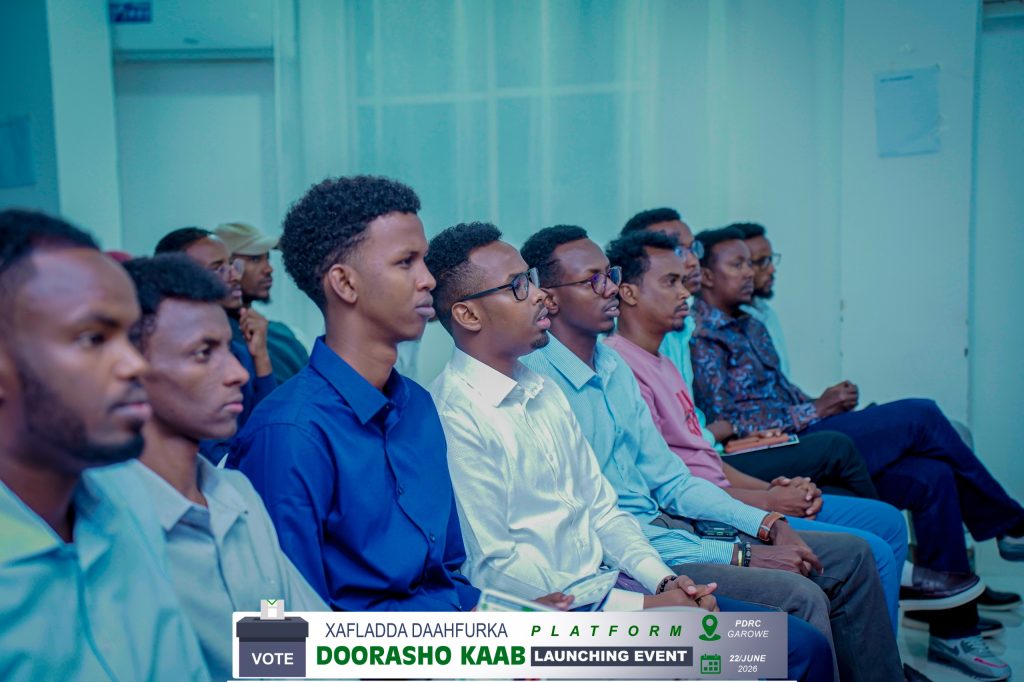
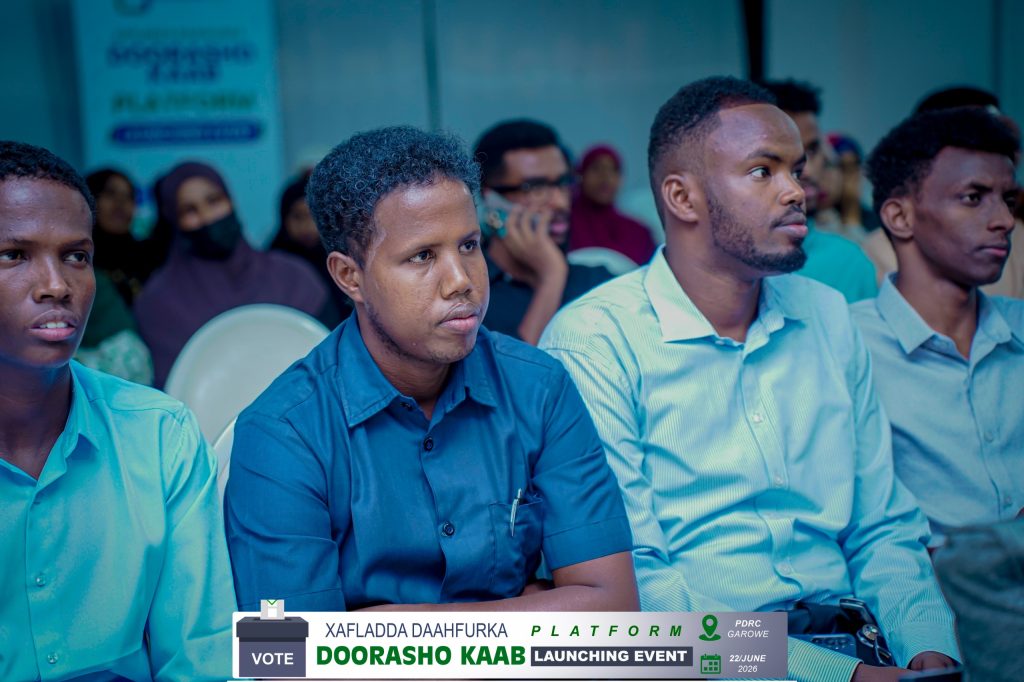
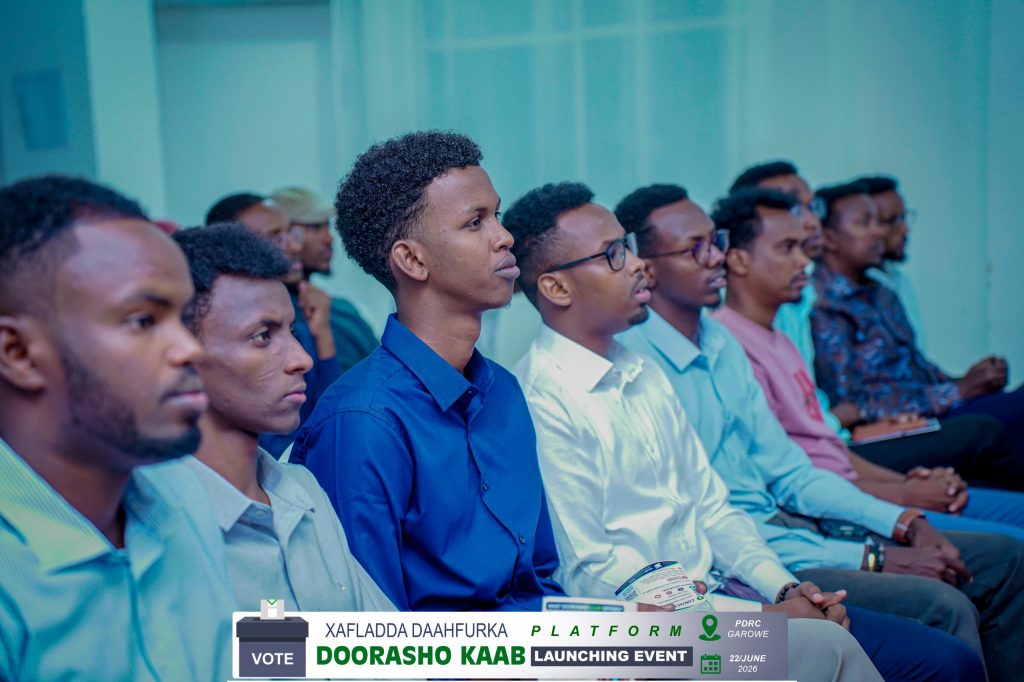
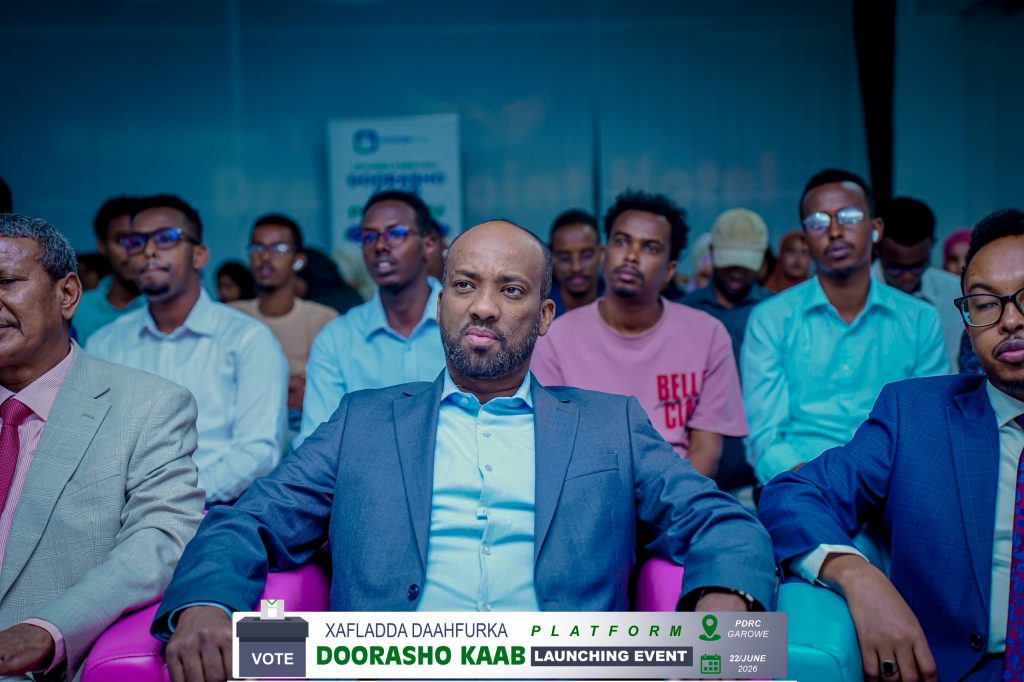
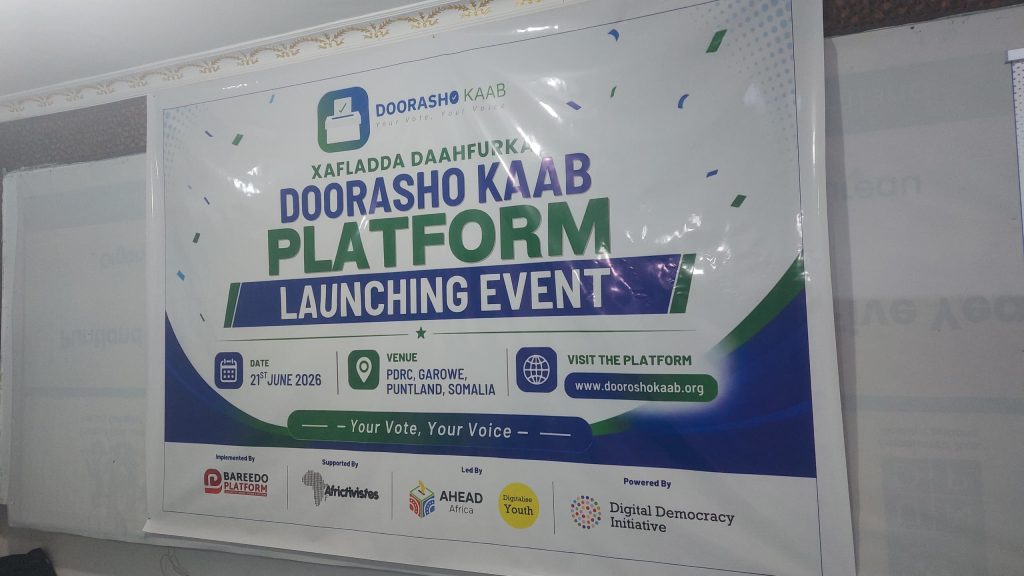
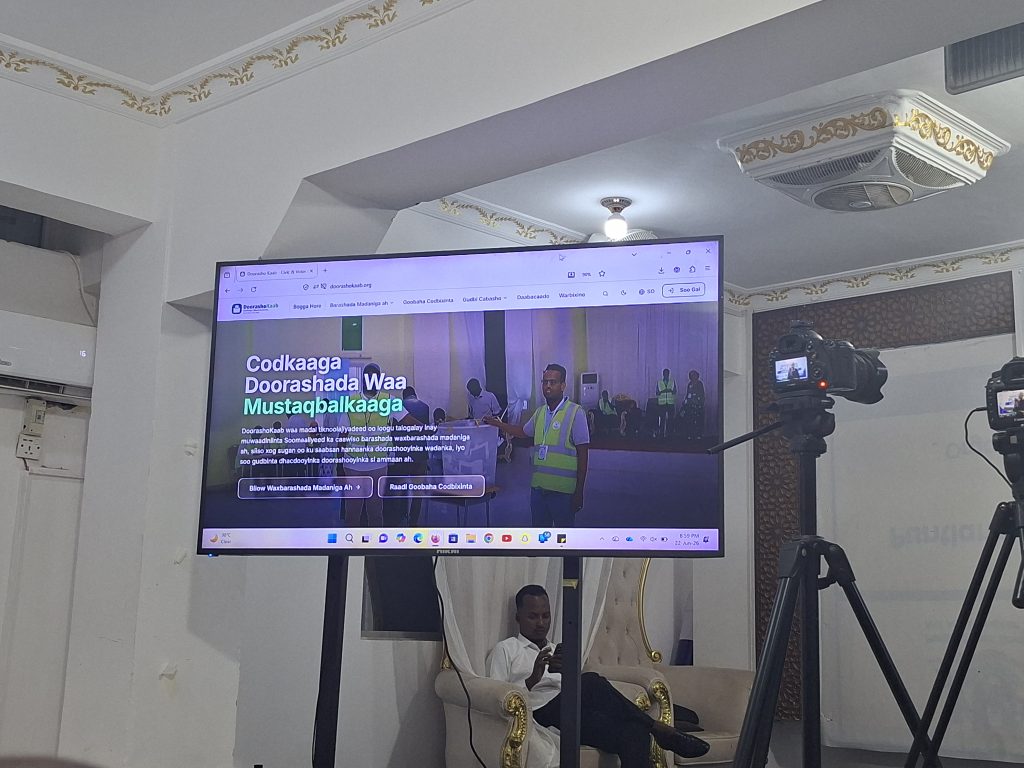
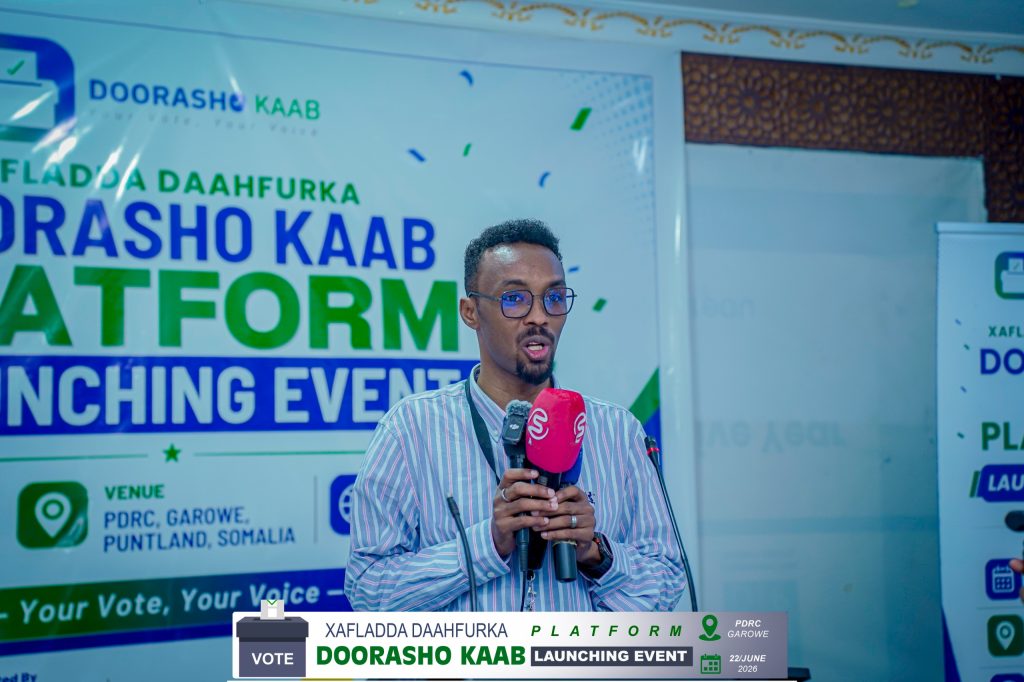
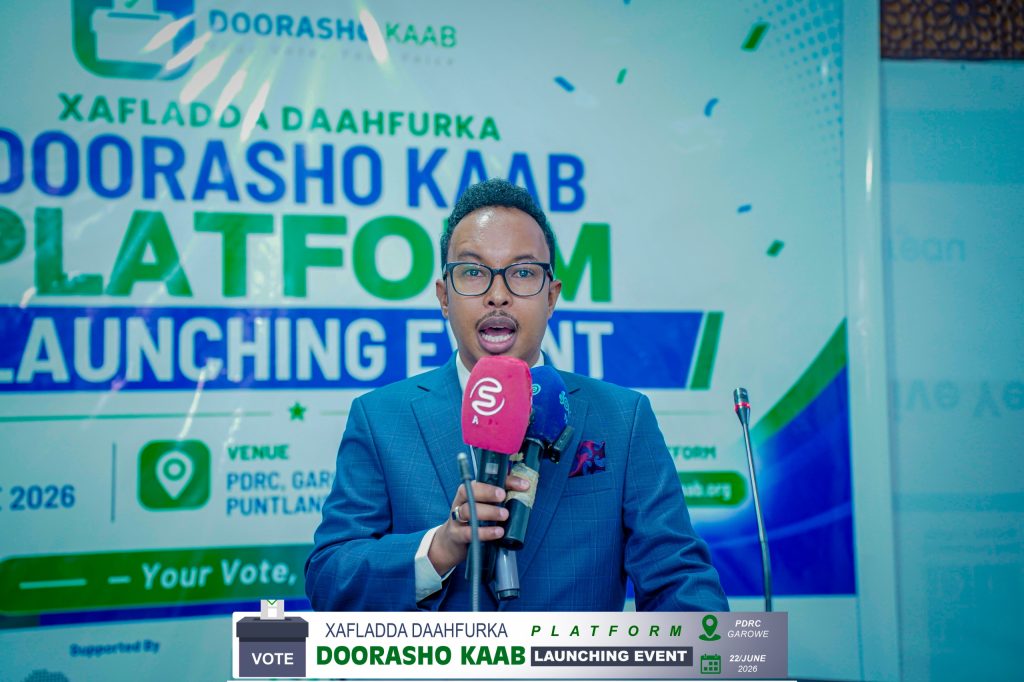
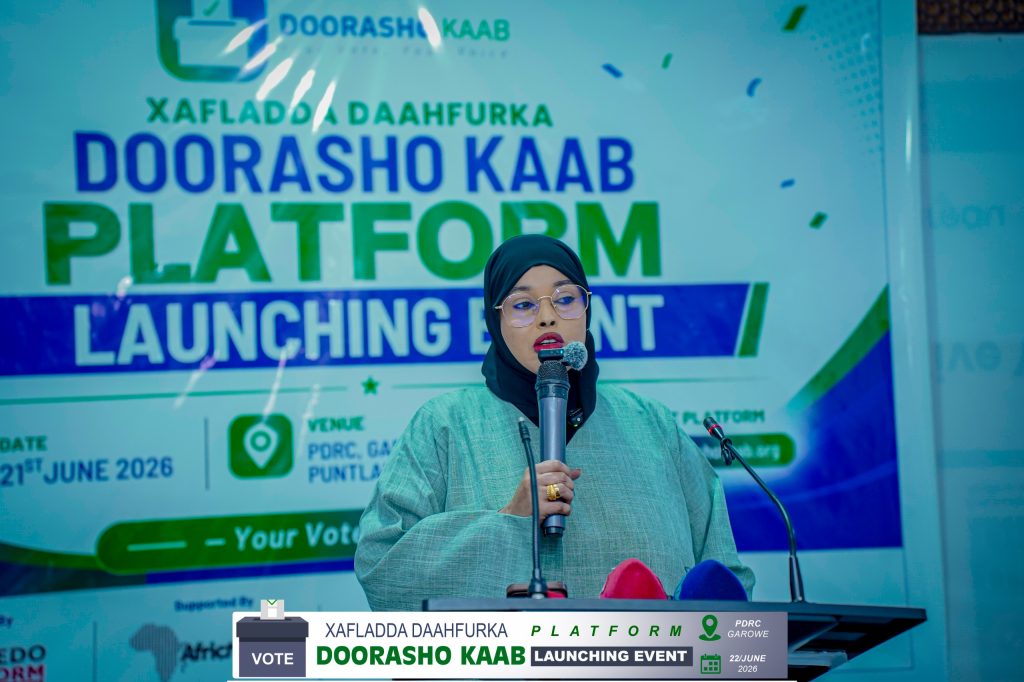
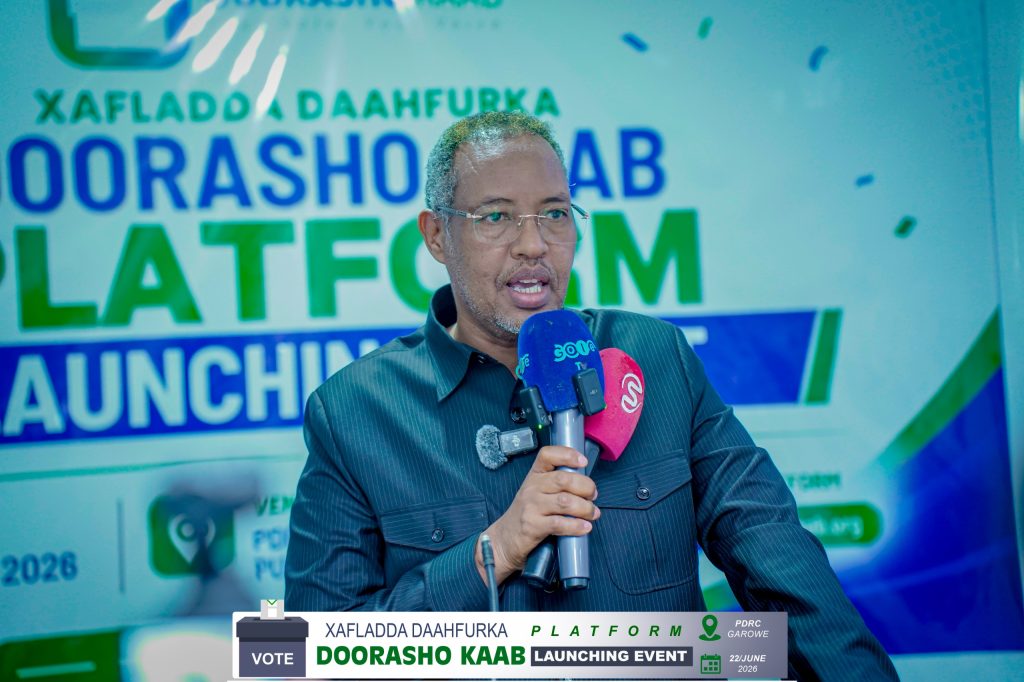
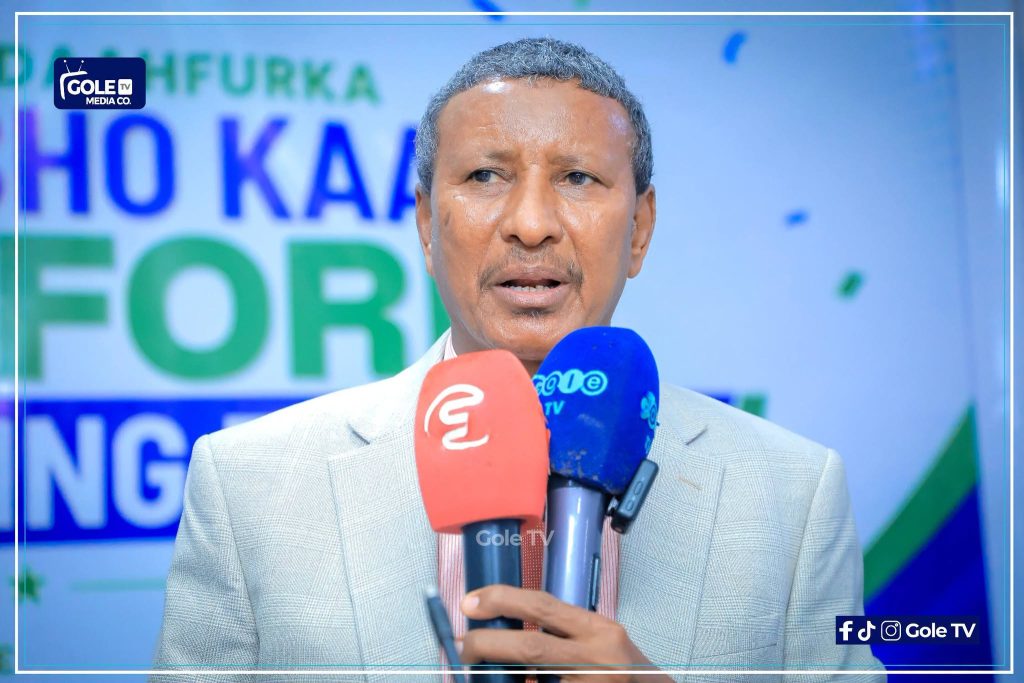
In response to these challenges, Bareedo Platform—an initiative committed to strengthening civic engagement and democratic participation—has launched the development of DoorashoKaab, a civic technology platform designed to promote and strengthen meaningful youth participation in Somalia’s electoral processes.

The initiative is supported by AfricTivistes, a pan-African organization dedicated to promoting democracy, digital rights, and civic engagement across the continent. Through this partnership, DoorashoKaab aims to address key barriers to participation, including the lack of accessible civic education, limited youth engagement, low trust in electoral institutions, and the growing problem of electoral disinformation.

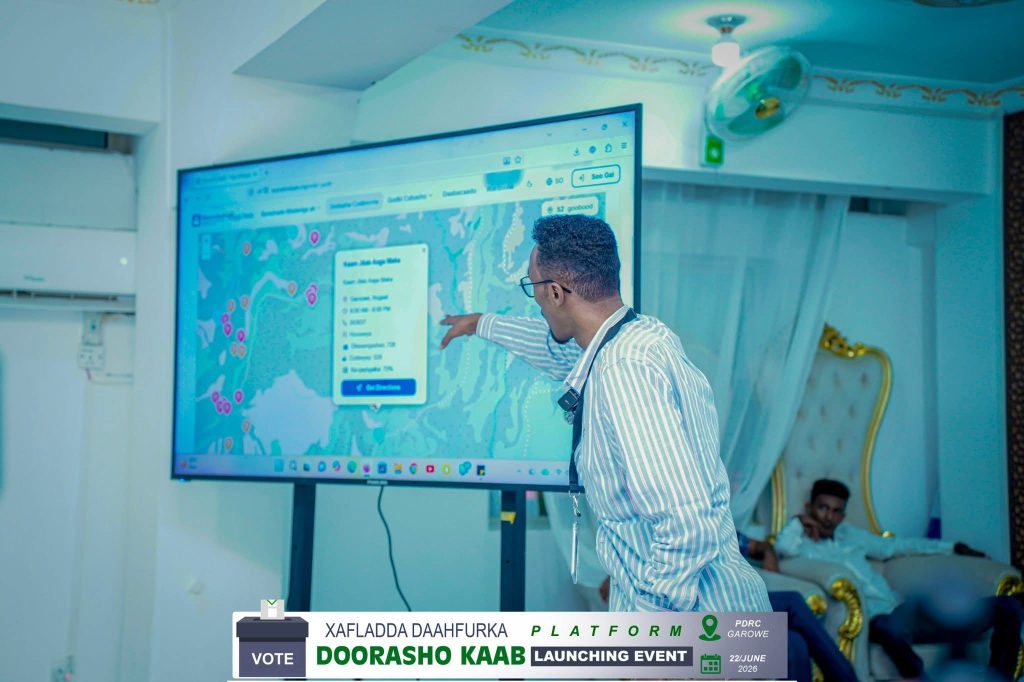
DoorashoKaab is envisioned as a digital civic space that will provide accessible voter education, reliable electoral information, and tools for citizen engagement, ensuring that Somali youth are better informed and able to participate meaningfully in democratic processes.

Youth Consultations to Shape the Platform

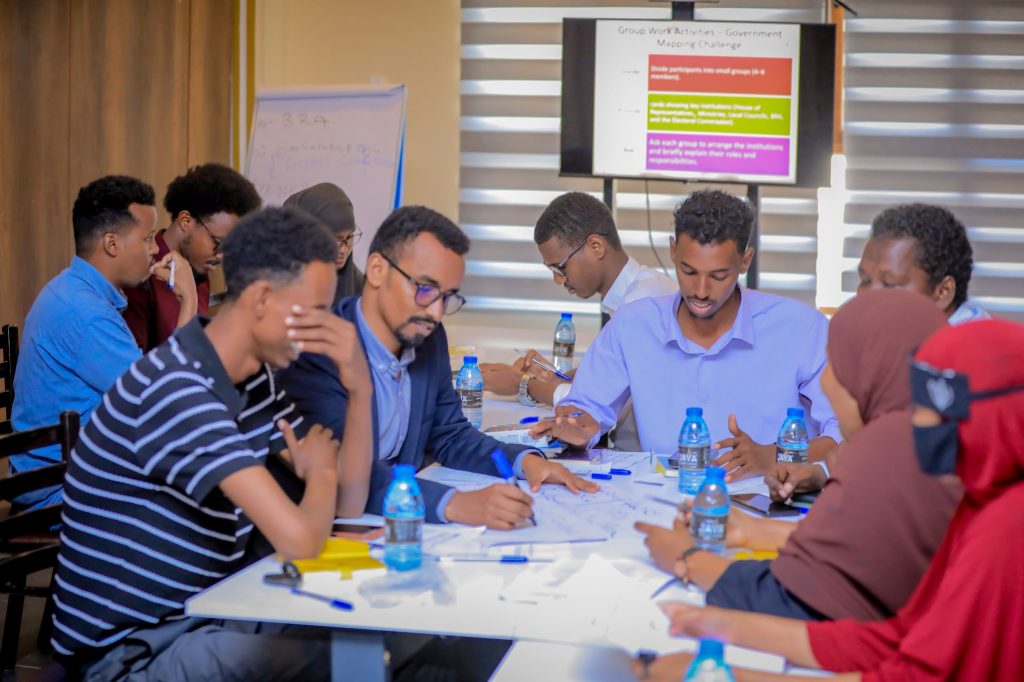
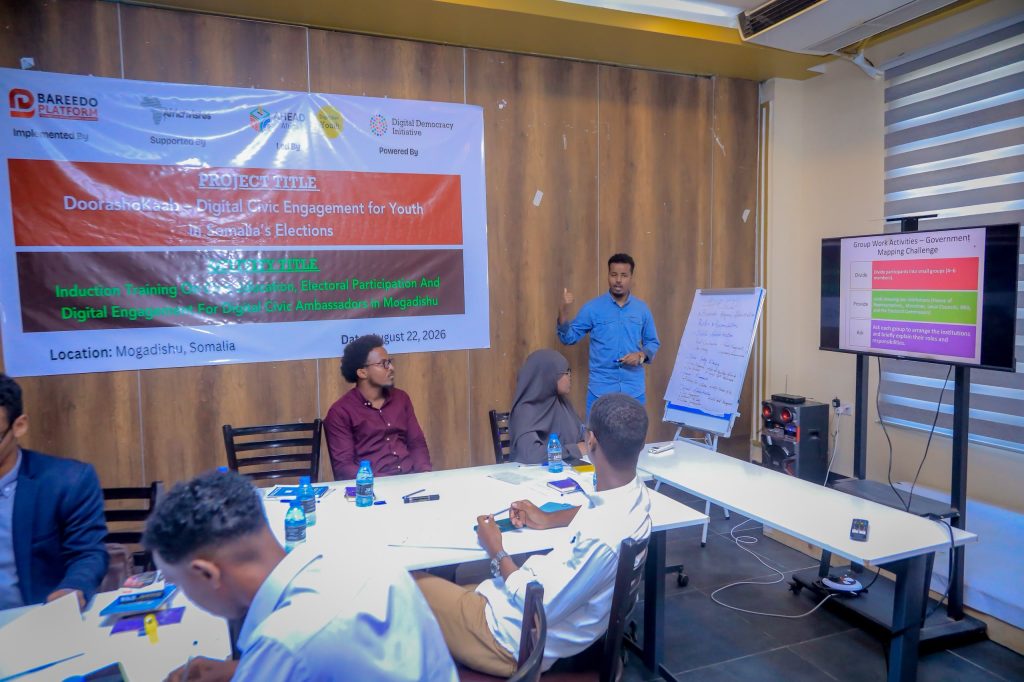
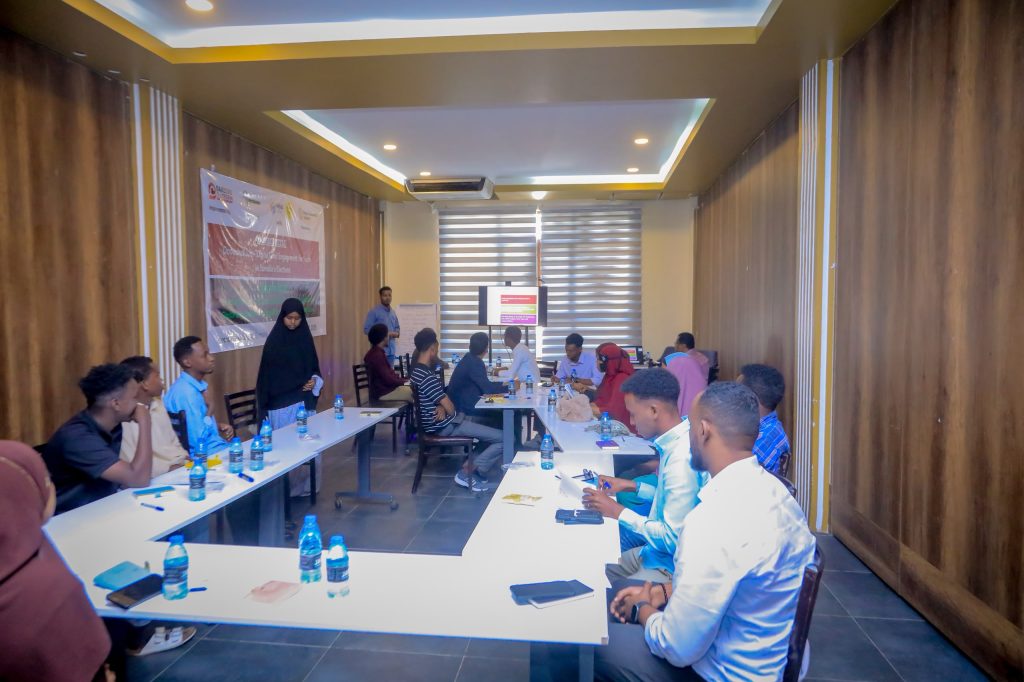
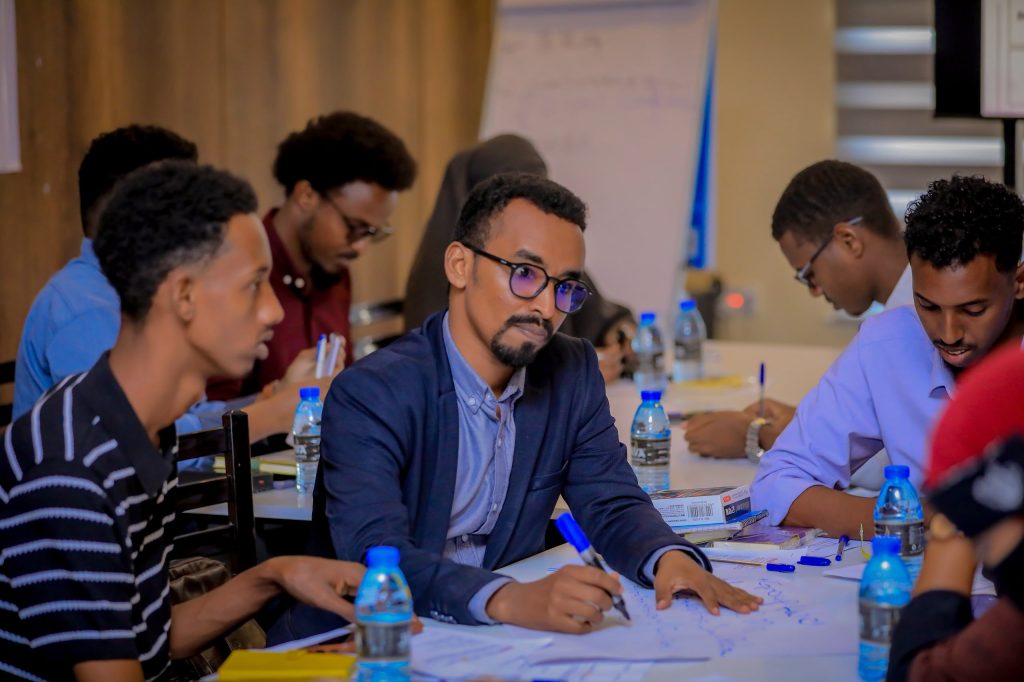
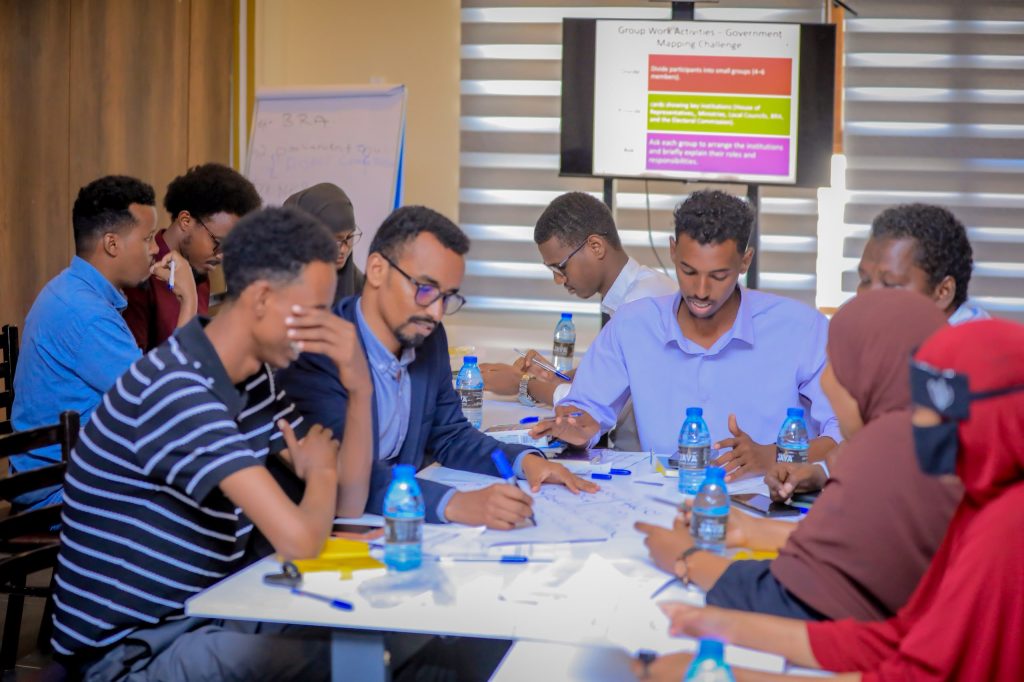
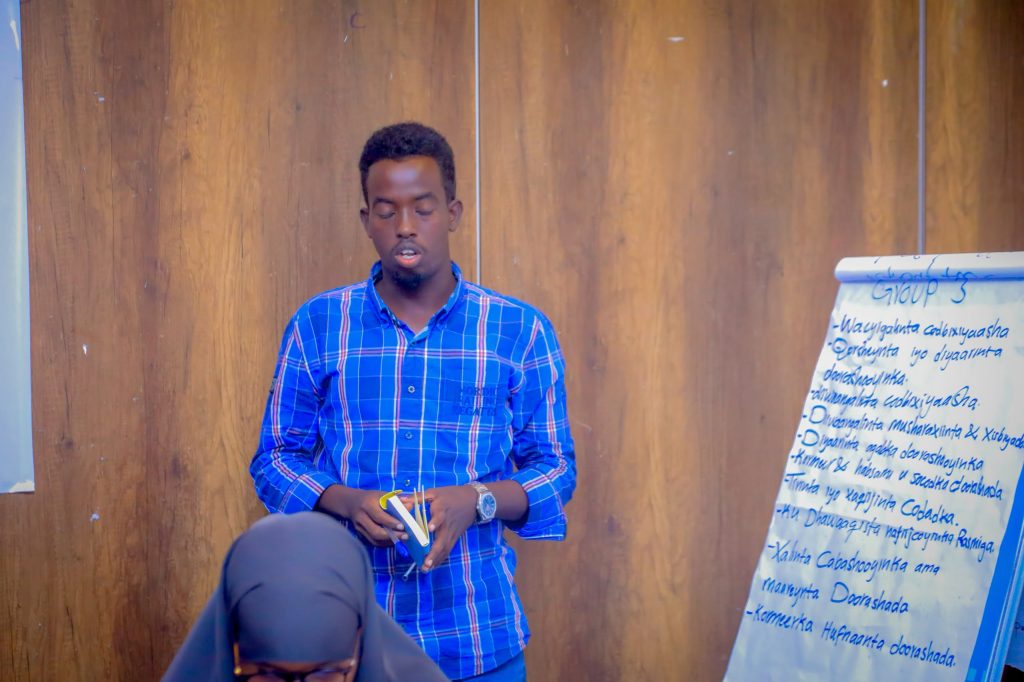
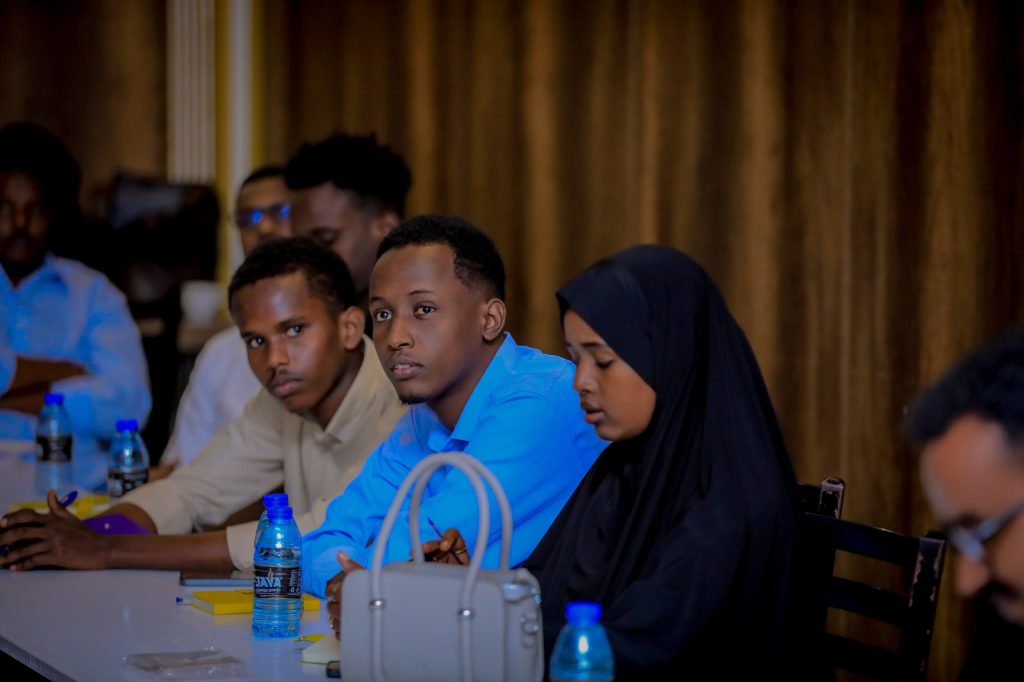
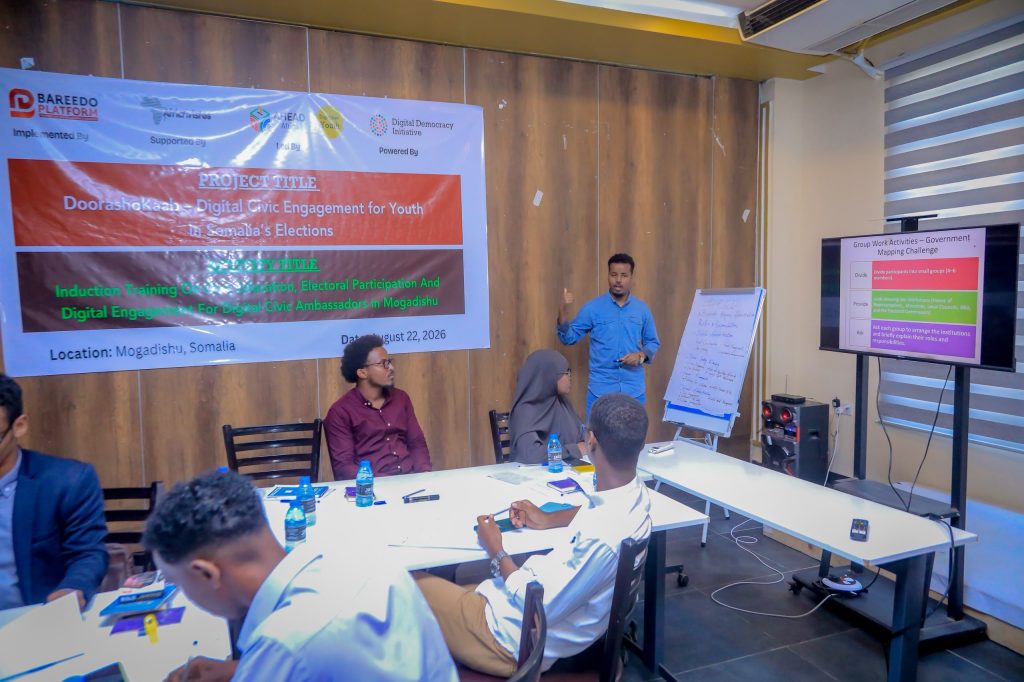
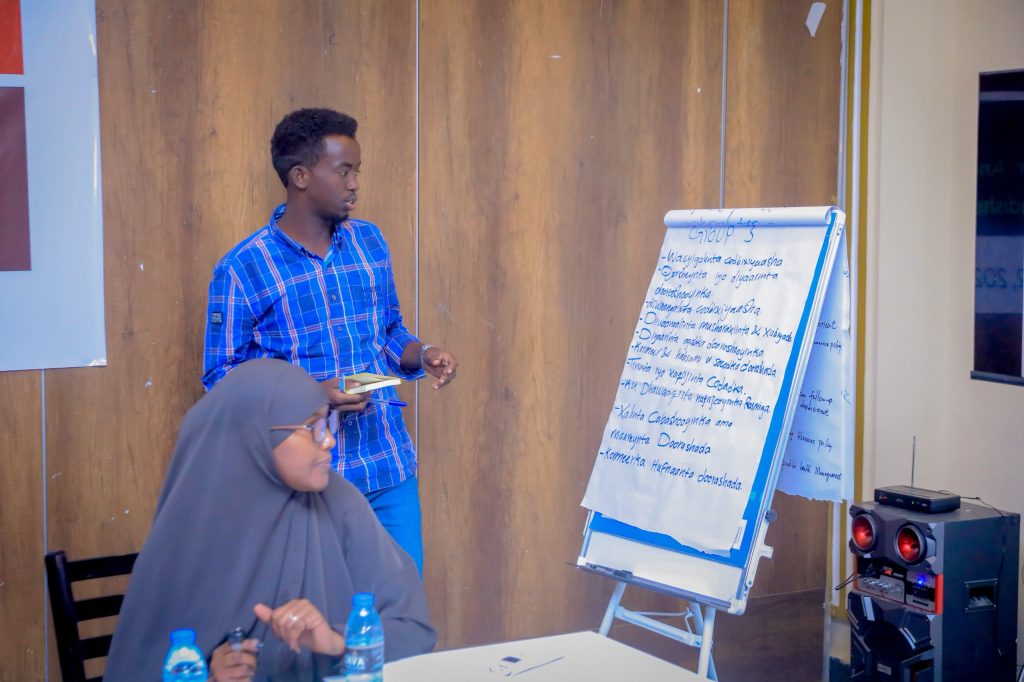
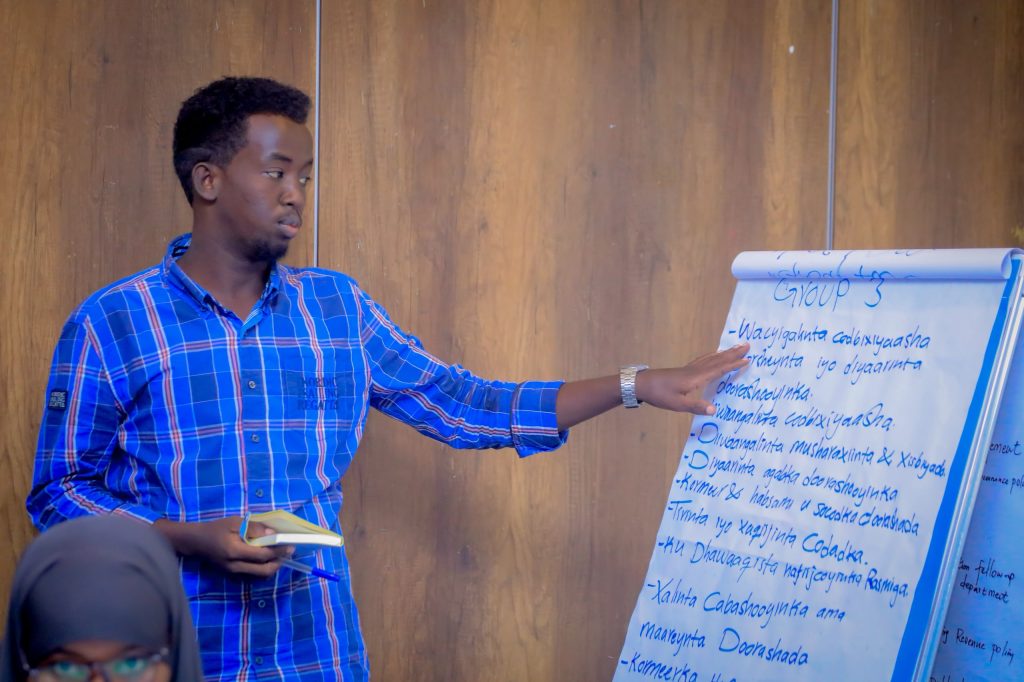
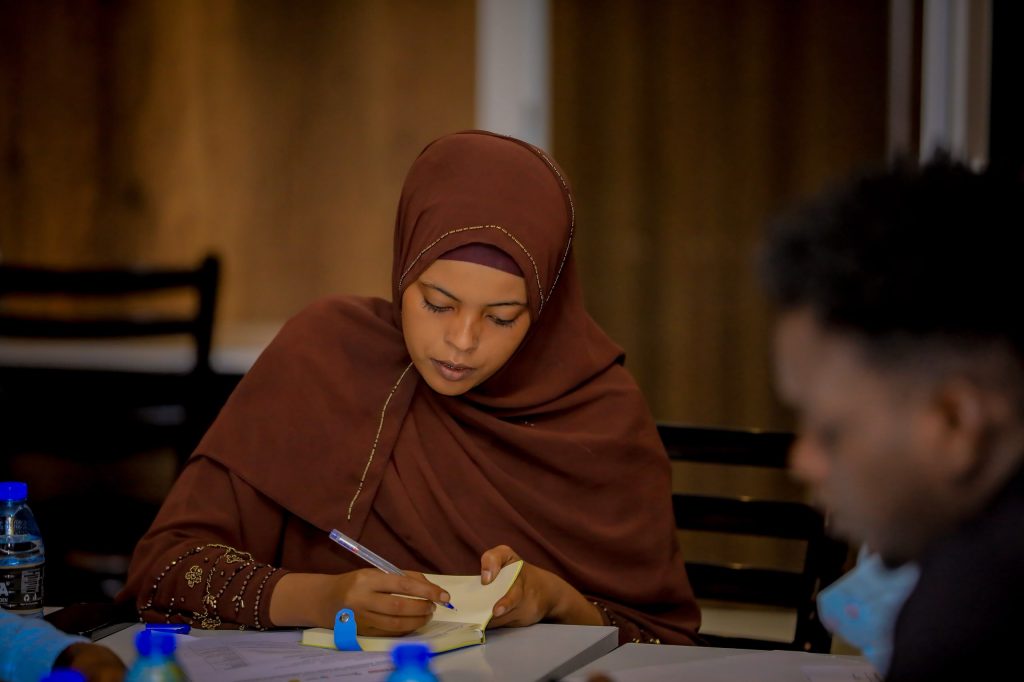
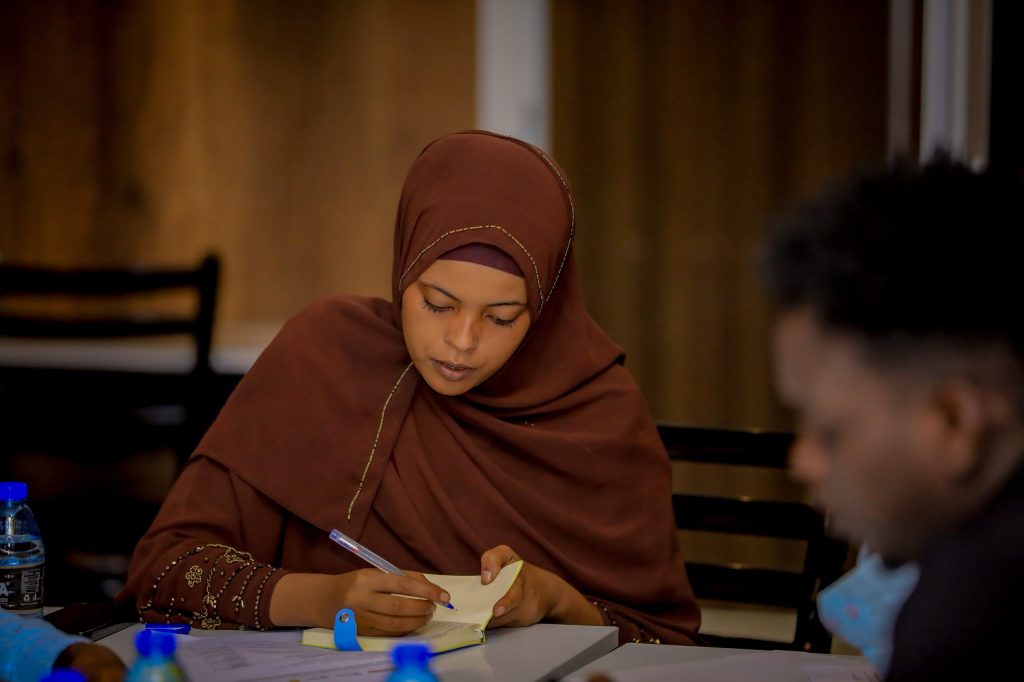
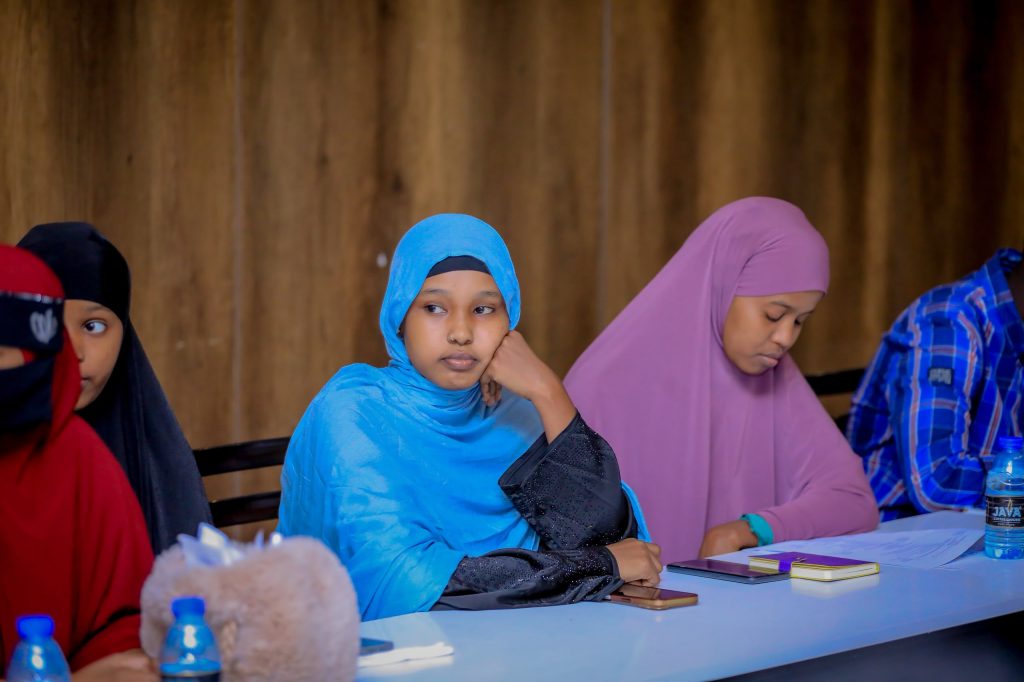
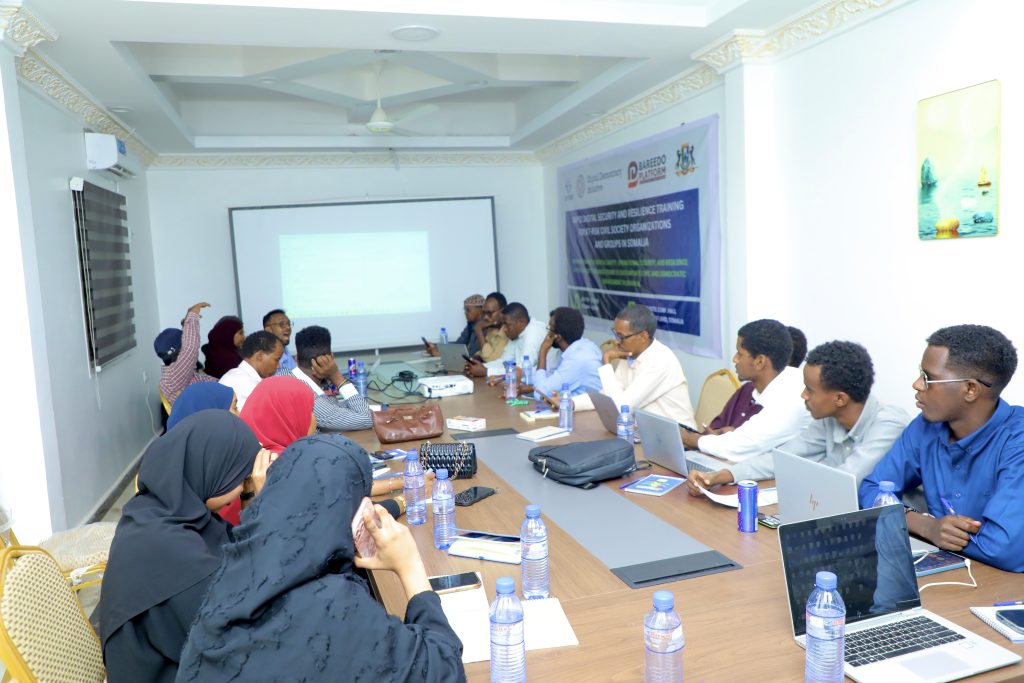
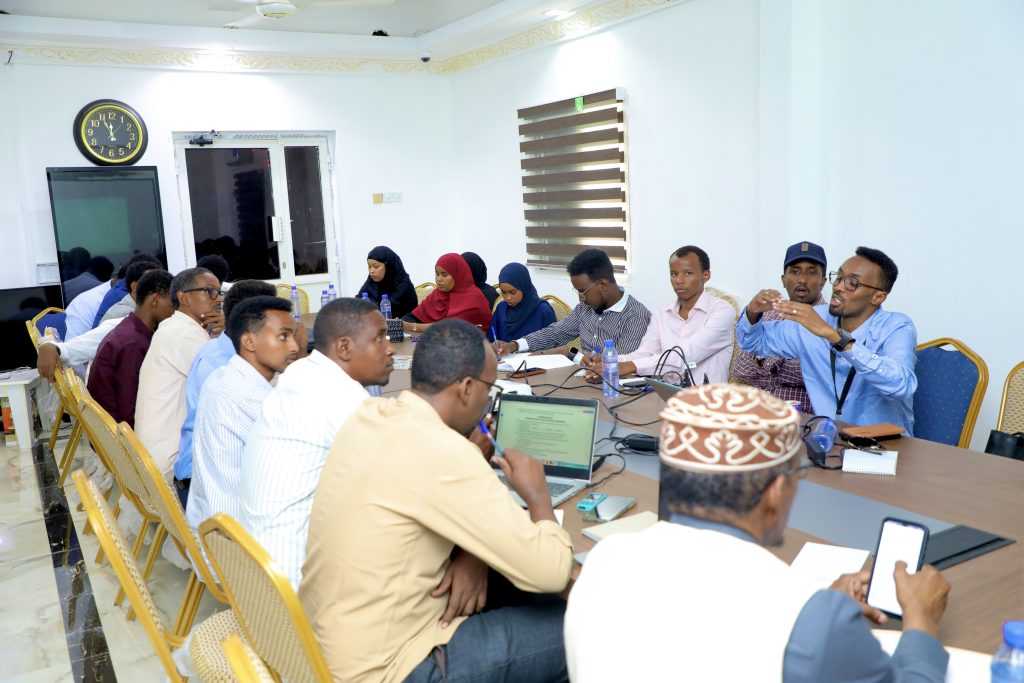
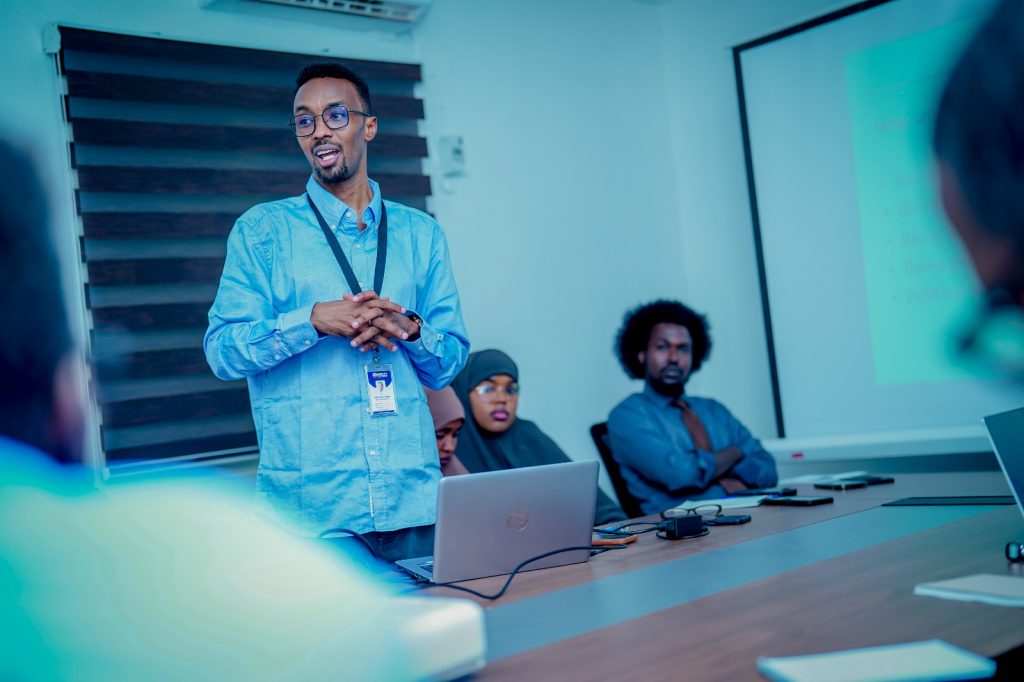
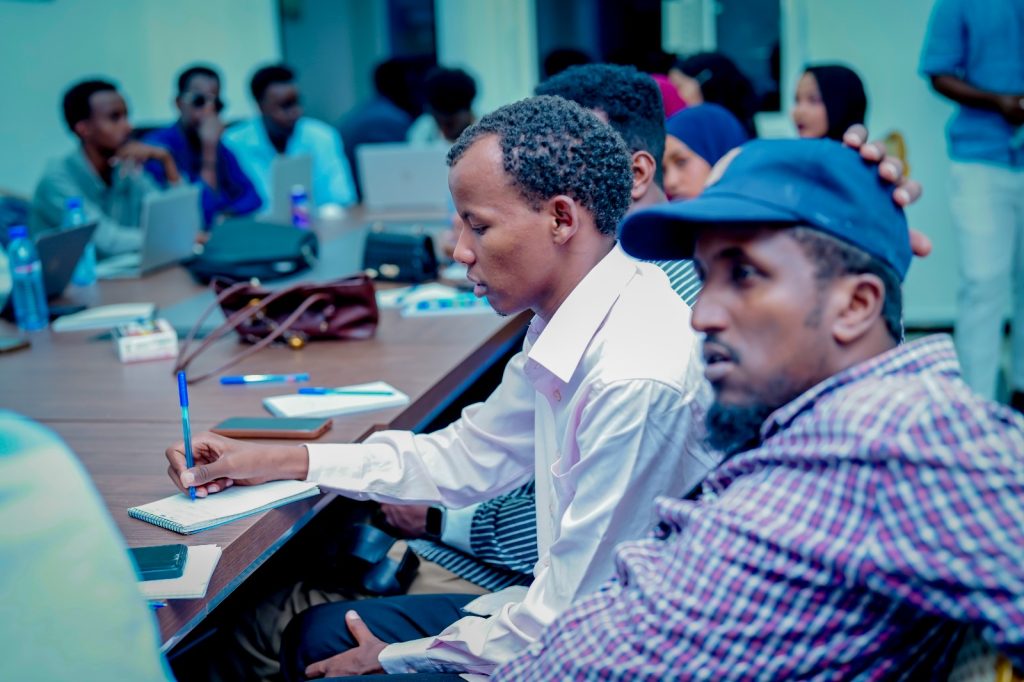
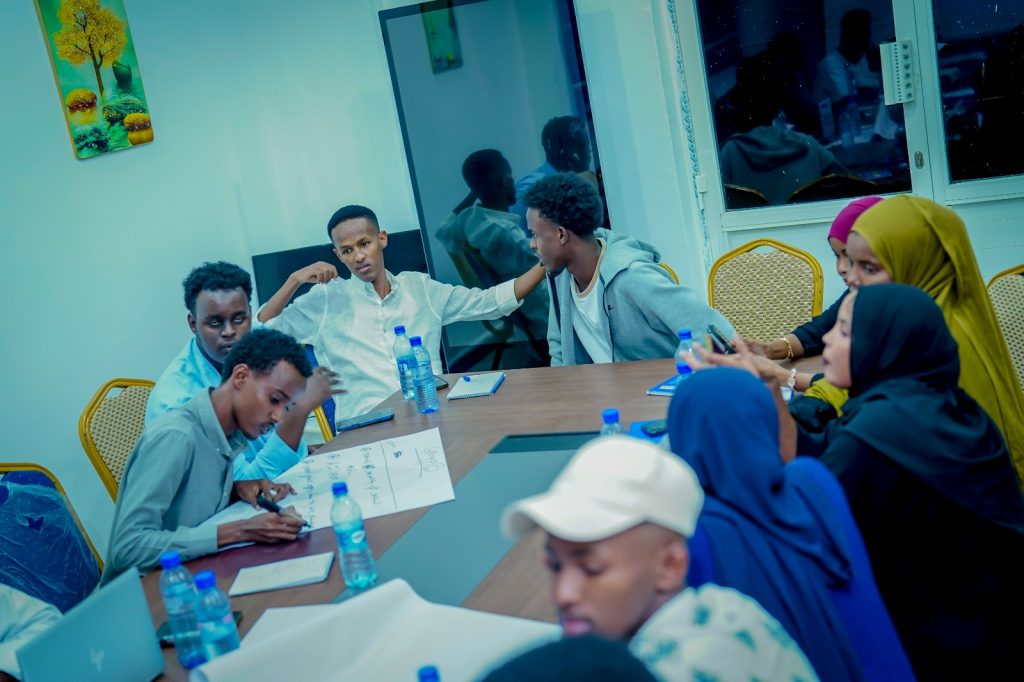
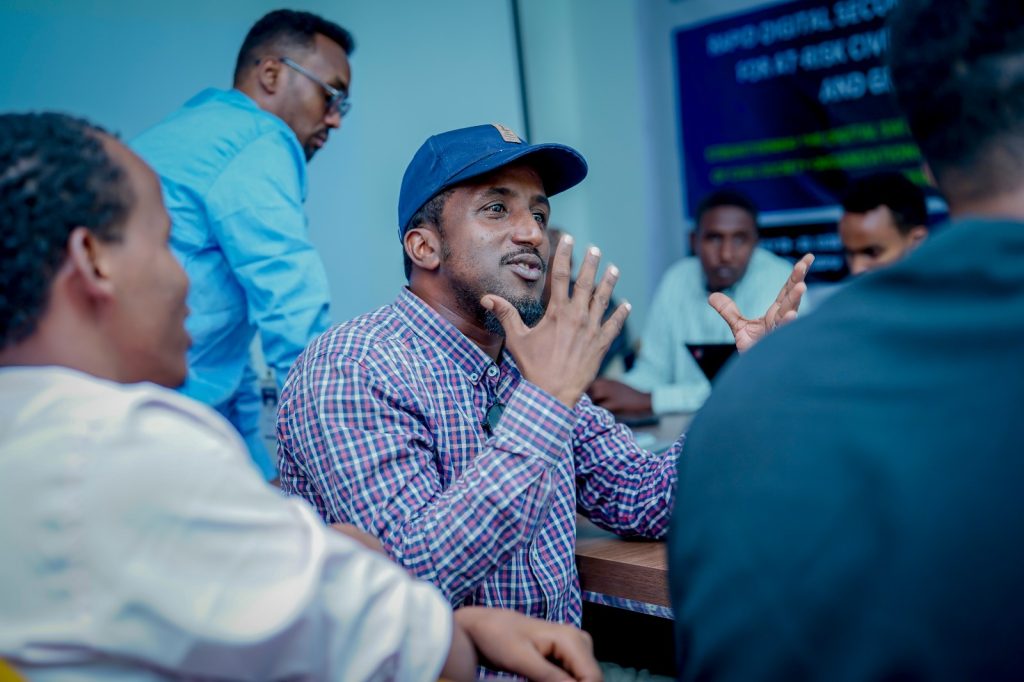
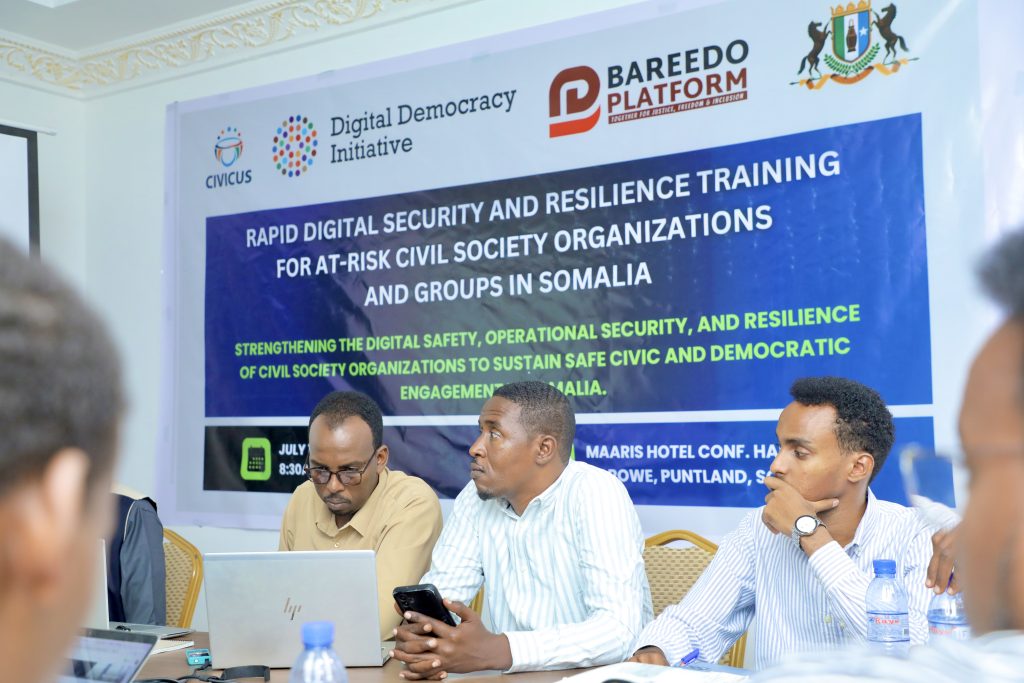
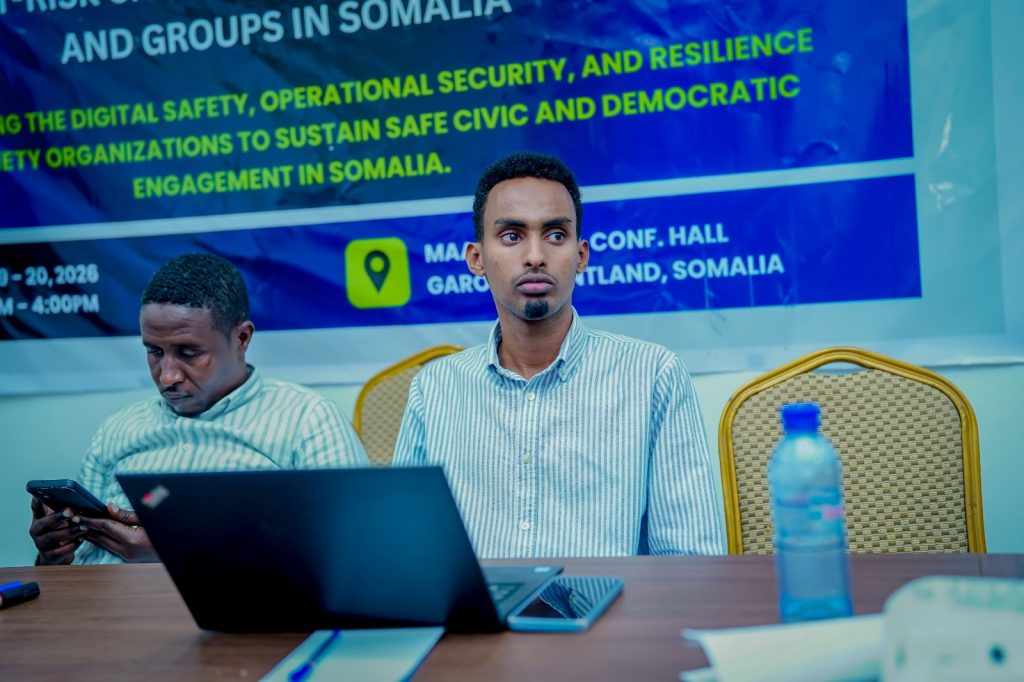
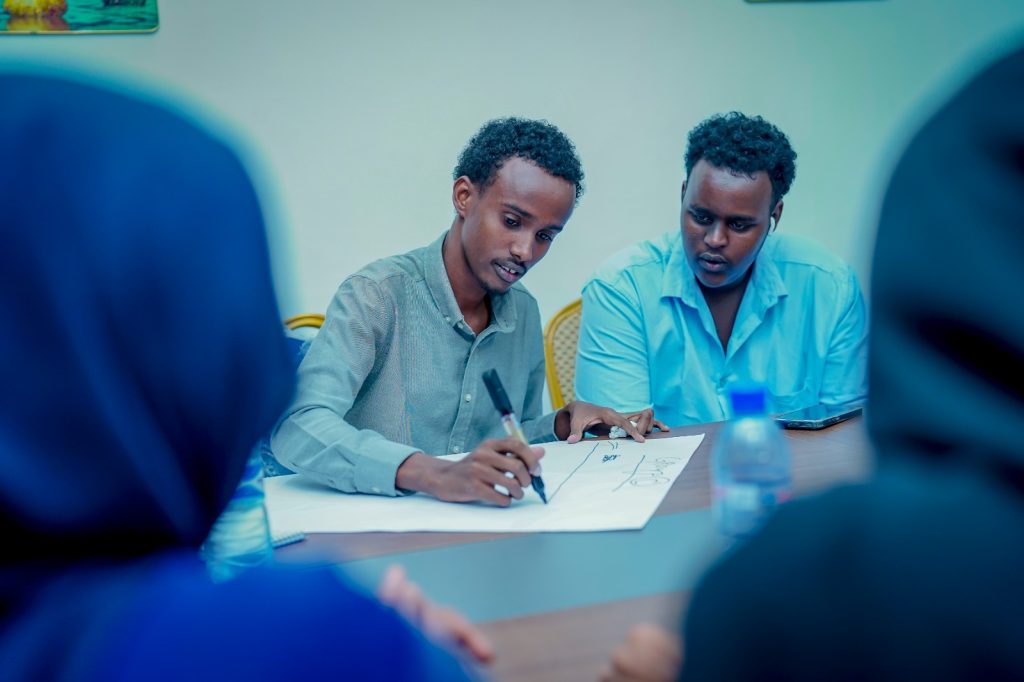
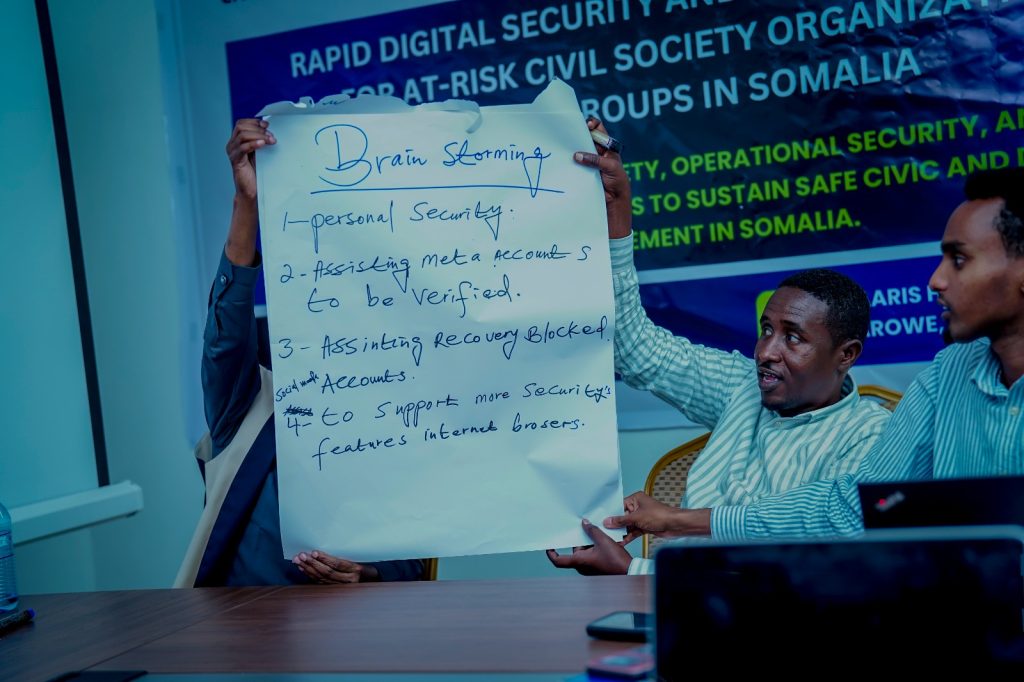
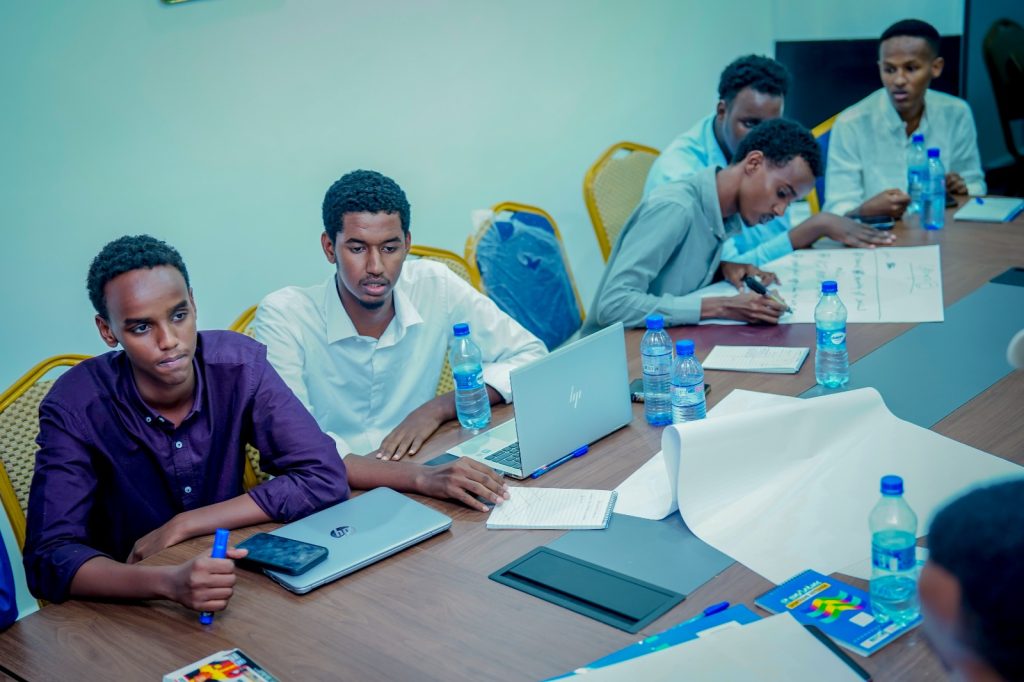
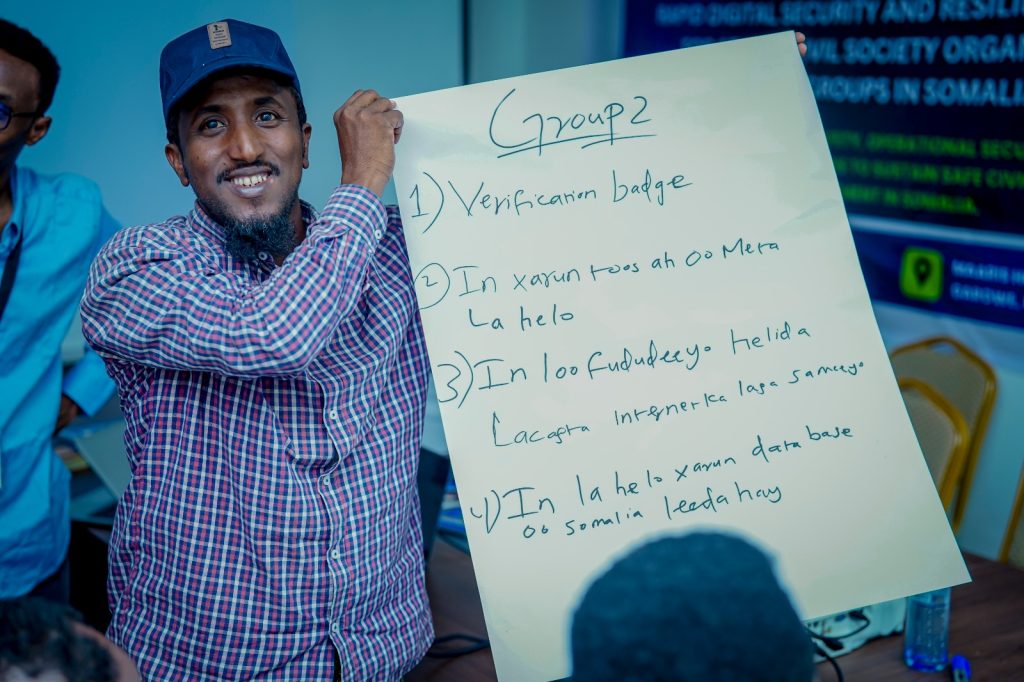
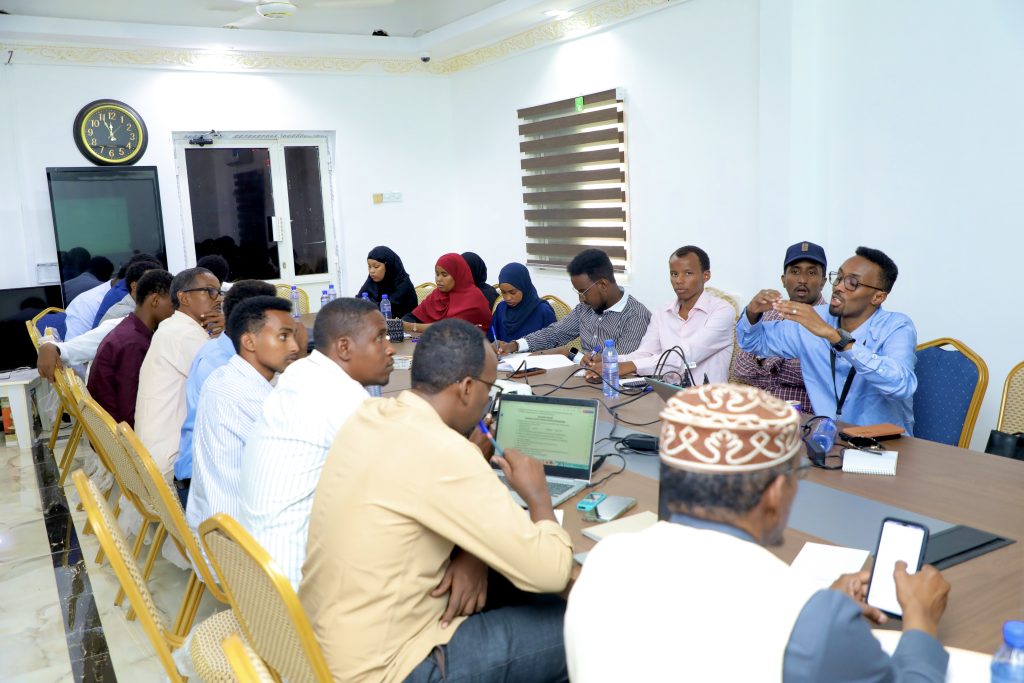
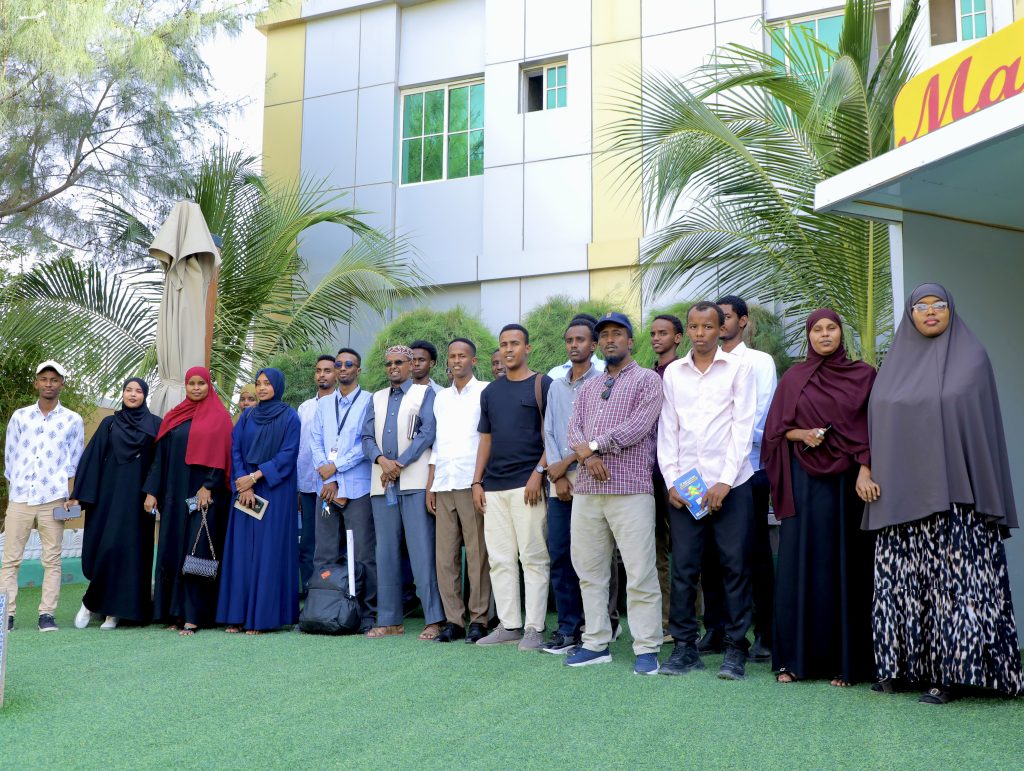
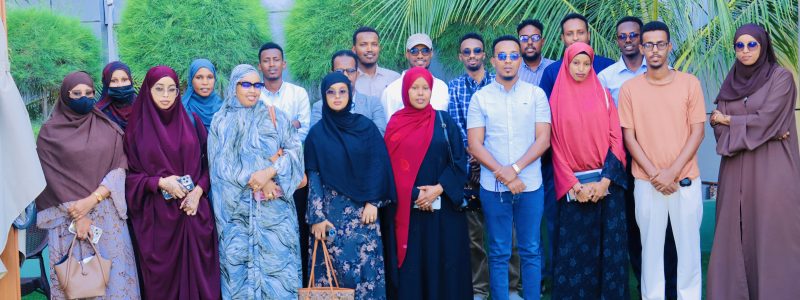
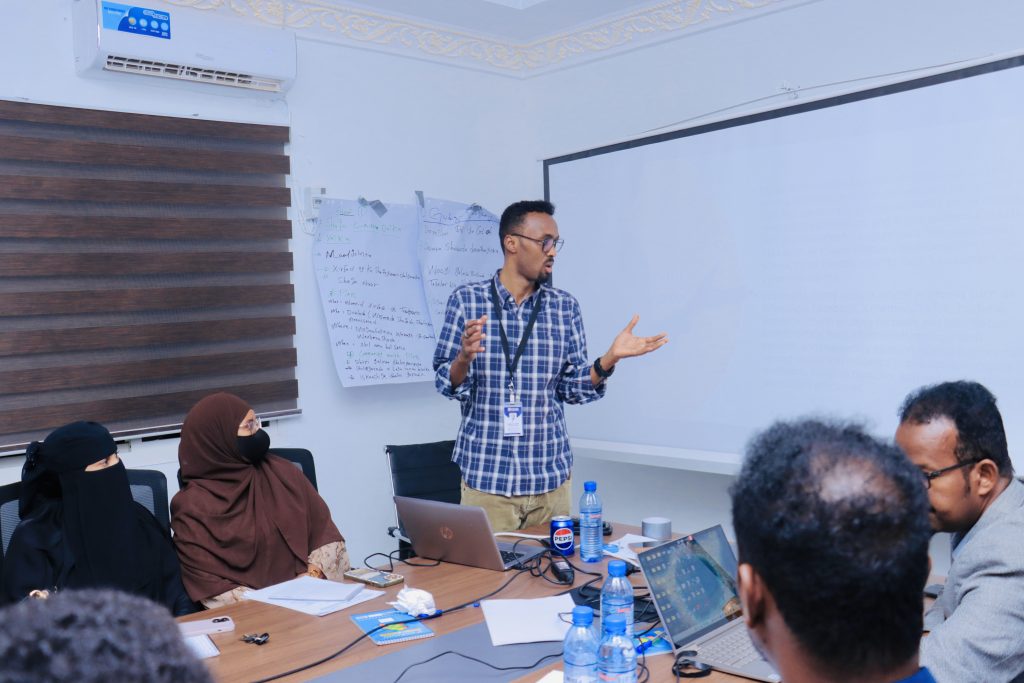
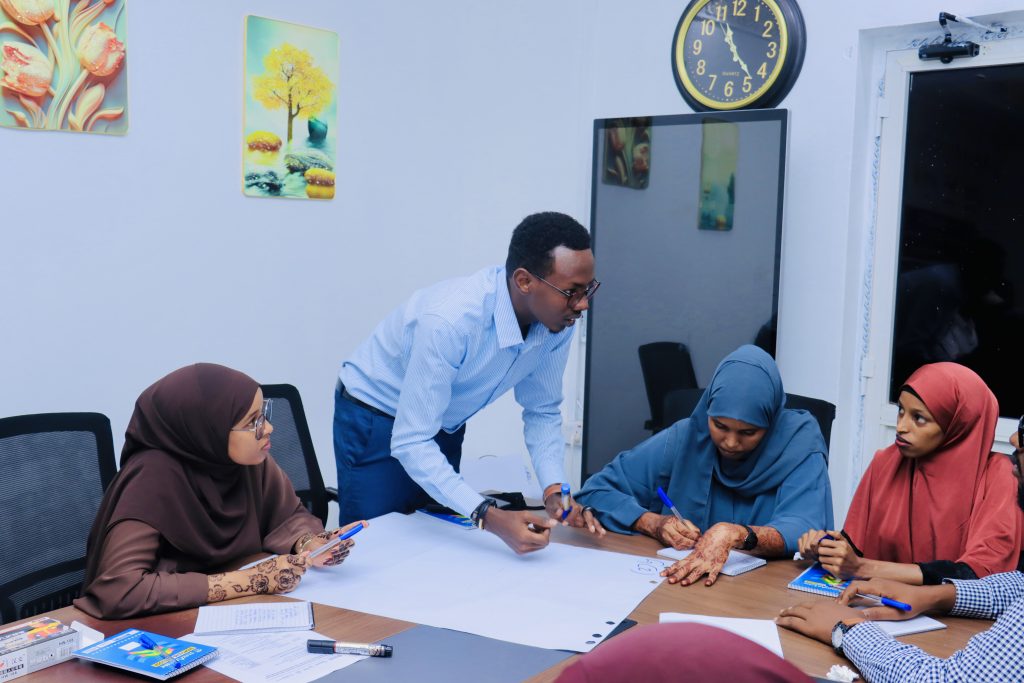
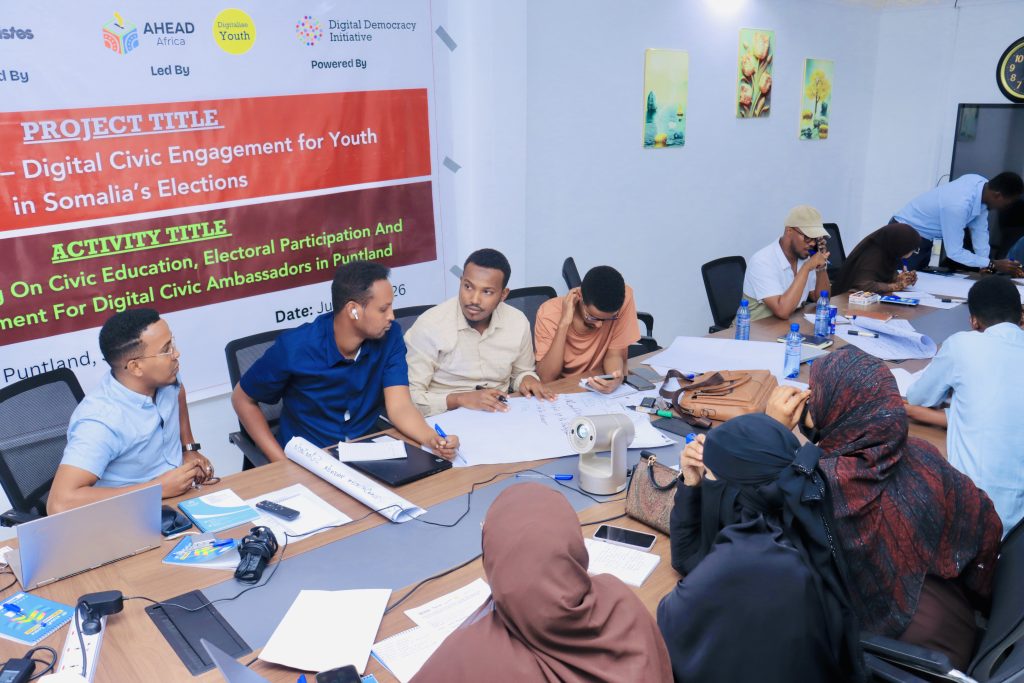
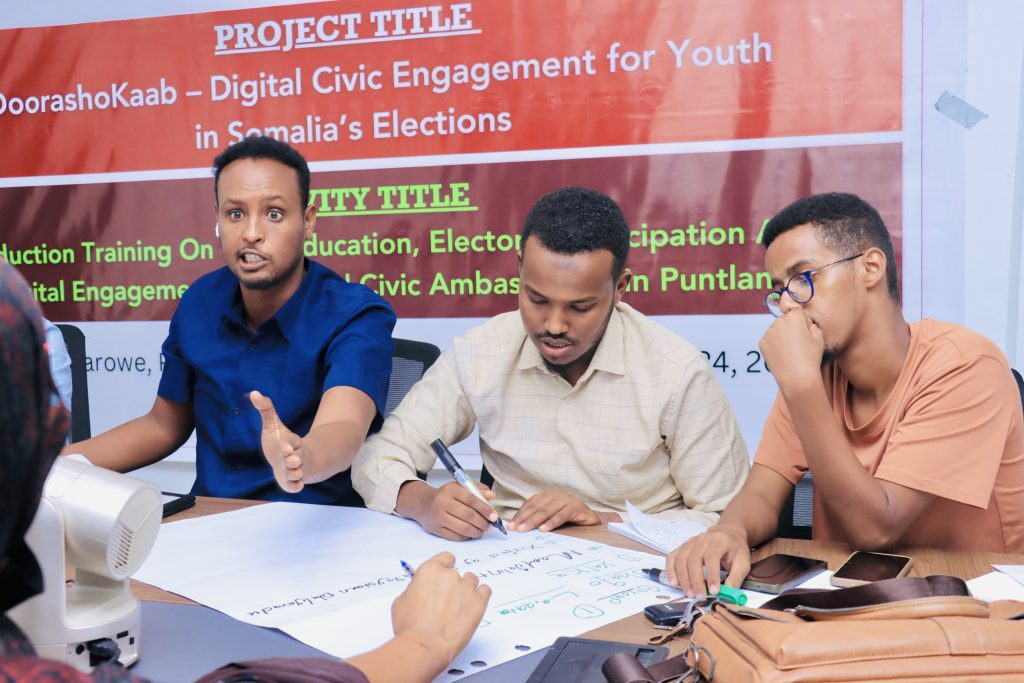
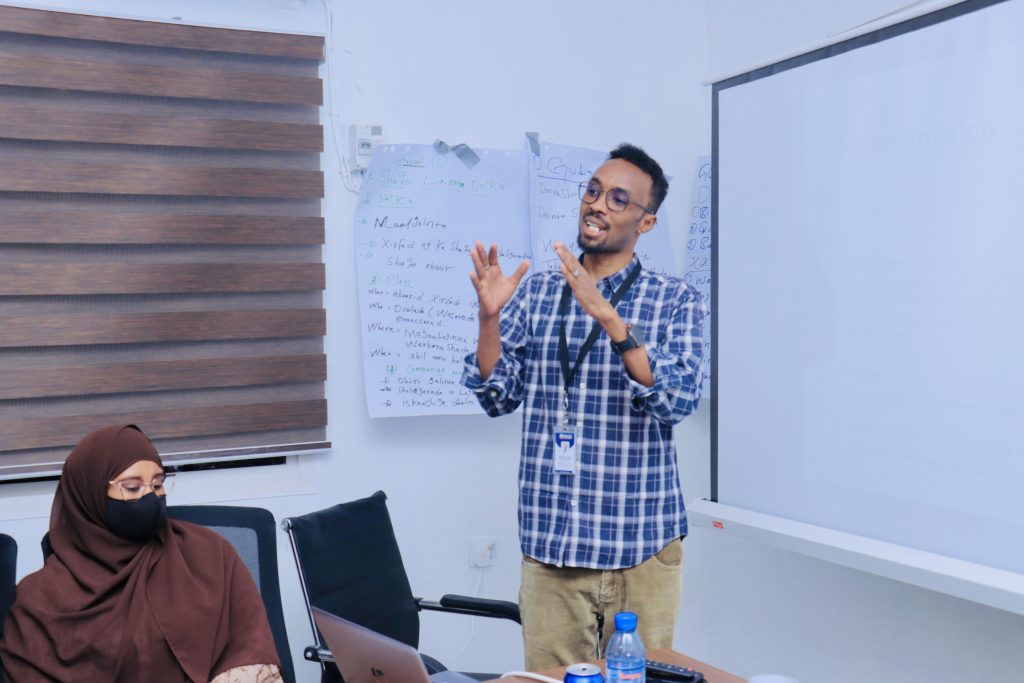
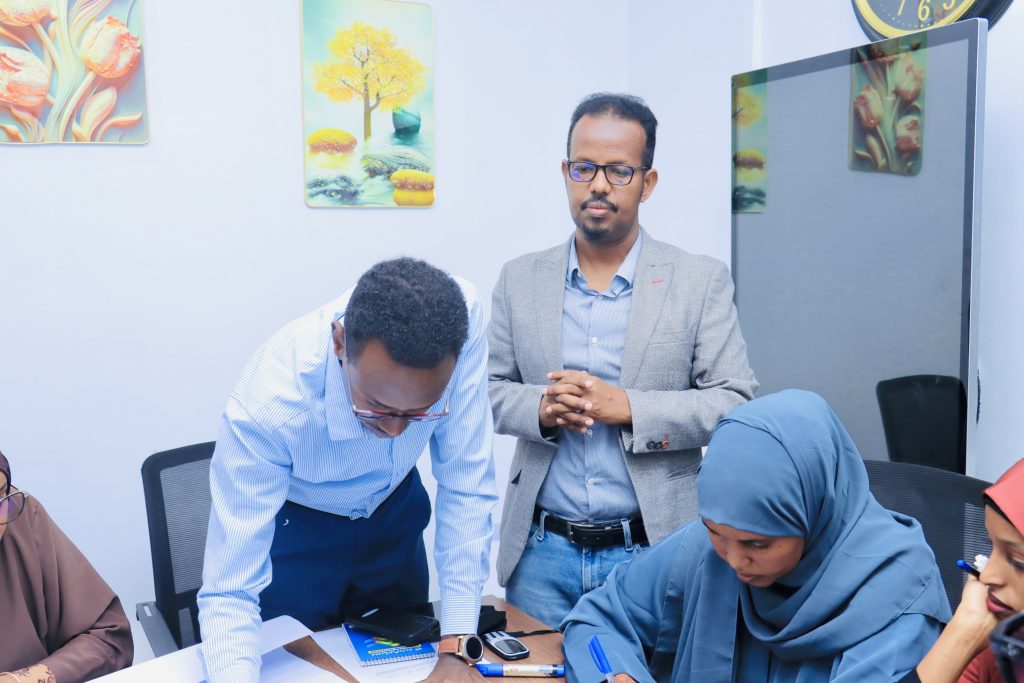
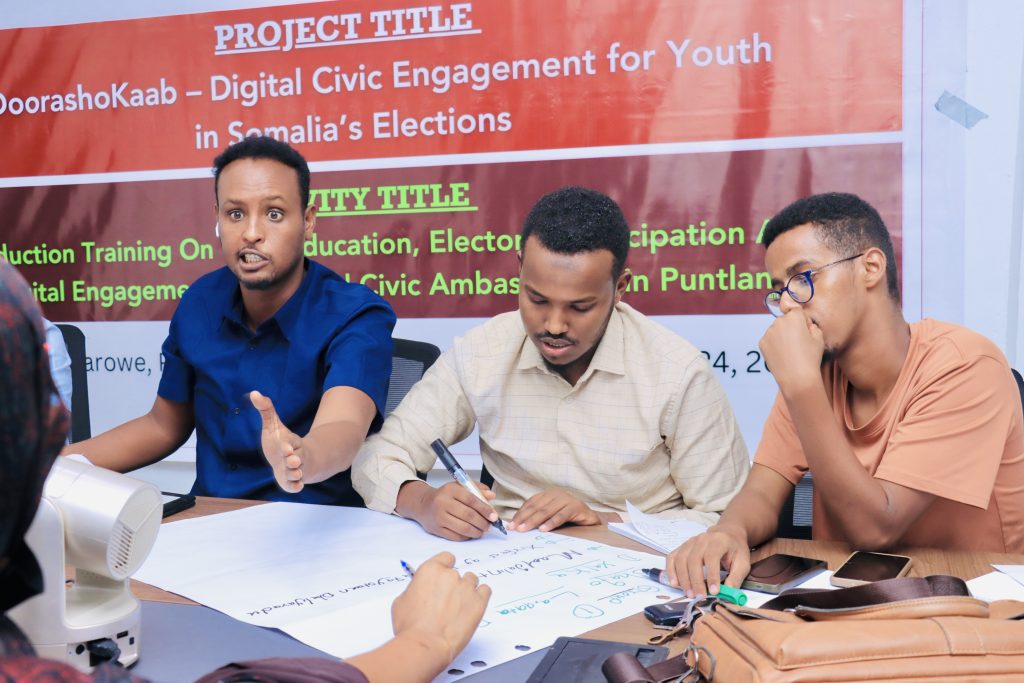
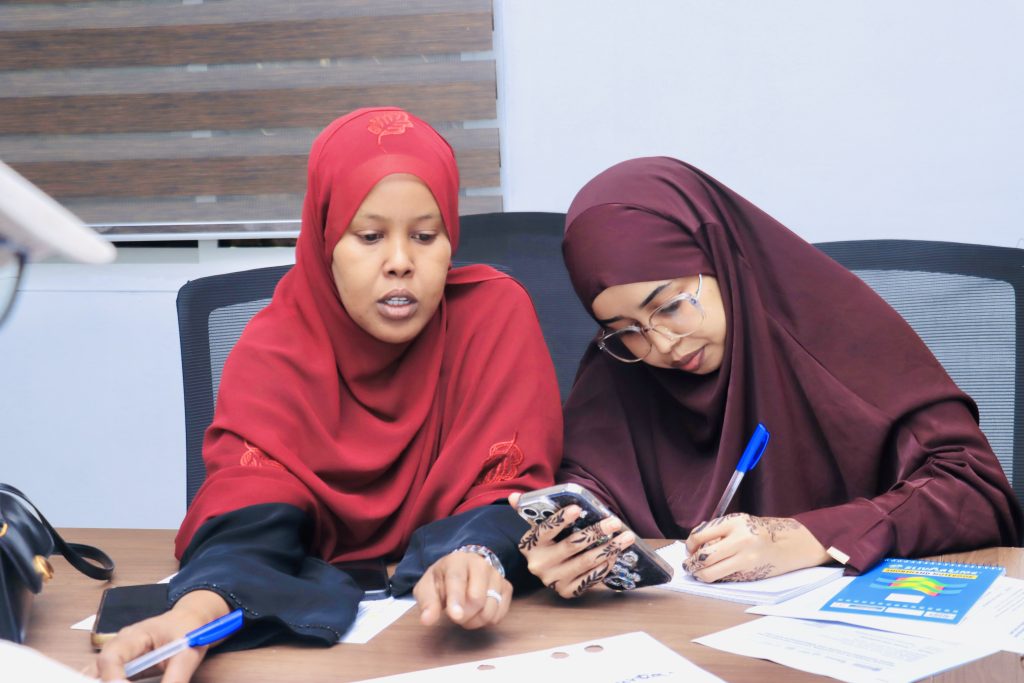
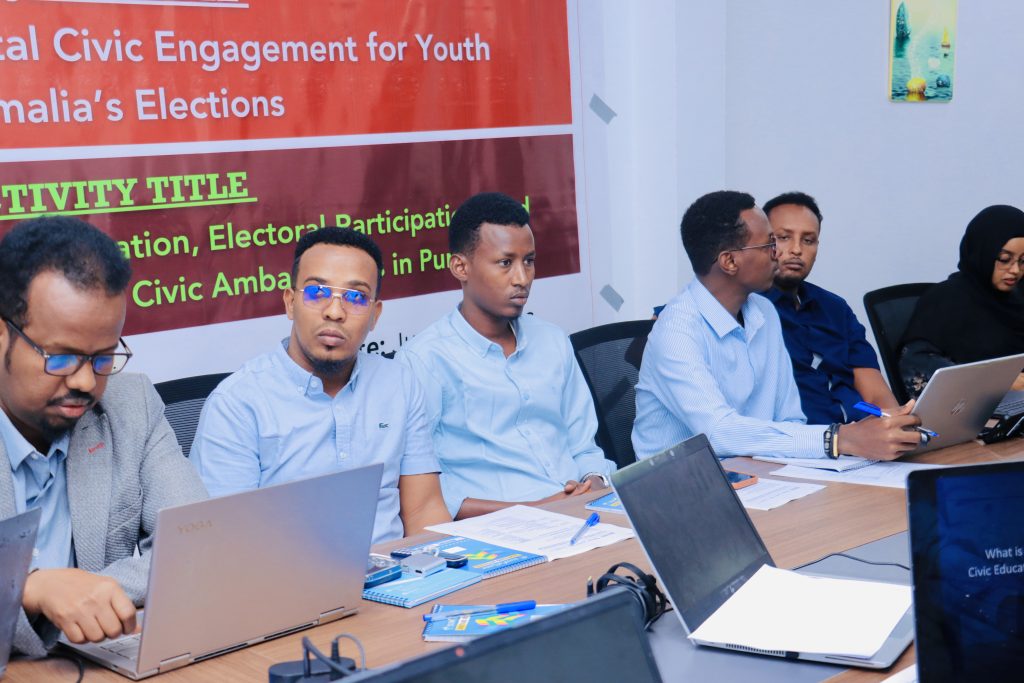
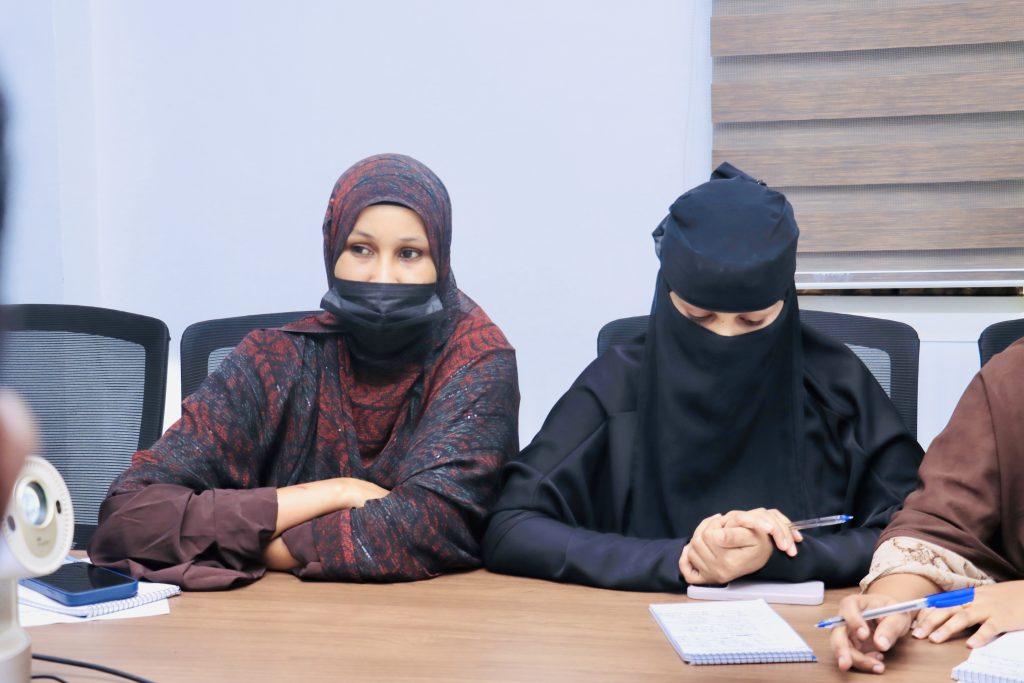
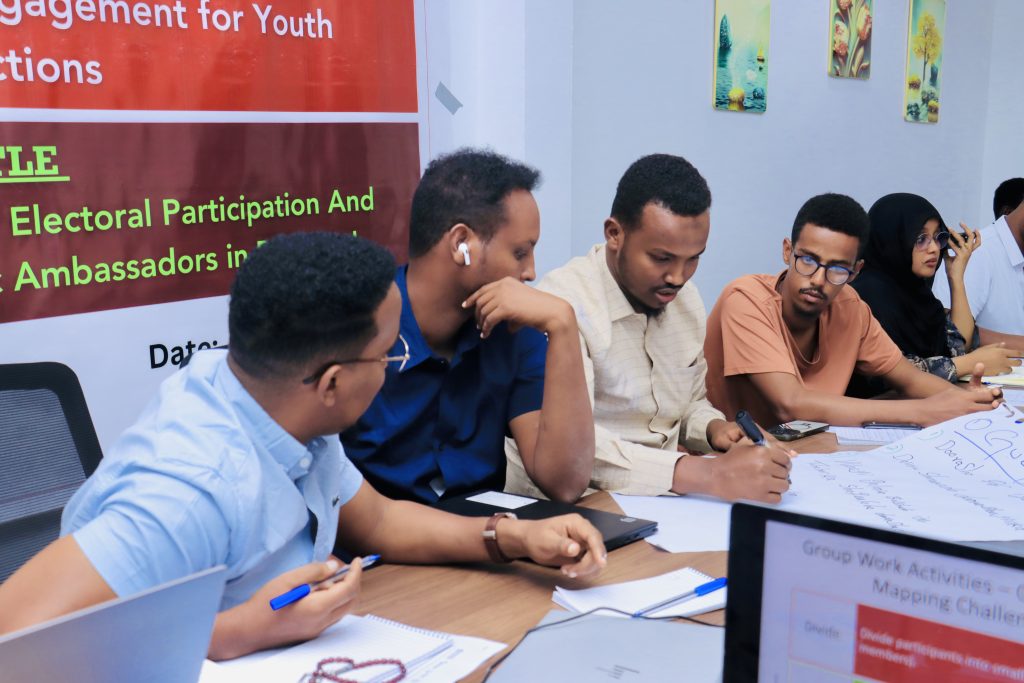
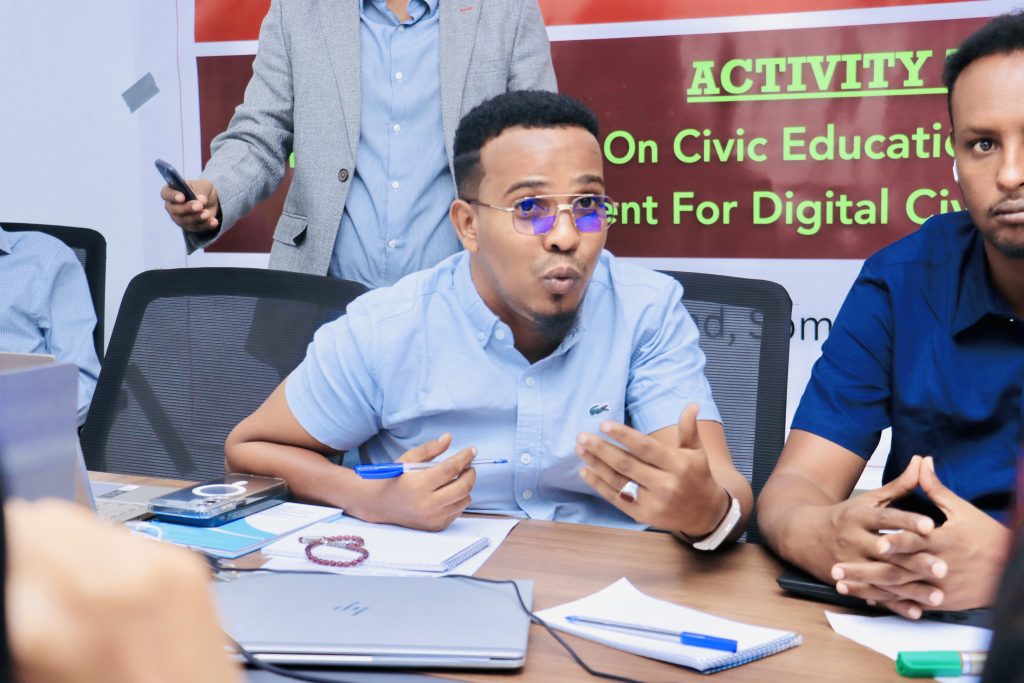
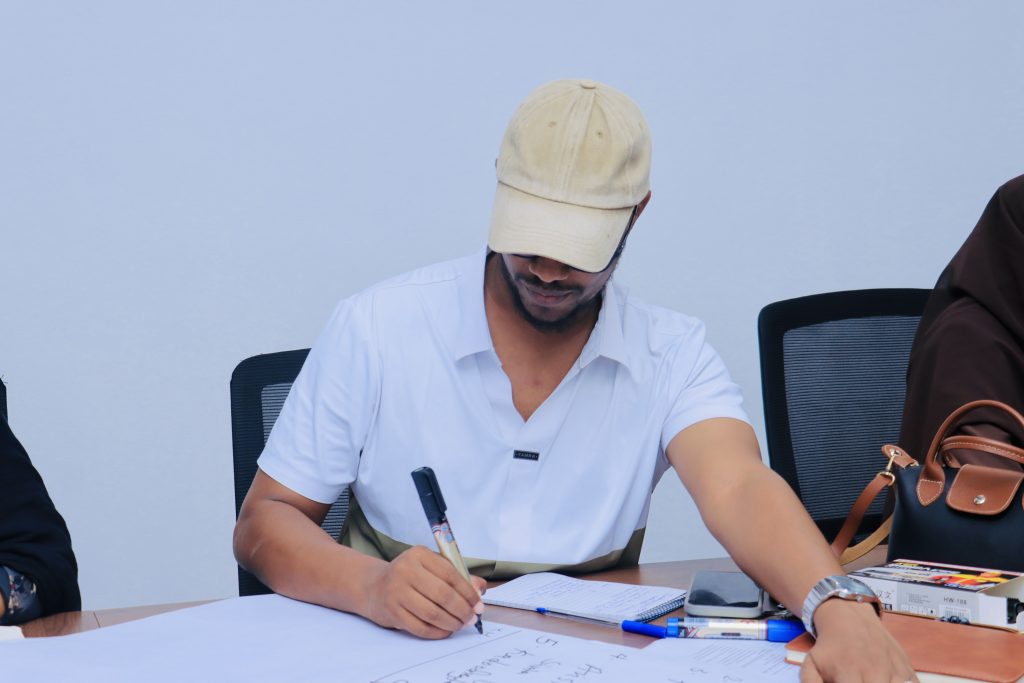
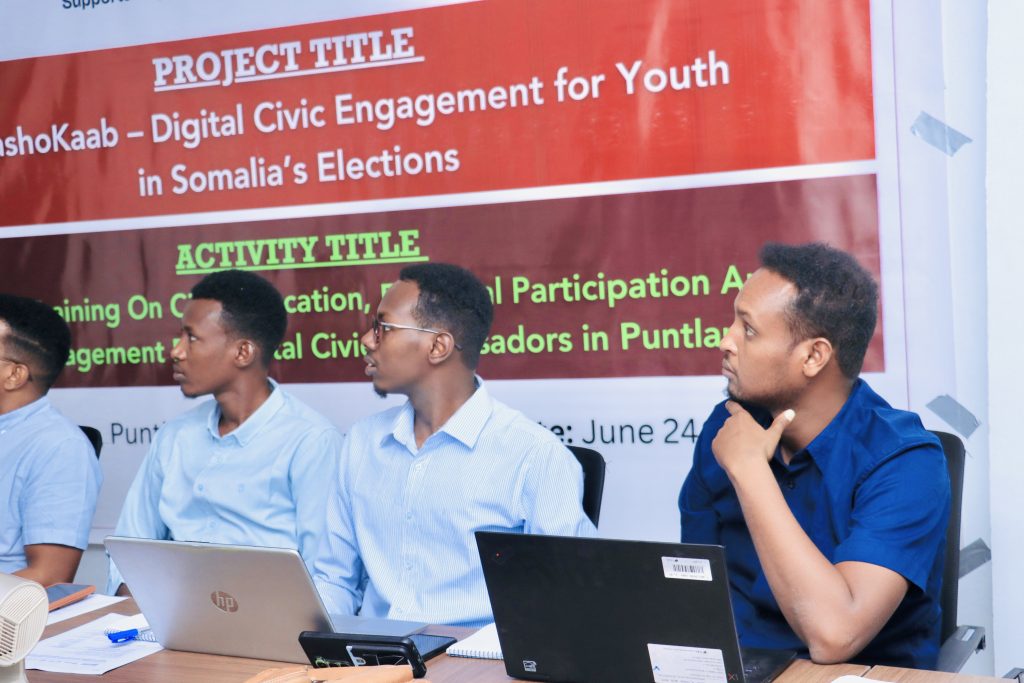
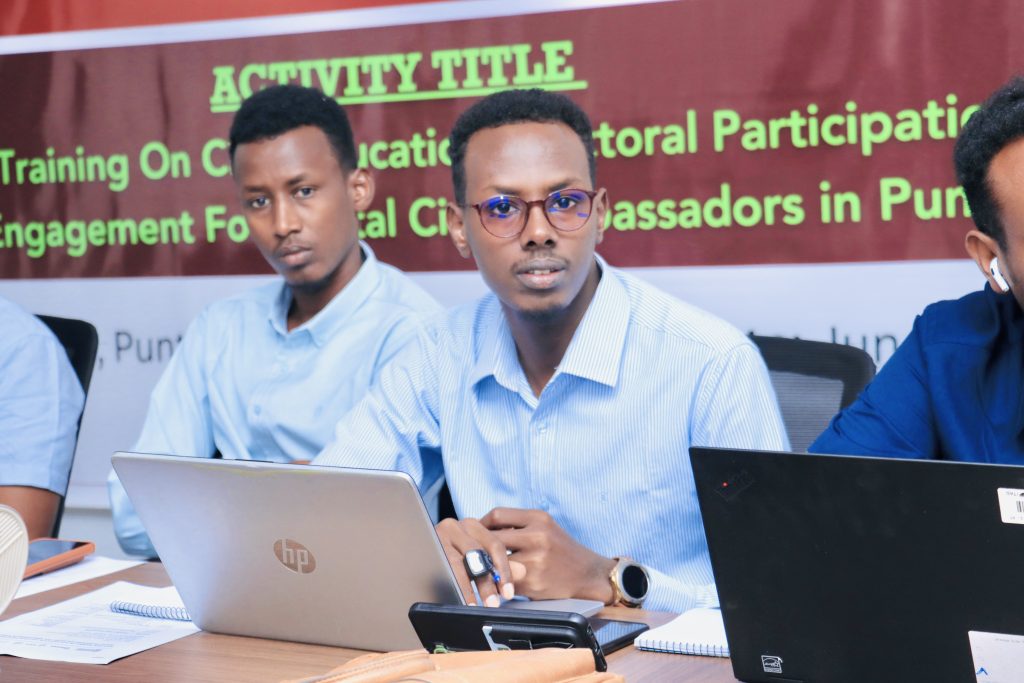
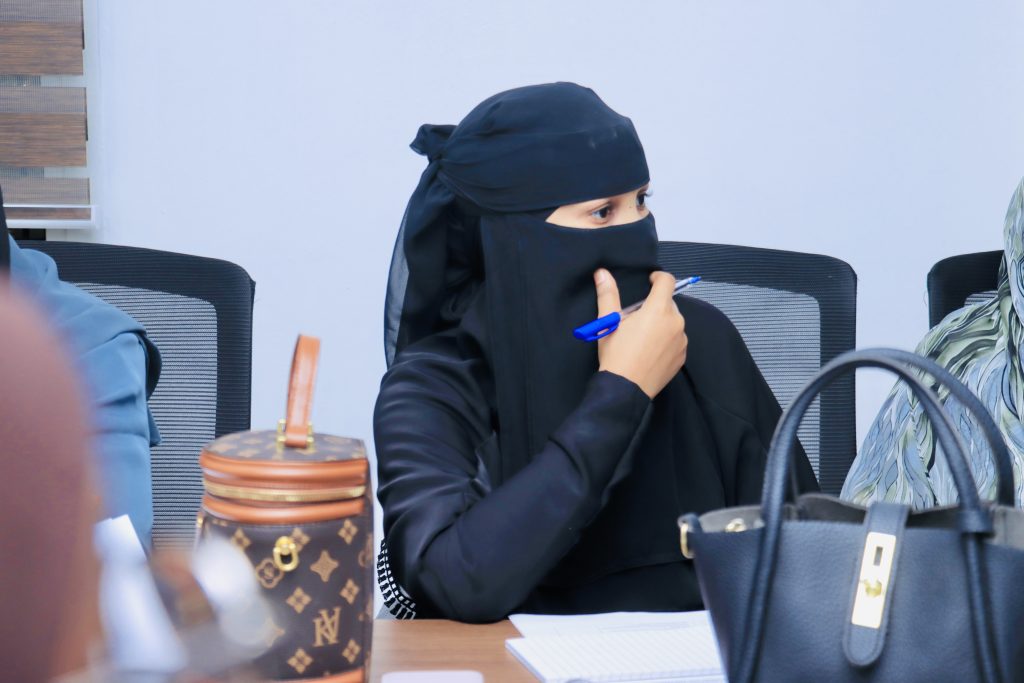
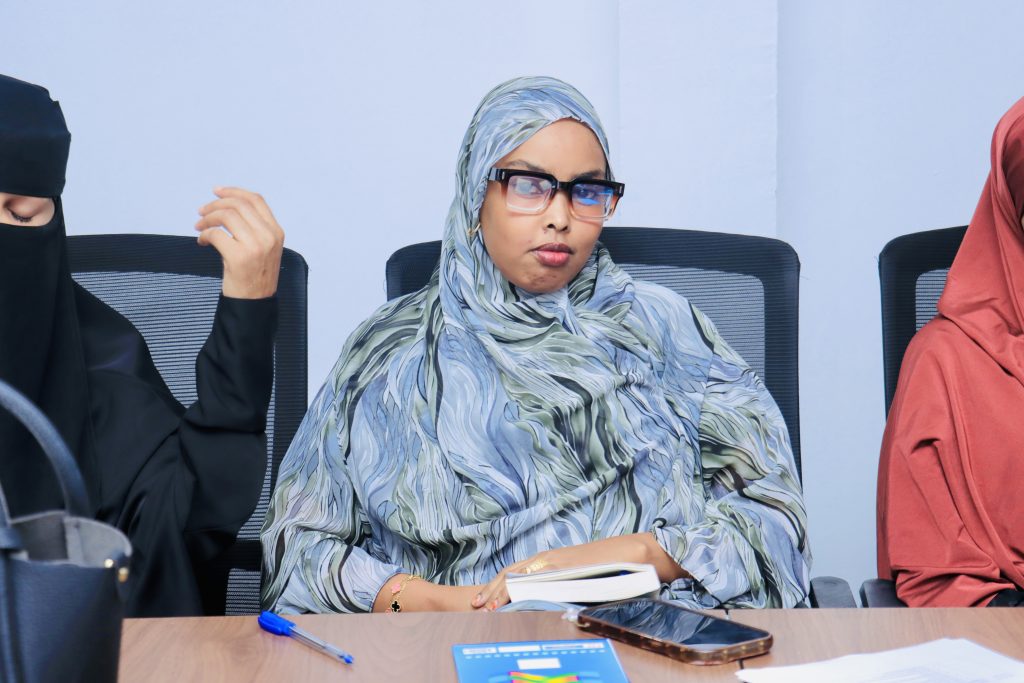
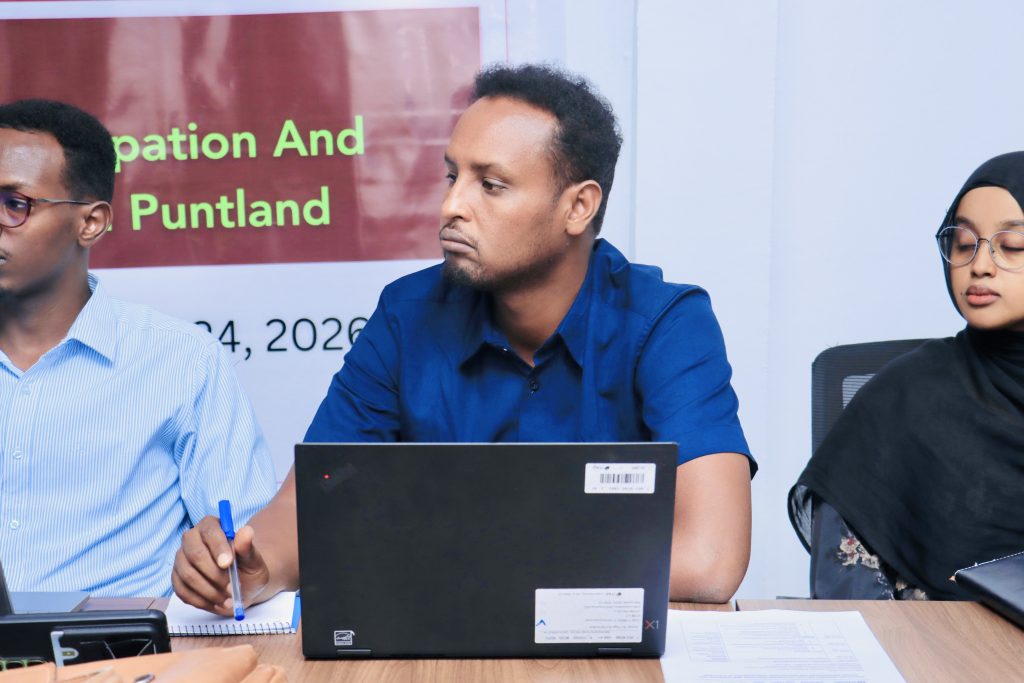
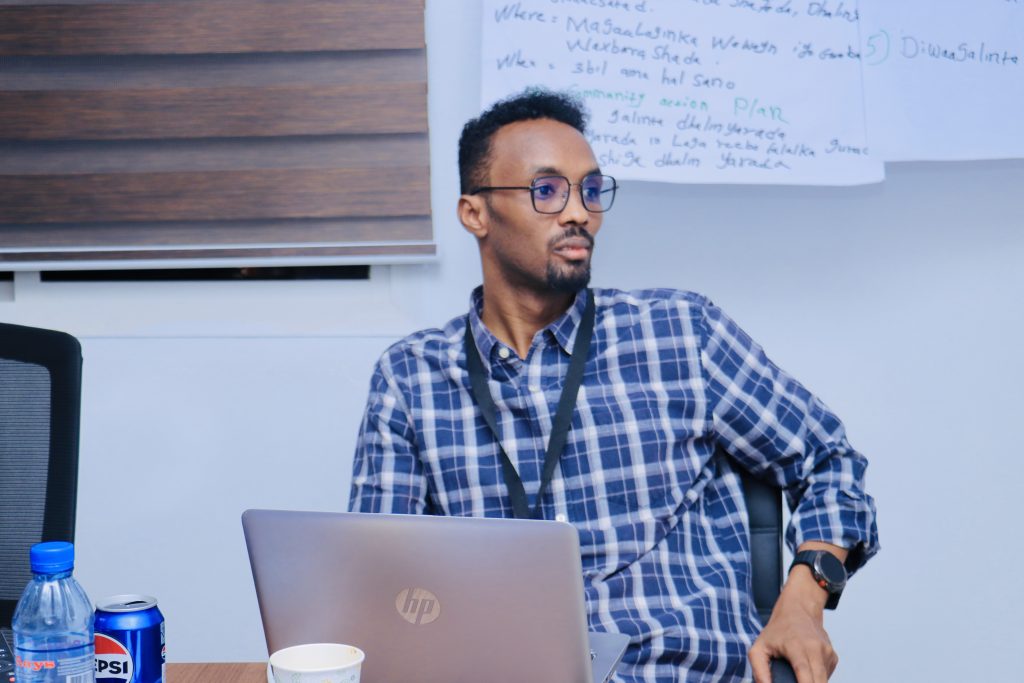
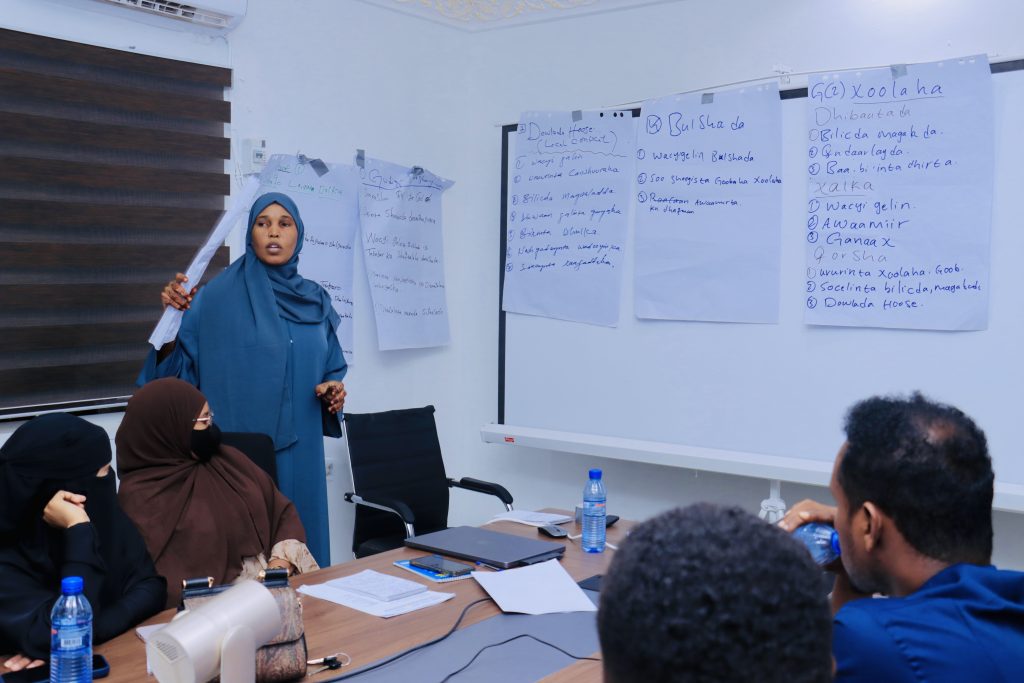
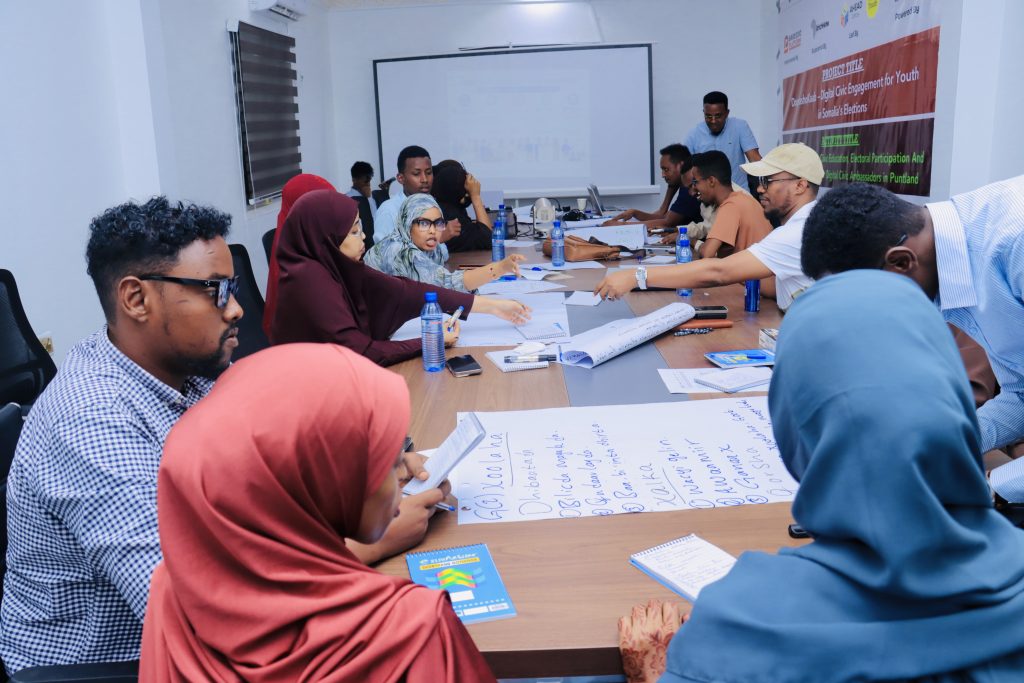
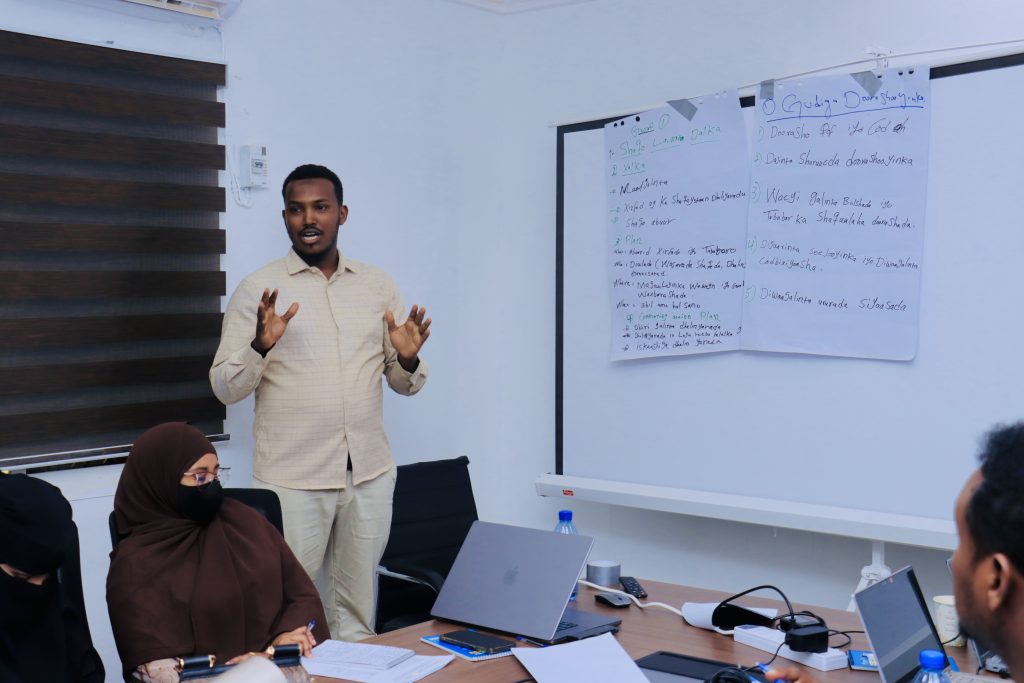
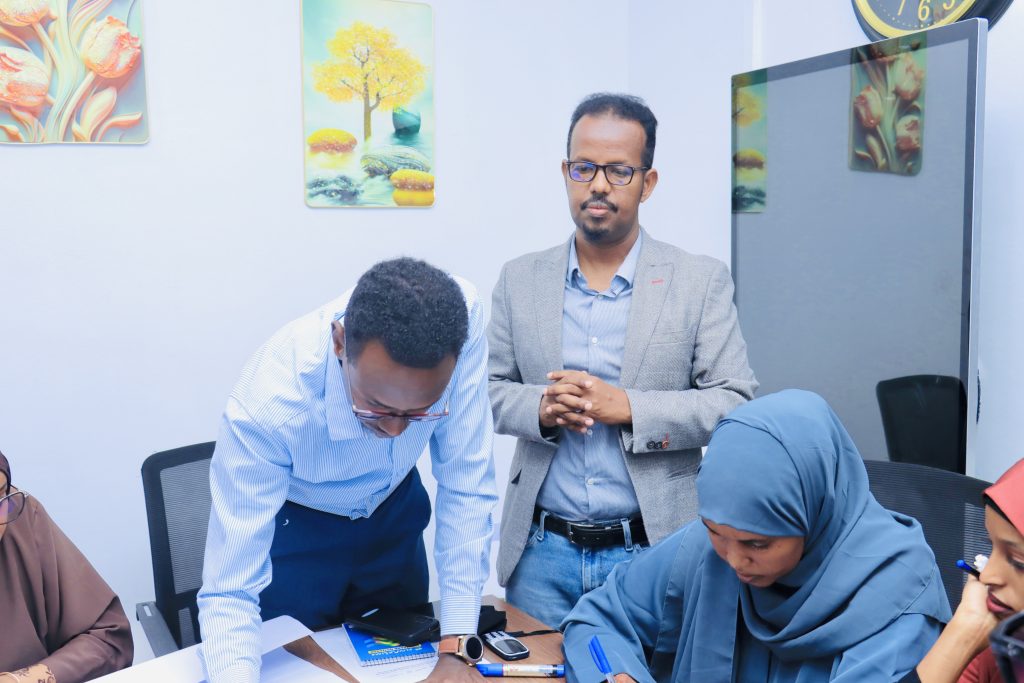
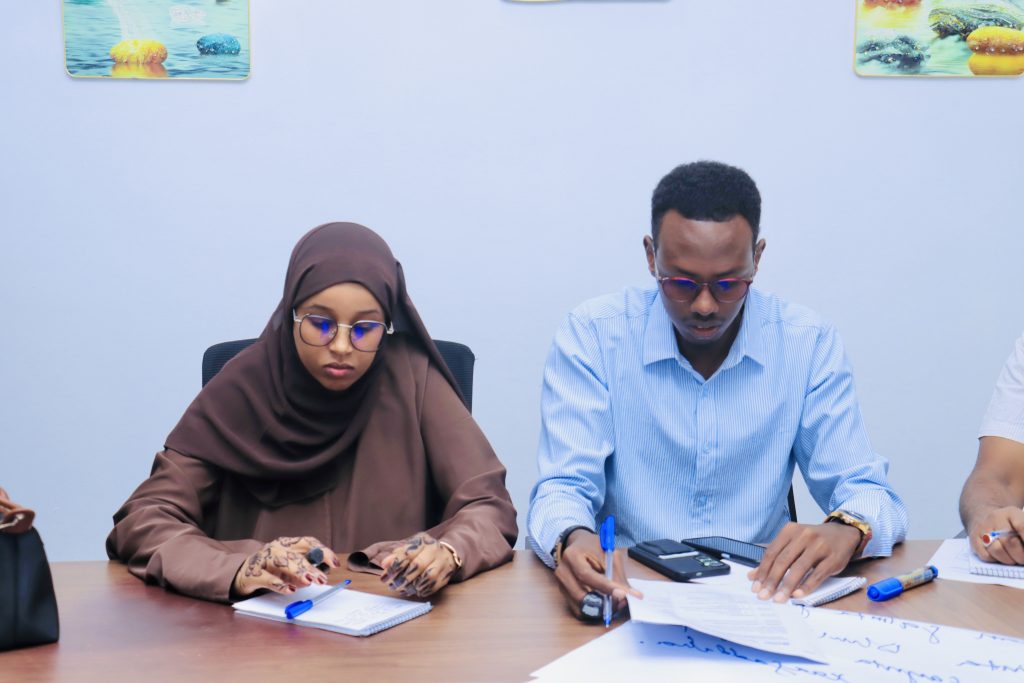
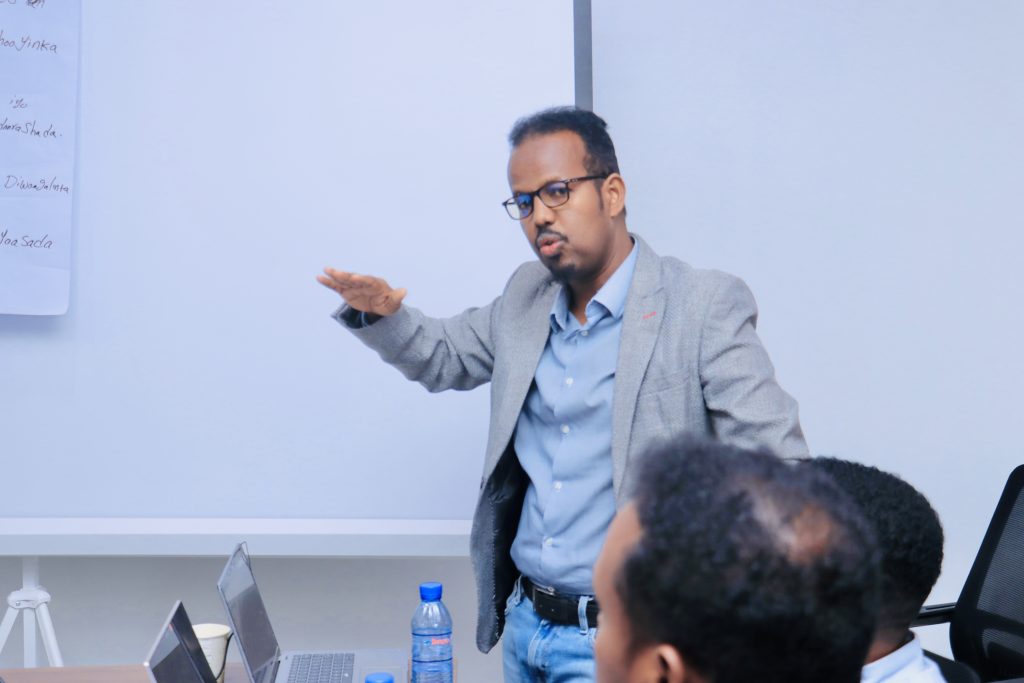
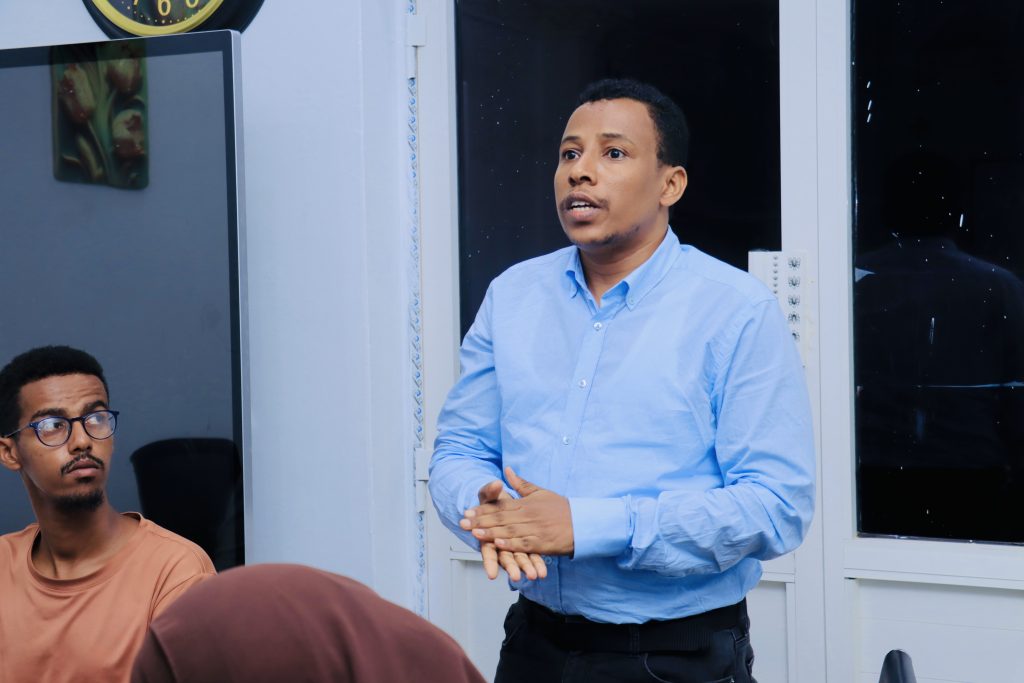
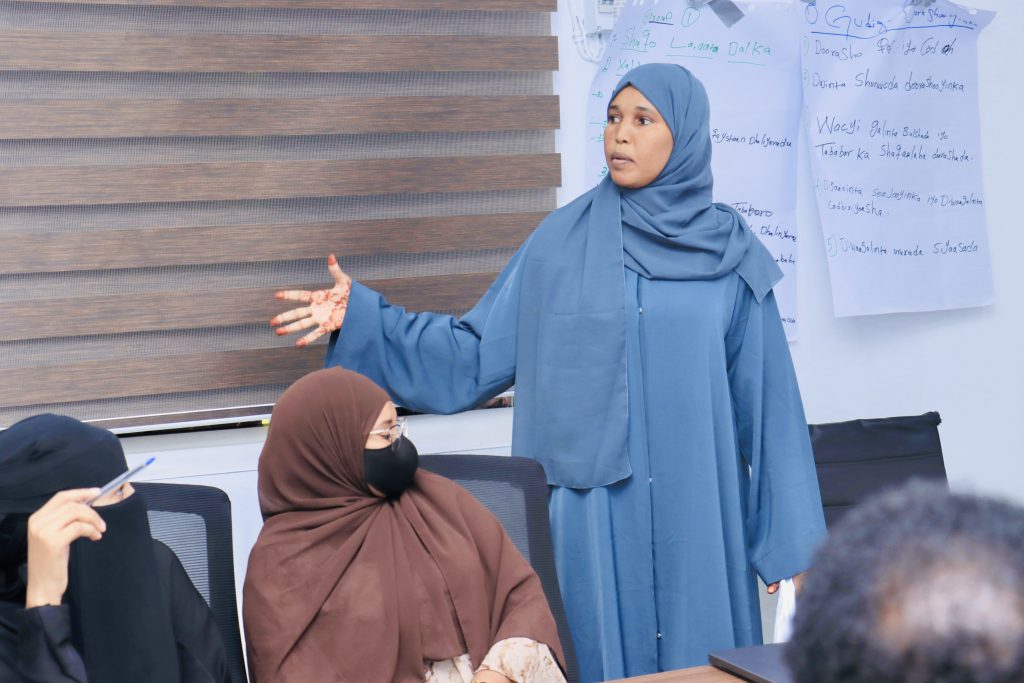
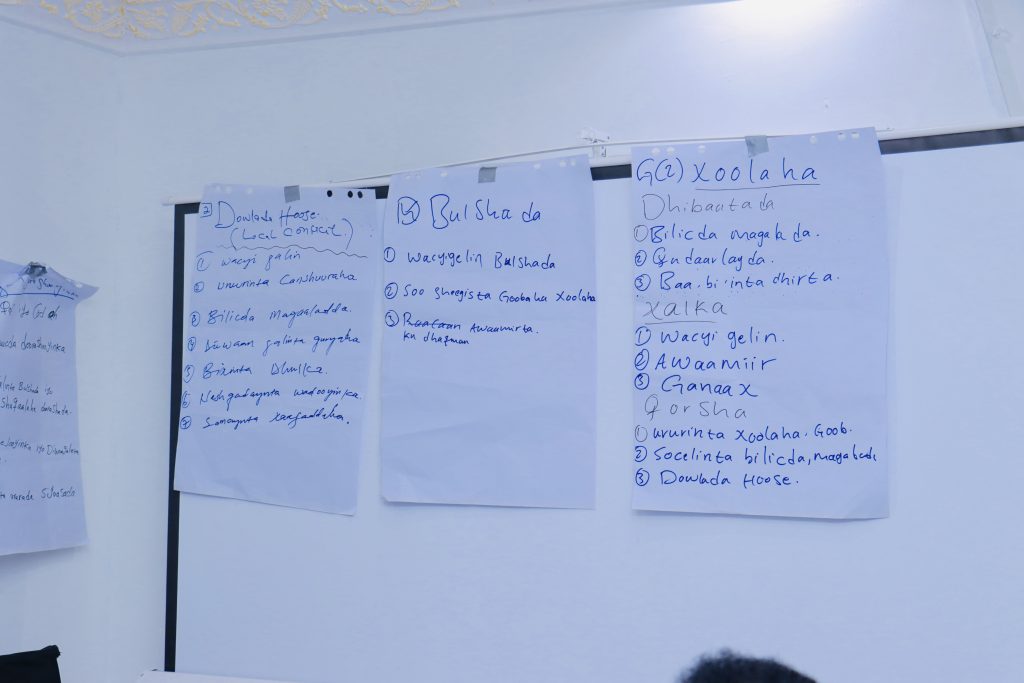
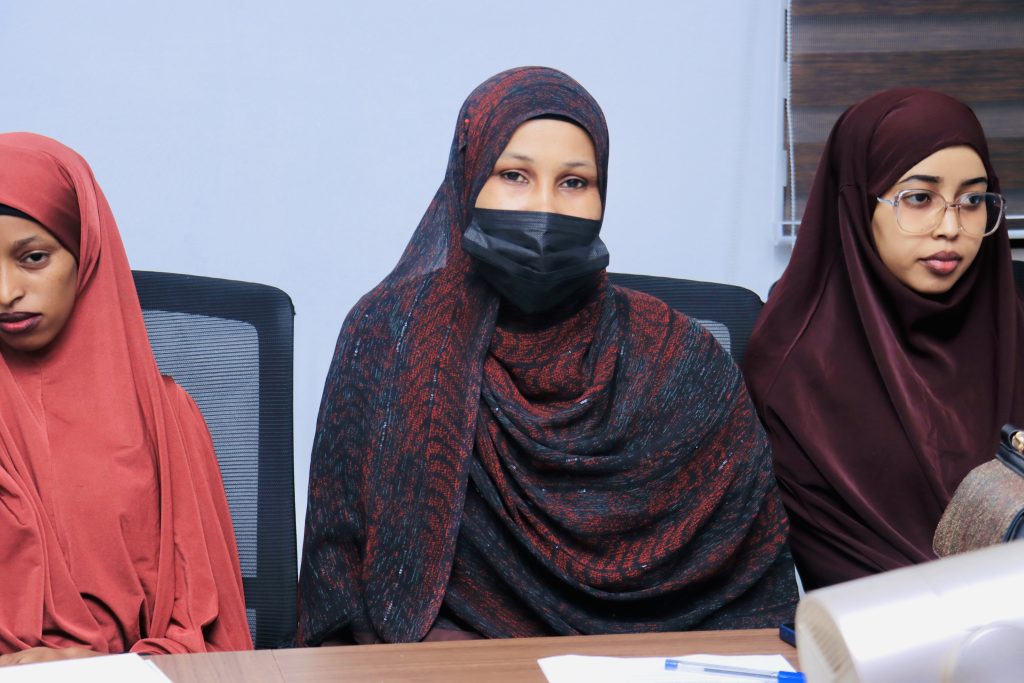
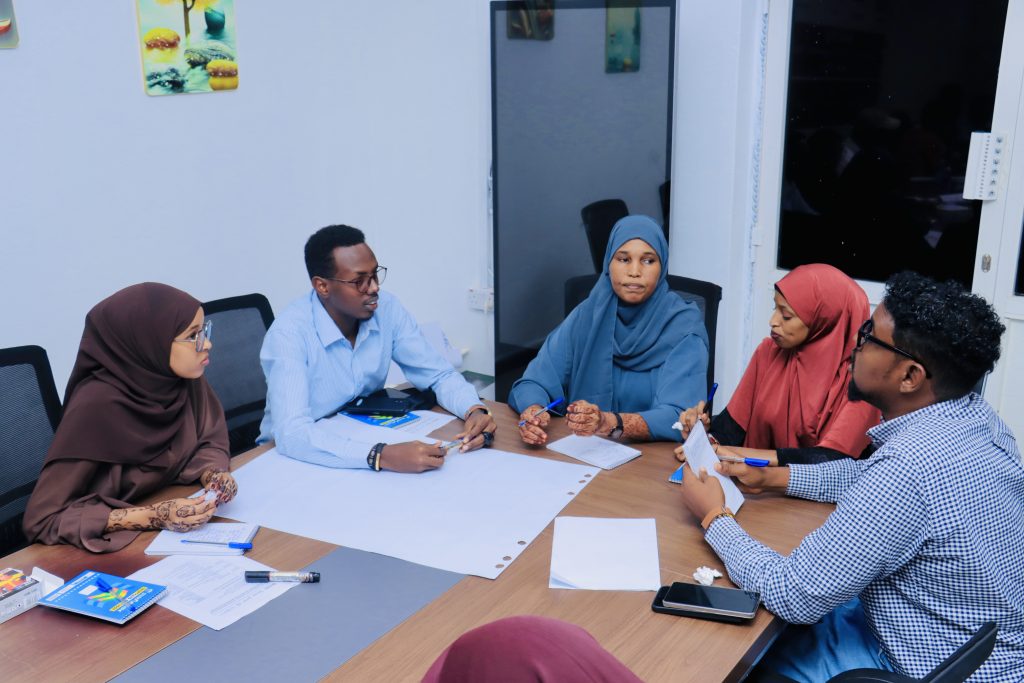
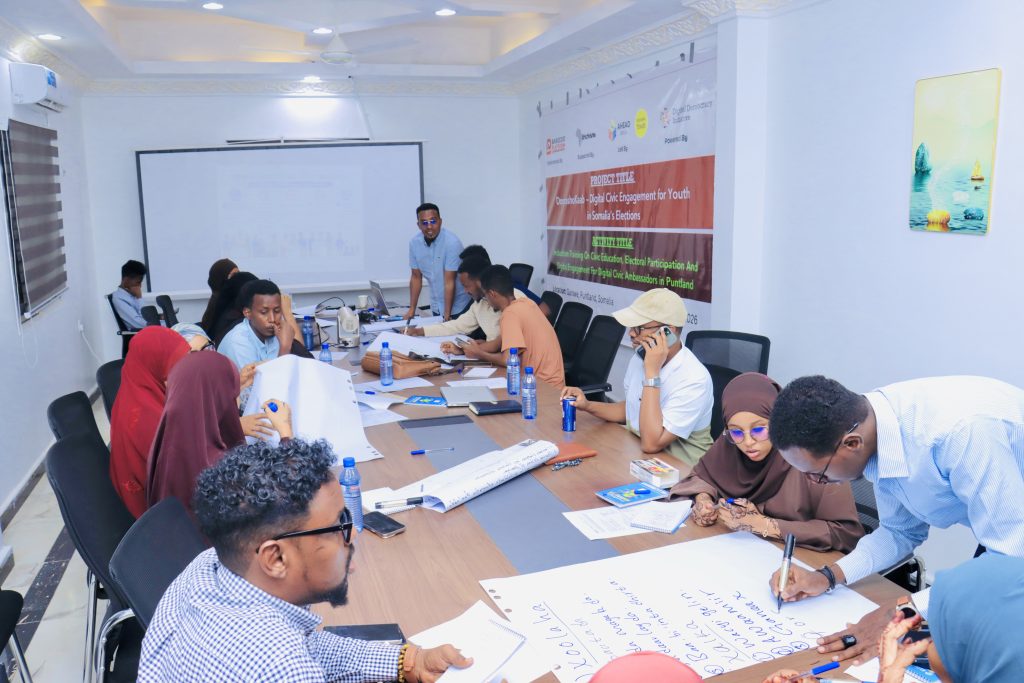
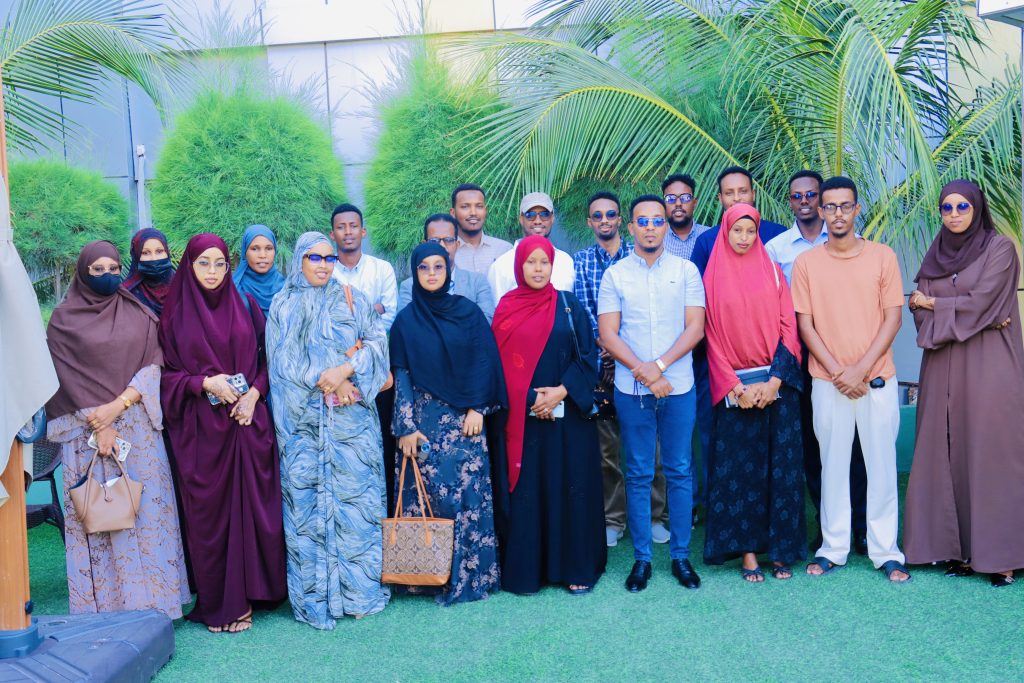
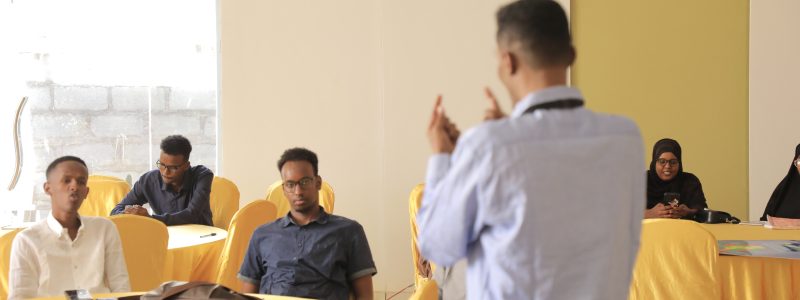
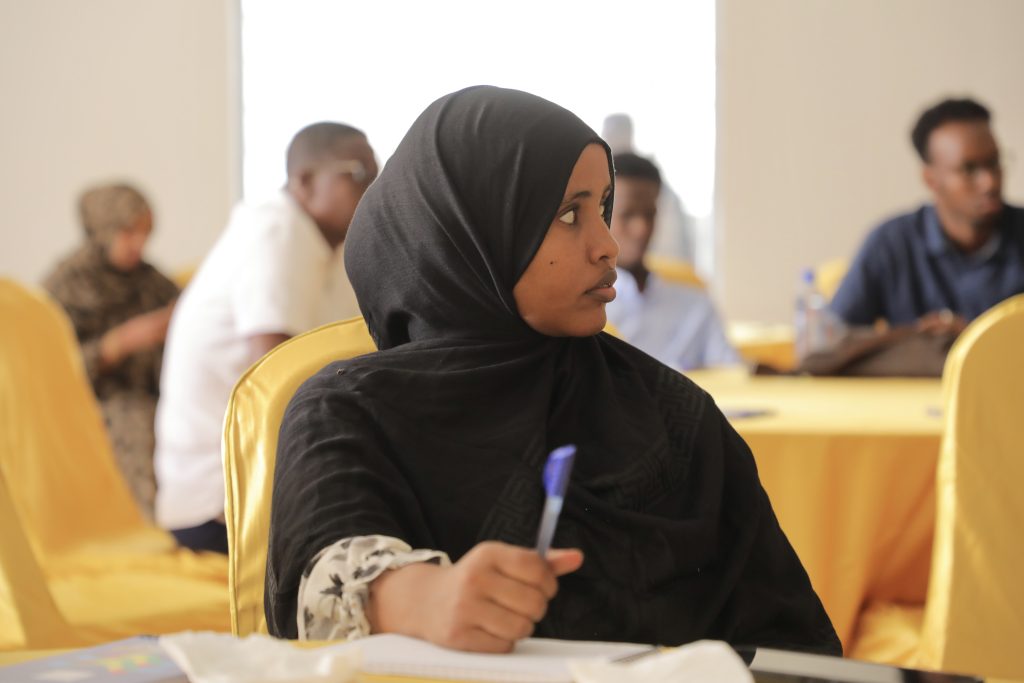
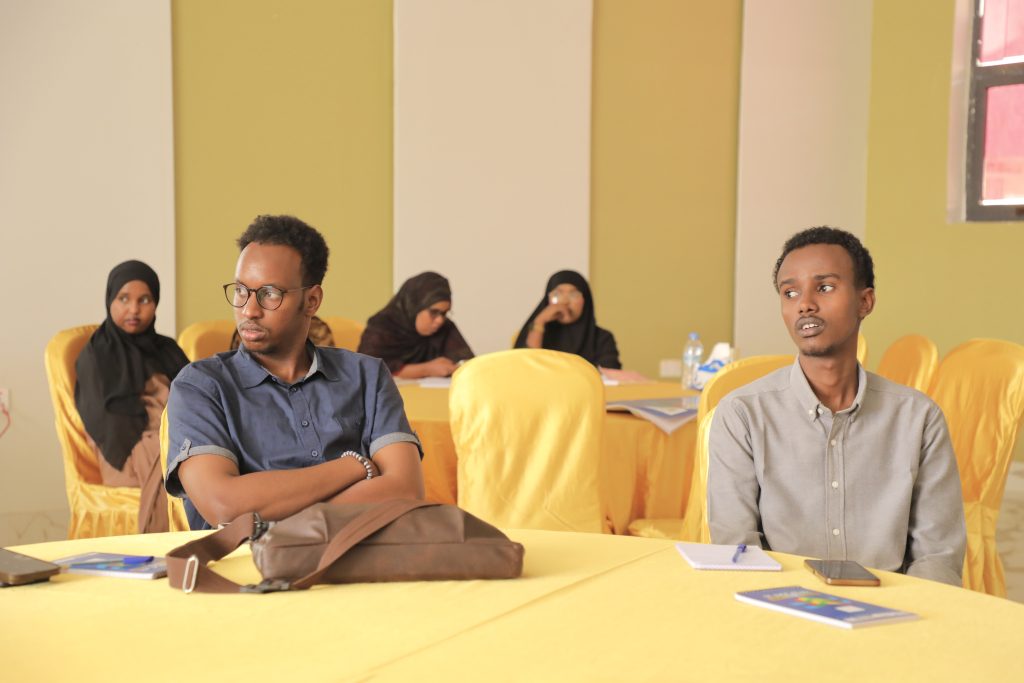
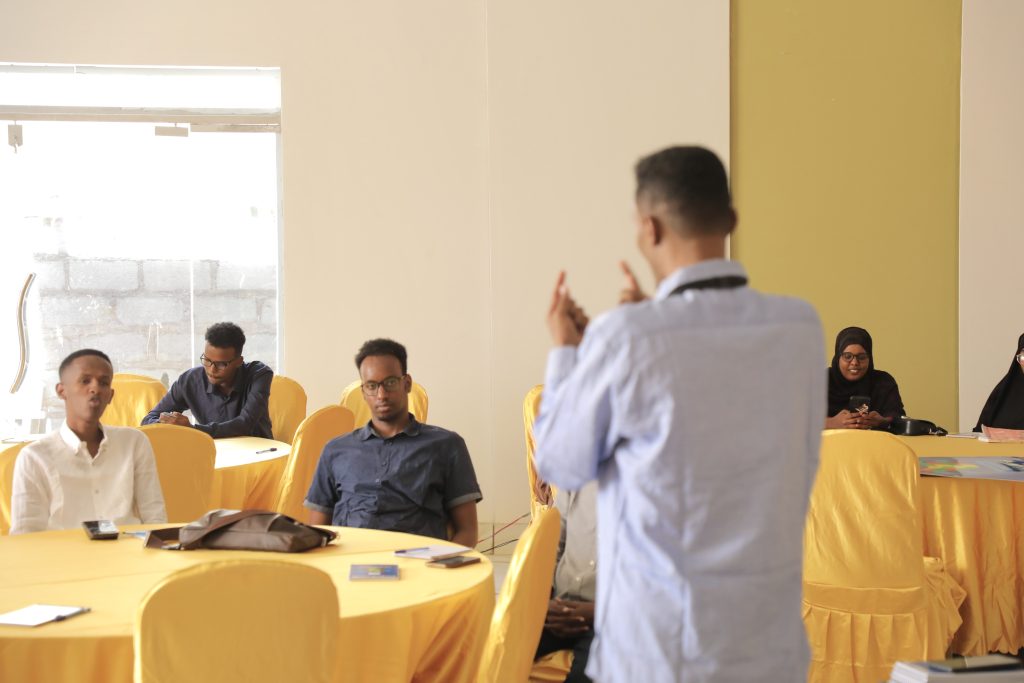
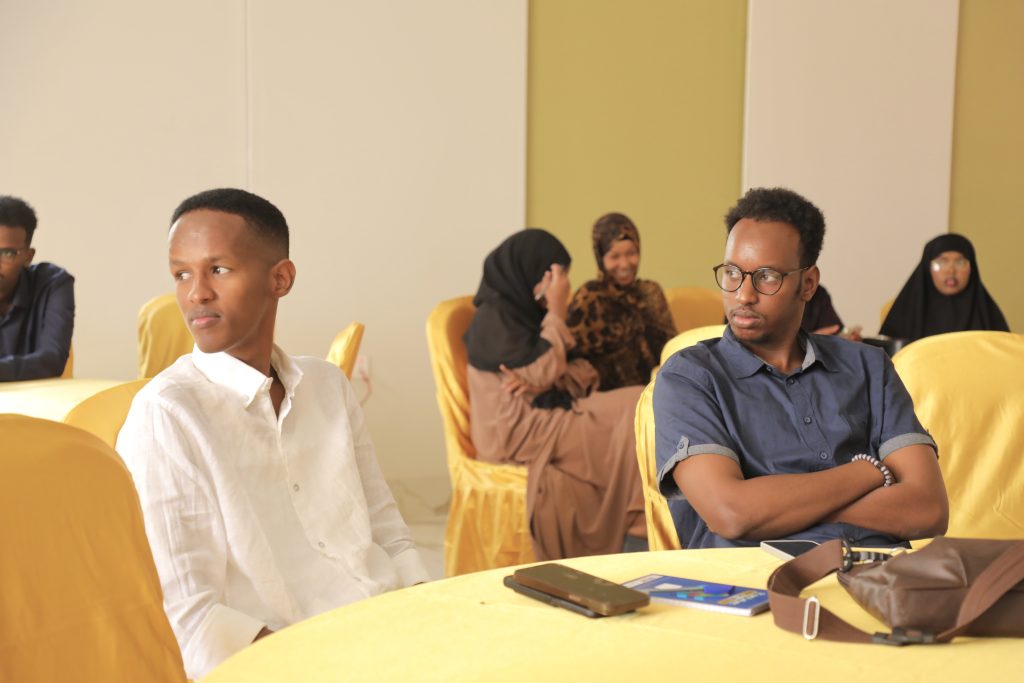
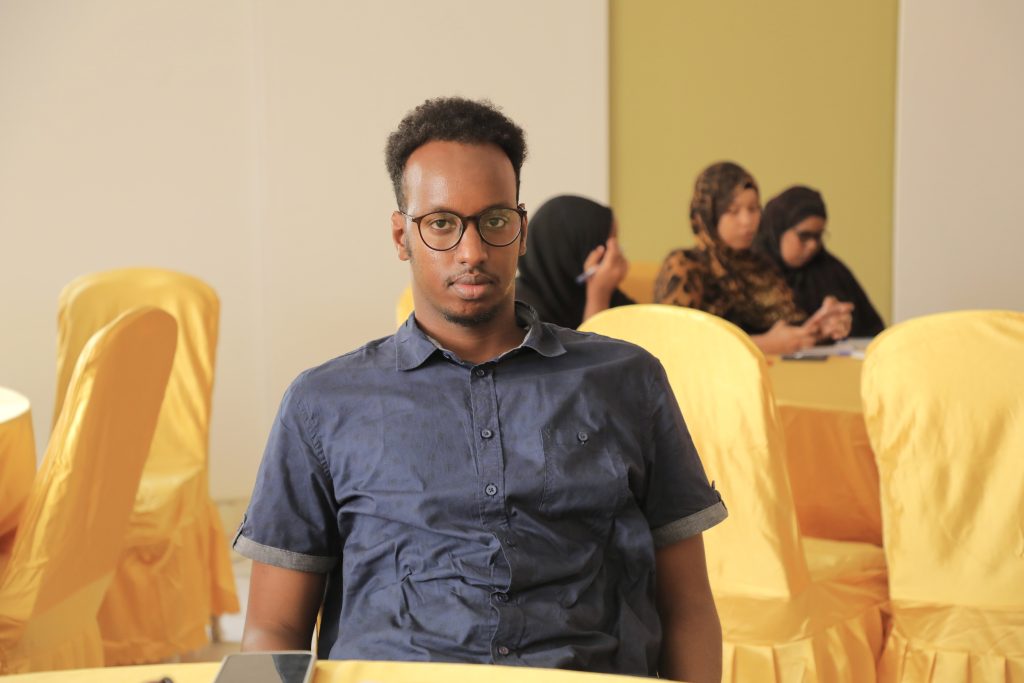
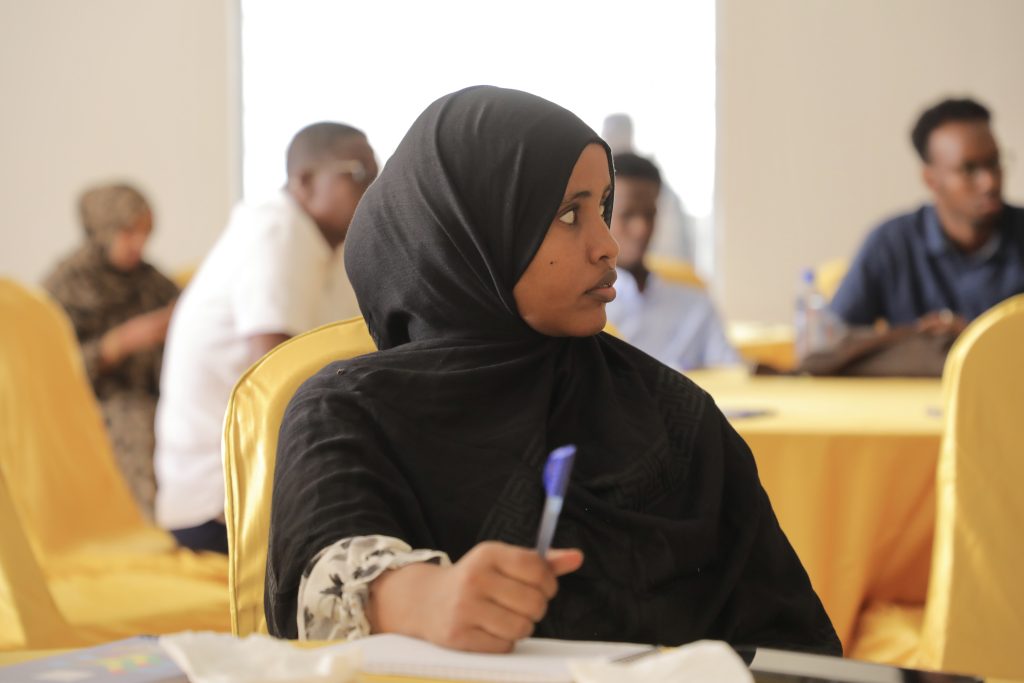
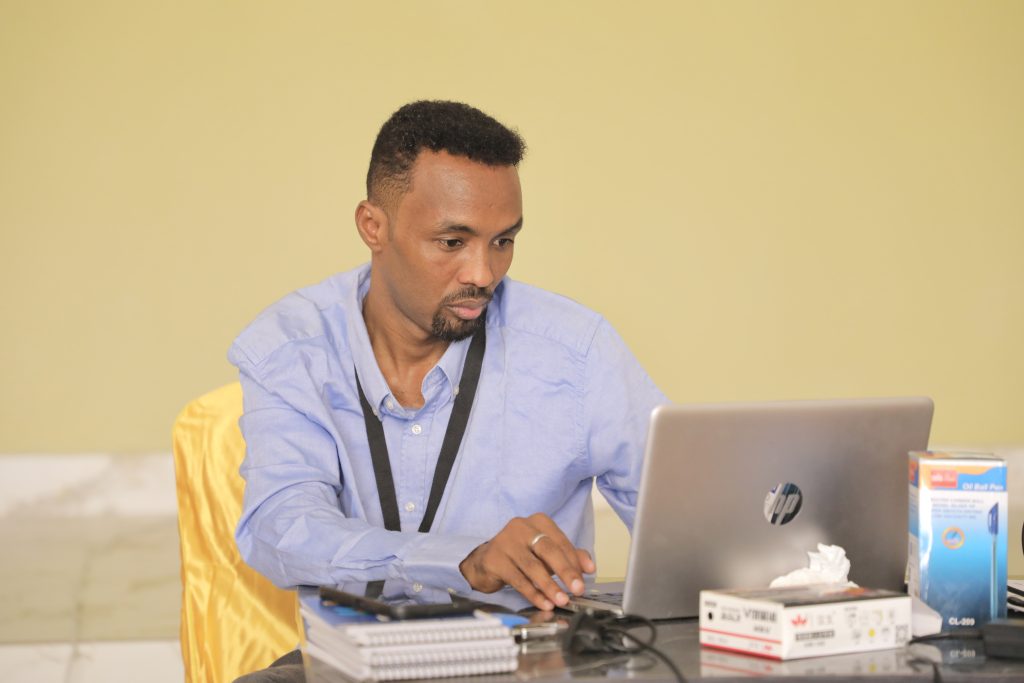
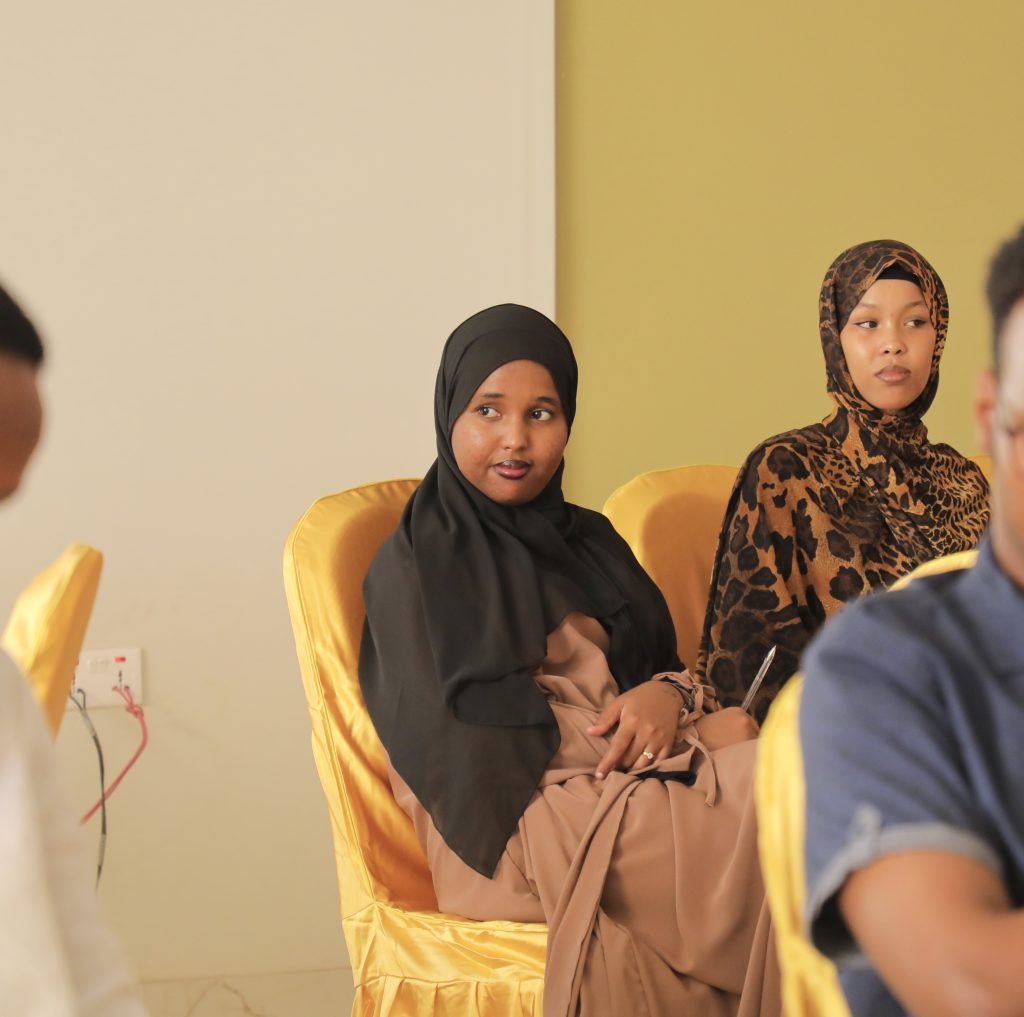
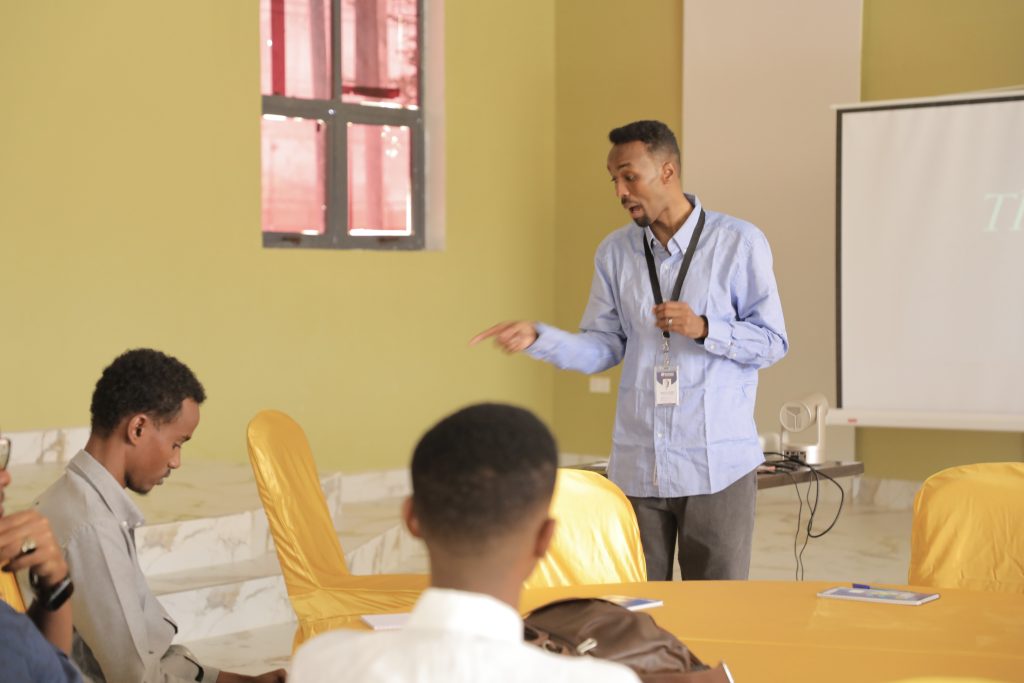
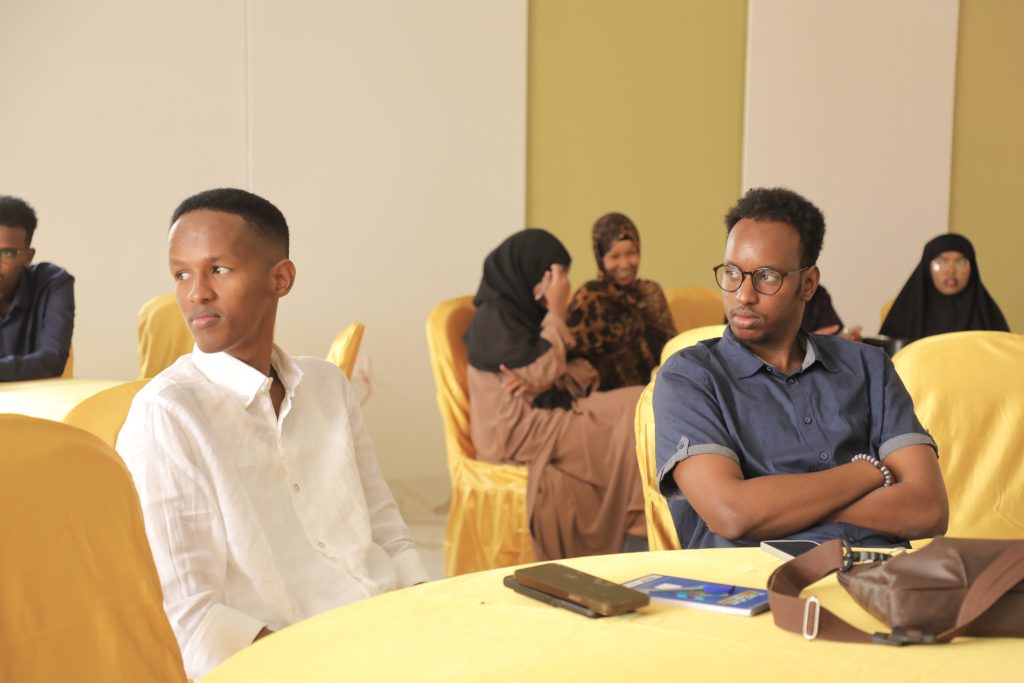
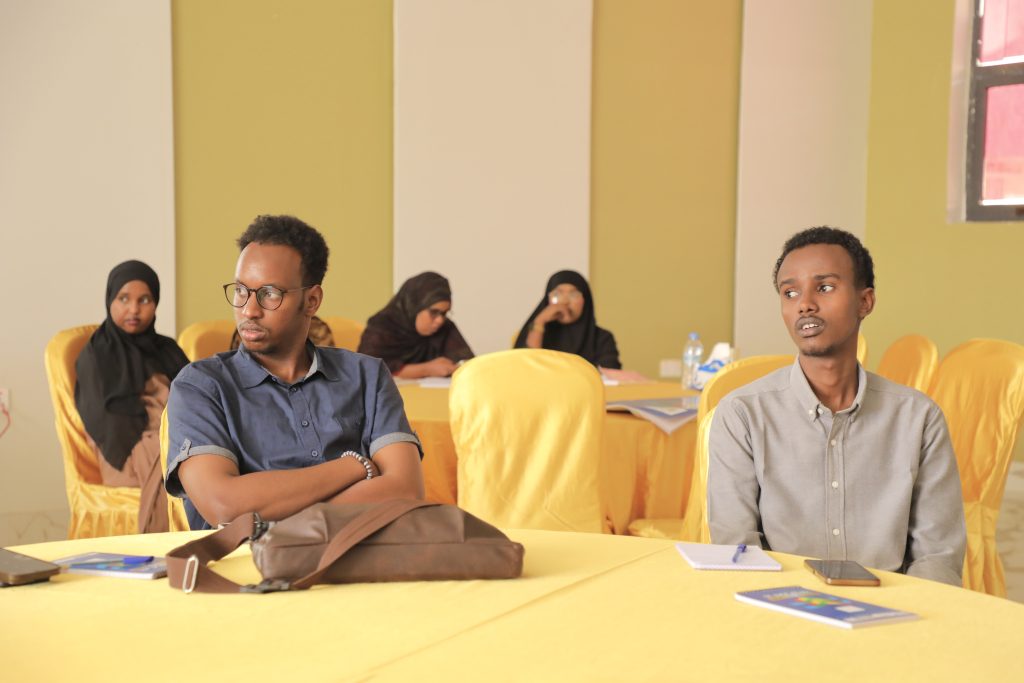
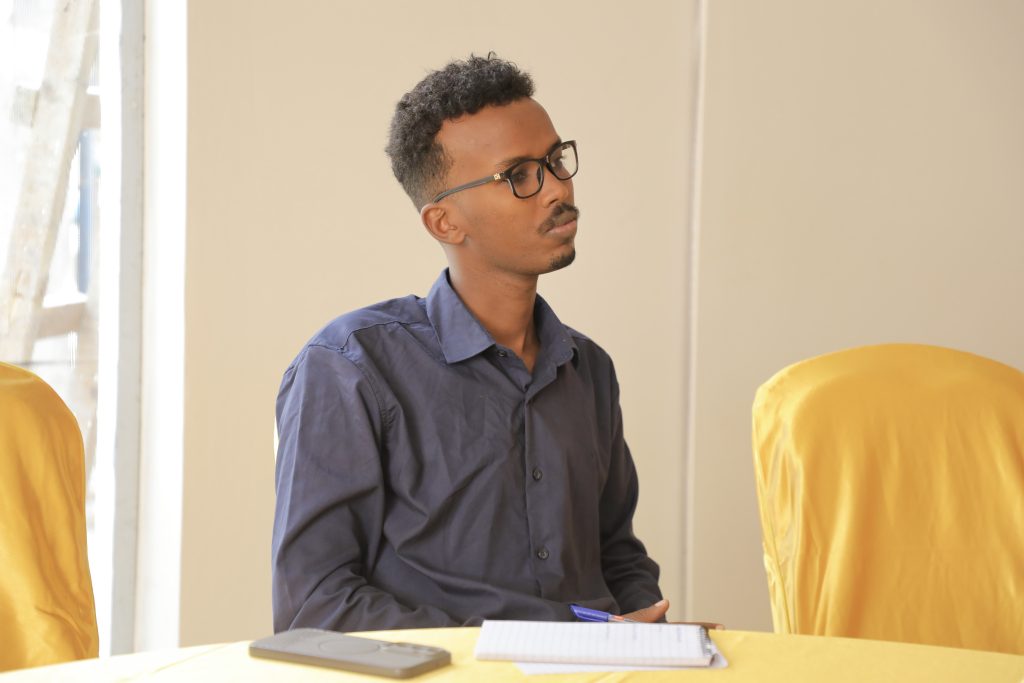
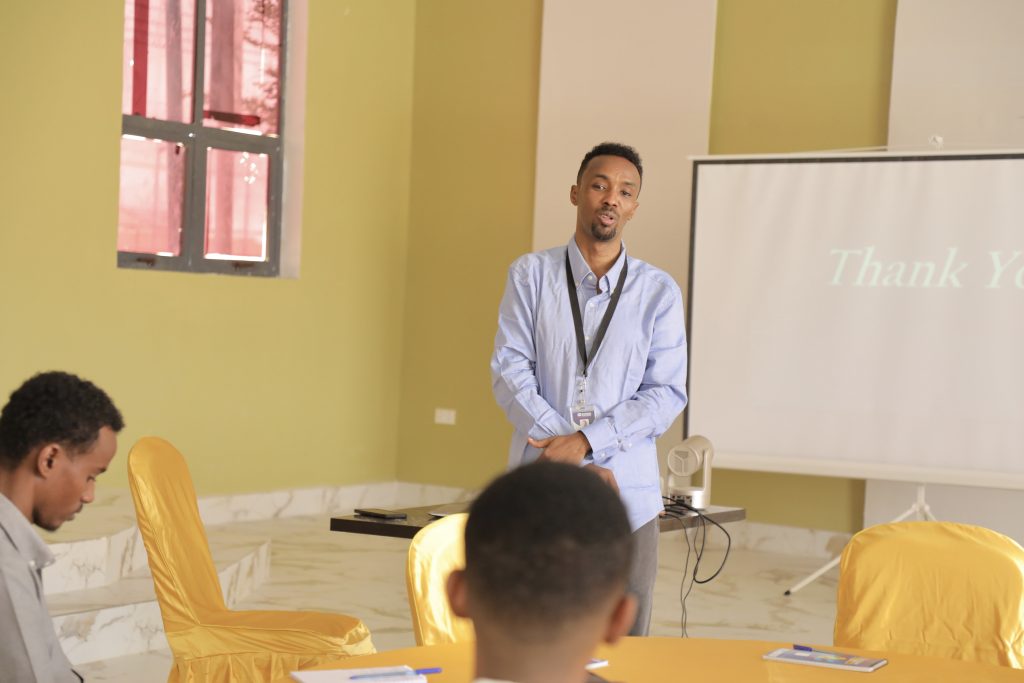
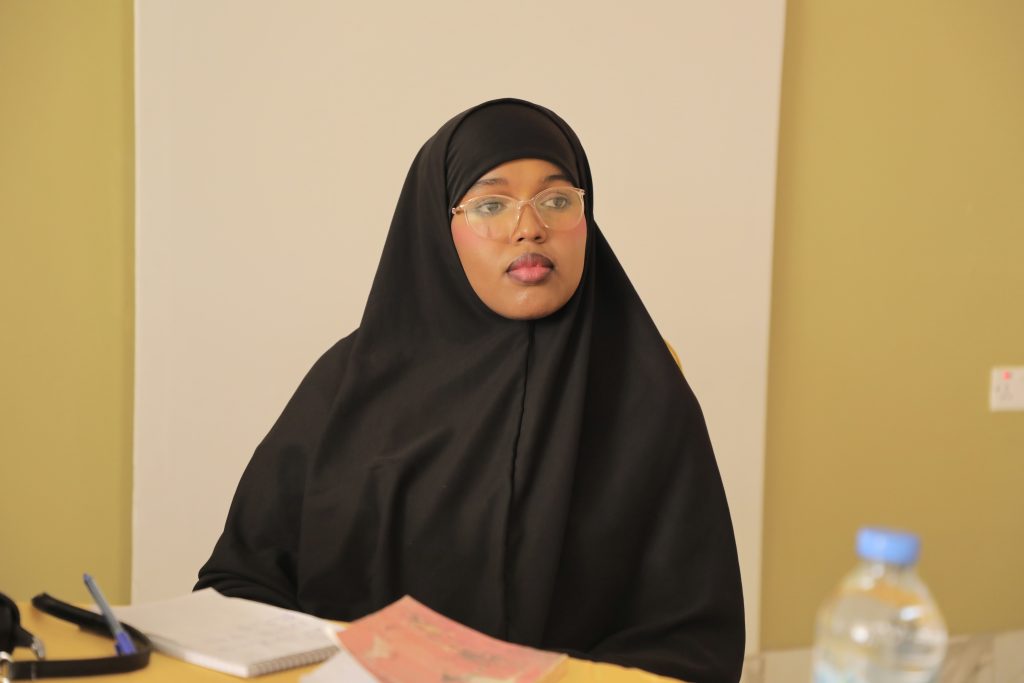
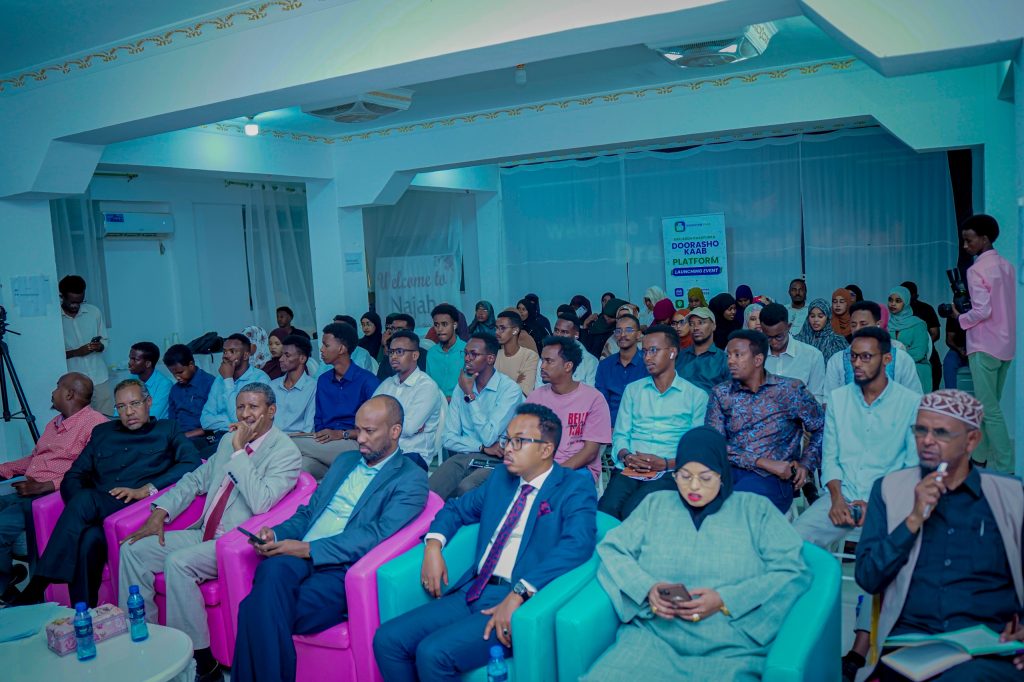
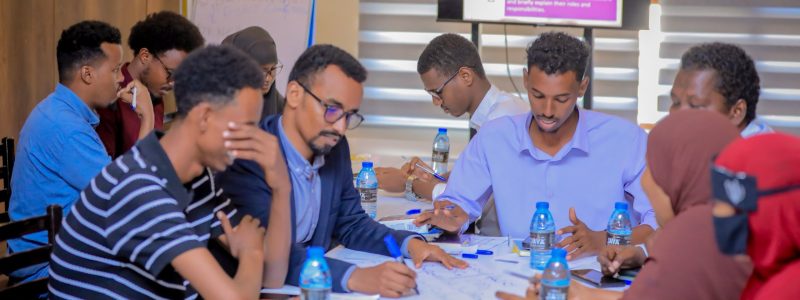
To ensure that the platform reflects the needs and realities of Somali youth, Bareedo Platform organized four consultation sessions in Garowe, Galkacyo, and Mogadishu in January 2026. More than 80 youth participants took part in the discussions, offering valuable insights on the platform’s features, design, content needs, and accessibility.

These consultations played a critical role in shaping the development of DoorashoKaab. Participants emphasized that the platform should focus primarily on civic education, voter information, and real-time reporting of electoral incidents. In addition, the platform should serve as a central hub for general updates and information related to elections across Somalia, covering both federal and state-level electoral processes.

Key Recommendations from Youth Participants

The youth consultations generated a number of important recommendations that will guide the development of the platform:

  • Accessible Civic Education: DoorashoKaab should prioritize civic education content, voter guidance, and reliable election updates in a simple and understandable format, particularly in the Somali language.
  • Low-Bandwidth Optimization: Given Somalia’s connectivity challenges, the platform must function effectively in low-bandwidth environments and remain accessible in areas with limited internet connectivity.
  • Inclusive Communication Formats: To reach citizens who cannot read or have limited literacy skills, the platform should include simplified election information delivered through animations or audio explanations.
  • Lightweight Content: Participants recommended avoiding large or heavy files such as high-resolution videos that could slow down the platform or limit accessibility.
  • Transparent Resources: Any documents uploaded to the platform—such as election policies, procedures, and guidelines—should clearly indicate their source or owner. The platform should also allow users to report outdated documents.
  • Downloadable Resources: Educational materials, electoral guidelines, and other resources should be downloadable so users can access them offline on their mobile devices.
  • Secure and Confidential Reporting: The platform should allow users to report election-related incidents anonymously or by name, while ensuring that personal information such as names and contact details is not publicly displayed.
  • Youth Advisory Mechanism: Participants recommended establishing a youth advisory committee and discussion forums to further promote citizen engagement and digital innovation in electoral participation.
  • Data and Accountability: DoorashoKaab should publish quarterly or annual bulletins presenting data on platform usage, civic engagement trends, challenges, and improvements. These reports could help inform policymakers and stakeholders about the progress of youth participation in elections.
  • Impartial and Inclusive Governance: To maintain trust, the platform must remain impartial, fair, and accessible to all federal member states. It should avoid influence or manipulation by political actors.
  • Civil Society Ownership: Participants strongly emphasized that the platform should be managed and maintained by Bareedo Platform in collaboration with civil society and youth groups. Transferring full control to government electoral bodies could risk ineffective maintenance, reduced transparency, or potential manipulation of information.

Moving Forward

Bareedo Platform will incorporate the insights and recommendations gathered during the consultations into the ongoing development of DoorashoKaab. The goal is to build a civic technology platform that is accessible, inclusive, secure, and responsive to the needs of Somali youth.

By leveraging digital tools to provide credible information, civic education, and citizen reporting mechanisms, DoorashoKaab has the potential to strengthen democratic participation and rebuild trust in electoral processes in Somalia.

The consultation process was led by a team headed by Mr. Abdirahman Mohamed Hassan, a civic education expert with over 14 years of experience in civic education, community outreach, and electoral processes. His leadership ensured that the discussions were grounded in both practical electoral experience and the realities facing Somali youth today.

As Somalia continues its gradual path toward democratic reform, initiatives like DoorashoKaab demonstrate how civic technology can play a transformative role in bridging the gap between citizens and democratic institutions—particularly for the country’s largest and most dynamic demographic: its youth.

Bossaso, the largest commercial and port city in Puntland State of Somalia, serves as a critical hub along the Eastern Migration Route, functioning both as a transit point and destination for migrants traveling between the Horn of Africa and the Gulf. The city hosts tens of thousands of migrant workers, primarily from Ethiopia, Yemen, Syria, and several Asian countries, many of whom are in irregular situations and face heightened vulnerability to exploitation, abuse, trafficking, and labour rights violations.

In a city that serves as a critical migration hub, ensuring that migrant workers have access to accurate information, protection services, and their fundamental rights is more important than ever. Through a comprehensive media and outreach campaign in Bossaso, Bareedo Platform, supported by International Labour Organization (ILO) under the Better Regional Migration Management (BRMM) Programme, funded by the Foreign, Commonwealth & Development Office (FCDO), implemented a multi-channel approach that brought vital information directly to migrant communities, host populations, and key stakeholders.

Taking Awareness to the Streets and Neighborhoods

At the heart of the campaign were five targeted outreach missions conducted across migrant-dense neighborhoods and strategic locations, including Mareero, Suweyto, Bossaso Port areas, markets, recruitment agencies, the Migration Response Center (MRC), and police stations. These missions ensured that information reached people where they live and work.

Over 2,000 multilingual IEC materials—produced in Somali, Amharic, Arabic, and English—were distributed, making information accessible to diverse migrant groups. More than 1,950 individuals were directly reached through these efforts.

Beyond distribution, outreach teams engaged communities through on-the-spot sensitization, raising awareness about migrant workers’ rights, safe recruitment, and available protection services. These activities also strengthened visibility of the campaign and generated valuable feedback from migrants and community members.

Amplifying Voices Through Media

To expand reach beyond physical locations, the campaign leveraged both traditional and digital media. Three local FM radio stations—Dalmar Radio, Radio SBC, and Barkulan TV—broadcast five multilingual awareness messages twice daily over a 30-day period, ensuring continuous and wide-reaching dissemination.

In parallel, three high-reach online media personalities, alongside Bareedo Platform’s social media channels, drove a coordinated digital campaign using 15 awareness posters. This effort generated 450 direct online engagements and reached an estimated 20,000+ people.

Creating Lasting Visibility and Access

The campaign also prioritized visibility and sustainability. A total of 300 posters were installed across migrant-populated areas and key service locations such as the MRC. Additionally, five billboards were strategically placed at major entry and exit points, including Bossaso port, airport, and checkpoints.

To ensure continued access to information, 500 migrant welcome kits were produced and integrated into MRC services, while IEC materials were embedded into referral systems and waiting areas. Feedback boxes installed at the MRC further created channels for ongoing engagement and service improvement.

Substantial Campaign Impact

These multichannel campaigns increased awareness among migrant workers, host communities and service providers on International Labour Standards, migrant rights, and protection mechanisms; promoted peaceful coexistence and social cohesion; and strengthened institutional coordination and accountability in migration governance.

The outreach activities, and the widespread dissemination of multilingual IEC materials, addressed low levels of awareness among migrant workers, host communities, and key stakeholders, leading to improved understanding of migrants’ rights, International Labour Standards, and available protection mechanisms.

These campaigns also mitigated widespread misinformation, discrimination, and negative perceptions toward migrant workers through media engagement, community dialogue, and public awareness campaigns, promoting more accurate, balanced, and rights-based narratives.

This integrated approach combining direct outreach, media engagement, and public visibility, demonstrates how multi-channel communication can effectively bridge information gaps, reduce vulnerability, and strengthen protection systems for migrant workers.

By meeting people where they are—on the streets, on the airwaves, and online—the campaign not only raised awareness but also built trust, improved access to services, and laid the foundation for more inclusive and responsive migration governance in Bossaso.

#MigrantRights #SafeMigration #Bossaso #ILO #BRMM #MigrationProtection

Bossaso, the busies port city of Puntland in Somalia stands at a critical crossroads of opportunity and vulnerability. As one of Somalia’s most important migration hubs along the Eastern Migration Route, it hosts tens of thousands of migrant workers—many fleeing conflict, poverty, or instability from Ethiopia, Yemen, Syria, and several Asian countries. Despite their vital contribution to Bossaso’s economy, migrant workers face significant risks: irregular status, labour exploitation, gender-based violence, wage theft, trafficking, and arbitrary arrest.

In November 2025, Bareedo Platform Somalia, with support from the ILO under the BRMM Programme, launched an intensive series of community awareness workshops aimed at creating a safer, fairer environment for migrant workers in Bossaso. The initiative brought together migrant workers, host communities, employers, officials, CSOs, media actors, and religious leaders in an unprecedented effort to advance migrant rights, strengthen protection systems, and promote peaceful coexistence.

Why These Workshops Matter

Bossaso’s strategic location has made it both a destination and transit hub for migration across the Red Sea and Gulf of Aden. Migrant workers fuel key sectors including construction, health, telecommunications, hospitality, and domestic work. Yet the majority, specially Ethiopian, Yemeni, and Syrian migrants—remain undocumented, leaving them vulnerable to abuse, unsafe conditions, and exclusion from protection mechanisms.

Recent security operations against ISIS/Daesh in the Cal-Miskaad mountains in Bari region of Puntland, have also intensified risks, resulting in mass arrests, deportations, housing bans, and restrictions on movement. These crackdowns, though aimed at extremists, have had unintended consequences that worsened the humanitarian situation for thousands of migrants.

The workshops, held by Bareedo Platform in Bossaso, were designed to counter these challenges with information, dialogue, and shared solutions.

A Multi-Stakeholder Approach Rooted in Inclusion and Participation

Over a series of five community awareness sessions between 11–17 November 2025, Bareedo Platform convened 300 participants across diverse sectors: Migrant workers (regular and irregular), host community members from migrant-dense areas, employers and business owners, government authorities (labour, immigration, police, municipalities), CSOs, UN/INGOs, and human rights actors, media practitioners and influencers, and imams and traditional elders.

Workshops used a multilingual, community-centered approach with Somali, Amharic, Arabic, and English materials to ensure full accessibility.

Techniques included guided group discussions, real-life case analysis, rights education, and collaborative solution-building.

What Participants Learned: Key Insights and Realities

The discussions painted a detailed picture of the migrant experience in Bossaso:

  1. Irregular Status and Lack of Documentation: Most migrants lack passports, work permits, or legal residency—often because fees are unaffordable or because they were recruited through informal channels. This exposes them to exploitation and arrest.
  2. Labour Exploitation and Gender-Based Violence: Workers reported withheld wages, excessive working hours, threats, unsafe workplaces, and sexual abuse—especially among women in domestic and service sectors.
  3. Illegal Passport Confiscation: Employers frequently seize passports to restrict mobility—over 300 cases were recorded in 2024 alone according to the Police.
  4. Housing Bans and Homelessness: Recent government restrictions prohibiting landlords from renting to undocumented migrants as result of the ongoing operation against ISIS/Daesh, have sharply increased housing insecurity in Bossaso. As a result, many migrant workers—especially women and unaccompanied youth—are being pushed into homelessness or forced into overcrowded, unsafe informal shelters, further heightening their exposure to protection risks.
  5. Arbitrary Arrests and Deportations: Security operations against ISIS/Daesh in the Cal-Miskaad mountains in Bari region, led to mass deportations (600+ people), detention of over 150 migrants, and widespread fear among foreign communities.

Breakthrough Outcomes Across All Groups

Despite the scale and complexity of challenges identified, the workshops led to significant progress, demonstrating genuine commitment and meaningful shifts in attitudes across all participant groups:

  • Migrant workers gained a stronger understanding of their rights under Somali and international labour standards, increased confidence to report abuses, and improved awareness of available protection and referral services—particularly those offered through the Migration Response Center (MRC) in Bossaso.
  • Host communities developed deeper empathy for the lived realities of migrant workers and expressed renewed commitment to peaceful coexistence, non-discrimination, and community-level support mechanisms.
  • Employers and government officials acknowledged widespread gaps in labour compliance and pledged to adopt written employment contracts, uphold fair labour standards, end passport confiscation, and strengthen coordination to protect migrant workers’ rights.
  • Civil Society Organizations (CSOs) enhanced their technical capacity to identify, document, and refer cases of exploitation, trafficking, and abuse, while committing to closer collaboration with the MRC, government institutions, and media partners.
  • Religious leaders (Imams and Elders) agreed to integrate migrant protection and dignity into Friday sermons, promote tolerance within communities, and offer mediation in cases of exploitation or conflict.
  • Media actors committed to responsible, ethical, and non-stigmatizing reporting on migration issues, using balanced storytelling and factual coverage to counter misinformation and reduce harmful narratives.

Recommendations Shaping the Way Forward

Participants put forward a set of practical, rights-centered recommendations aimed at strengthening migrant protection systems and transforming the migration landscape in Puntland:

  1. Recognize Bossaso’s exceptionally high concentration of migrant workers and the compounded risks created by ongoing security operations, and allocate sustained attention and resources accordingly.
  2. Implement long-term, multi-channel awareness campaigns, and institutionalize continuous awareness-raising through radio, social media, community dialogues, mosques, schools, and workplaces to ensure consistent messaging and widespread understanding of migrant rights.
  3. Introduce Temporary Work Permits for Irregular Migrants, and establish flexible, low-cost or fee-waived pathways for documentation to reduce irregularity, prevent exploitation, and enhance migrants’ access to legal protection.
  4. Strengthen institutional capacity of the Ministry of Labour and the MRC, and enhance staffing, inspection capacity, complaint mechanisms, hotlines, and legal aid services to ensure both institutions can effectively respond to labour violations and migrant protection needs.
  5. Mandate standardized employment contracts, and require employers to use Ministry-approved contract templates—translated into Somali and migrant languages—with clear terms on wages, working hours, leave, OSH standards, and explicit prohibition of passport confiscation.
  6. Pursue bilateral labour agreements with Ethiopia, and formalize safe, orderly, and regular labour migration channels to reduce irregular routes, trafficking risks, and labour exploitation, particularly for Ethiopian migrant workers.
  7. Strengthen accountability for employers who violate labour laws, and enforce penalties against employers involved in wage theft, passport confiscation, unsafe working conditions, and informal recruitment practices, ensuring deterrence and improved compliance.
  8. Protect migrants during detention and deportation processes, and ensure fair legal review, humanitarian access, payment of outstanding wages, and due process safeguards for all detained or deported migrants.
  9. Expand Community-Based protection networks, and engage CSOs, youth groups, women leaders, religious leaders, and local media to strengthen early warning systems, promote non-discrimination, and support peaceful coexistence at the grassroots level.

A Call for Shared Responsibility and Long-Term Action

The workshops underscore that protecting migrant workers is not solely a policy issue—it is a shared moral, economic, and societal responsibility. Migrant labour keeps Bossaso’s economy running, yet the systems meant to safeguard them lag far behind. Bareedo Platform’s intervention generated hope, conversation, and commitment, but participants unanimously stressed that ongoing, long-term programming is needed.

Bossaso’s migrant workers deserve safety, dignity, and rights—not fear and exclusion. Through continued collaboration among government institutions, civil society, employers, communities, and international partners, Somalia can build a model for humane, fair, and sustainable migration governance.

#BRMM #SafeMigration #MigrantRightsSomalia #MigrantWorkers #FairRecruitment #DecentWork #Bossaso #Puntland #Somalia

As part of the OML-MENA fellowship, supported by NELIS Global, an Agro-Pastoralism Caravan Raising Awareness was conducted in December 2024. The initiative aimed to address the increasing vulnerability of Somali pastoralist communities to climate change. The “Roob Raac” (“Rain Followers”), Somalia’s traditional pastoralist communities, are facing severe challenges due to climate change.

During the awareness-raising caravan in the Nugal region, Puntland, Somalia, OML-MENA champions and fellows engaged with grassroots herder communities to discuss the impact of rising temperatures on their lives and survival. Through these discussions, it became evident that the communities are experiencing extreme weather conditions, including recurrent droughts, water scarcity, and pasture degradation, which have led to severe livestock losses and displacement of pastoralist families.

The pastoralist communities highlighted that many households lost their livestock during the 2022 droughts, which followed five consecutive years of non-seasonal rains. The participants affirmed that their lives as pastoralists have drastically changed due to new and unfamiliar scenarios, including unpredictable and shortened rainfall seasons, as well as recurrent droughts leading to water scarcity.

It became clear that the pastoralist communities had limited knowledge about climate change, often perceiving it as divine punishment rather than a result of human actions. This lack of understanding has forced many pastoralists to abandon their traditional nomadic practices, leading to displacement into urban areas as an Internally Displaced Persons, further jeopardizing their way of life.

Through the caravan’s awareness-raising activities, information was shared with pastoralists about climate change and its impacts on their communities. They were also empowered with adaptive strategies, including agro-pastoral practices, to secure water and pasture during droughts.

The pastoral communities acknowledged that they lacked effective adaptation mechanisms to cope with recurrent droughts, rising temperatures, and water scarcity. Their only option has been to migrate to areas with available water and pasture, often resulting in further livestock losses and cultural abandonment as they move to urban areas. The caravan’s initiatives focused on enhancing resilience through knowledge dissemination, fostering market linkages, and promoting agro-pastoral adaptation strategies. Visual aids such as posters and illustrations were used to communicate these strategies, emphasizing the importance of preserving cultural heritage while adapting to the challenges posed by climate change.