Bareedo Platform Somalia is concerned by the announced internet and electricity disruptions in Mogadishu, particularly given the vital role digital connectivity plays in communication, access to information, business operations, emergency services, and civic participation in Somalia.
While network maintenance may be necessary from time to time, any interruption to essential digital services must be accompanied by clear, timely, and transparent communication. In periods of heightened political and security developments, transparency is essential to maintaining public trust and preventing speculation and misinformation.
Access to the internet has become indispensable to the exercise of fundamental rights, economic activity, and public engagement in Somalia. Any disruption should therefore be strictly necessary, proportionate, limited in duration, and subject to public accountability.
We call on the National Communications Authority (NCA) to provide the public with clear information on the nature, scope, necessity, and oversight of the planned internet disruption. The NCA, as the country’s communications regulator, has a responsibility to ensure transparency and safeguard the public interest whenever access to critical communications infrastructure is affected.
Bareedo Platform Somalia will continue to monitor developments and advocate for an open, secure, reliable, and rights-respecting digital environment for all Somalis.
Electoral processes in Somalia remain fragile, marked by recurring delays, limited transparency, and low public trust in democratic institutions. The country has yet to fully implement a nationwide one-person-one-vote system, and participation continues to be constrained by a complex indirect electoral structure, ongoing insecurity, entrenched patriarchal norms, and limited access to civic education—particularly among youth, women, and marginalized communities.
Although young people make up over 75% of Somalia’s population, they remain significantly underrepresented in electoral decision-making and civic processes. Somalia ranks among the lowest globally in youth political participation. While youth-led activism is increasing, meaningful engagement in formal democratic processes remains limited. Even in contexts where local elections have taken place, participation has often been symbolic rather than substantive. In addition, the absence of accessible digital tools, high levels of digital illiteracy, limited access to reliable information, and the growing spread of misinformation continue to undermine inclusive democratic participation.
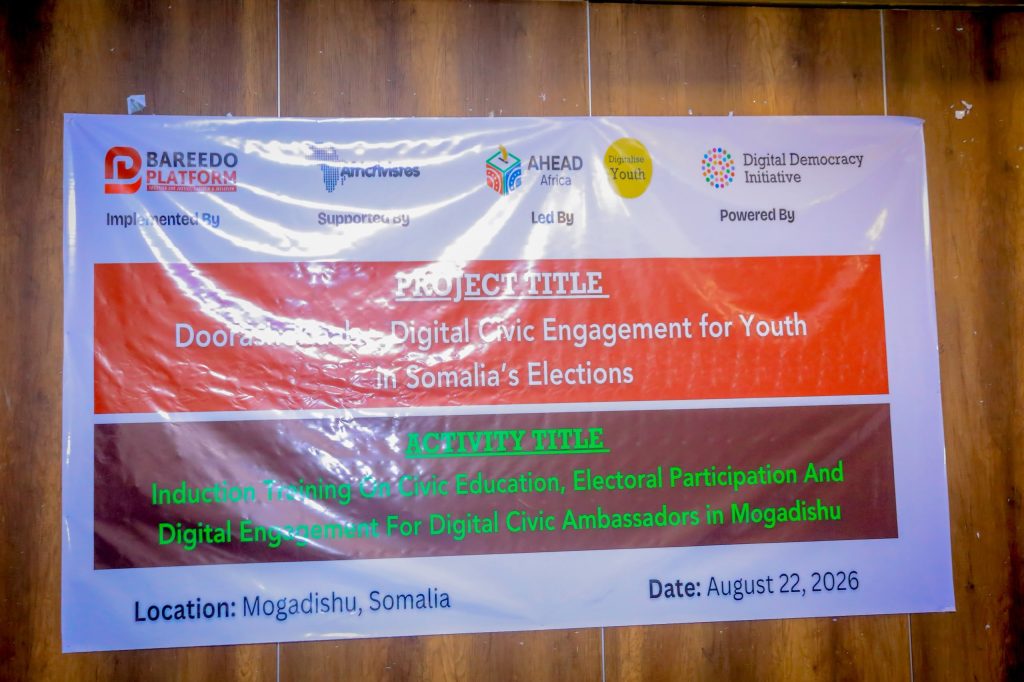
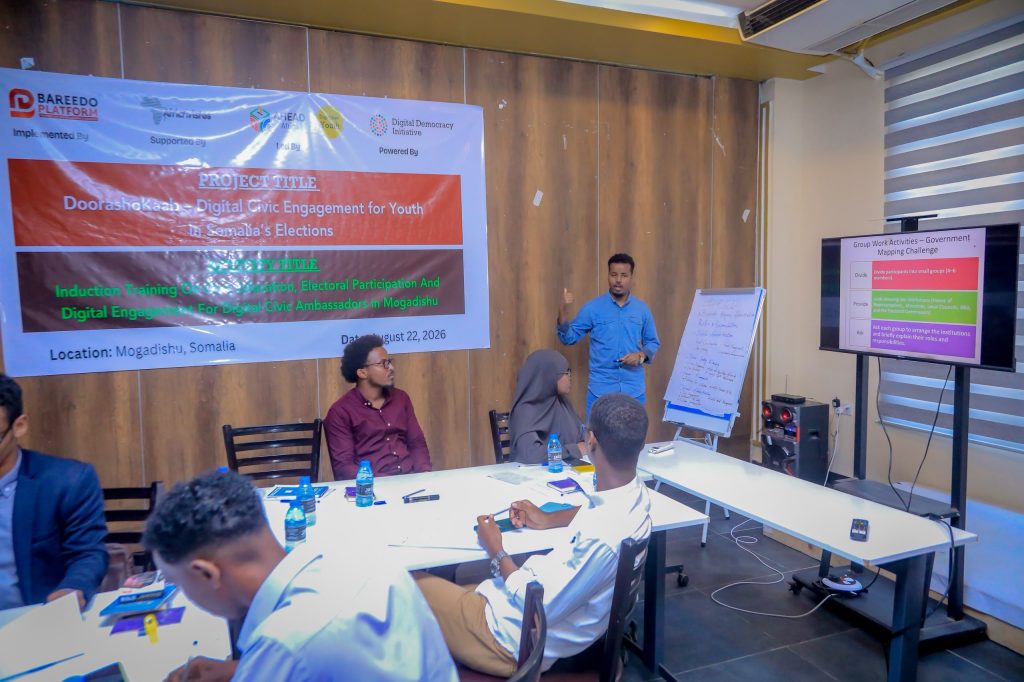
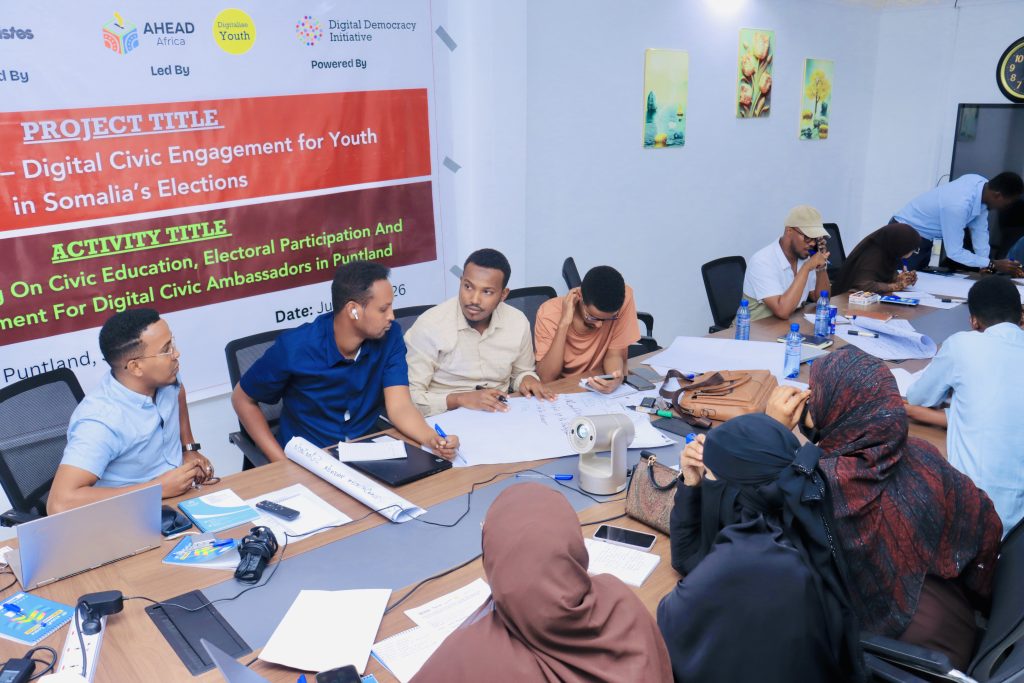
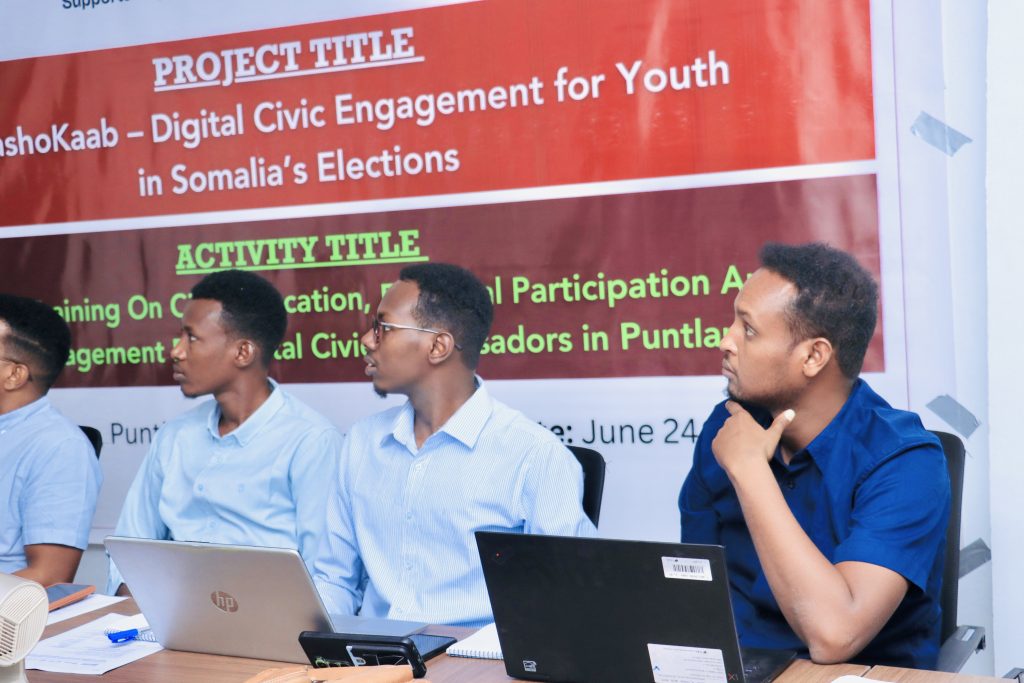
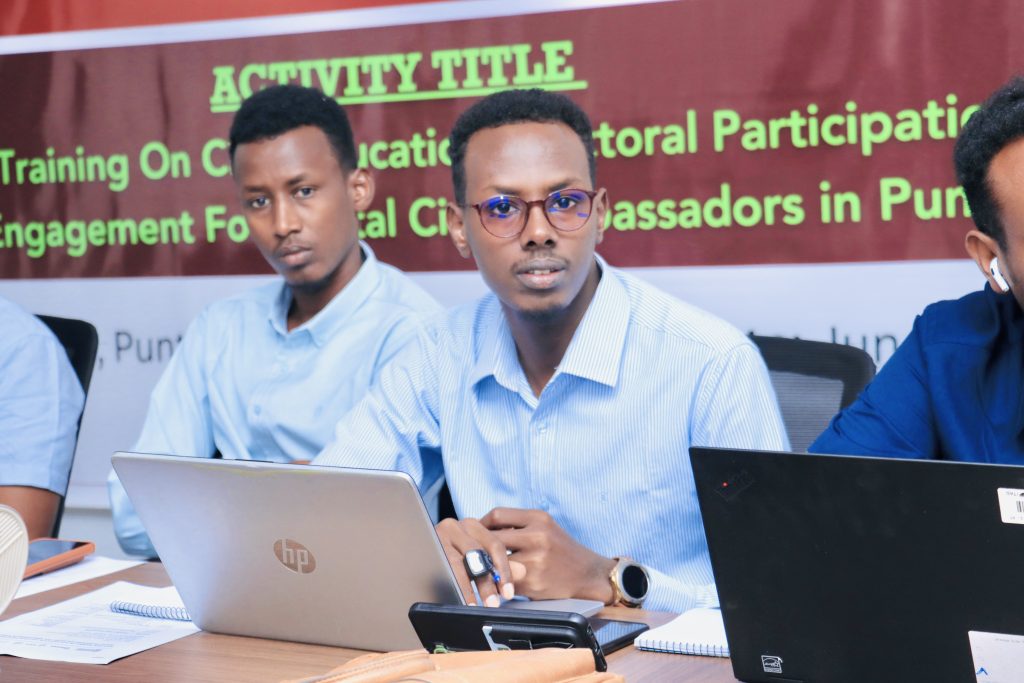
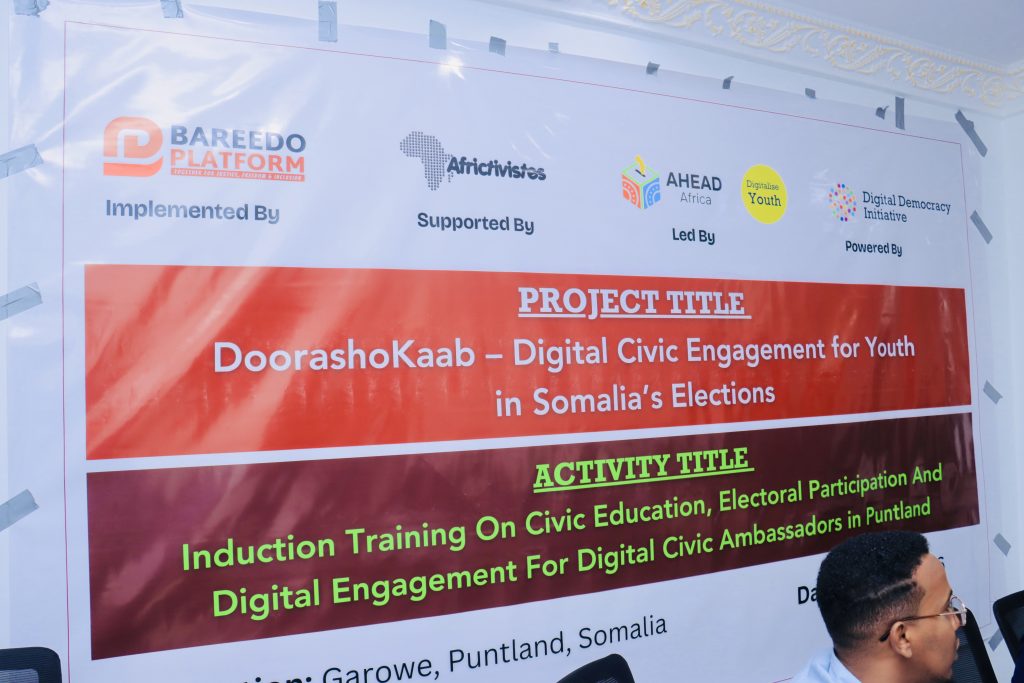
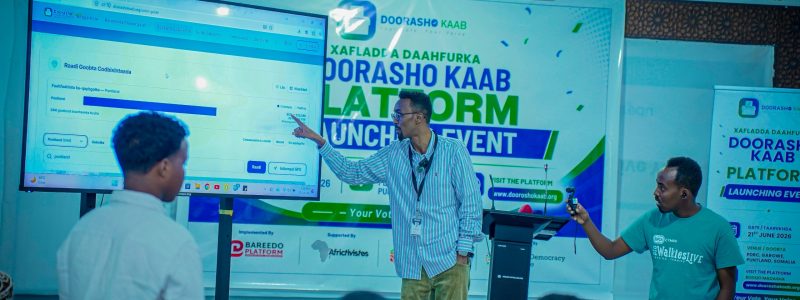
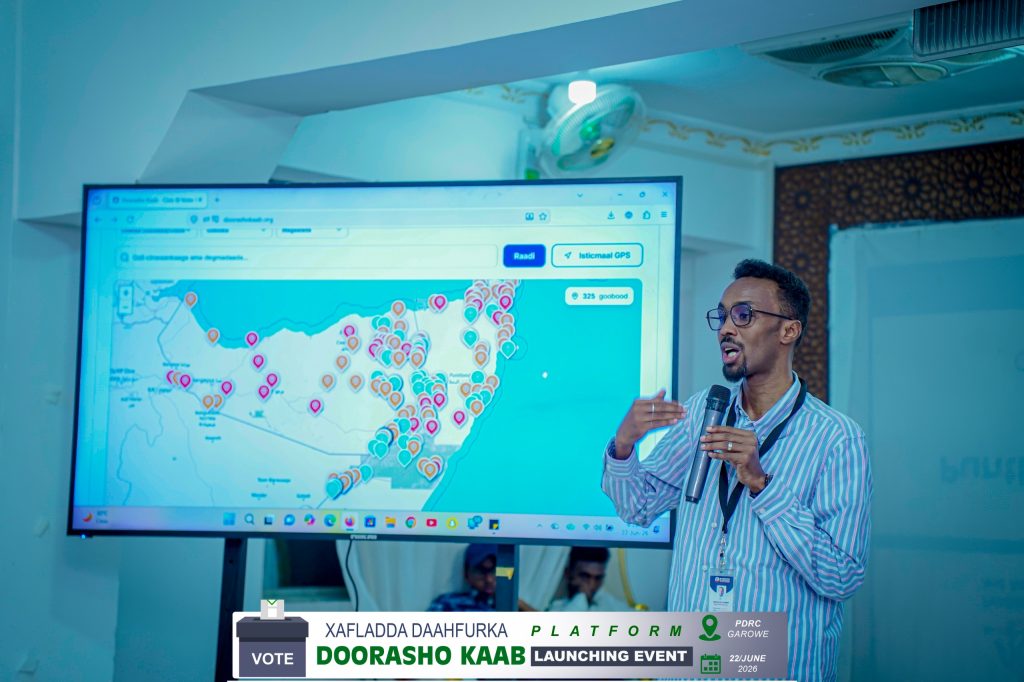
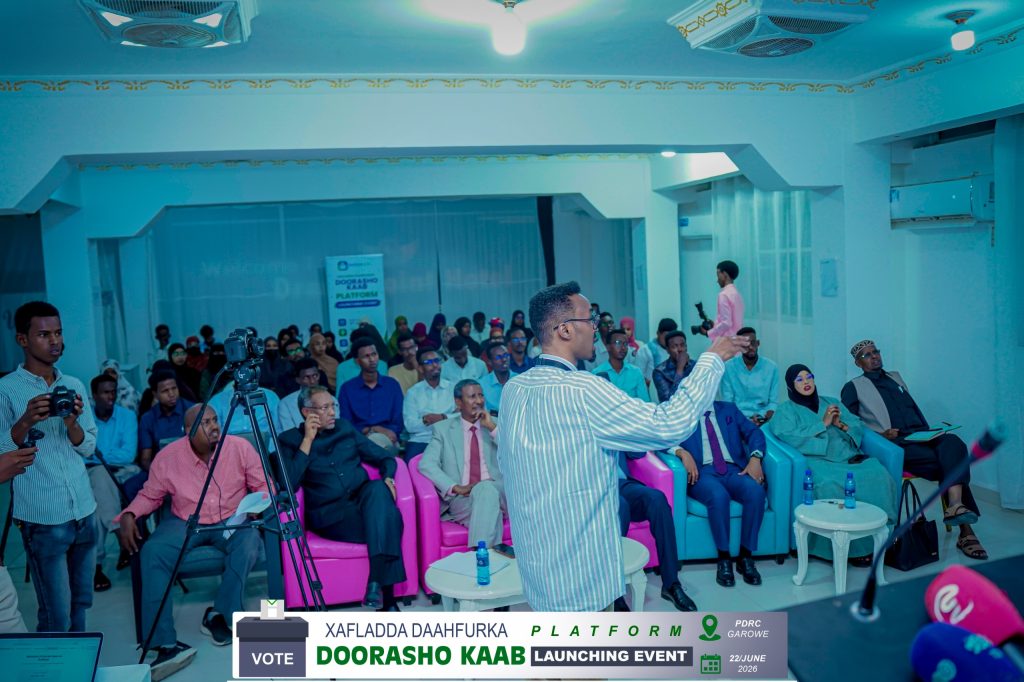
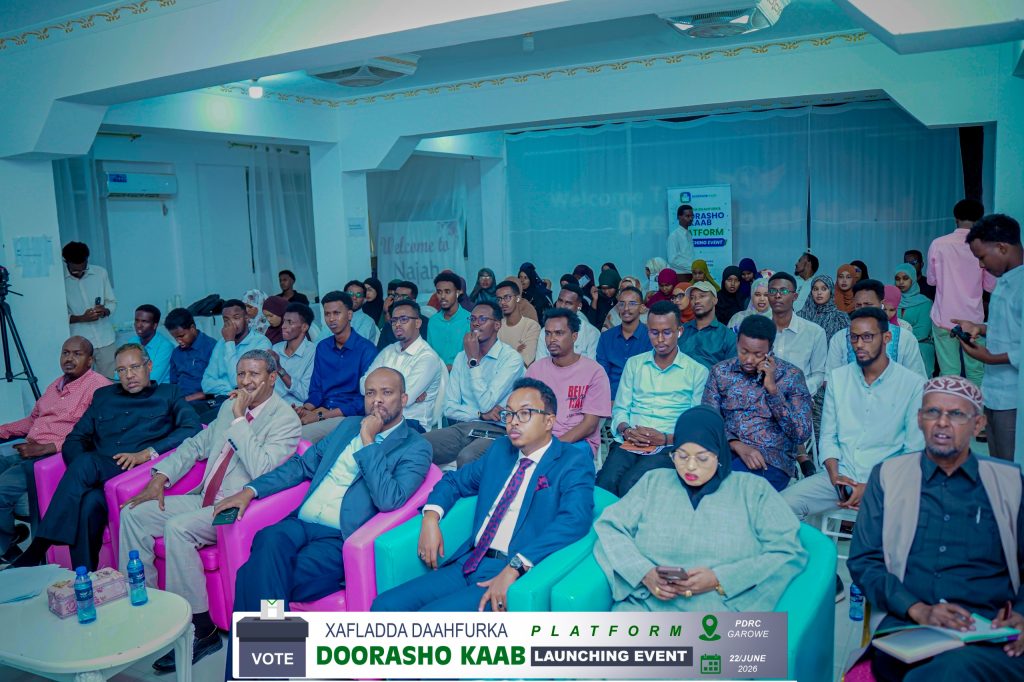
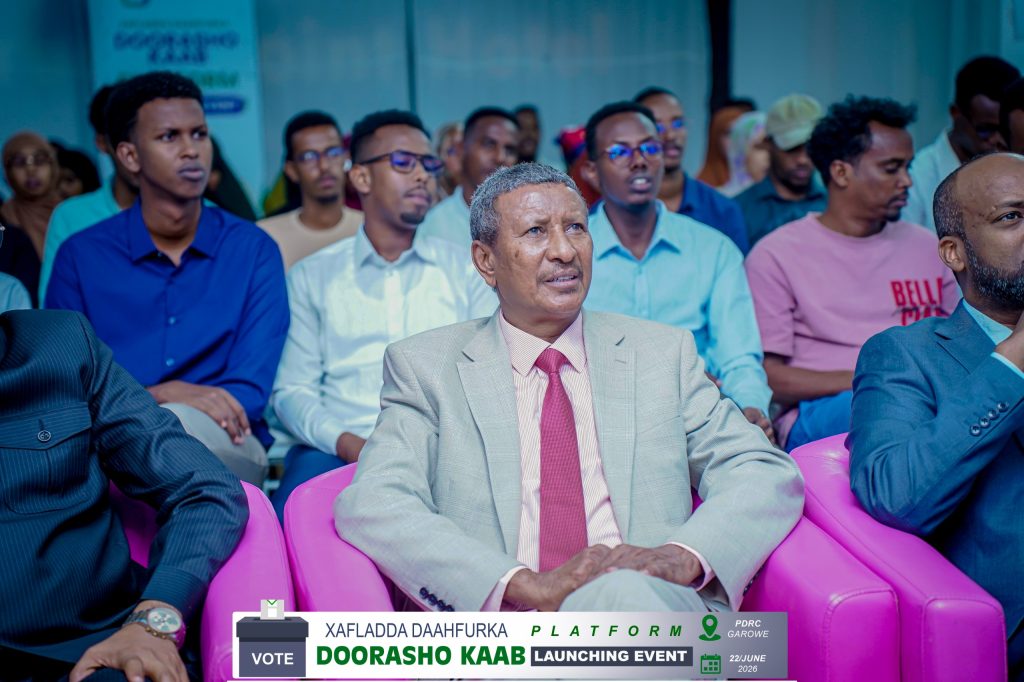
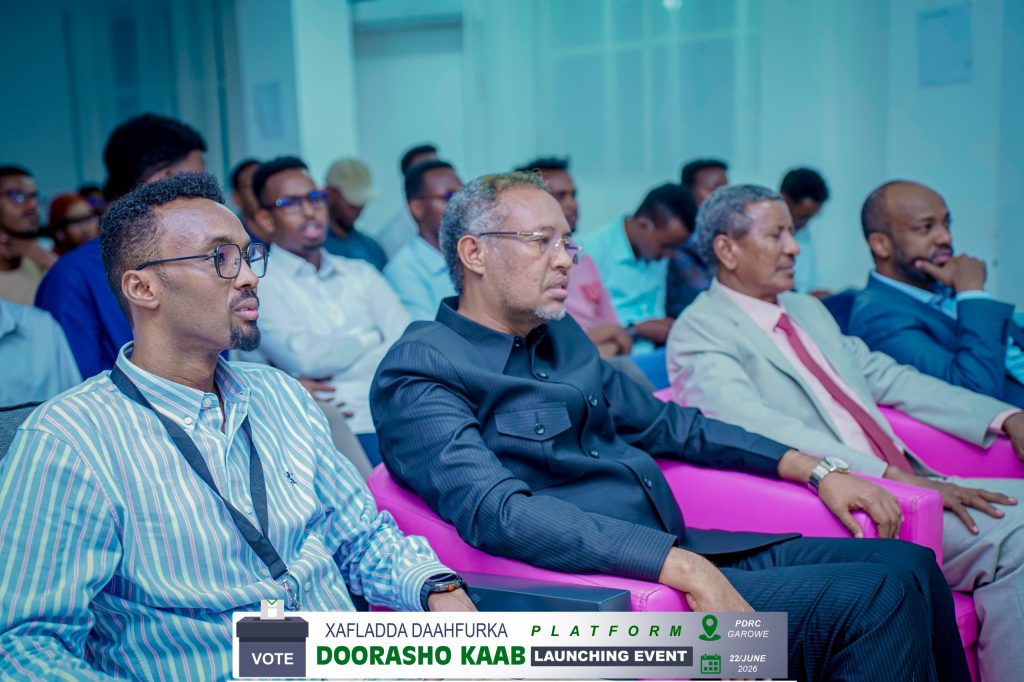
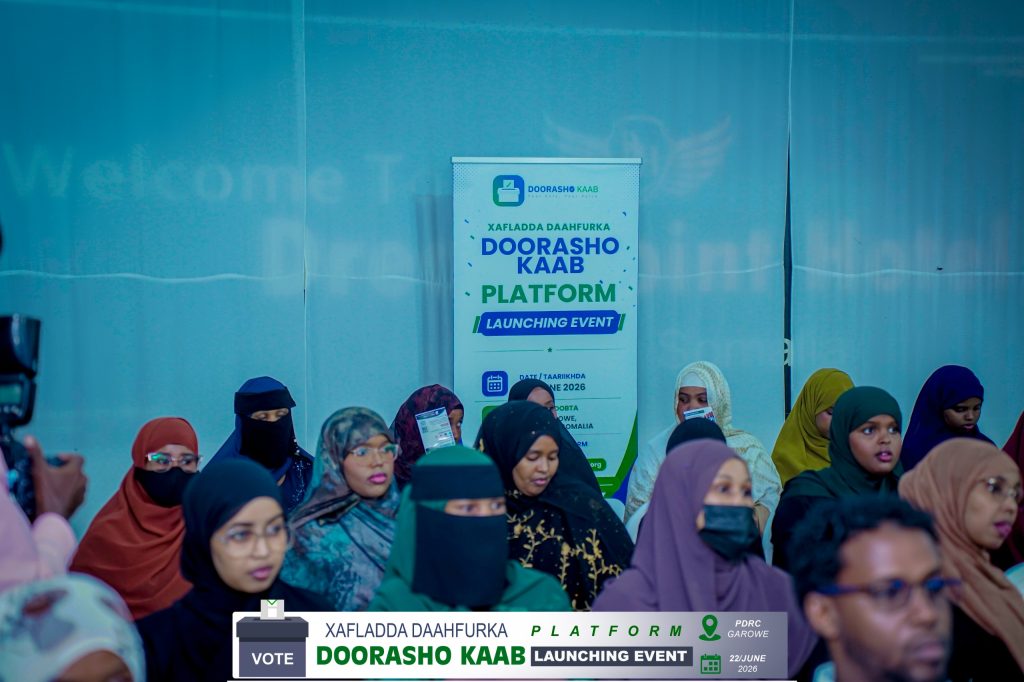
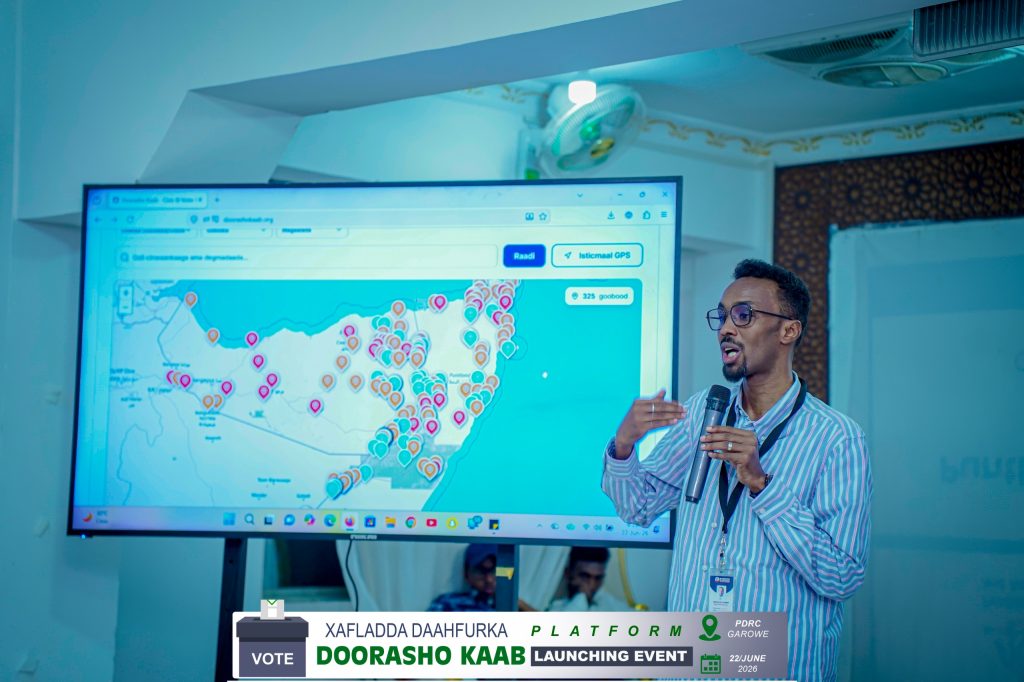
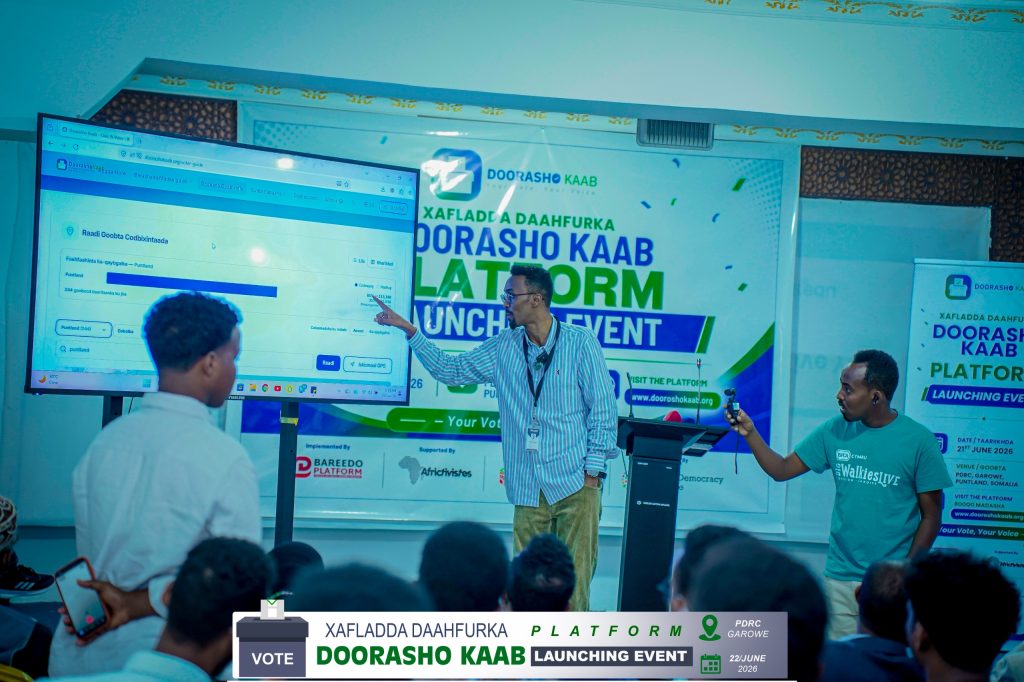
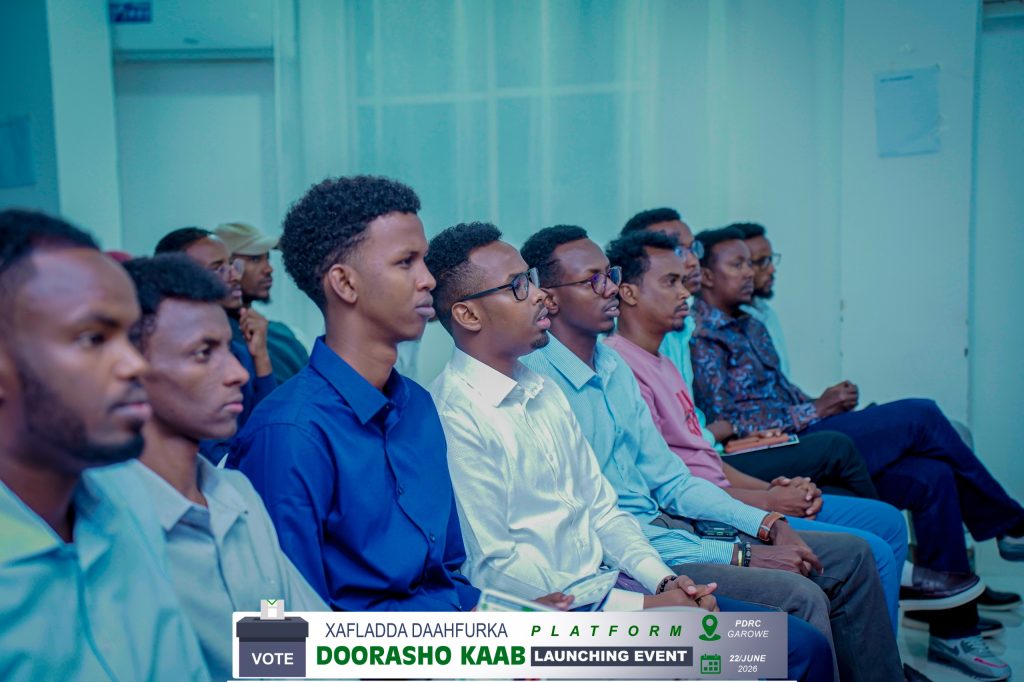
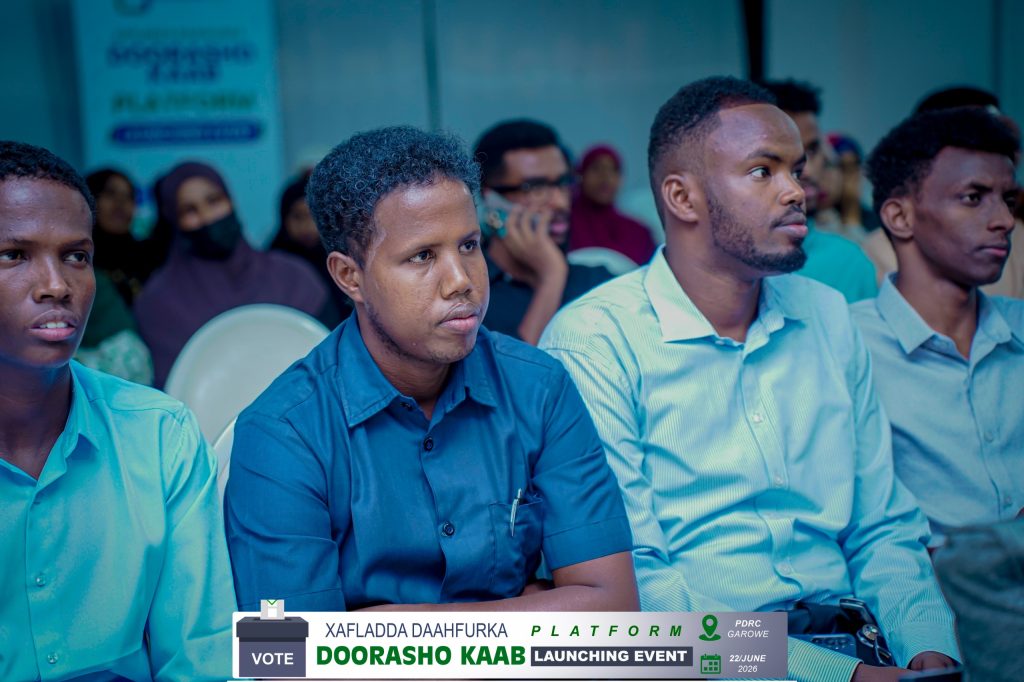
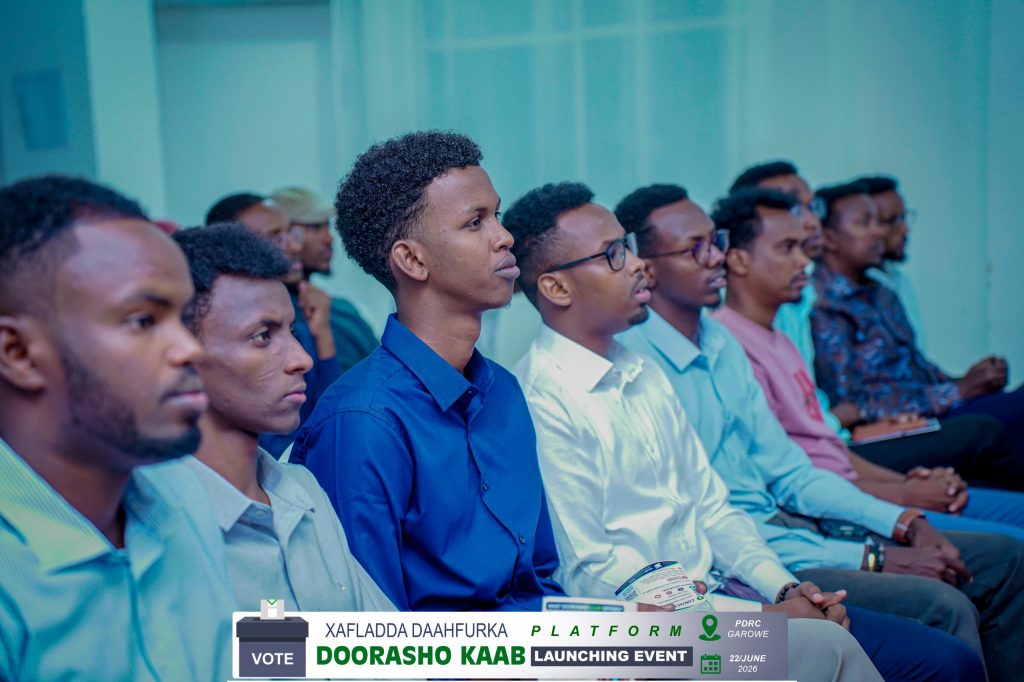
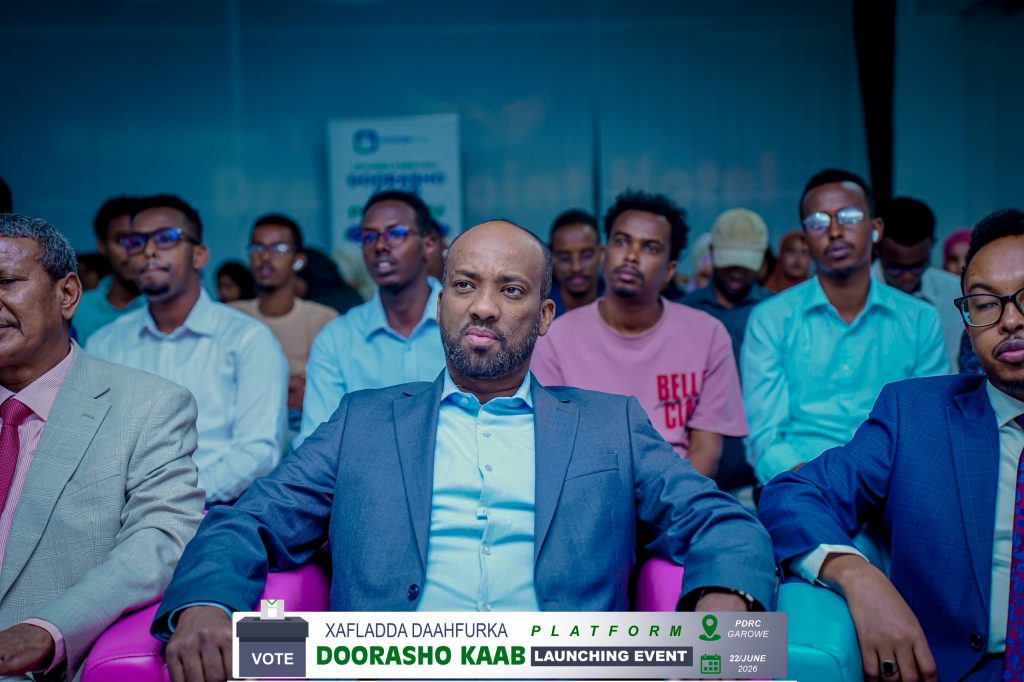
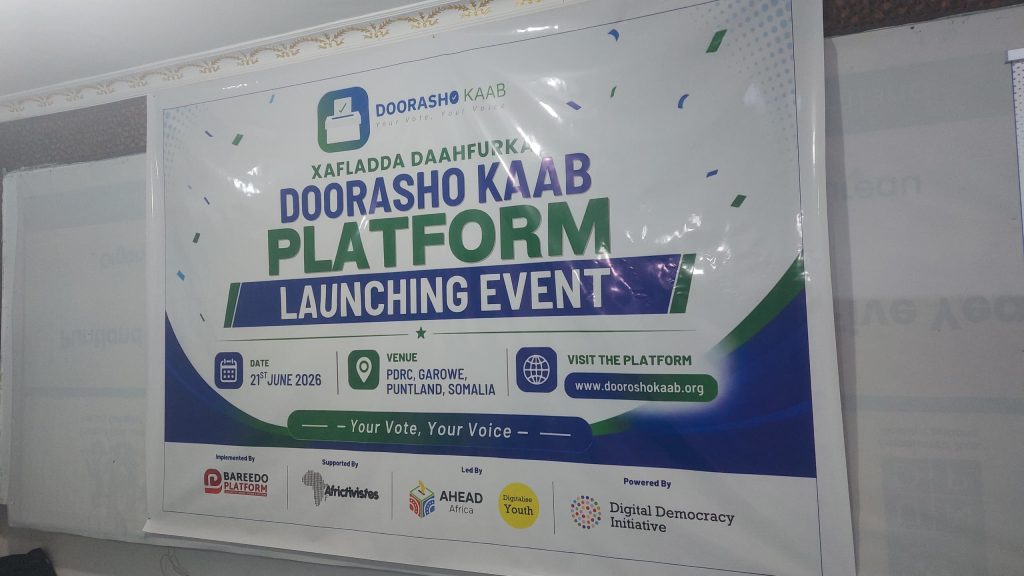
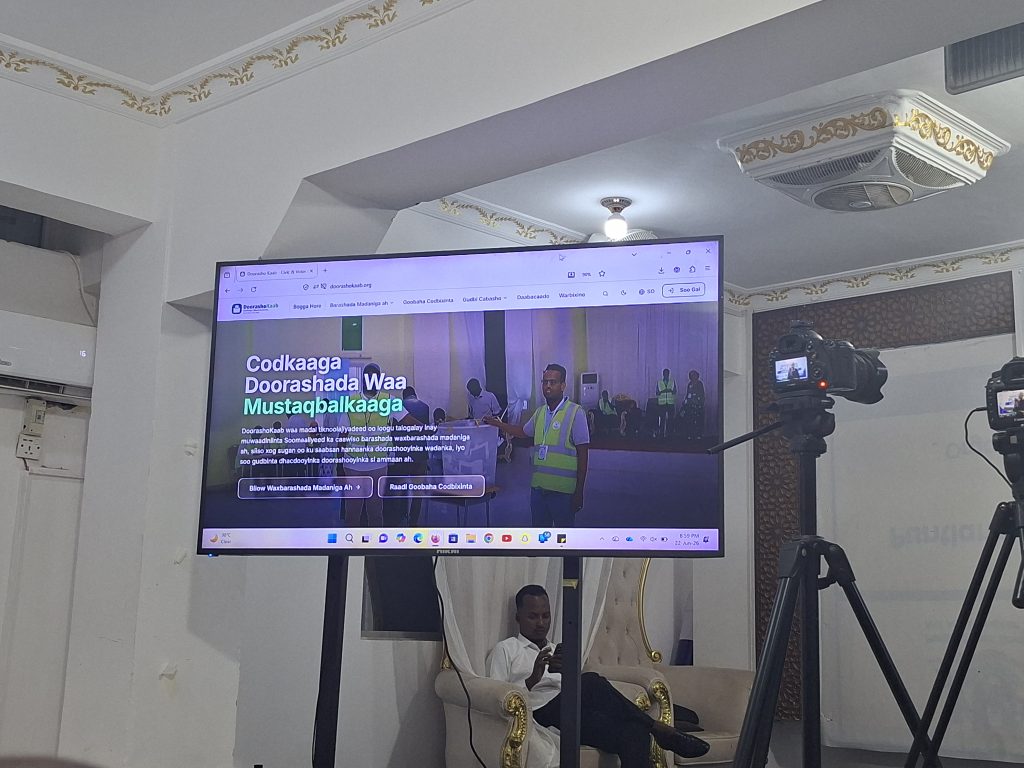
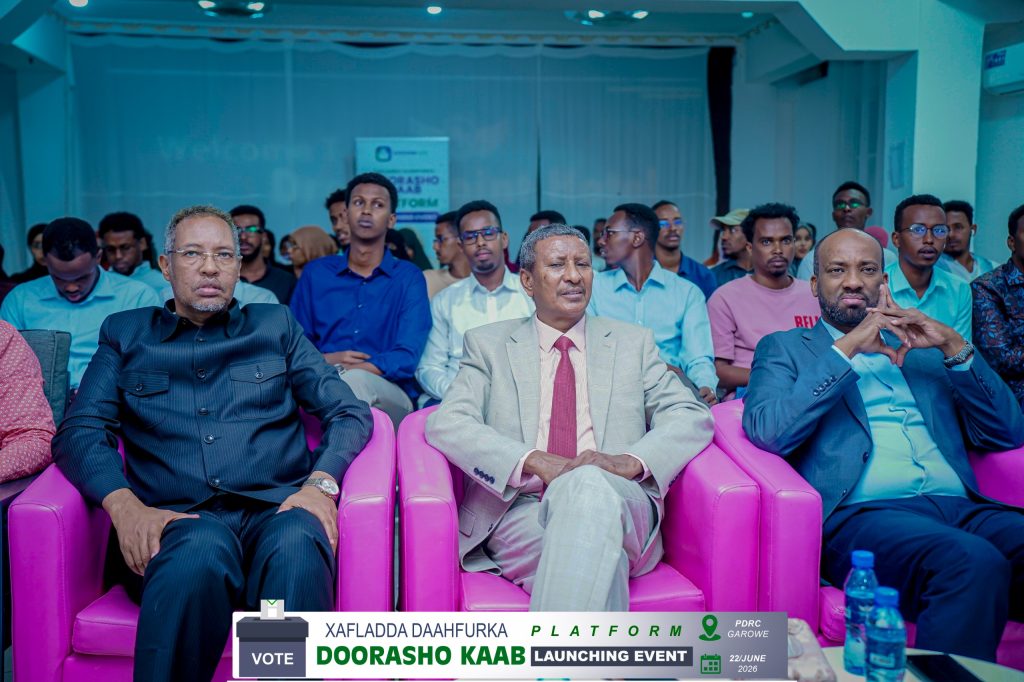
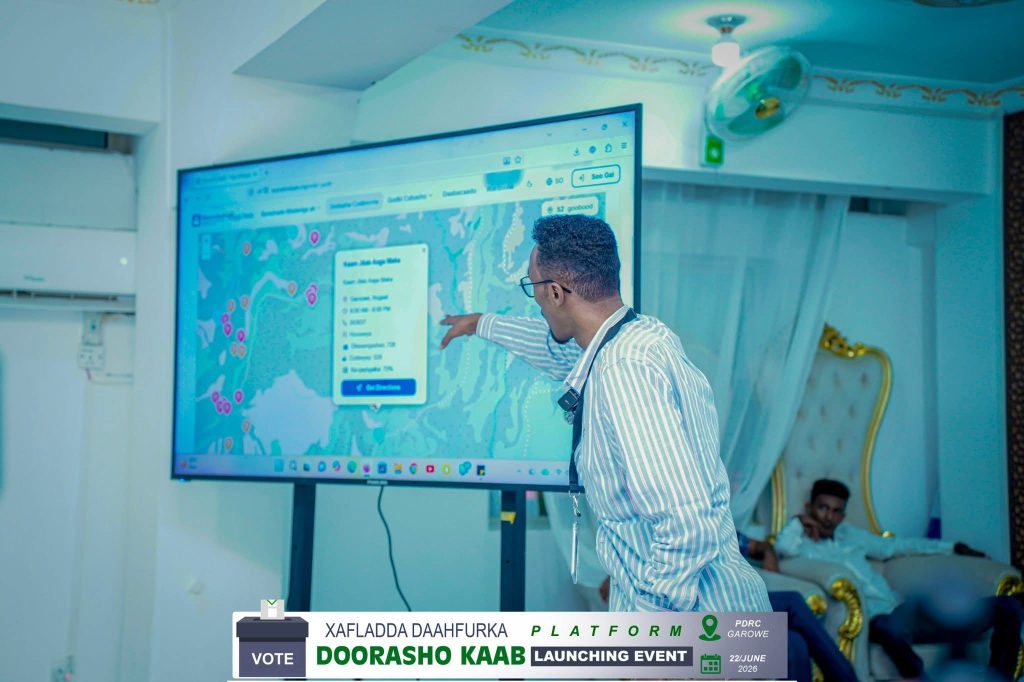
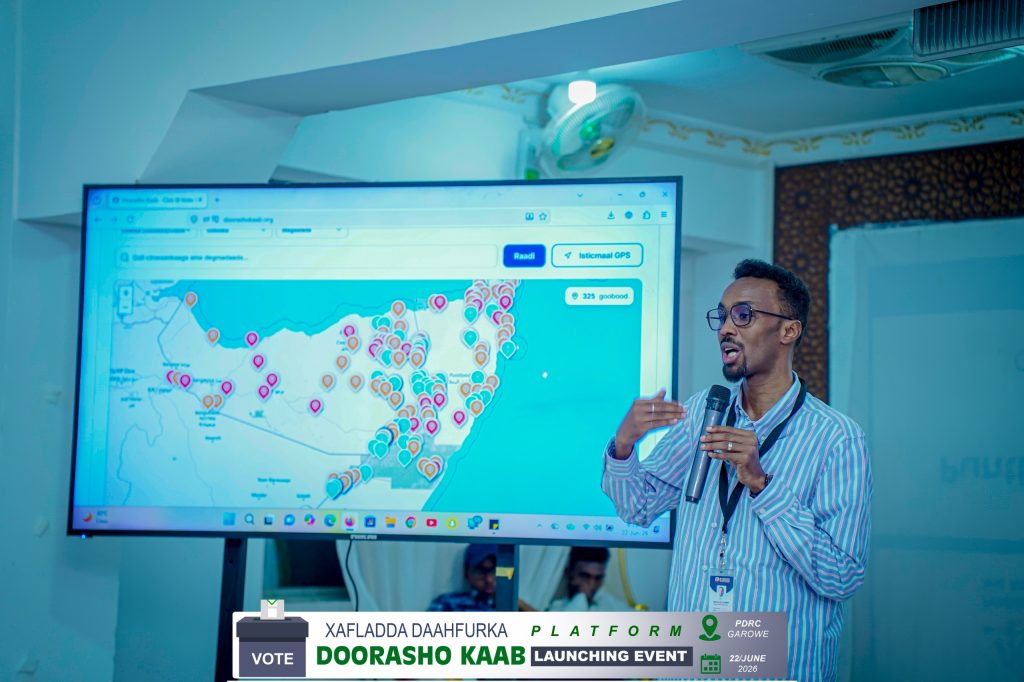
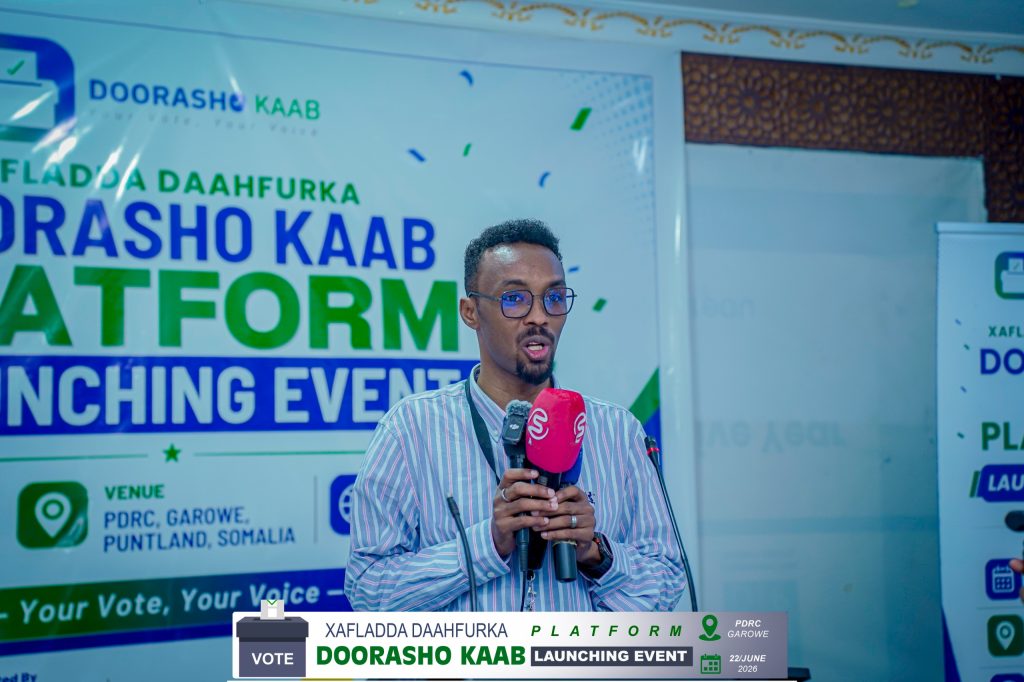
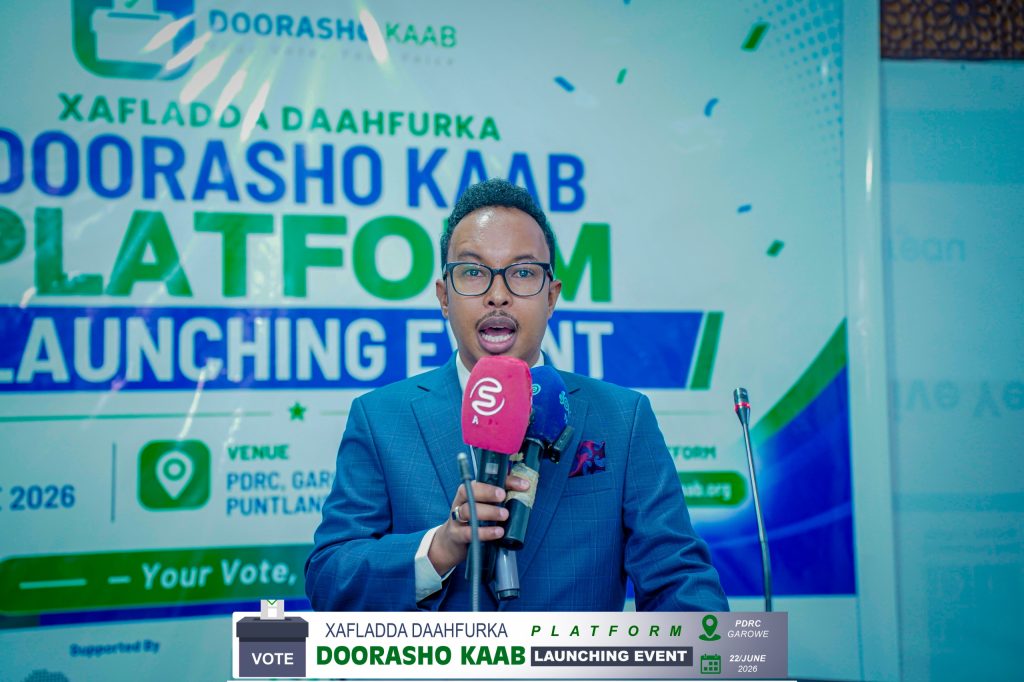
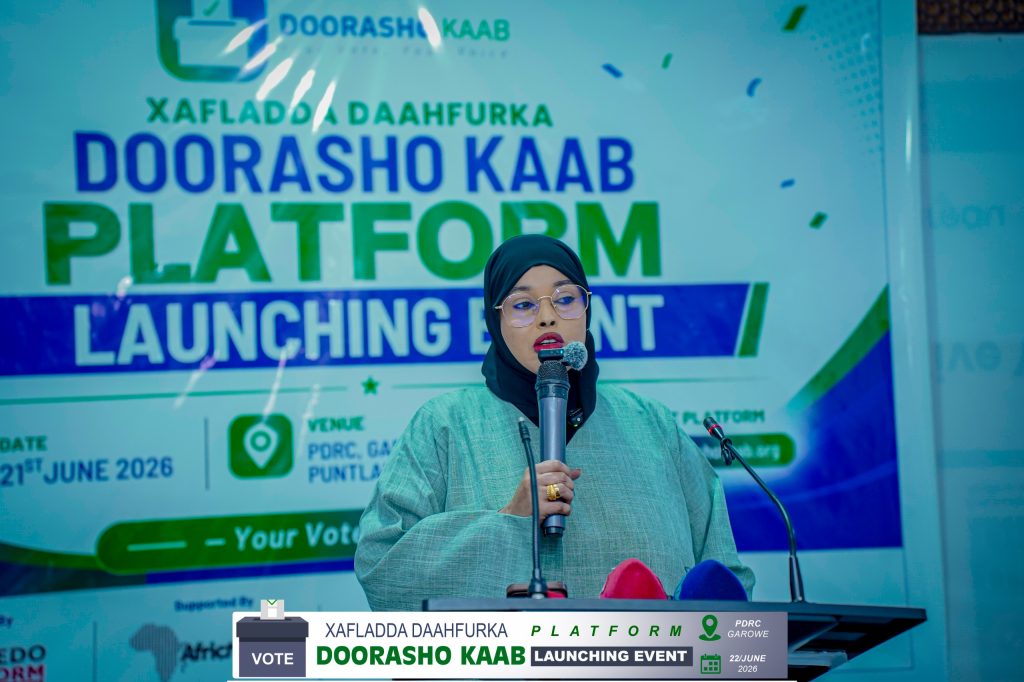
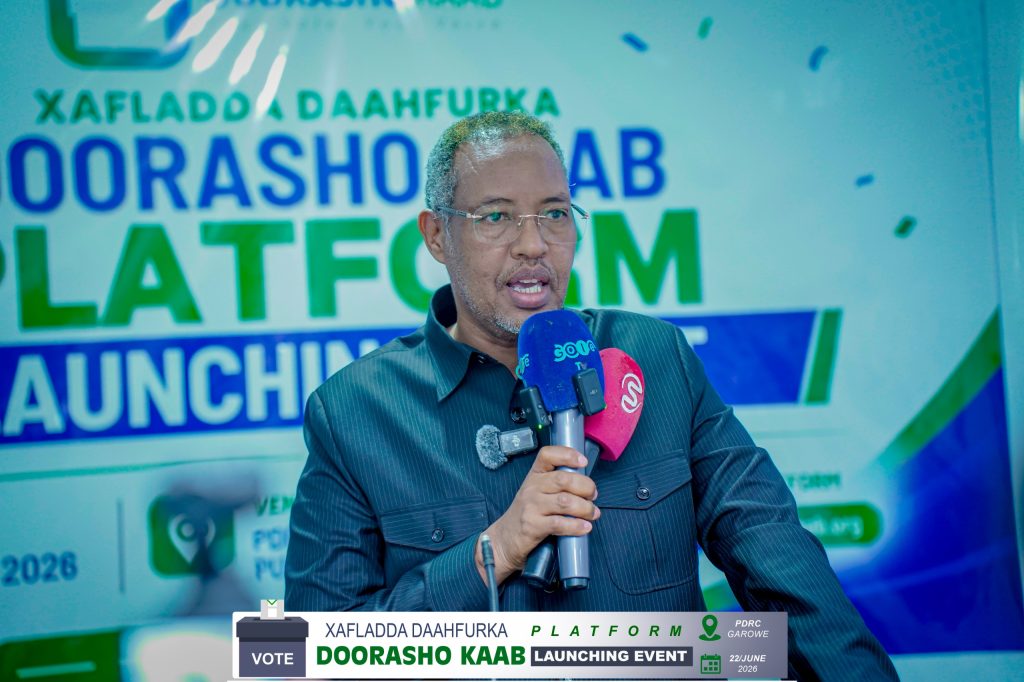
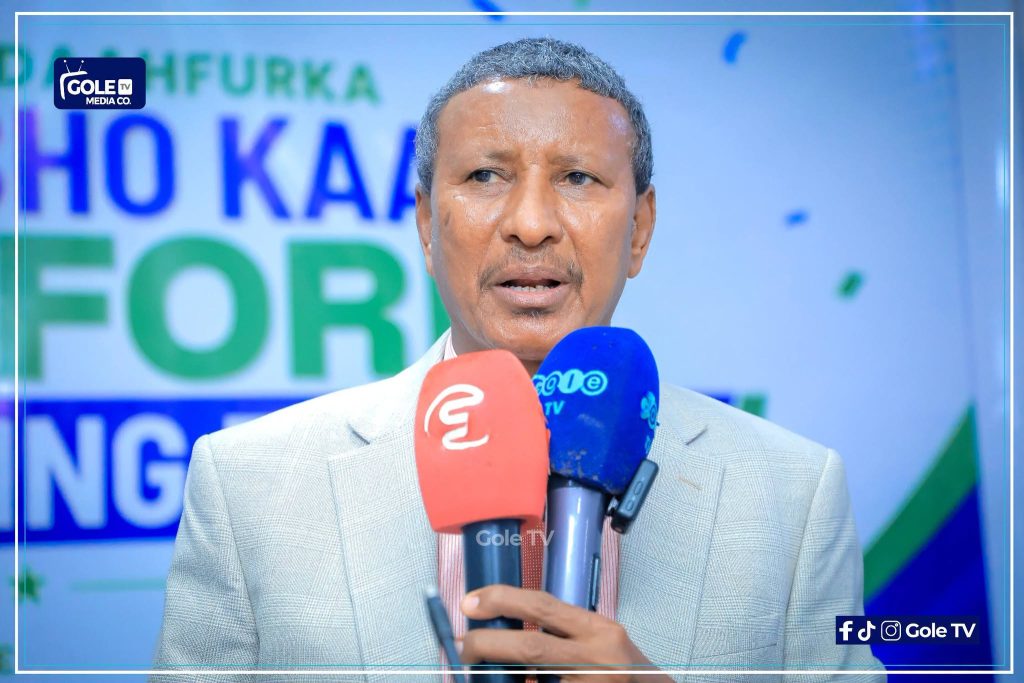
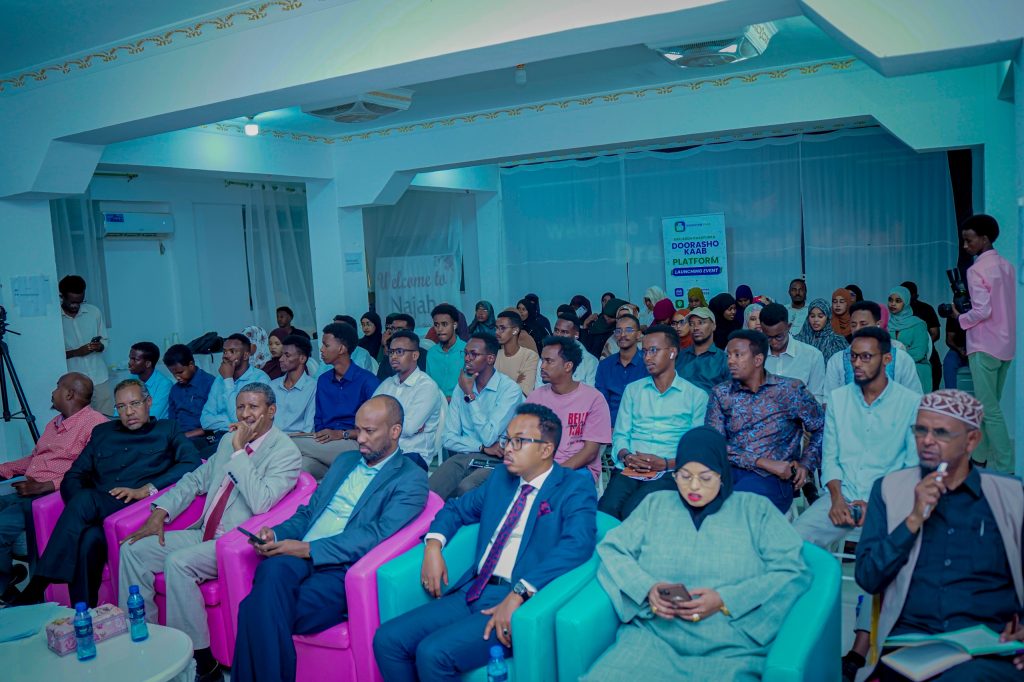
In response to these challenges, Bareedo Platform Somalia, a youth-led organization, has developed DoorashoKaab—a bilingual (Somali/English), user-friendly civic tech platform designed to empower Somali citizens with civic education, reliable voter information, and safe electoral incident reporting tools.
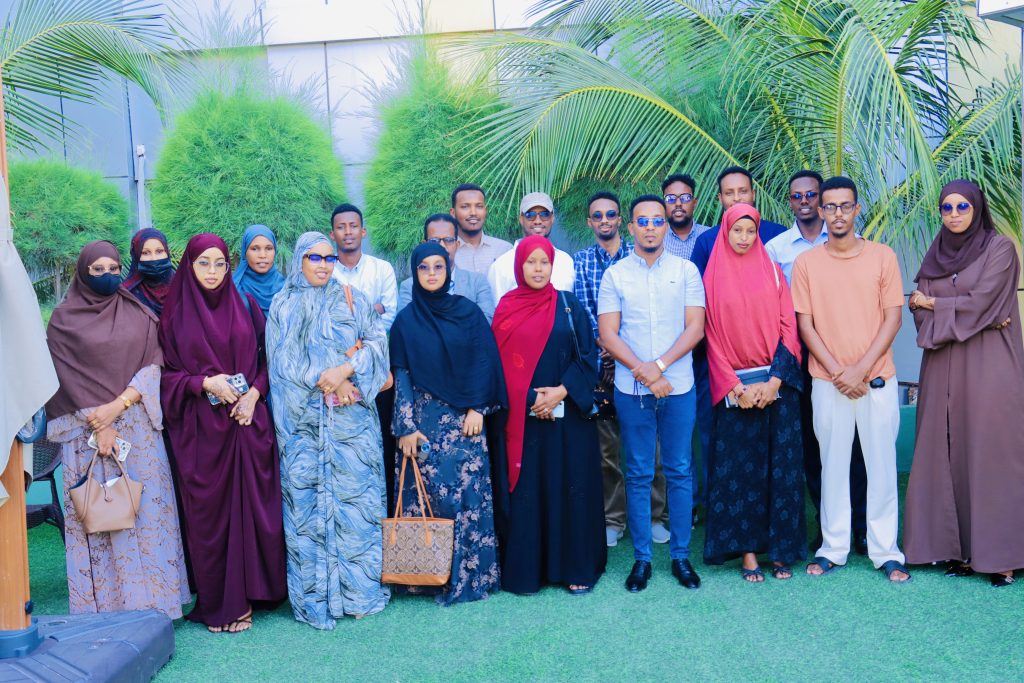
As part of its commitment to strengthening democratic participation and civic awareness across Somalia, Bareedo Platform is launching the Digital Civic Ambassadors and invites passionate Somali youth leaders to apply and become agents of change in their communities.
About Digital Civic Ambassadors
Digital Civic Ambassadors are young volunteers who lead grassroots, peer-to-peer civic and voter education initiatives within their communities. They play a vital role in promoting civic awareness and introducing the DoorashoKaab platform, helping expand its reach and impact across Somalia.
Who Are Digital Civic Ambassadors?
Civic Ambassadors are youth under the age of 35 who are:
Passionate about civic engagement and community development;
Committed to educating their peers on civic rights and responsibilities;
Interested in promoting informed participation in democratic processes in Somalia;
Active in using online platforms, including DoorashoKaab.
Training & Capacity Building
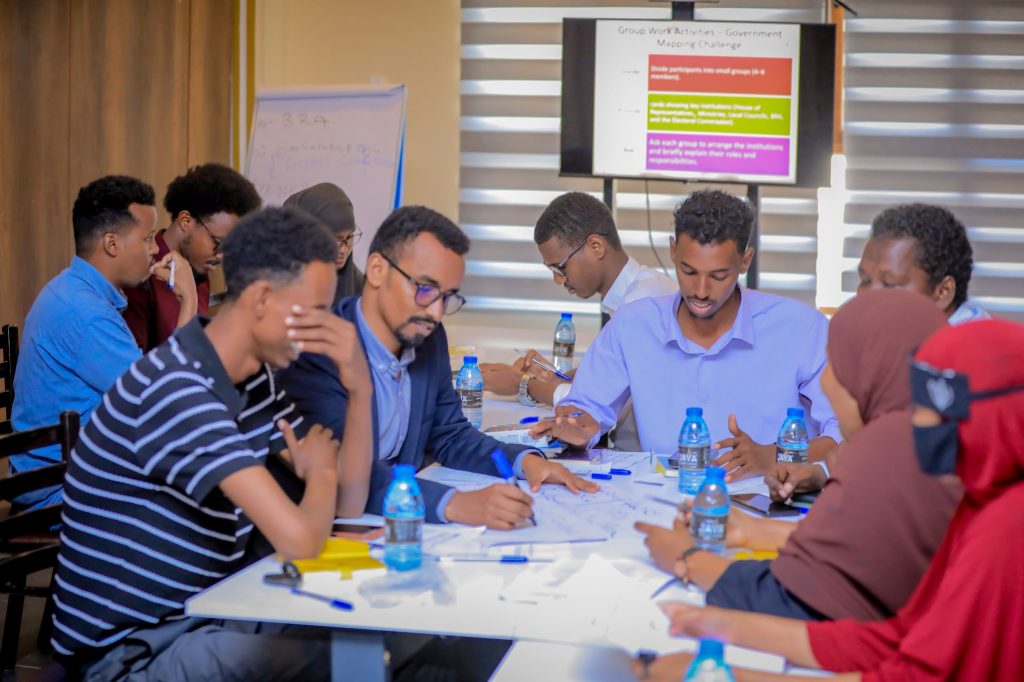
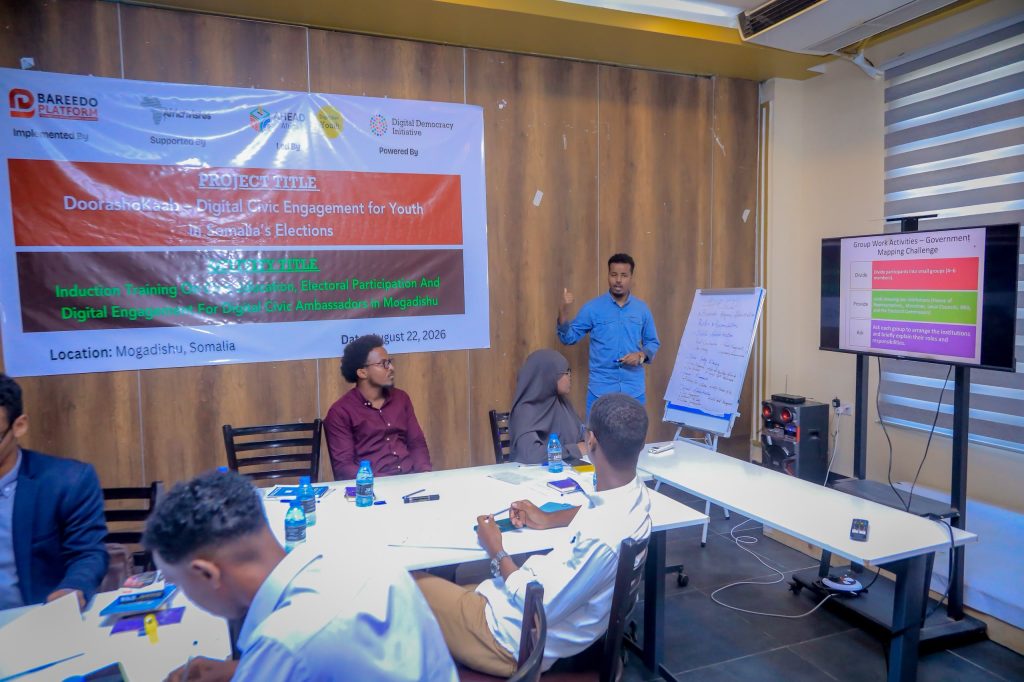
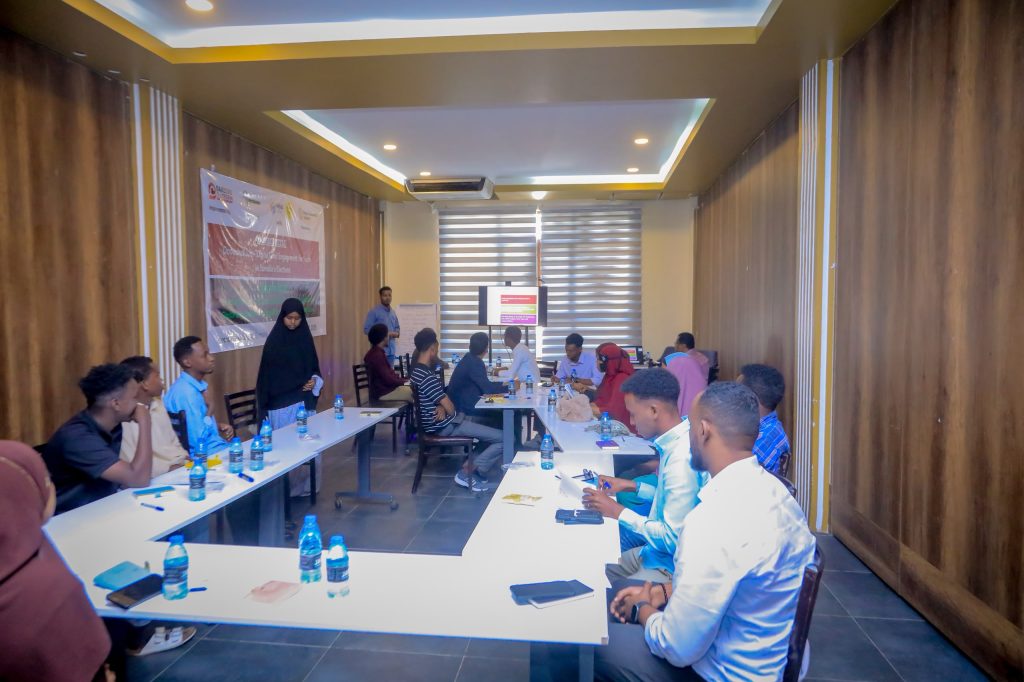
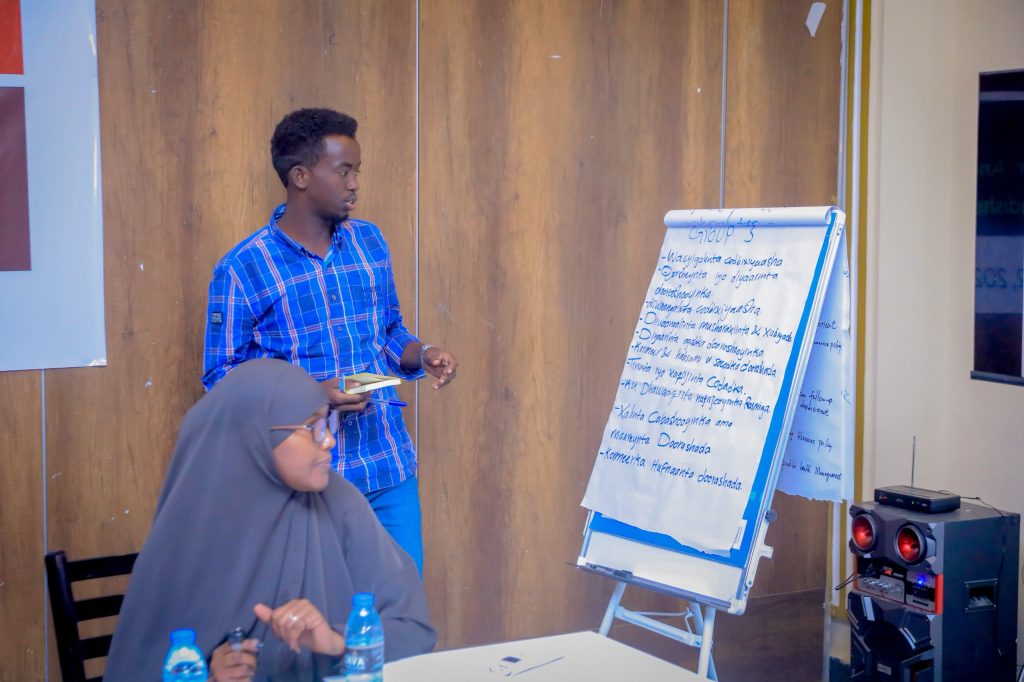
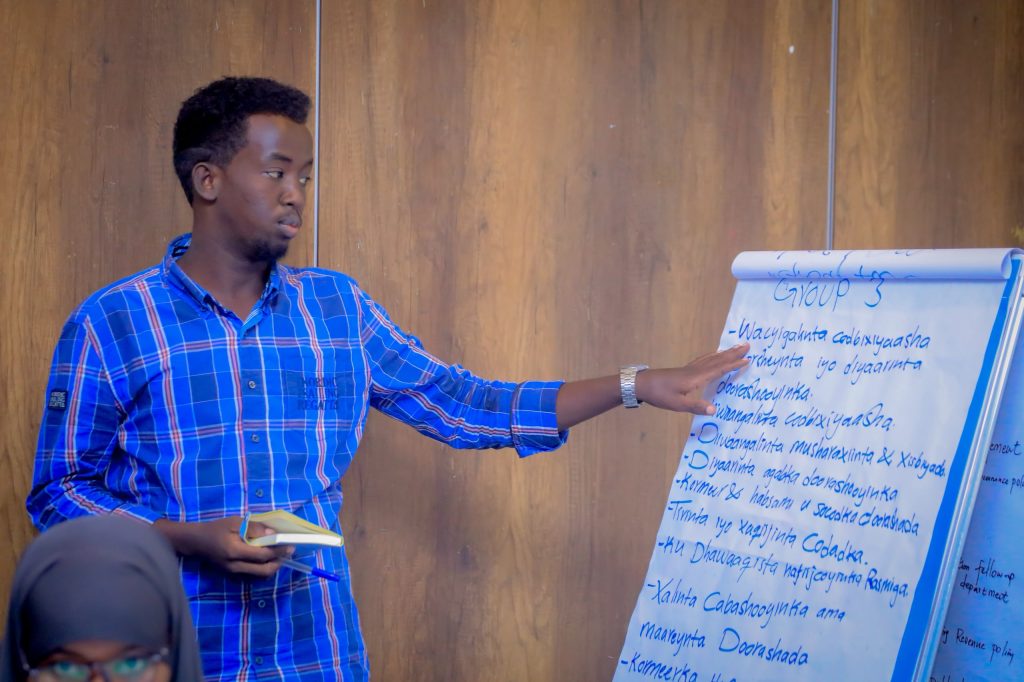
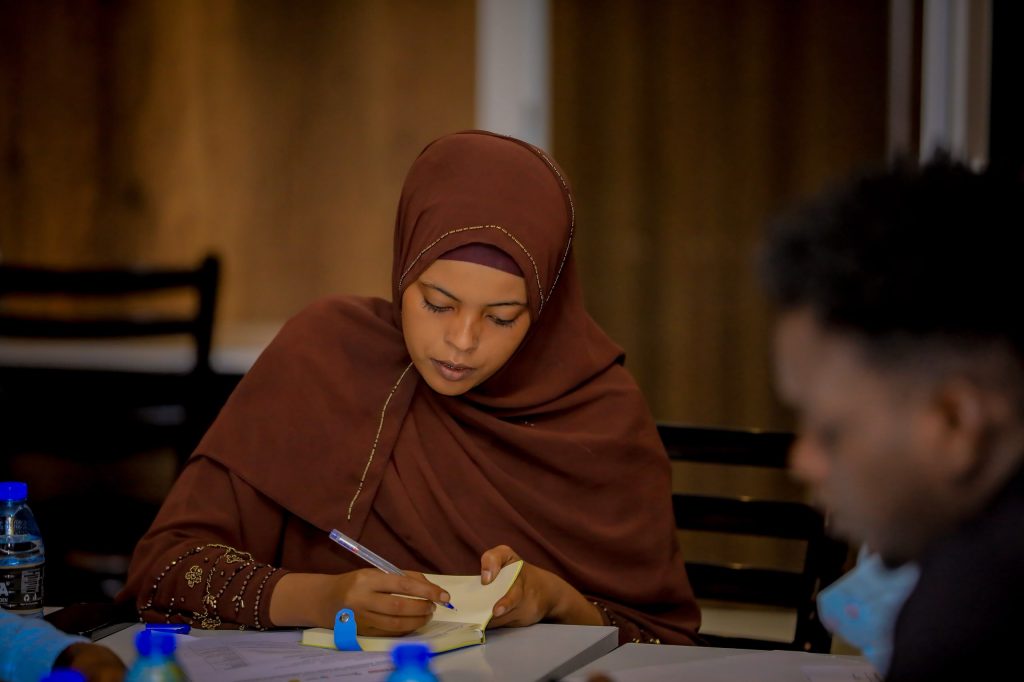
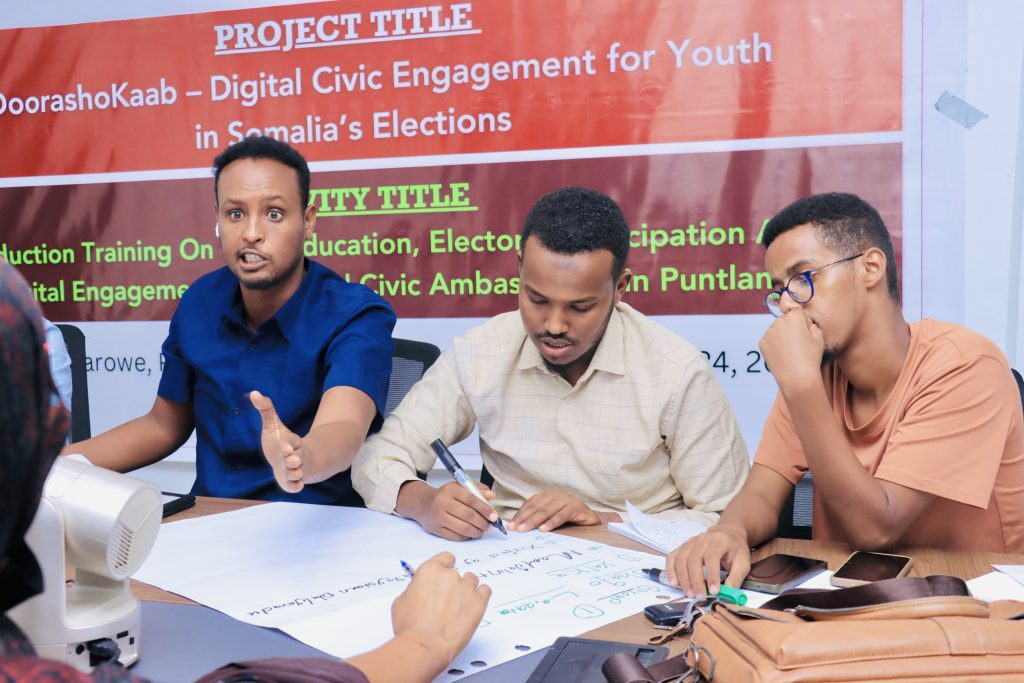
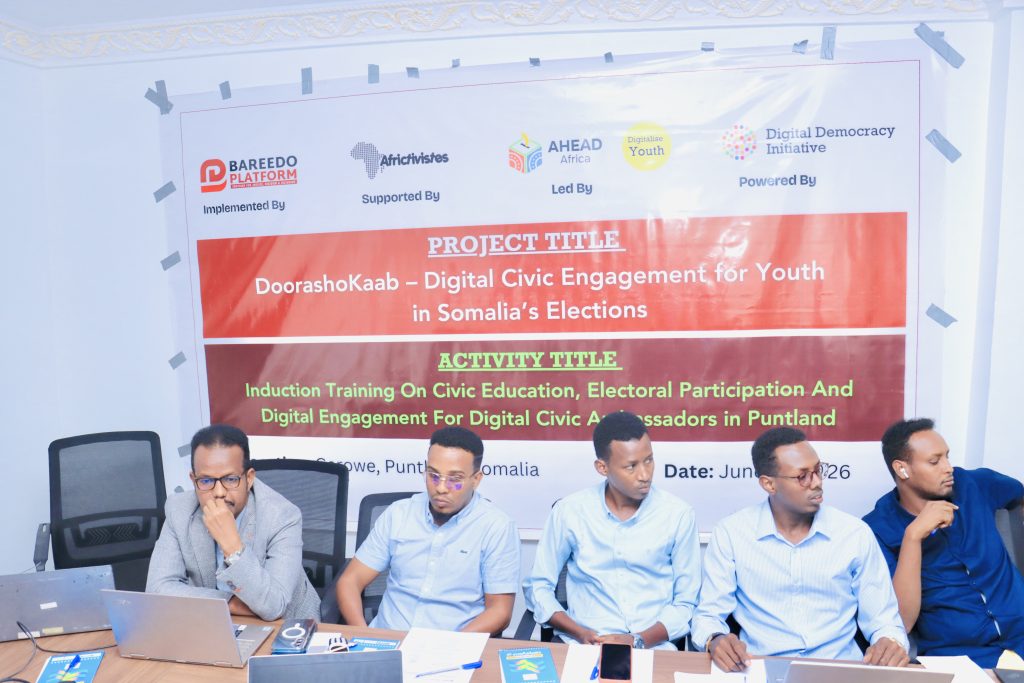
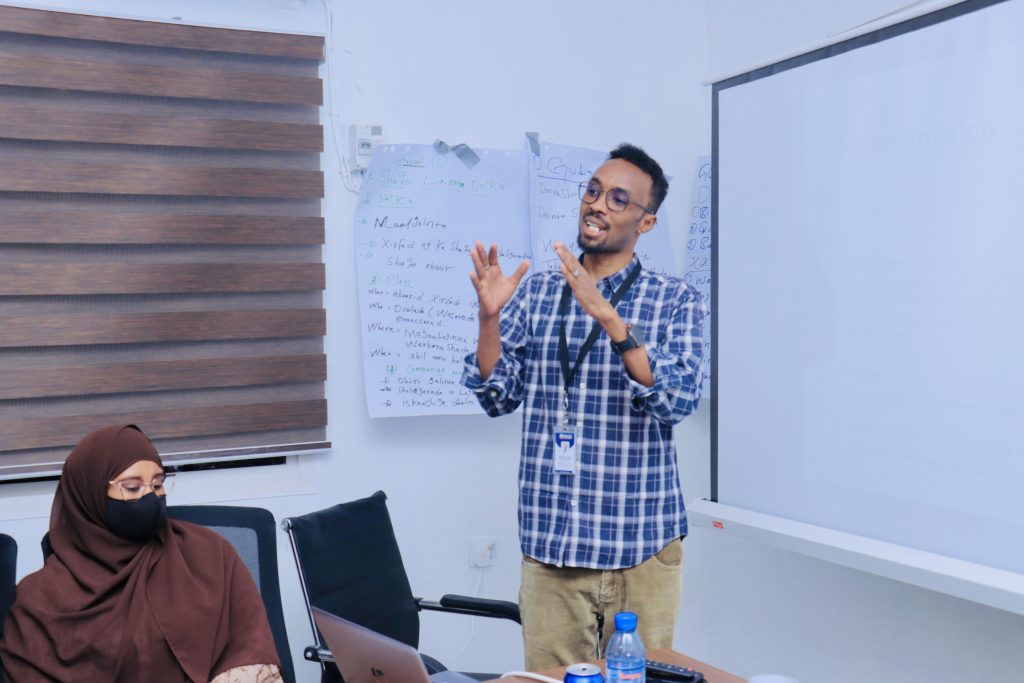
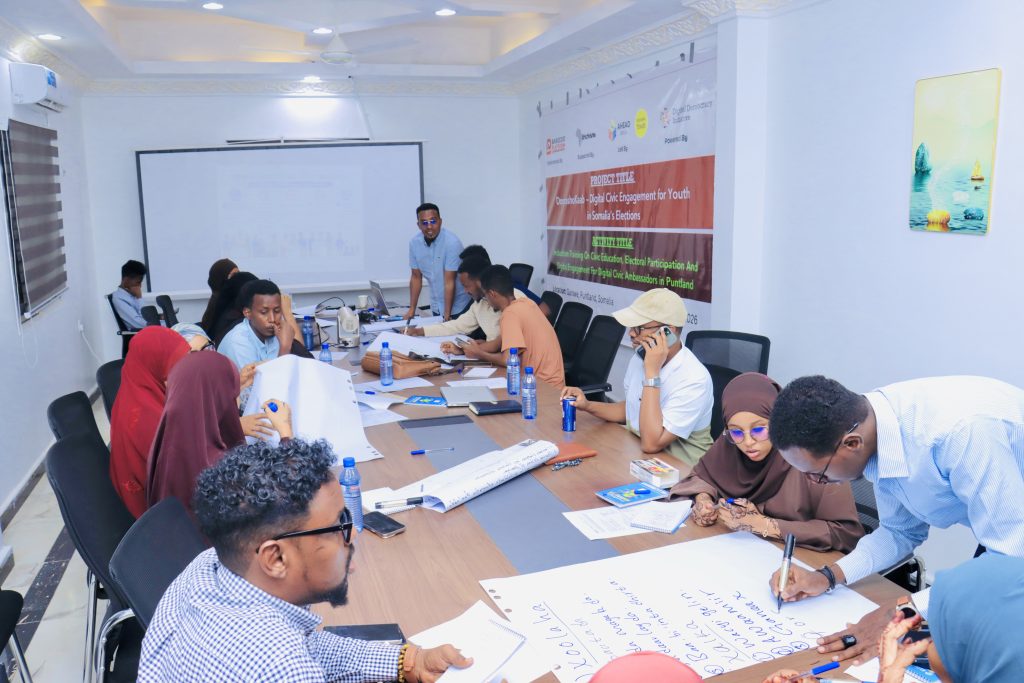
Selected ambassadors will participate in a structured and intensive training program delivered through the DoorashoKaab platform. The training includes:
Civic Ambassador Certification Course
Leadership and community engagement training
Core civic education modules
Digital literacy and misinformation awareness
Safe and ethical civic engagement practices
Hands-on training on using and promoting the DoorashoKaab platform
👉 Upon successful completion, participants will receive an official certification.
What Will Ambassadors Do?
After completing the training, Digital Civic Ambassadors will:
Lead community-based civic education activities, including peer-to-peer learning sessions in their respective locations across Somalia;
Promote and support the use of the DoorashoKaab platform at the grassroots level;
Organize youth-focused civic and election-related discussions and awareness campaigns;
Counter misinformation by sharing accurate and verified civic and voter information;
Support communities in identifying and reporting false or misleading information;
Coordinate their activities through the DoorashoKaab community network;
Collect community insights and provide feedback to improve the platform and better respond to the needs of Somali citizens.
Why Join the Program?
As a Digital Civic Ambassador, you will:
Gain valuable leadership and communication skills
Receive certified training in civic engagement
Join a national network of young changemakers in Somalia
Contribute to democracy, transparency, and peacebuilding processes in Somalia
Build experience for future career and leadership opportunities
Who Can Apply?
Applicants must meet the following criteria:
Be Somali youth aged 18–35 years;
Have a strong interest in civic education and community engagement;
Reside in Puntland, Jubaland, Hirshabelle, Galmudug, Southwest, Northeast, or the Benadir region;
Possess basic digital skills, including the use of smartphones and social media platforms;
Be willing and able to commit time to training and community outreach activities in their respective locations.
How to Apply
To apply for the Digital Civic Ambassadors Program, please follow these steps:
Submit a brief motivation statement explaining your interest in the program
Upload a recent passport-size photo
Wait for the selection and confirmation process. Shortlisted candidates will be officially invited to join the program and participate in the training.
Somalia’s electoral processes remain highly fragile, marked by recurring delays, limited transparency, and low public trust in democratic institutions. Decades after the collapse of centralized governance, the country has yet to implement a nationwide one-person-one-vote electoral system. Instead, participation continues to be constrained by a complex indirect voting structure, ongoing insecurity, deeply rooted patriarchal norms, and the widespread absence of civic education—particularly among young people.
This challenge is especially significant considering that youth account for more than 75% of Somalia’s population. Despite their demographic majority, Somali youth remain marginalized and largely excluded from electoral decision-making, placing the country among those with the lowest levels of youth political participation globally. Although youth-led activism has been steadily growing, their involvement in formal electoral processes remains limited. Even where democratic local elections have been conducted, youth participation has often been symbolic rather than substantive.
At the same time, Somalia faces a growing digital divide that further complicates civic engagement. The country lacks the digital tools and infrastructure necessary to empower meaningful youth participation in democratic processes. High levels of digital illiteracy, limited access to reliable information, and the increasing spread of disinformation continue to undermine democratic progress and public trust in electoral institutions.
Introducing DoorashoKaab: A Civic Technology Solution
In response to these challenges, Bareedo Platform—an initiative committed to strengthening civic engagement and democratic participation—has launched the development of DoorashoKaab, a civic technology platform designed to promote and strengthen meaningful youth participation in Somalia’s electoral processes.
The initiative is supported by AfricTivistes, a pan-African organization dedicated to promoting democracy, digital rights, and civic engagement across the continent. Through this partnership, DoorashoKaab aims to address key barriers to participation, including the lack of accessible civic education, limited youth engagement, low trust in electoral institutions, and the growing problem of electoral disinformation.
DoorashoKaab is envisioned as a digital civic space that will provide accessible voter education, reliable electoral information, and tools for citizen engagement, ensuring that Somali youth are better informed and able to participate meaningfully in democratic processes.
Youth Consultations to Shape the Platform
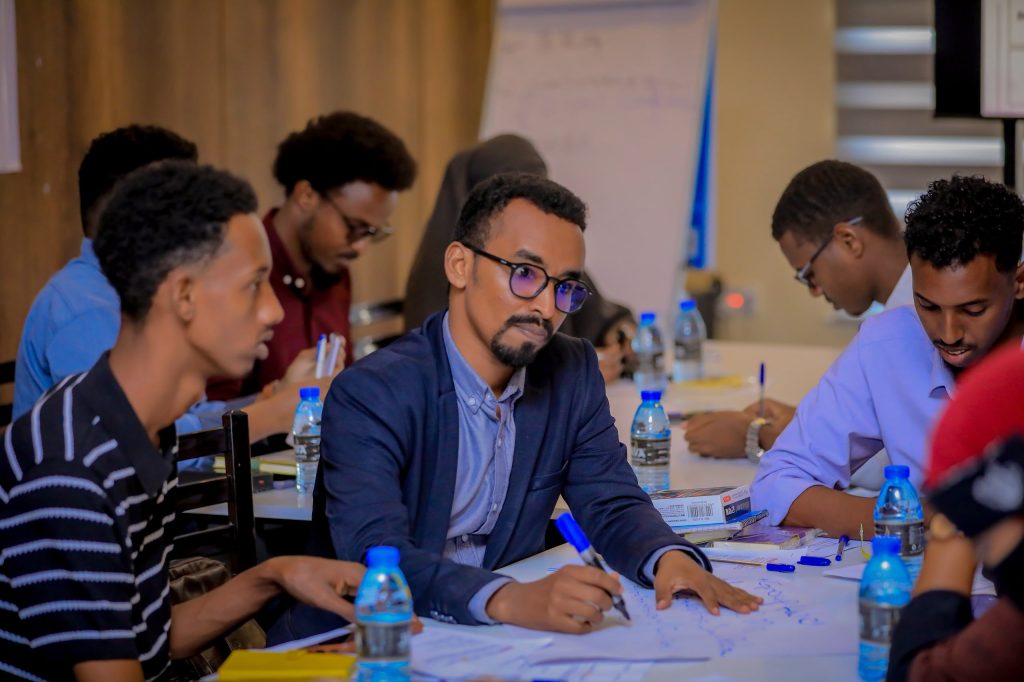
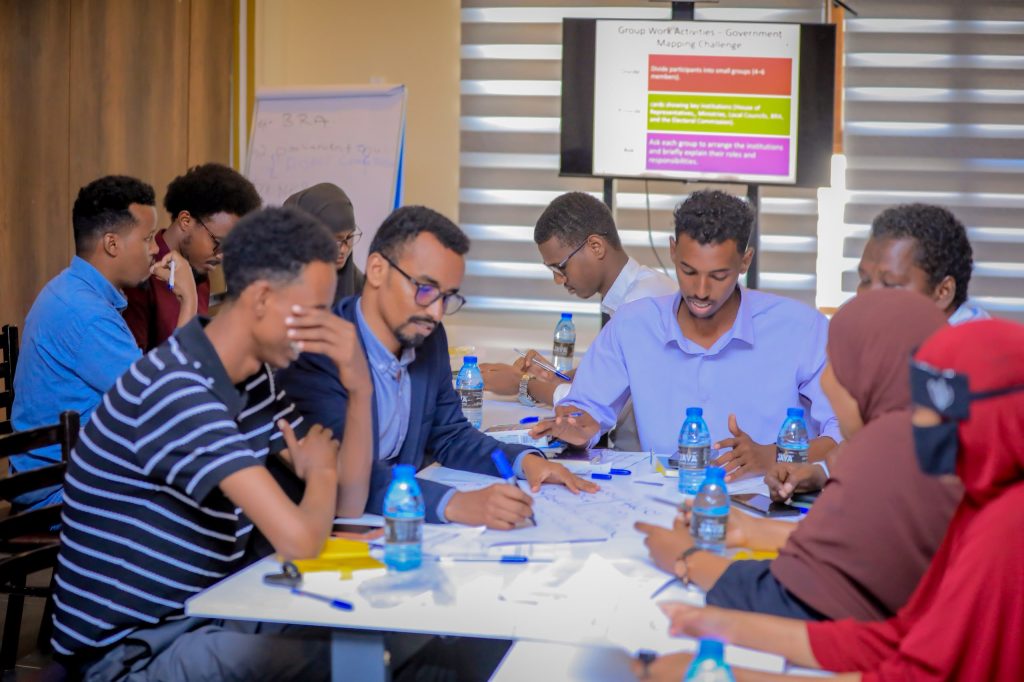
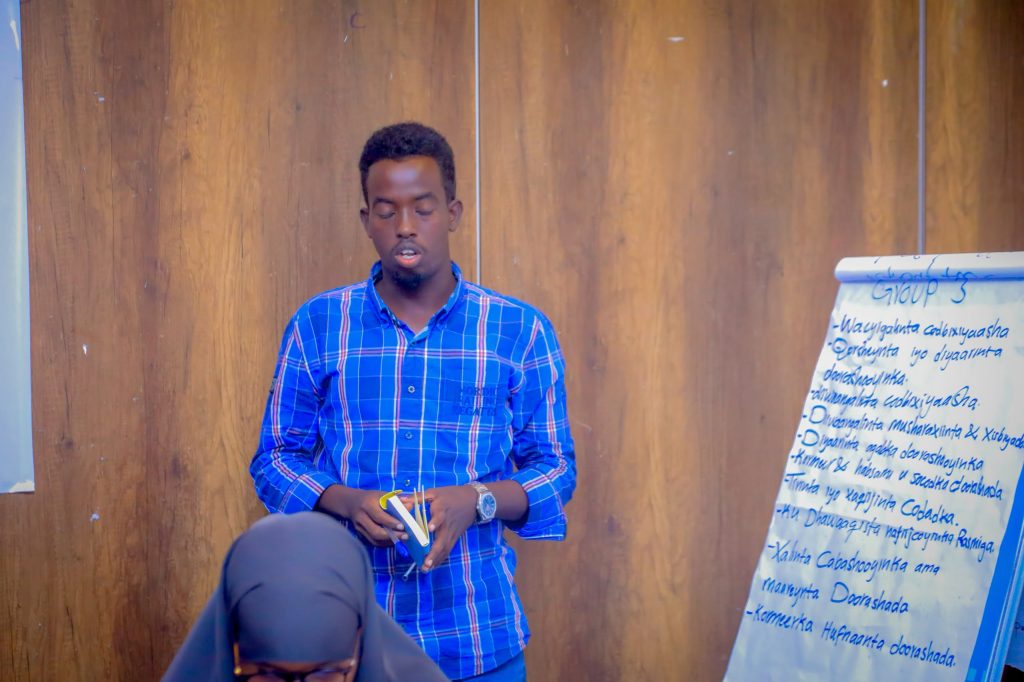
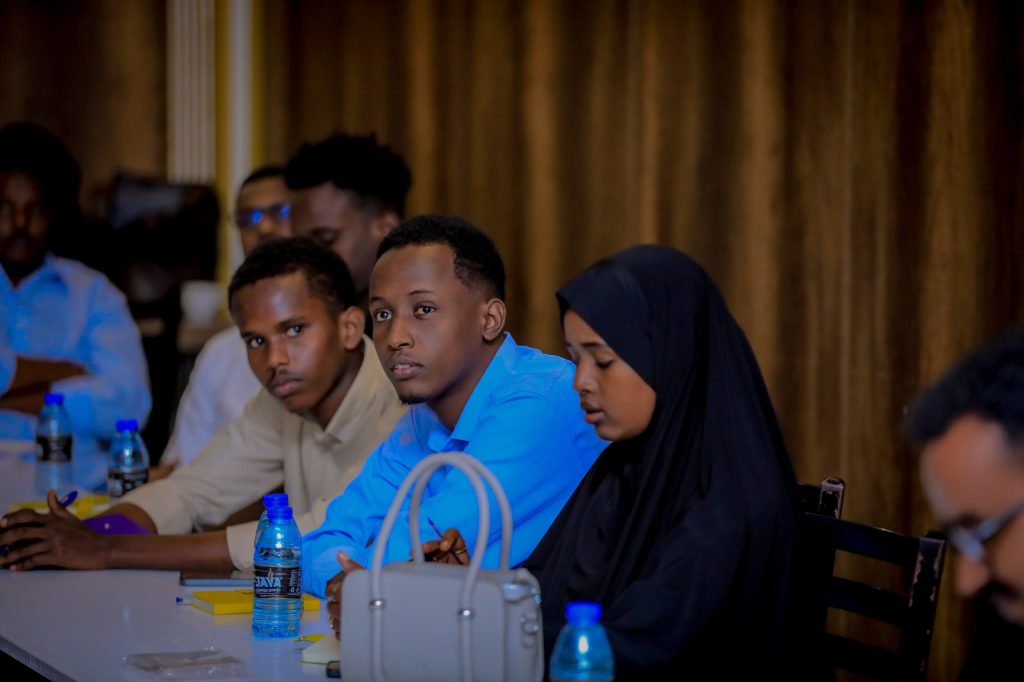
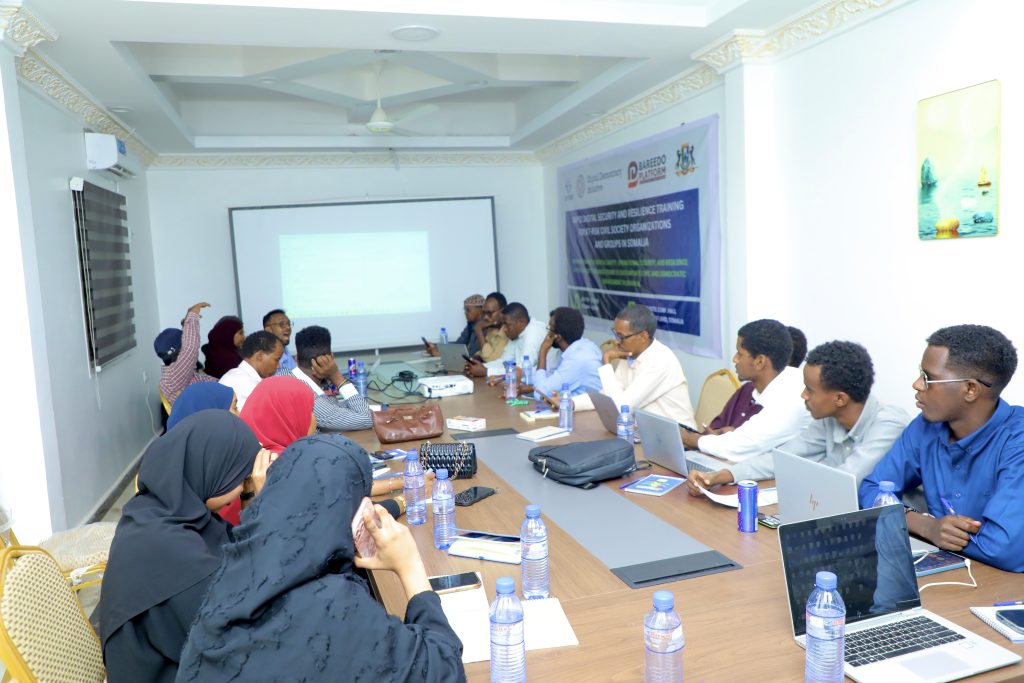
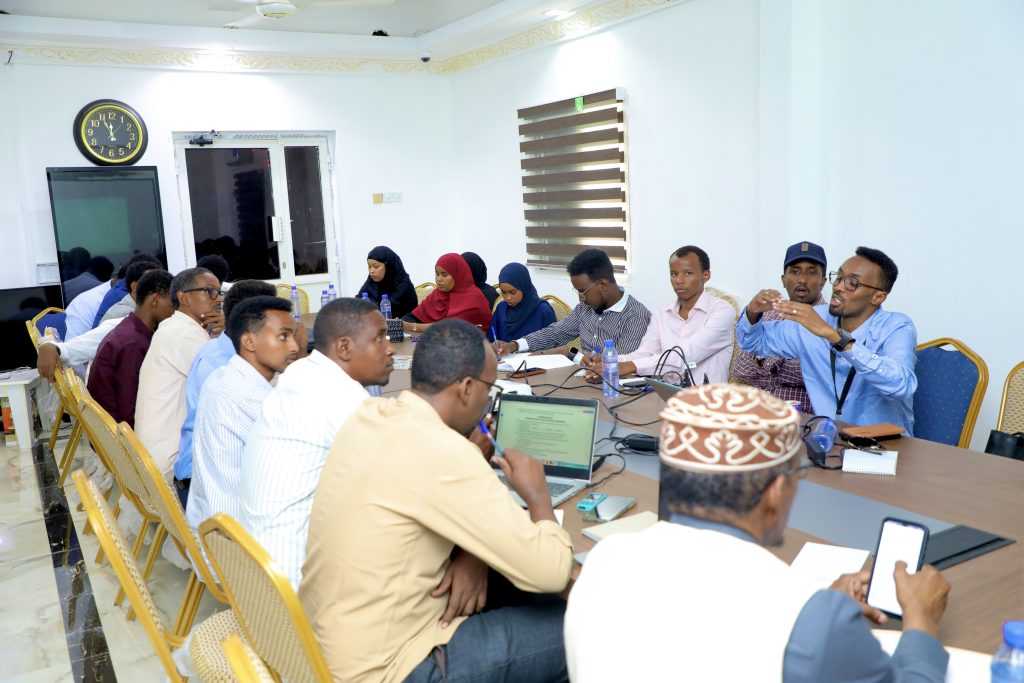
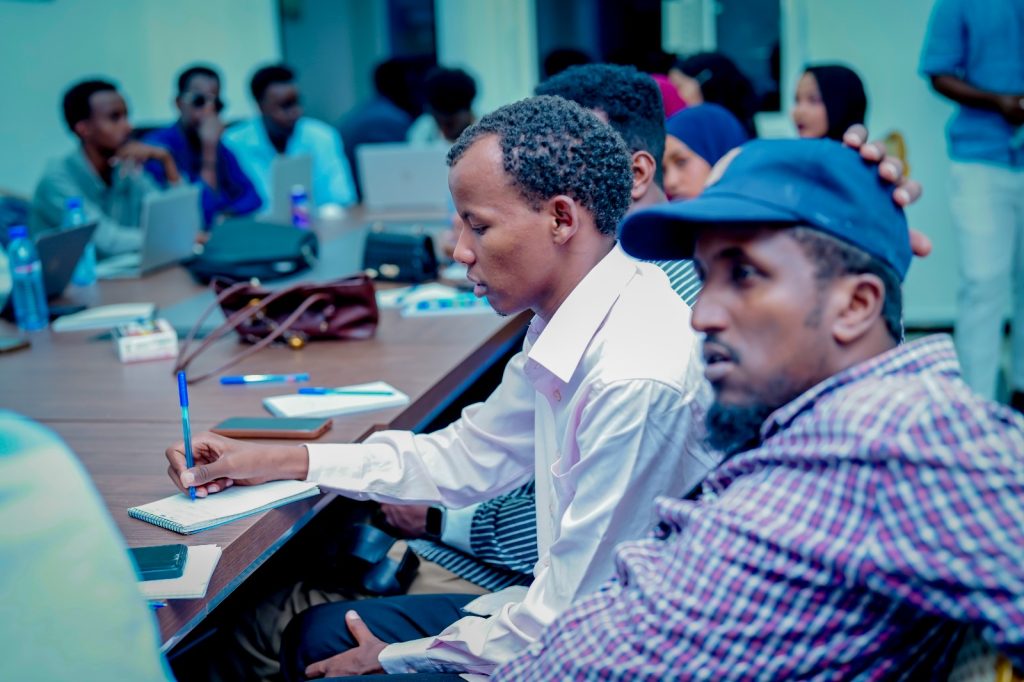
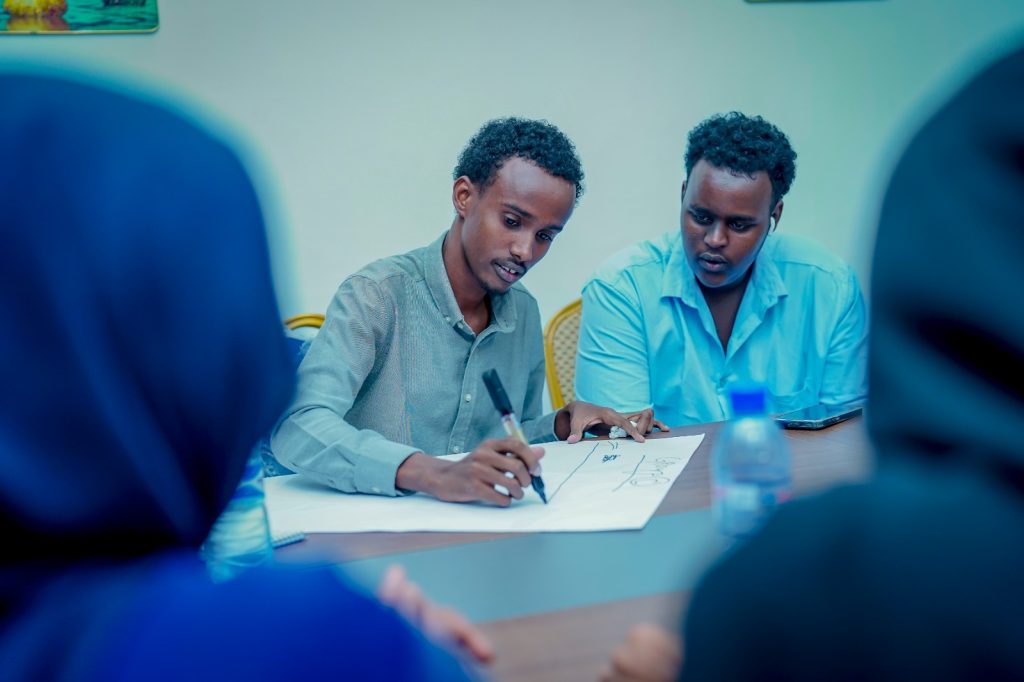
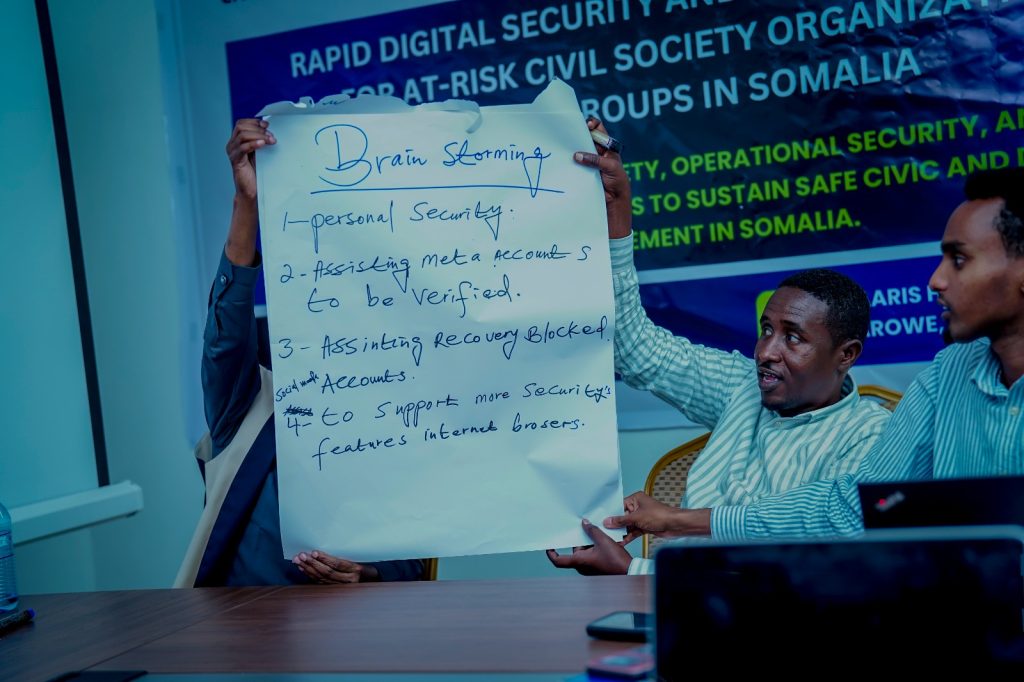
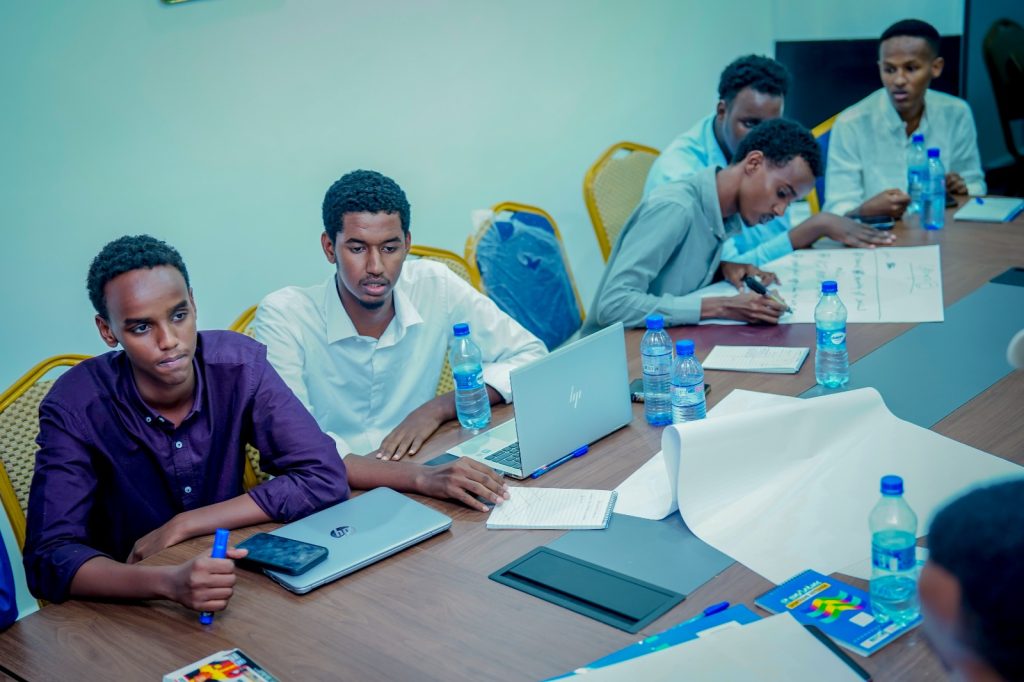
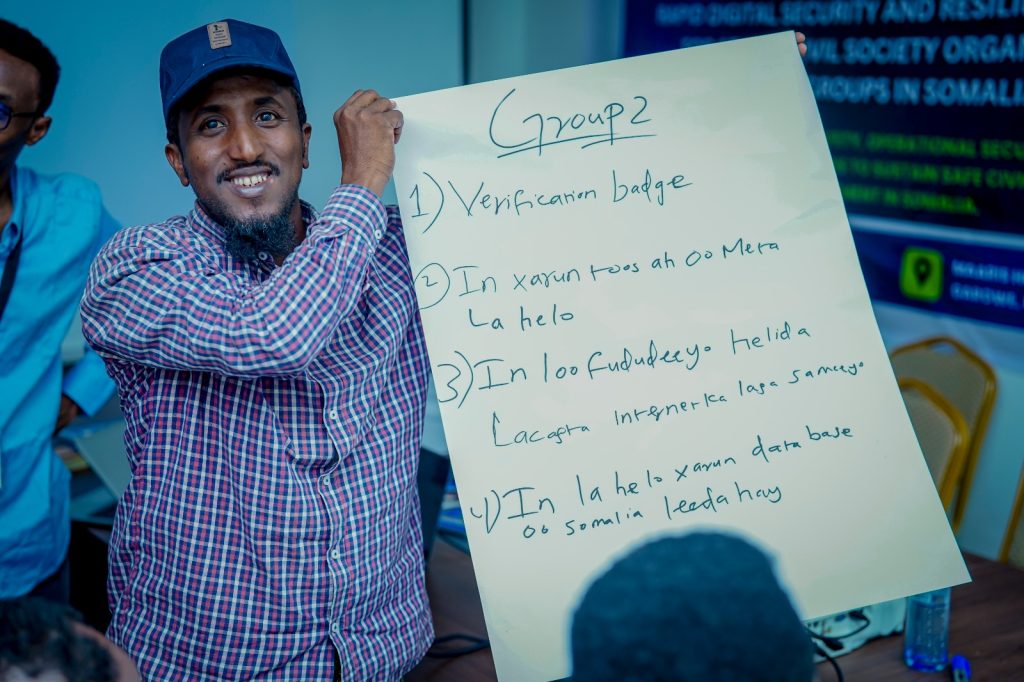
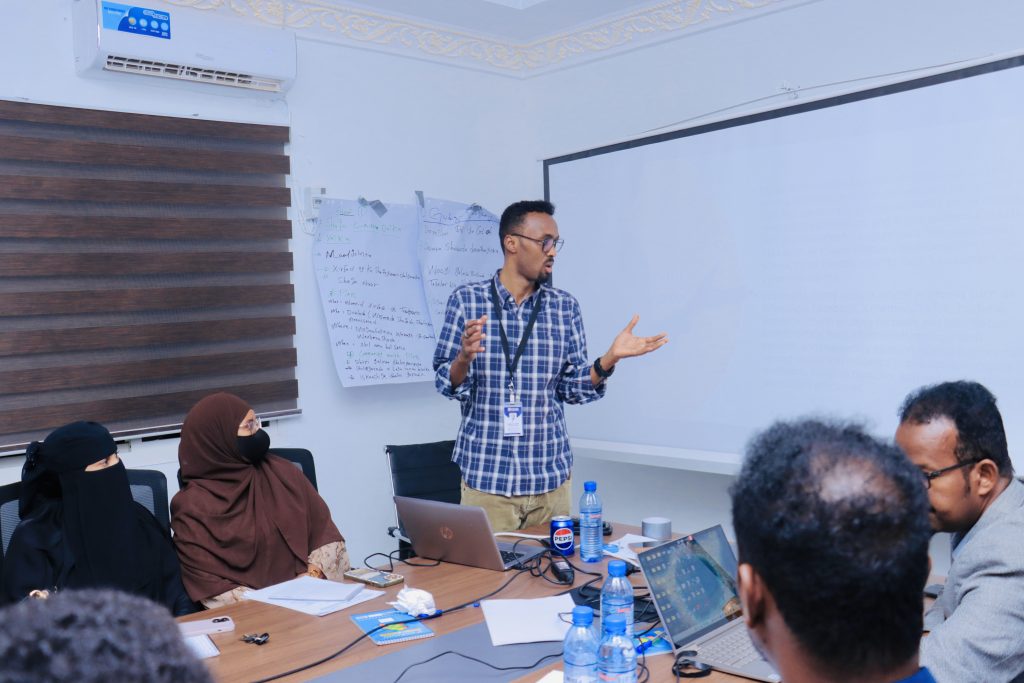
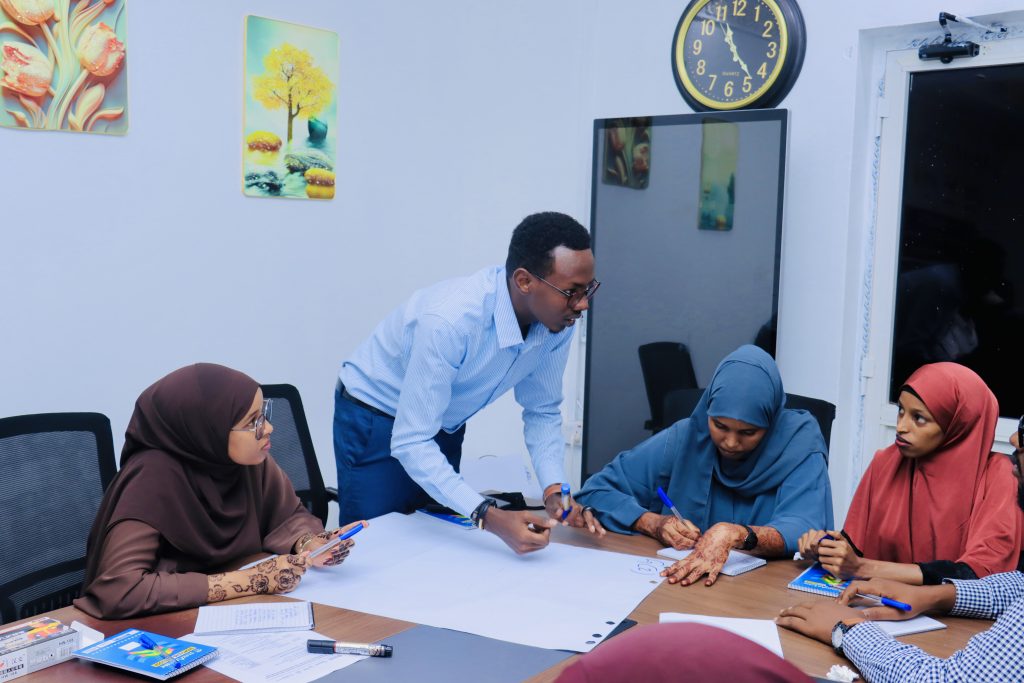
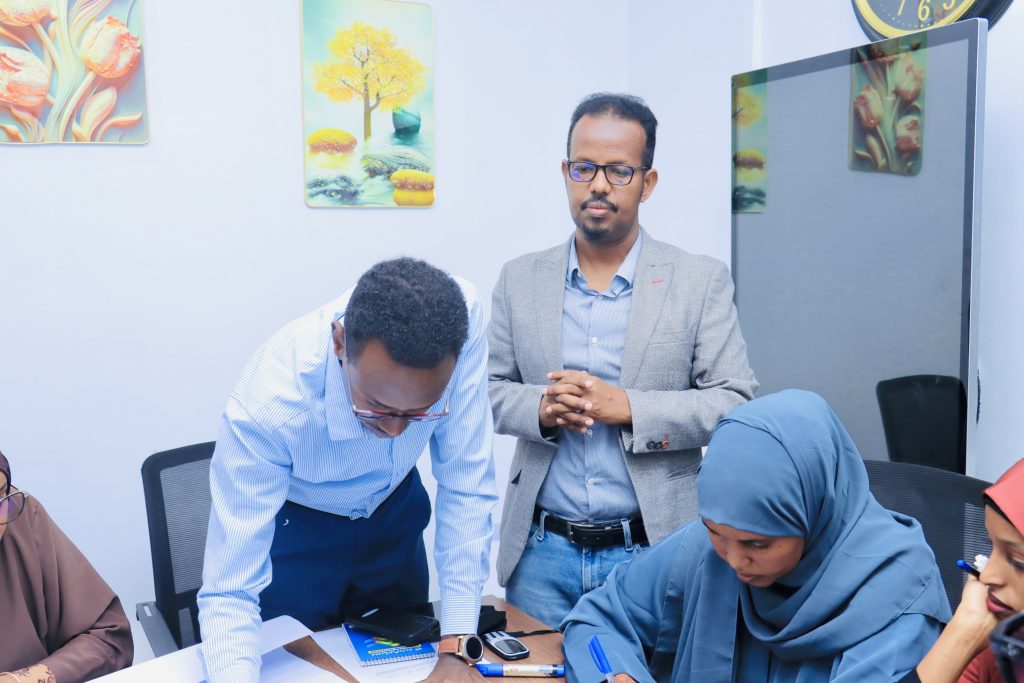
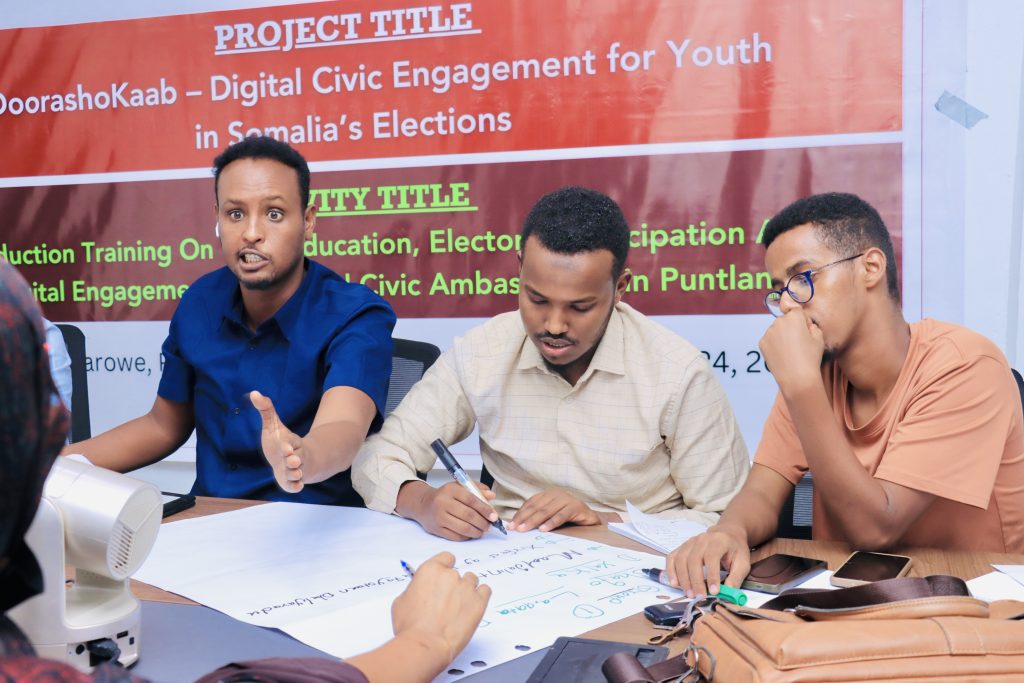
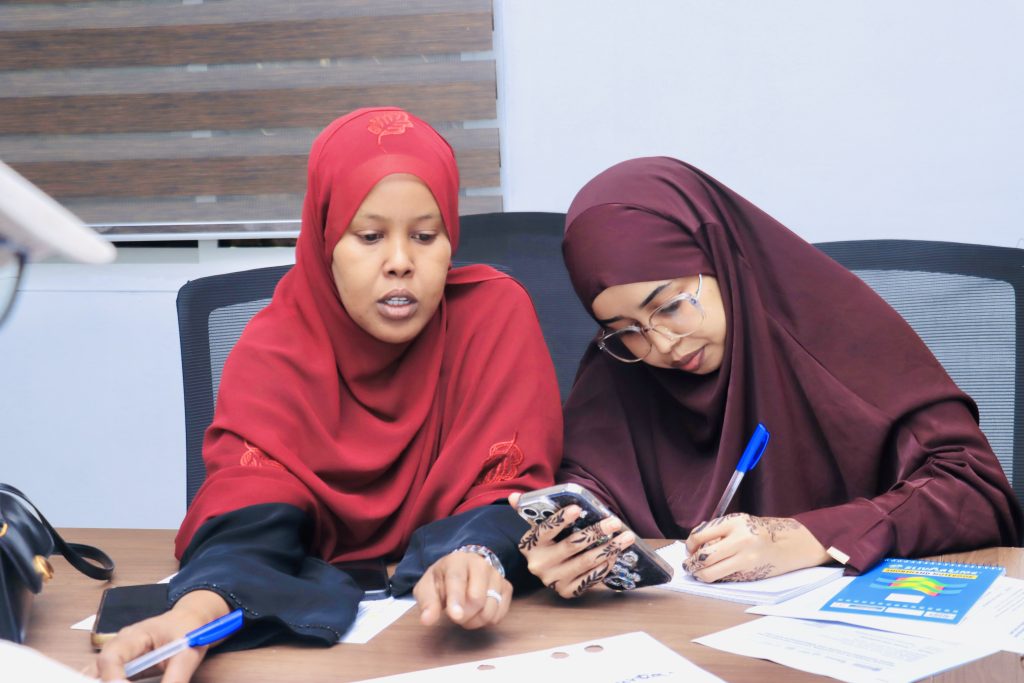
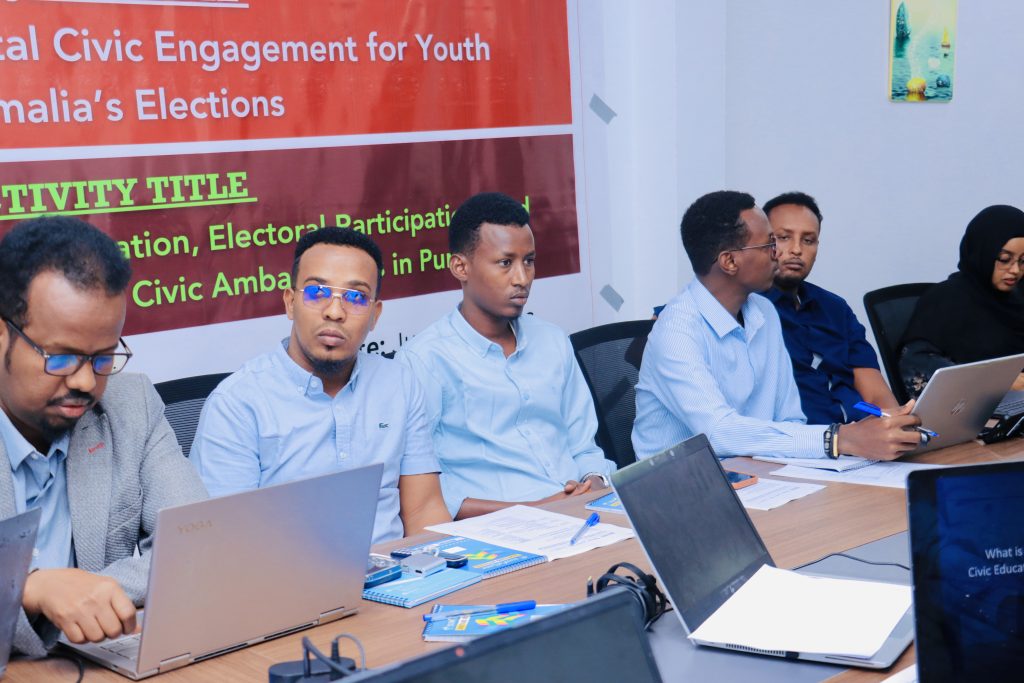
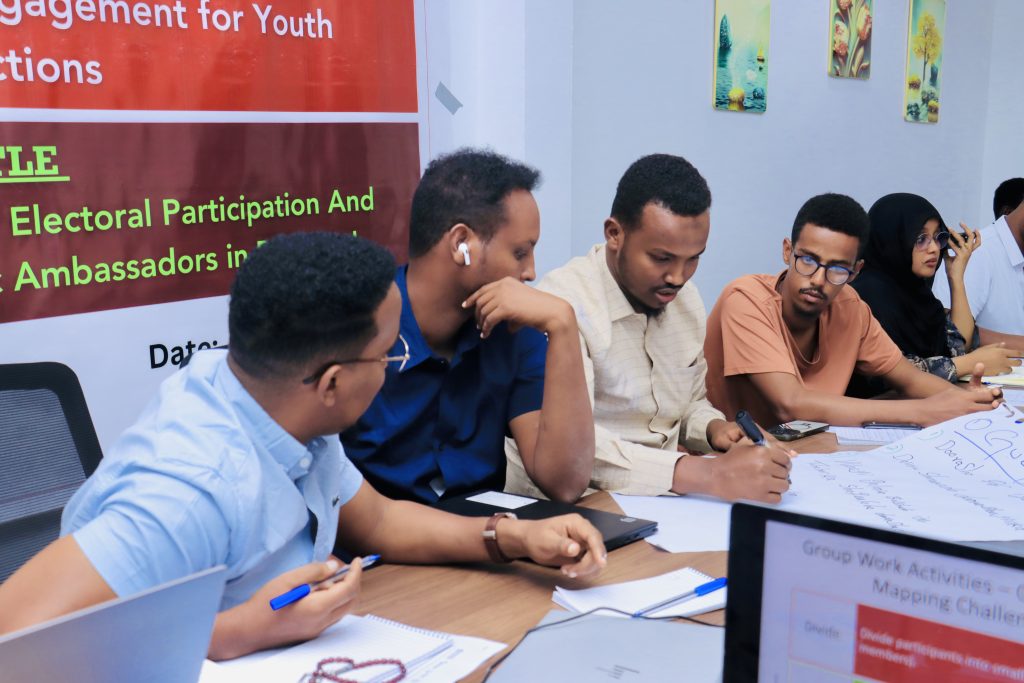
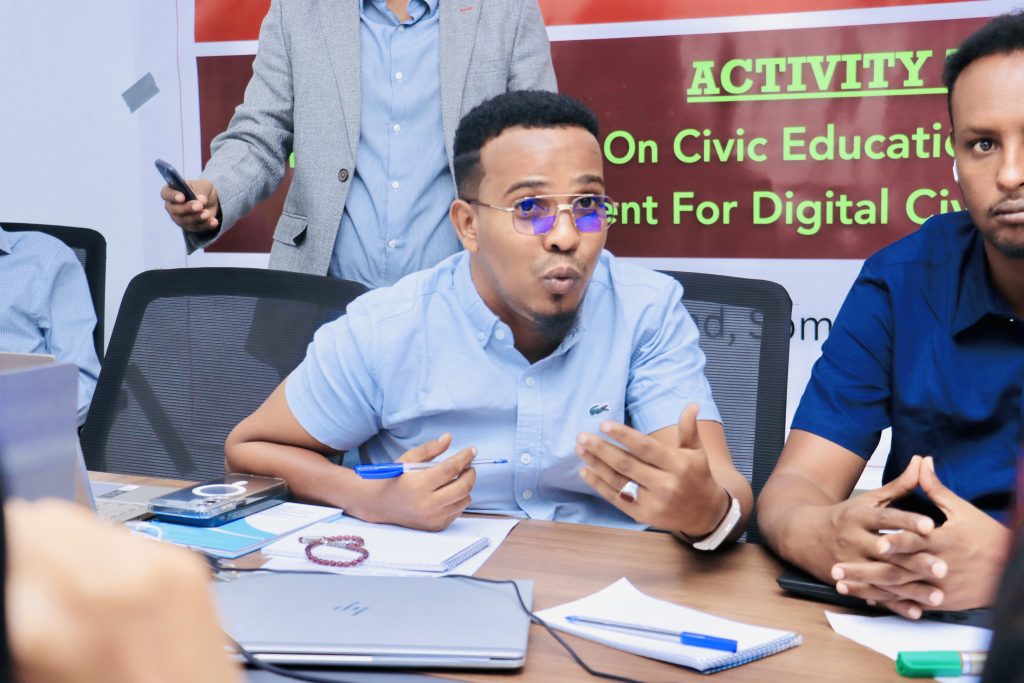
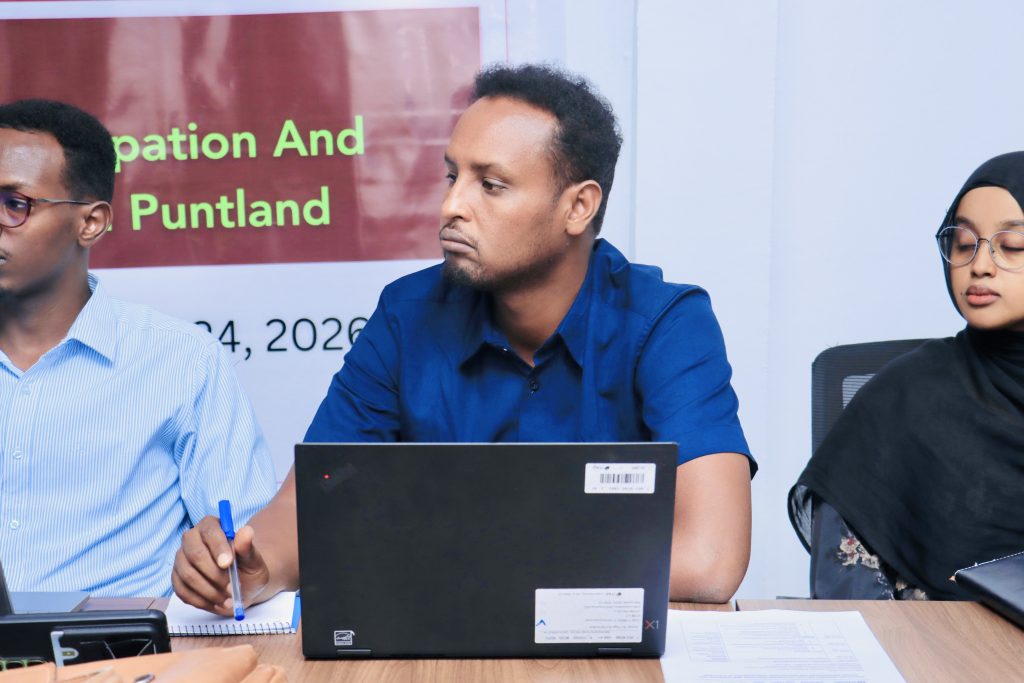
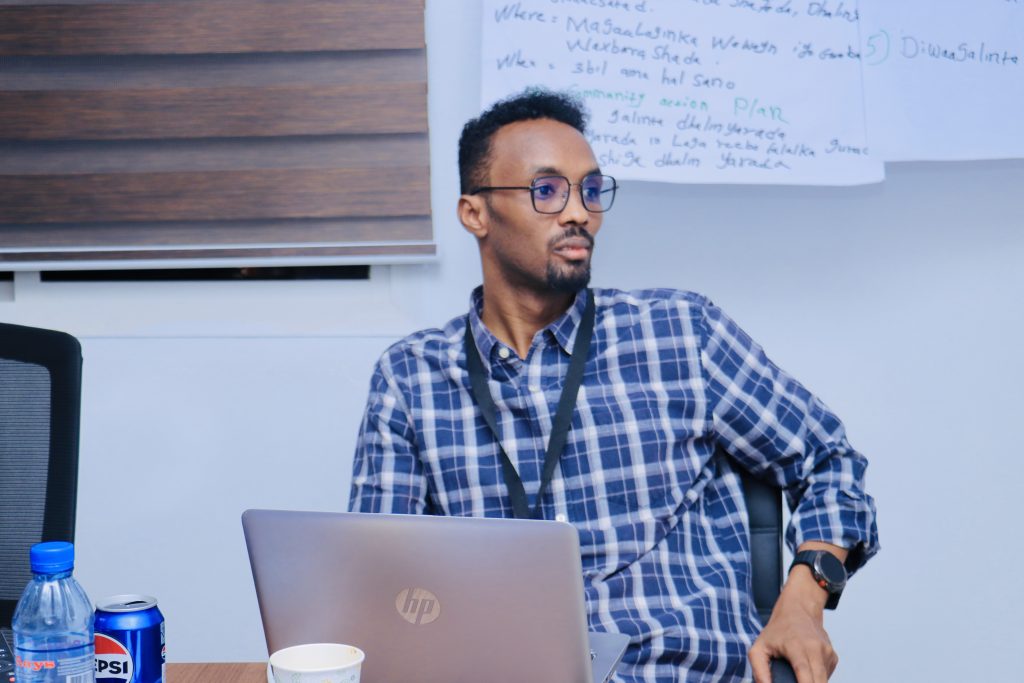
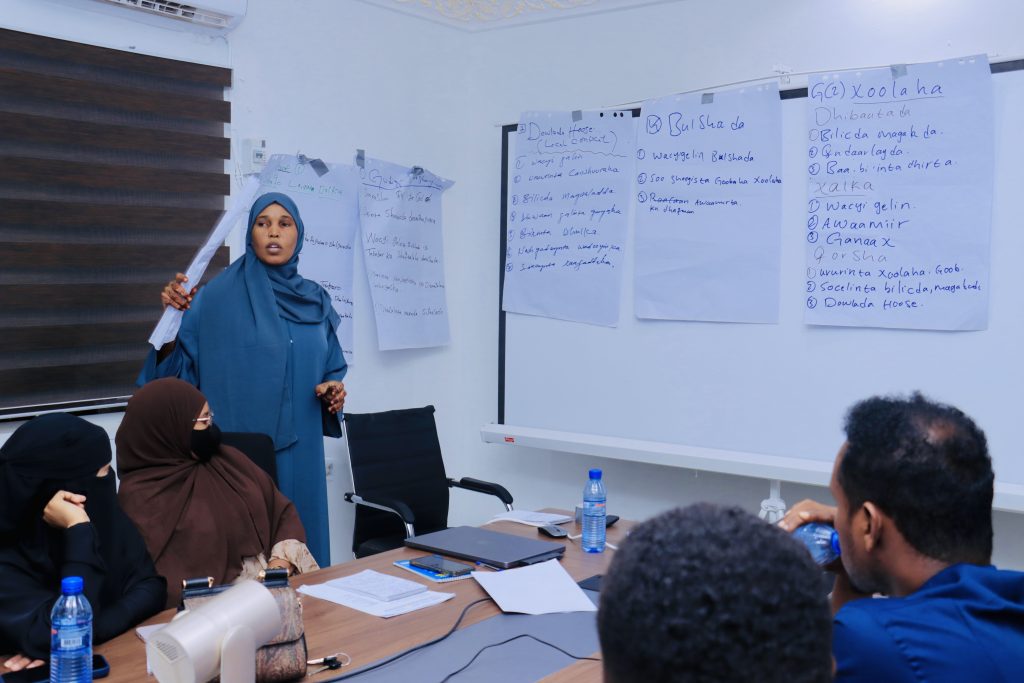
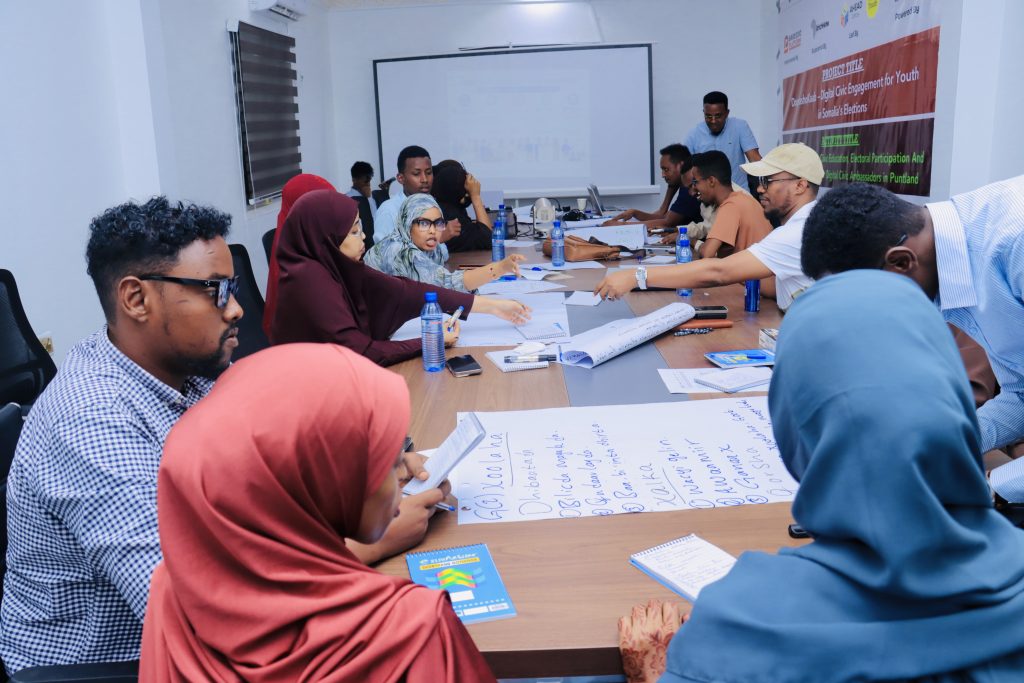
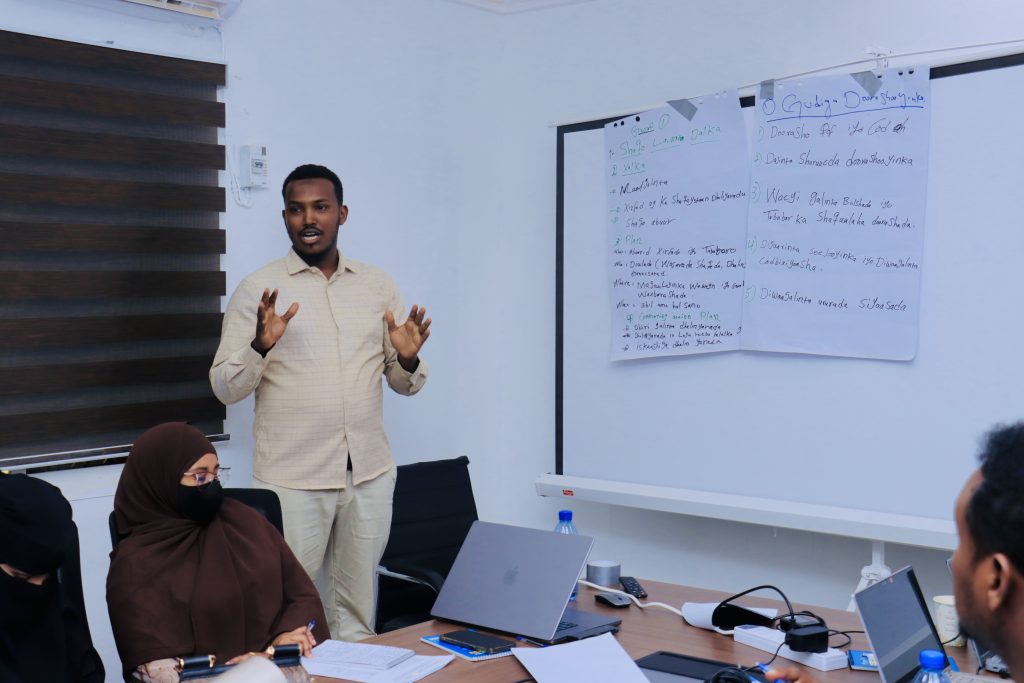
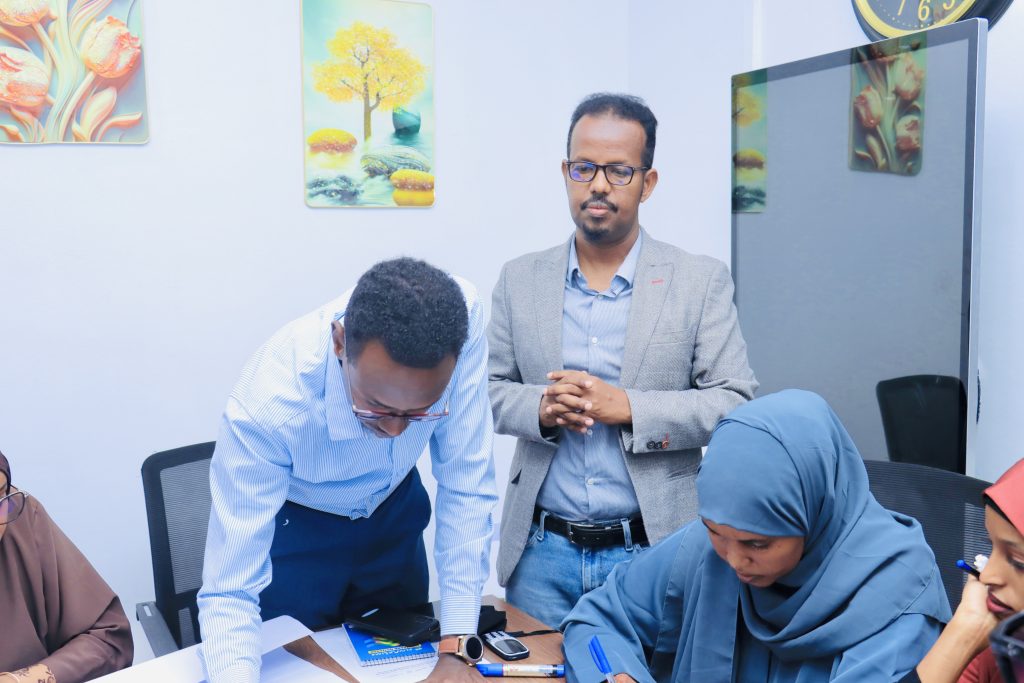
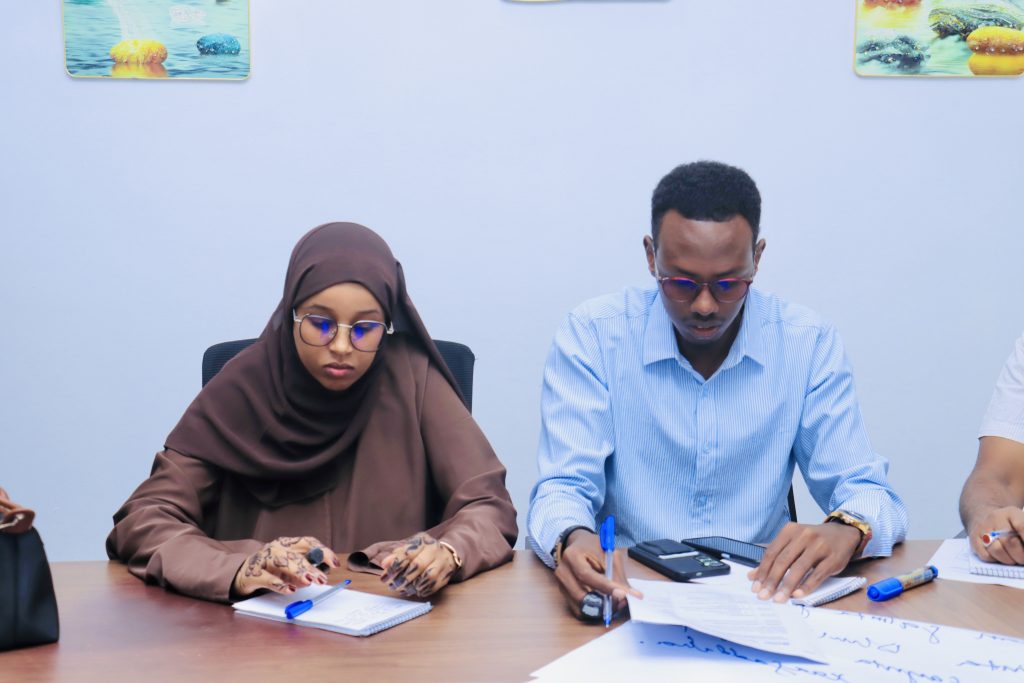
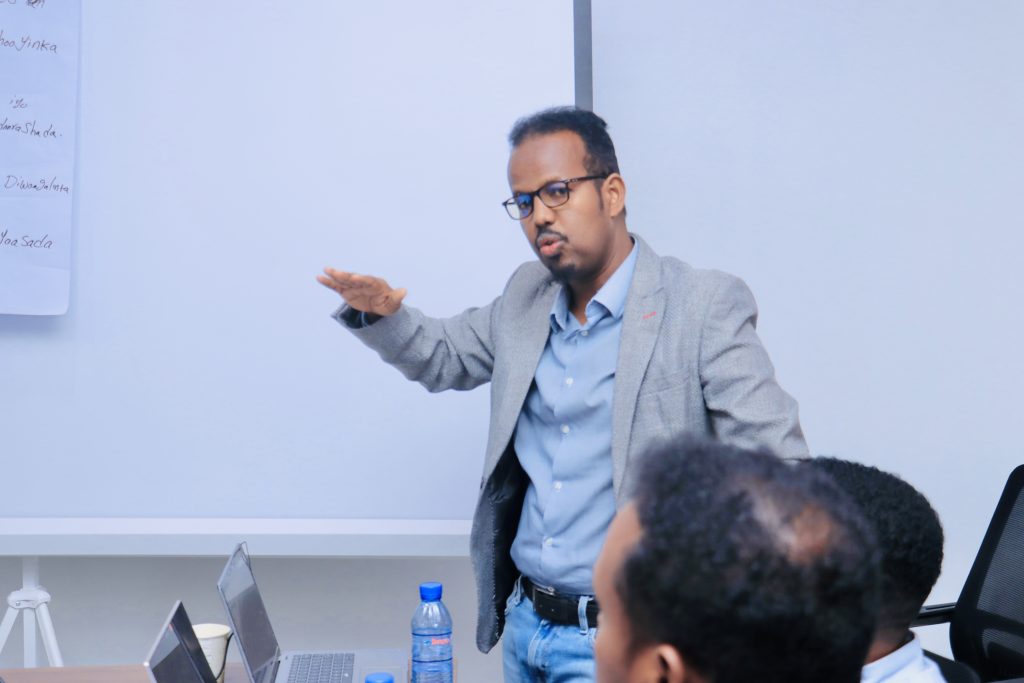
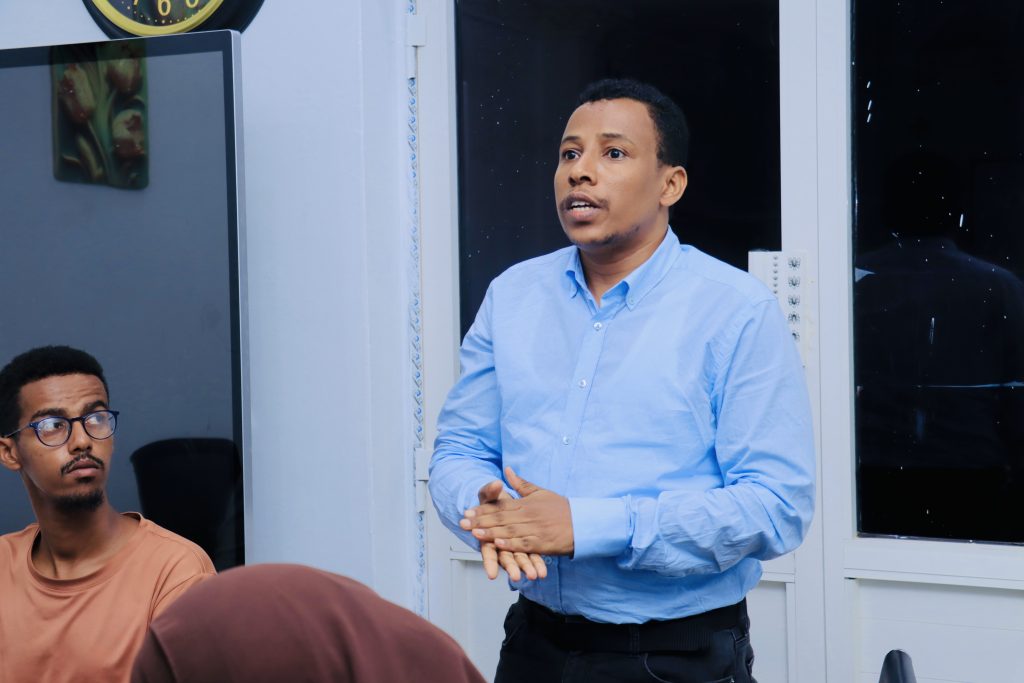
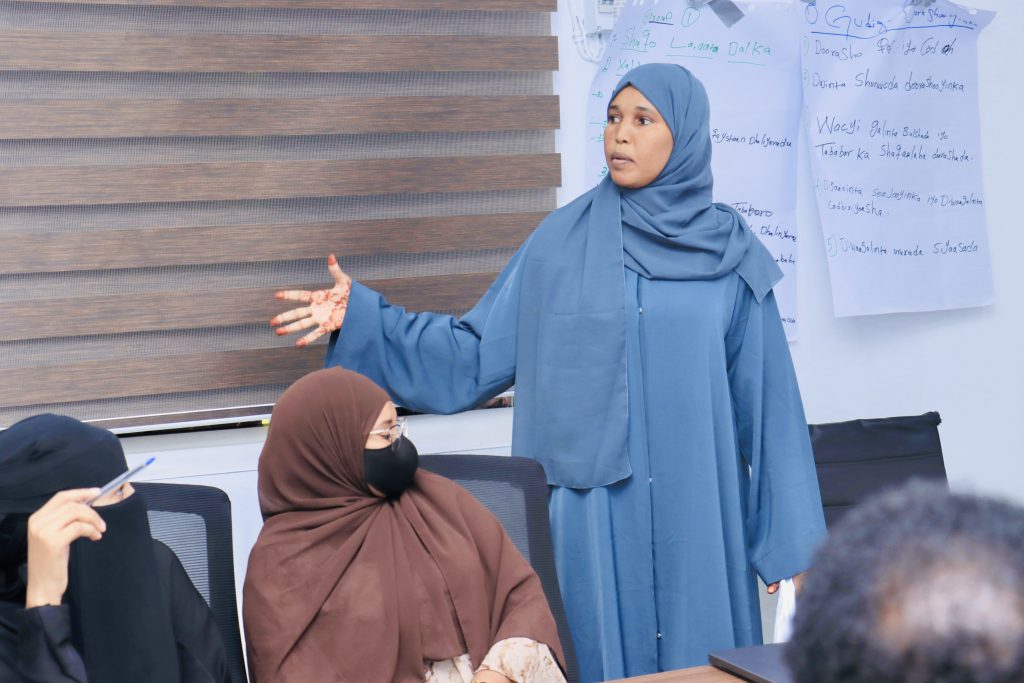
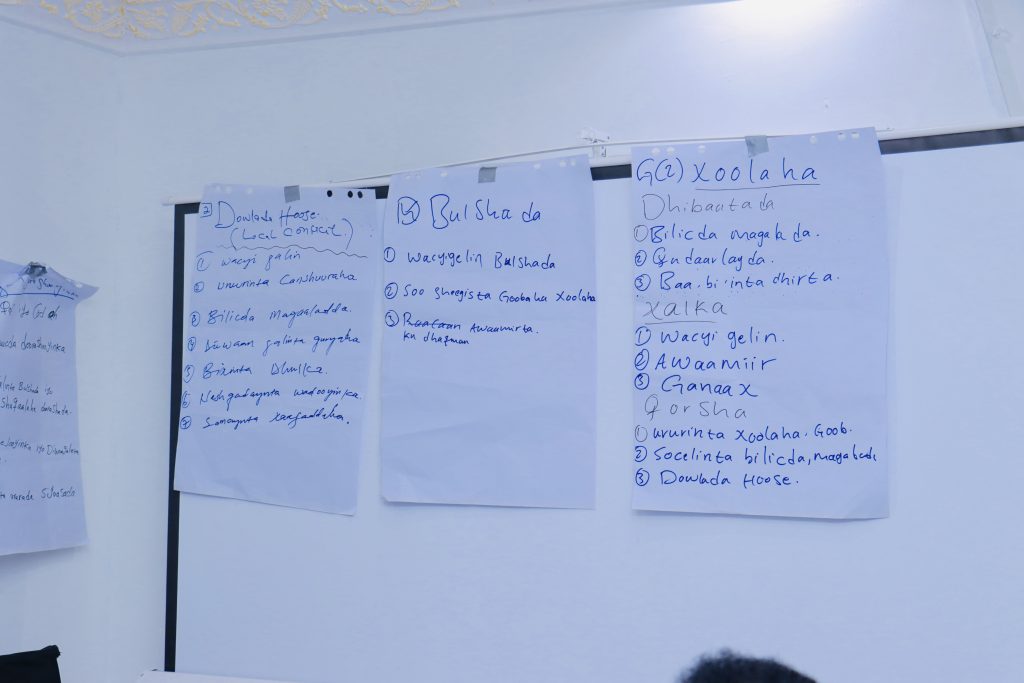
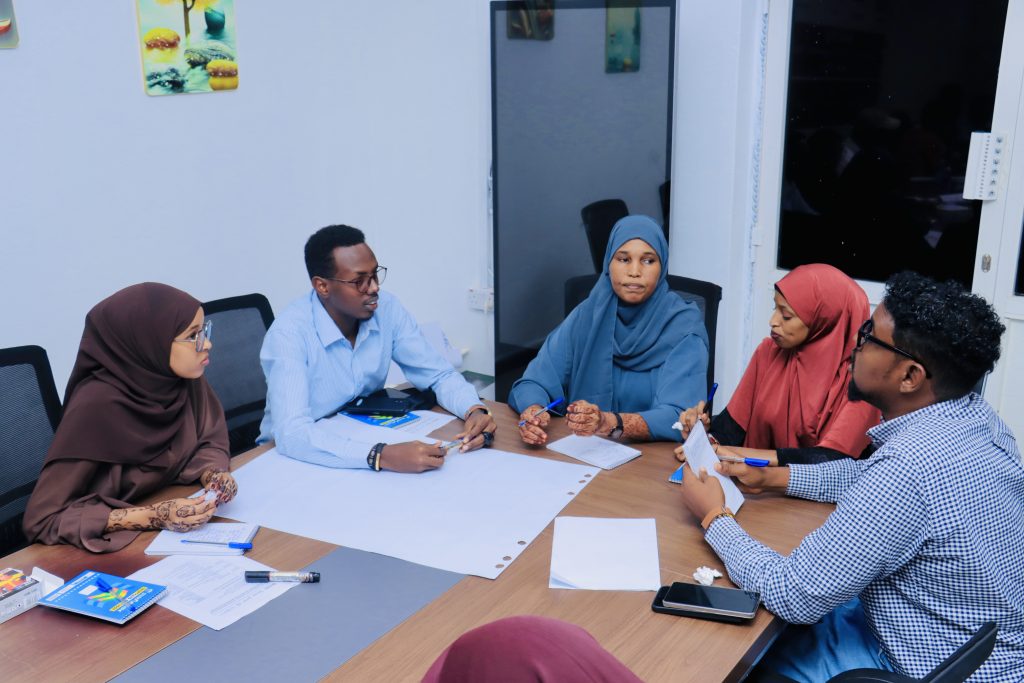
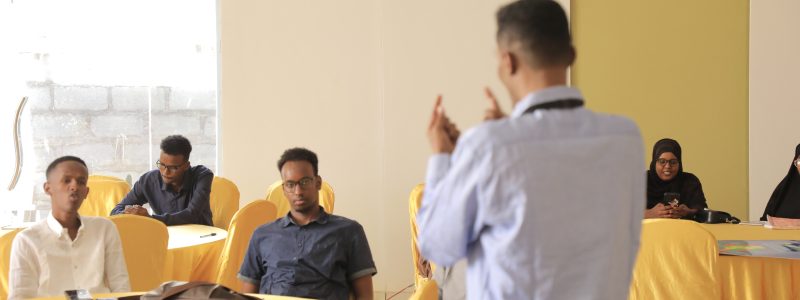
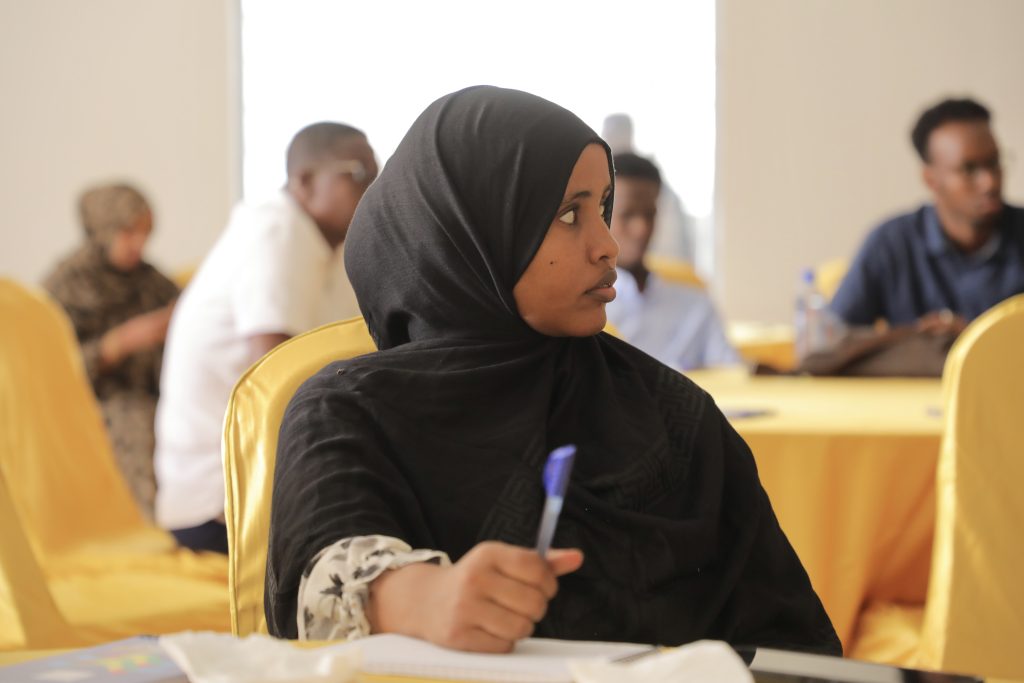
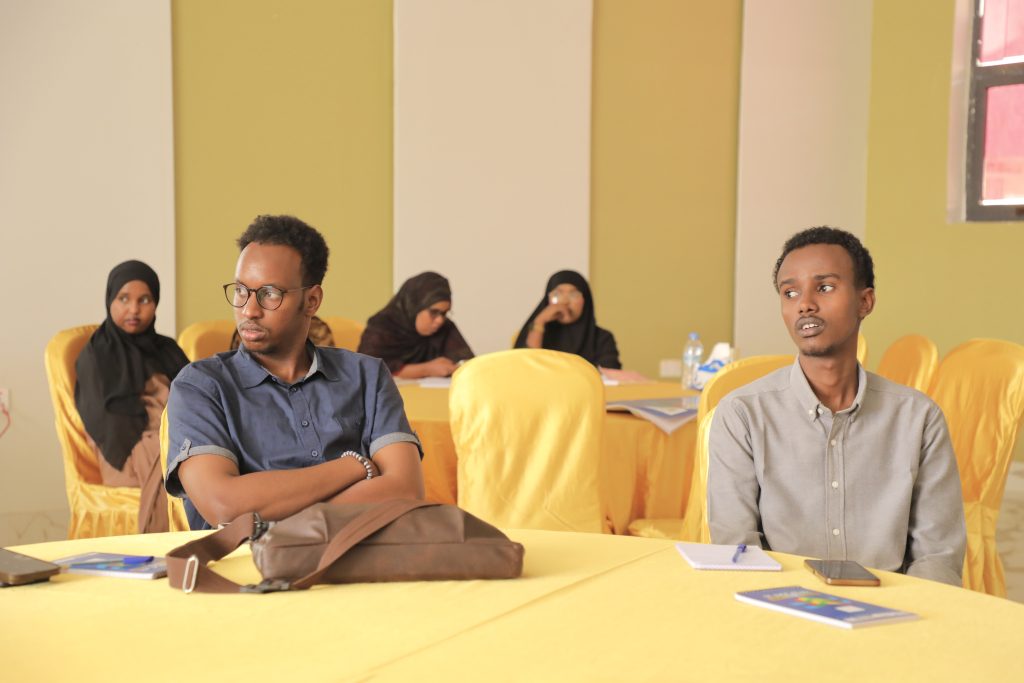
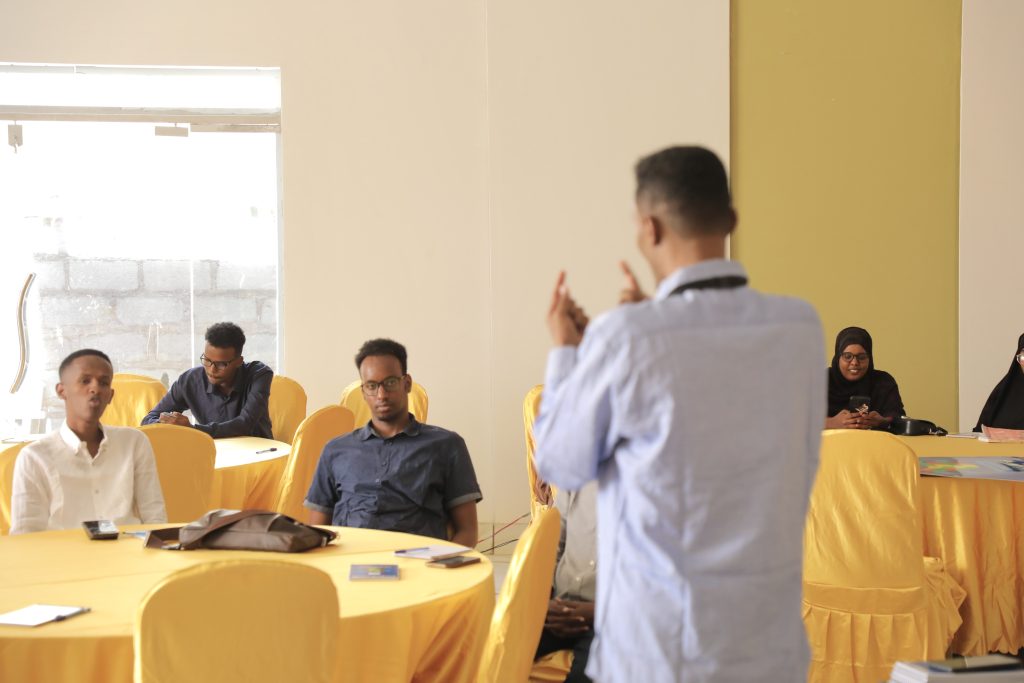
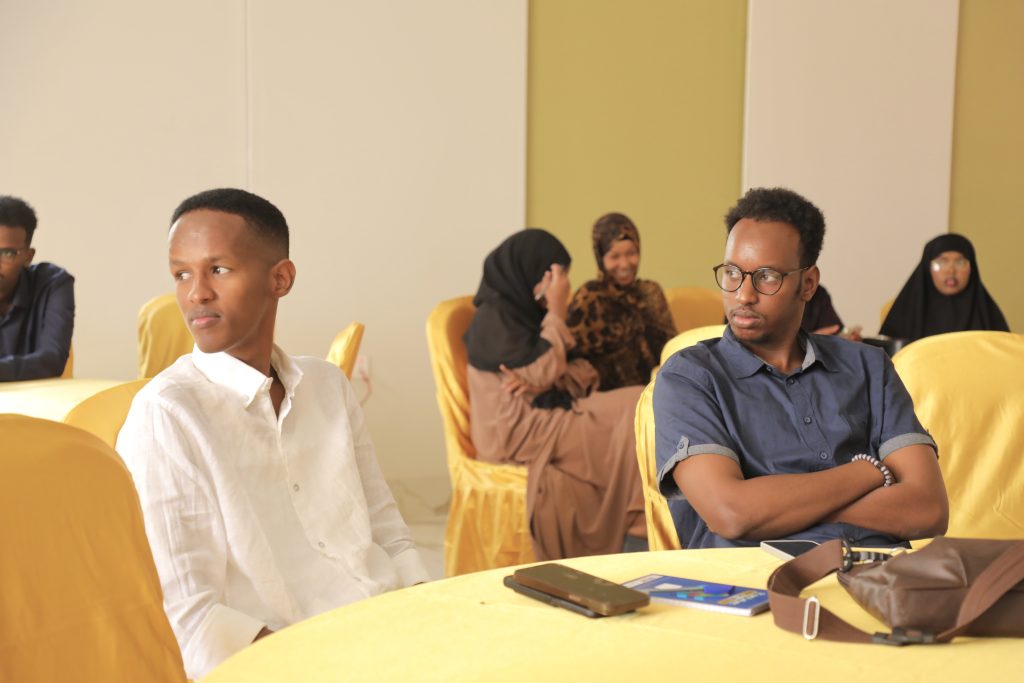
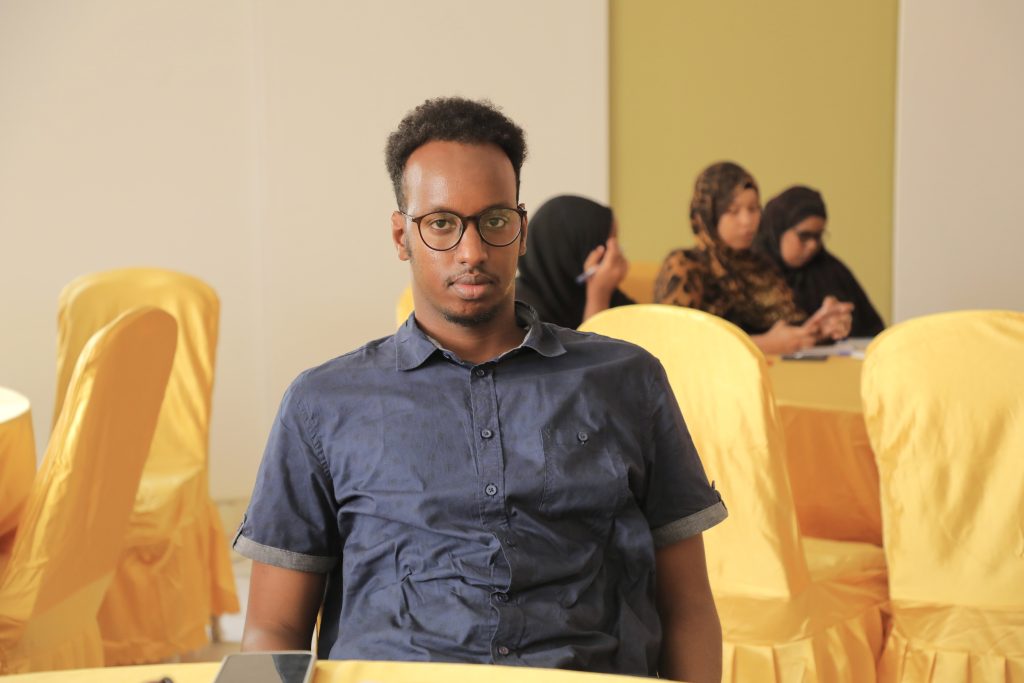
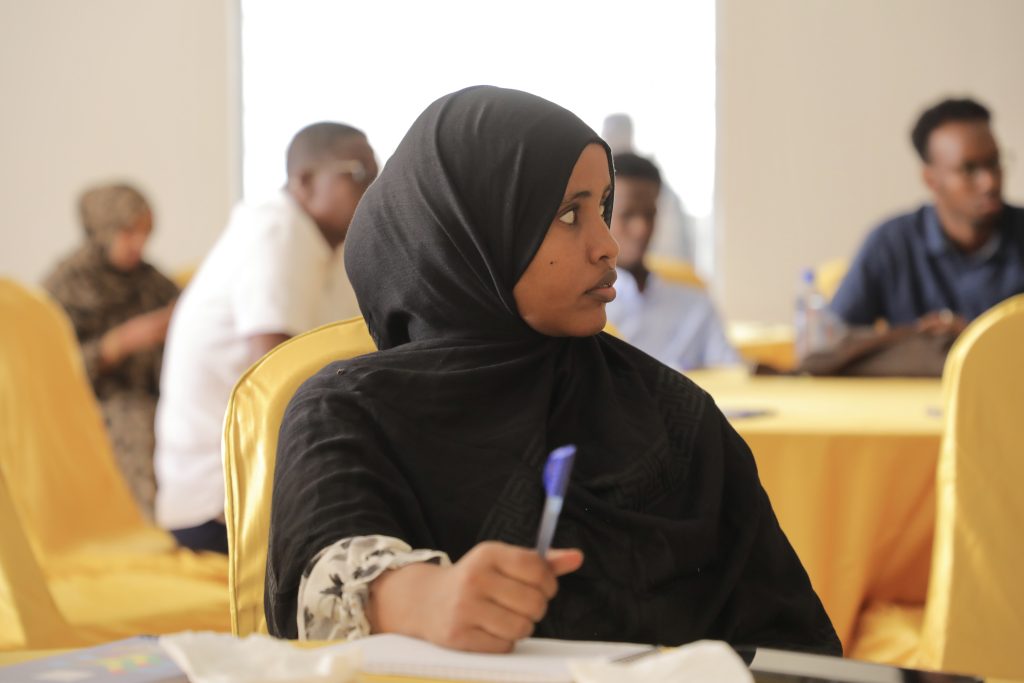
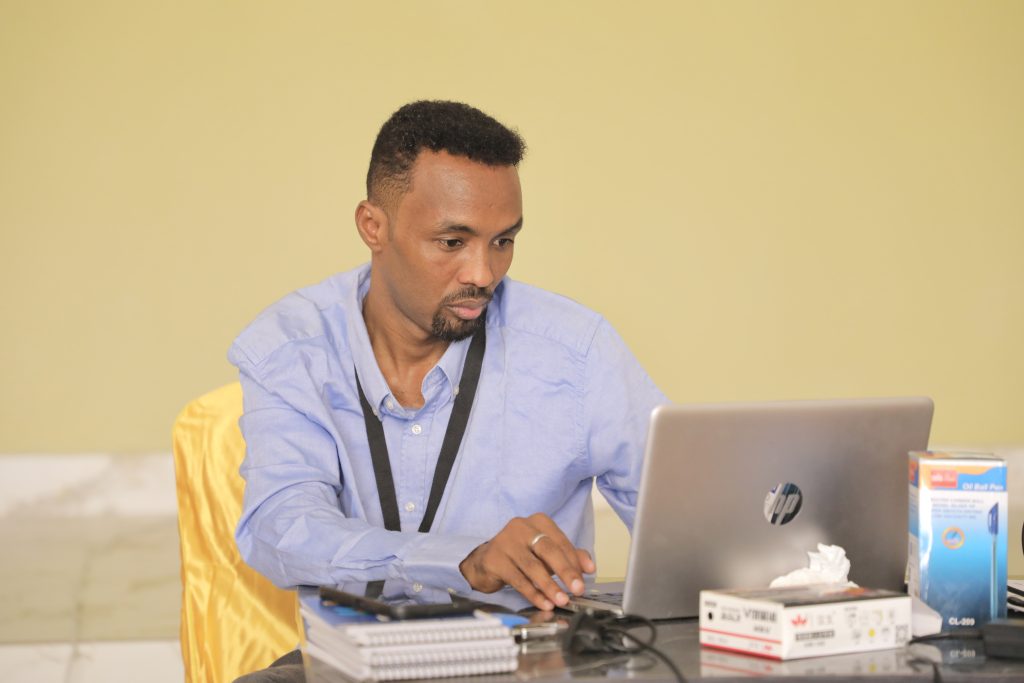
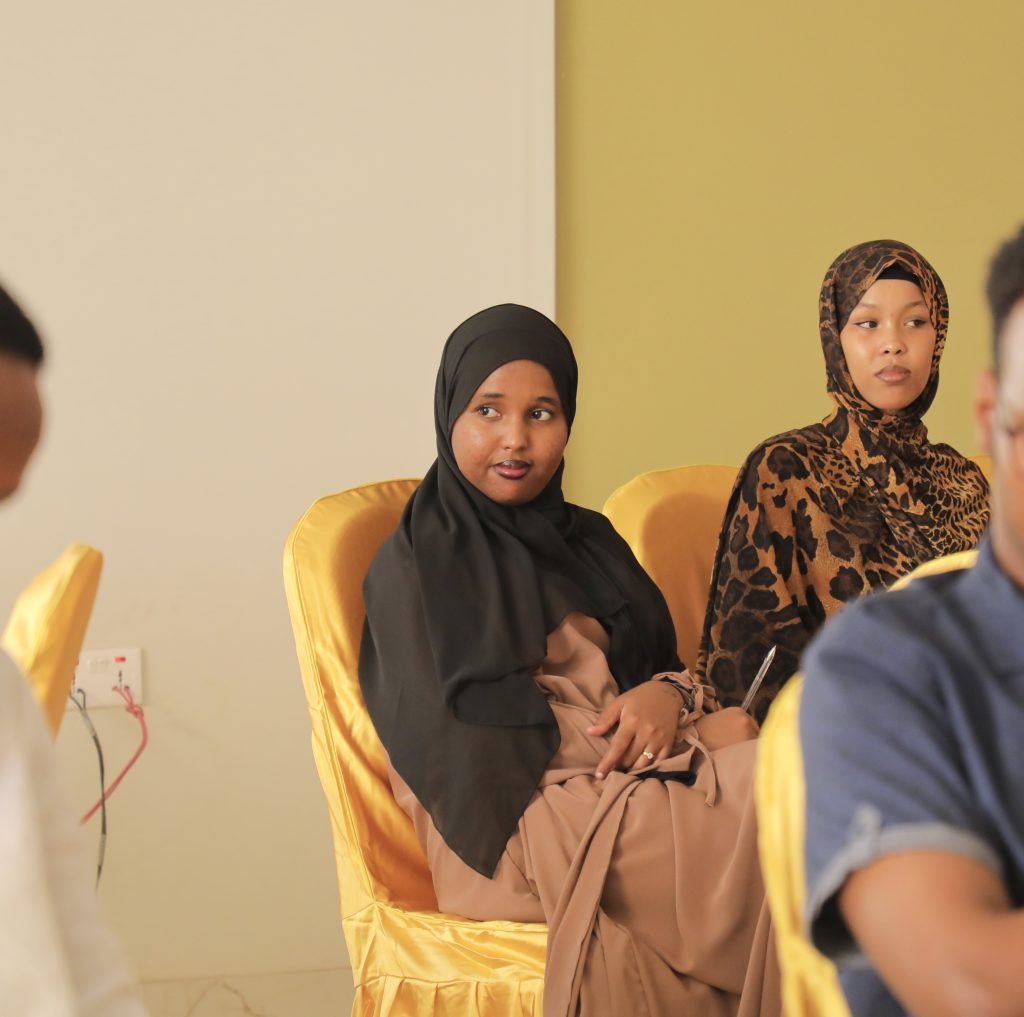
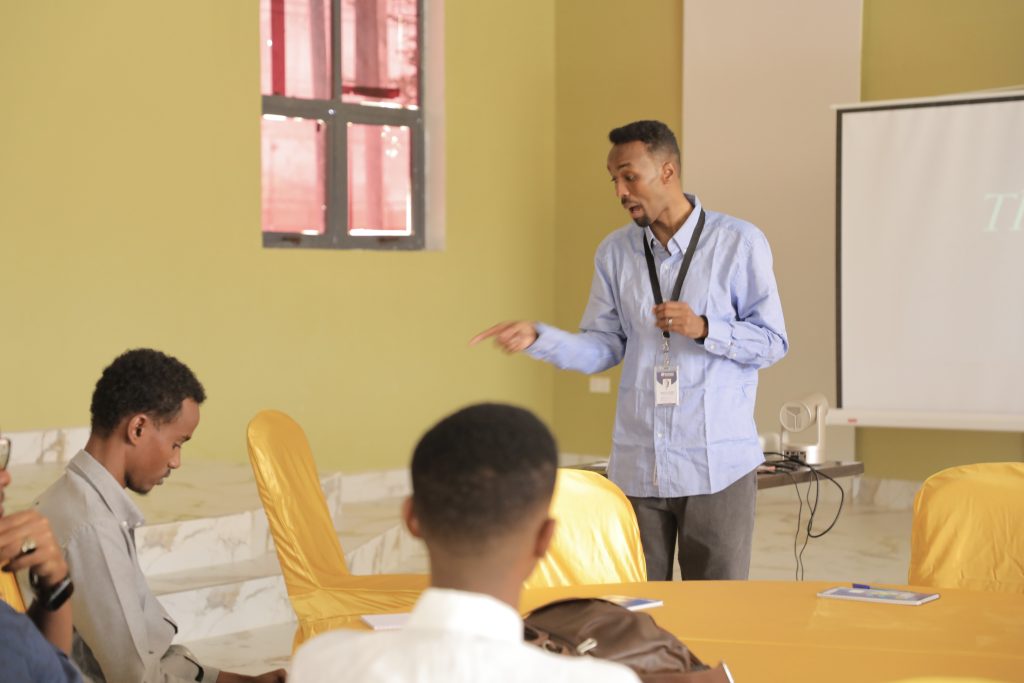
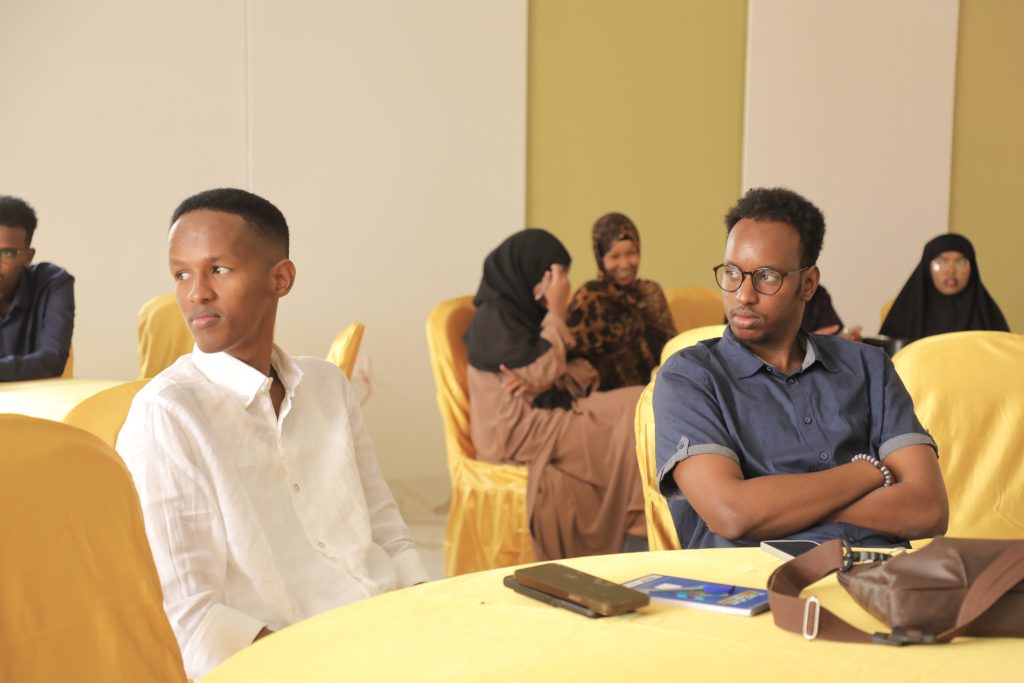
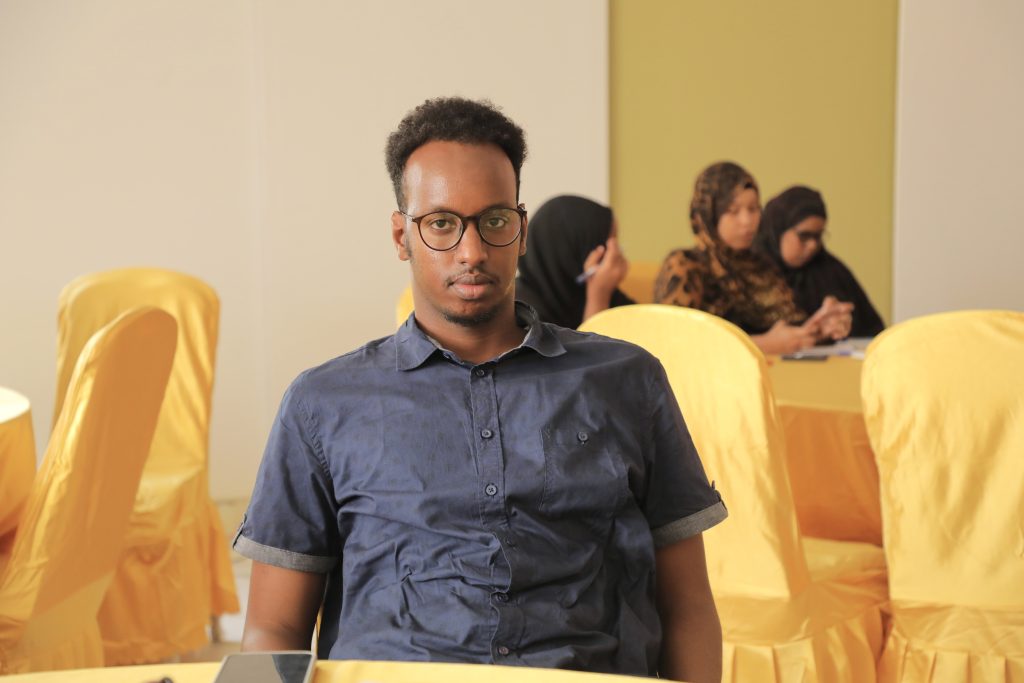
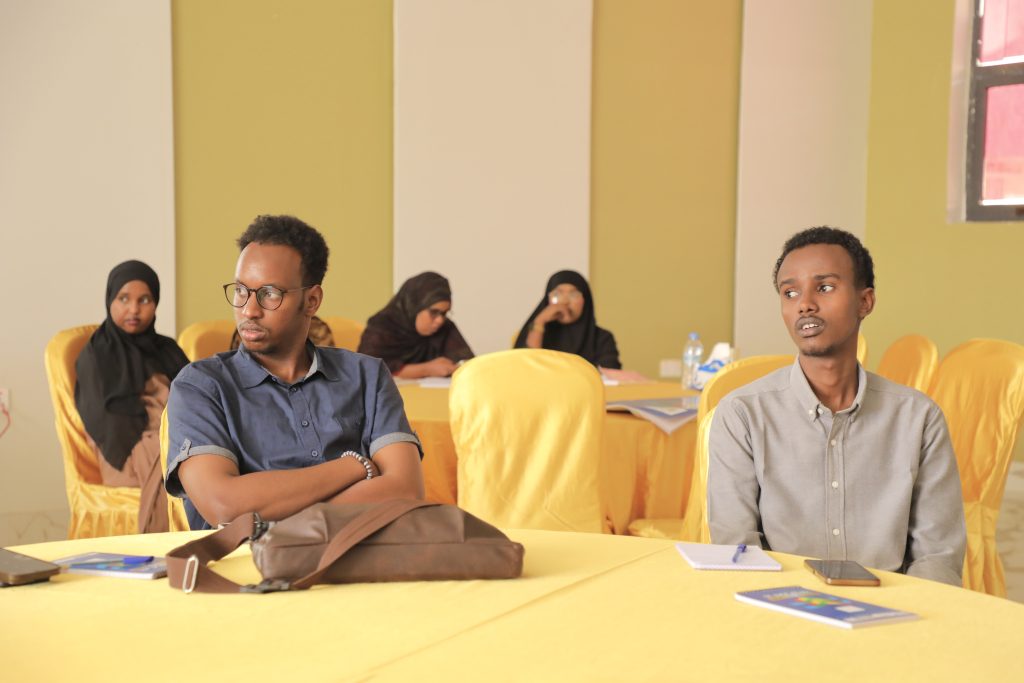
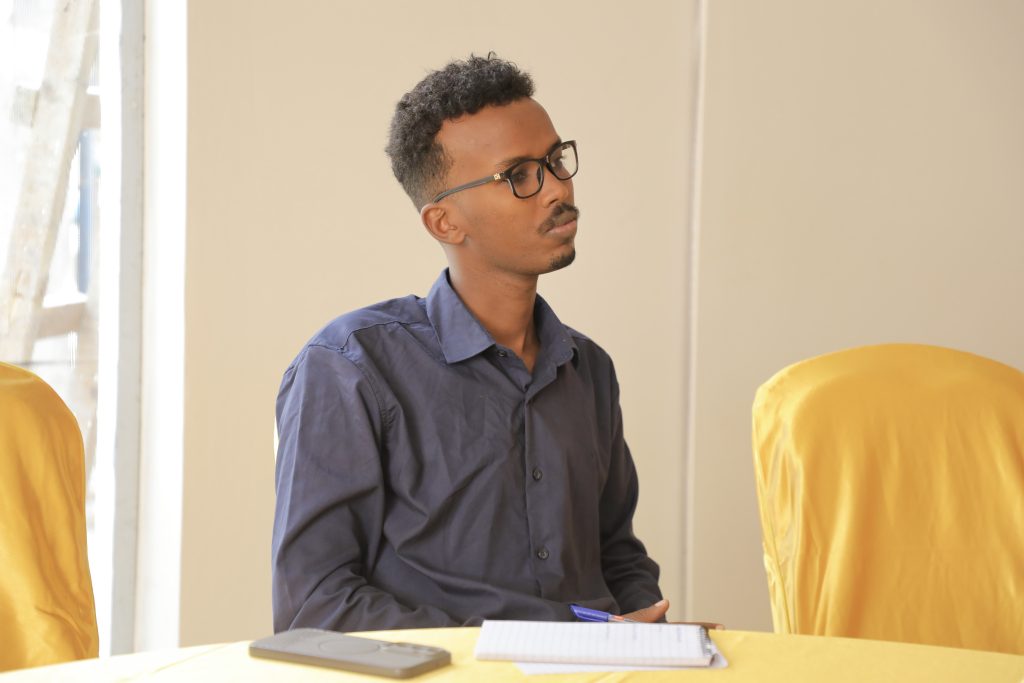
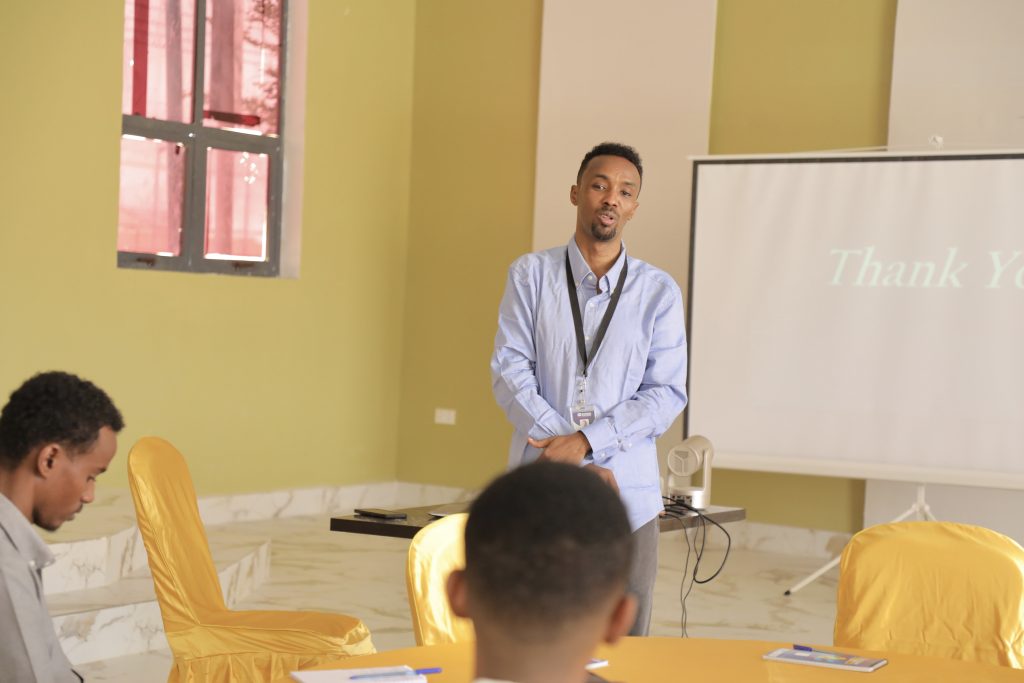
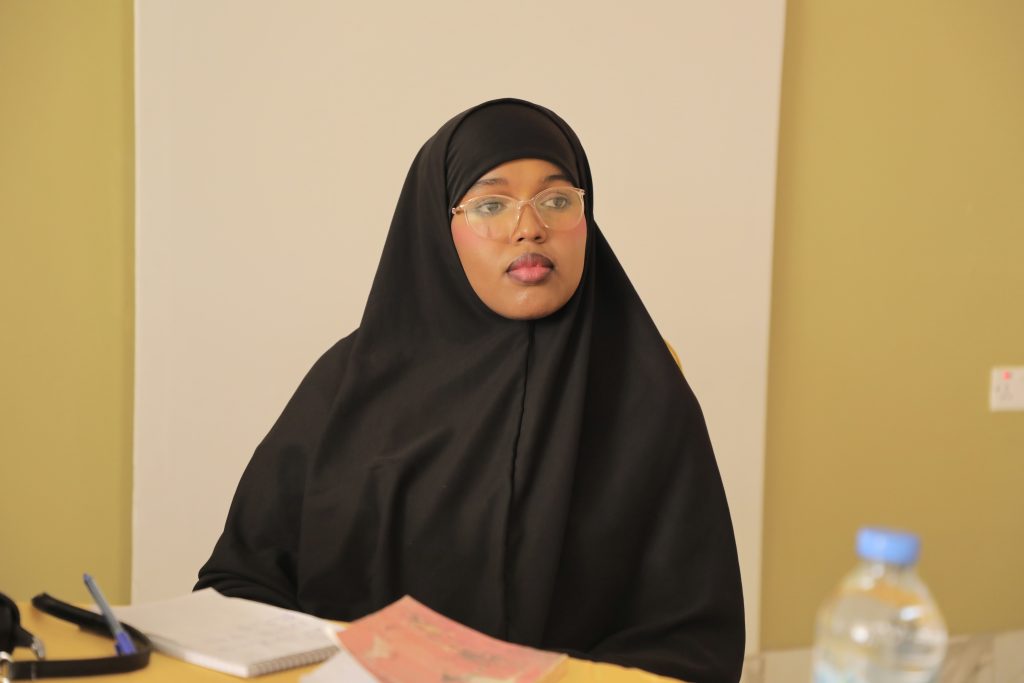
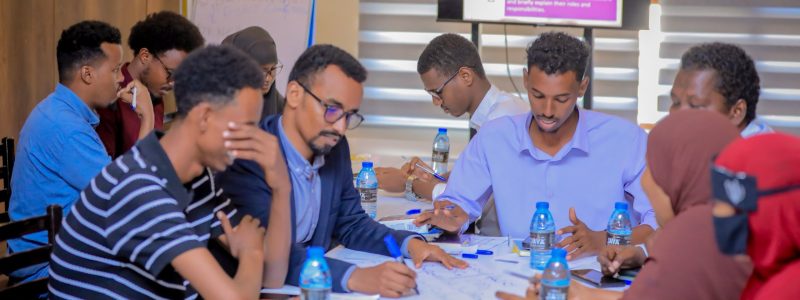
To ensure that the platform reflects the needs and realities of Somali youth, Bareedo Platform organized four consultation sessions in Garowe, Galkacyo, and Mogadishu in January 2026. More than 80 youth participants took part in the discussions, offering valuable insights on the platform’s features, design, content needs, and accessibility.
These consultations played a critical role in shaping the development of DoorashoKaab. Participants emphasized that the platform should focus primarily on civic education, voter information, and real-time reporting of electoral incidents. In addition, the platform should serve as a central hub for general updates and information related to elections across Somalia, covering both federal and state-level electoral processes.
Key Recommendations from Youth Participants
The youth consultations generated a number of important recommendations that will guide the development of the platform:
Accessible Civic Education: DoorashoKaab should prioritize civic education content, voter guidance, and reliable election updates in a simple and understandable format, particularly in the Somali language.
Low-Bandwidth Optimization: Given Somalia’s connectivity challenges, the platform must function effectively in low-bandwidth environments and remain accessible in areas with limited internet connectivity.
Inclusive Communication Formats: To reach citizens who cannot read or have limited literacy skills, the platform should include simplified election information delivered through animations or audio explanations.
Lightweight Content: Participants recommended avoiding large or heavy files such as high-resolution videos that could slow down the platform or limit accessibility.
Transparent Resources: Any documents uploaded to the platform—such as election policies, procedures, and guidelines—should clearly indicate their source or owner. The platform should also allow users to report outdated documents.
Downloadable Resources: Educational materials, electoral guidelines, and other resources should be downloadable so users can access them offline on their mobile devices.
Secure and Confidential Reporting: The platform should allow users to report election-related incidents anonymously or by name, while ensuring that personal information such as names and contact details is not publicly displayed.
Youth Advisory Mechanism: Participants recommended establishing a youth advisory committee and discussion forums to further promote citizen engagement and digital innovation in electoral participation.
Data and Accountability: DoorashoKaab should publish quarterly or annual bulletins presenting data on platform usage, civic engagement trends, challenges, and improvements. These reports could help inform policymakers and stakeholders about the progress of youth participation in elections.
Impartial and Inclusive Governance: To maintain trust, the platform must remain impartial, fair, and accessible to all federal member states. It should avoid influence or manipulation by political actors.
Civil Society Ownership: Participants strongly emphasized that the platform should be managed and maintained by Bareedo Platform in collaboration with civil society and youth groups. Transferring full control to government electoral bodies could risk ineffective maintenance, reduced transparency, or potential manipulation of information.
Moving Forward
Bareedo Platform will incorporate the insights and recommendations gathered during the consultations into the ongoing development of DoorashoKaab. The goal is to build a civic technology platform that is accessible, inclusive, secure, and responsive to the needs of Somali youth.
By leveraging digital tools to provide credible information, civic education, and citizen reporting mechanisms, DoorashoKaab has the potential to strengthen democratic participation and rebuild trust in electoral processes in Somalia.
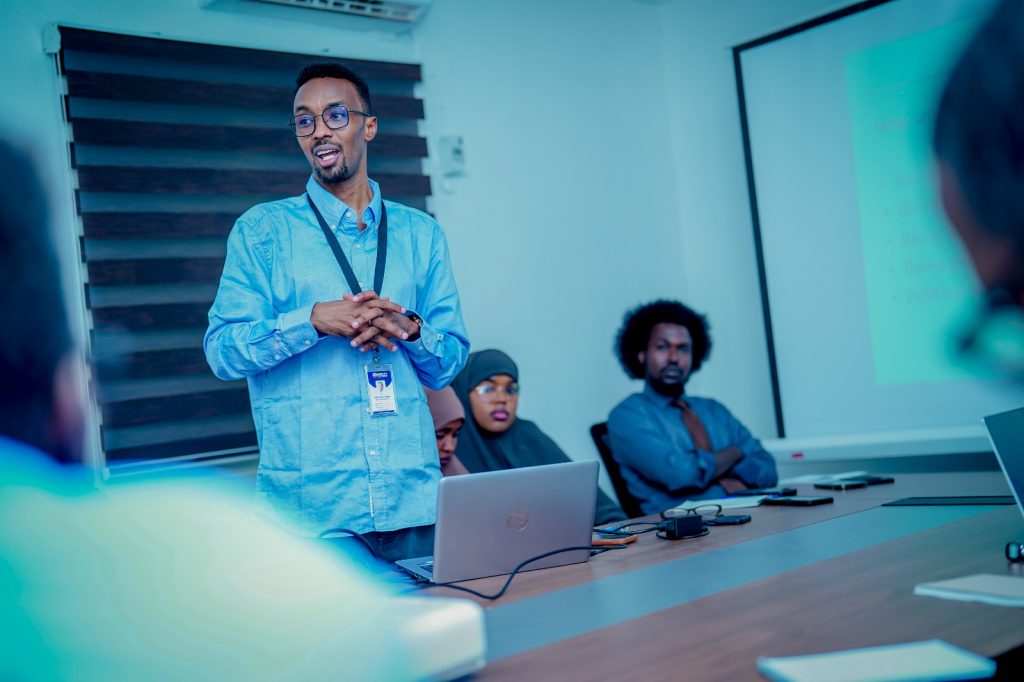
The consultation process was led by a team headed by Mr. Abdirahman Mohamed Hassan, a civic education expert with over 14 years of experience in civic education, community outreach, and electoral processes. His leadership ensured that the discussions were grounded in both practical electoral experience and the realities facing Somali youth today.
As Somalia continues its gradual path toward democratic reform, initiatives like DoorashoKaab demonstrate how civic technology can play a transformative role in bridging the gap between citizens and democratic institutions—particularly for the country’s largest and most dynamic demographic: its youth.
Bossaso, the largest commercial and port city in Puntland State of Somalia, serves as a critical hub along the Eastern Migration Route, functioning both as a transit point and destination for migrants traveling between the Horn of Africa and the Gulf. The city hosts tens of thousands of migrant workers, primarily from Ethiopia, Yemen, Syria, and several Asian countries, many of whom are in irregular situations and face heightened vulnerability to exploitation, abuse, trafficking, and labour rights violations.
In a city that serves as a critical migration hub, ensuring that migrant workers have access to accurate information, protection services, and their fundamental rights is more important than ever. Through a comprehensive media and outreach campaign in Bossaso, Bareedo Platform, supported by International Labour Organization (ILO) under the Better Regional Migration Management (BRMM) Programme, funded by the Foreign, Commonwealth & Development Office (FCDO), implemented a multi-channel approach that brought vital information directly to migrant communities, host populations, and key stakeholders.
Taking Awareness to the Streets and Neighborhoods
At the heart of the campaign were five targeted outreach missions conducted across migrant-dense neighborhoods and strategic locations, including Mareero, Suweyto, Bossaso Port areas, markets, recruitment agencies, the Migration Response Center (MRC), and police stations. These missions ensured that information reached people where they live and work.
Over 2,000 multilingual IEC materials—produced in Somali, Amharic, Arabic, and English—were distributed, making information accessible to diverse migrant groups. More than 1,950 individuals were directly reached through these efforts.
Beyond distribution, outreach teams engaged communities through on-the-spot sensitization, raising awareness about migrant workers’ rights, safe recruitment, and available protection services. These activities also strengthened visibility of the campaign and generated valuable feedback from migrants and community members.
Amplifying Voices Through Media
To expand reach beyond physical locations, the campaign leveraged both traditional and digital media. Three local FM radio stations—Dalmar Radio, Radio SBC, and Barkulan TV—broadcast five multilingual awareness messages twice daily over a 30-day period, ensuring continuous and wide-reaching dissemination.
In parallel, three high-reach online media personalities, alongside Bareedo Platform’s social media channels, drove a coordinated digital campaign using 15 awareness posters. This effort generated 450 direct online engagements and reached an estimated 20,000+ people.
The campaign also prioritized visibility and sustainability. A total of 300 posters were installed across migrant-populated areas and key service locations such as the MRC. Additionally, five billboards were strategically placed at major entry and exit points, including Bossaso port, airport, and checkpoints.
To ensure continued access to information, 500 migrant welcome kits were produced and integrated into MRC services, while IEC materials were embedded into referral systems and waiting areas. Feedback boxes installed at the MRC further created channels for ongoing engagement and service improvement.
Substantial Campaign Impact
These multichannel campaigns increased awareness among migrant workers, host communities and service providers on International Labour Standards, migrant rights, and protection mechanisms; promoted peaceful coexistence and social cohesion; and strengthened institutional coordination and accountability in migration governance.
The outreach activities, and the widespread dissemination of multilingual IEC materials, addressed low levels of awareness among migrant workers, host communities, and key stakeholders, leading to improved understanding of migrants’ rights, International Labour Standards, and available protection mechanisms.
These campaigns also mitigated widespread misinformation, discrimination, and negative perceptions toward migrant workers through media engagement, community dialogue, and public awareness campaigns, promoting more accurate, balanced, and rights-based narratives.
This integrated approach combining direct outreach, media engagement, and public visibility, demonstrates how multi-channel communication can effectively bridge information gaps, reduce vulnerability, and strengthen protection systems for migrant workers.
By meeting people where they are—on the streets, on the airwaves, and online—the campaign not only raised awareness but also built trust, improved access to services, and laid the foundation for more inclusive and responsive migration governance in Bossaso.