
Bossaso, the busies port city of Puntland in Somalia stands at a critical crossroads of opportunity and vulnerability. As one of Somalia’s most important migration hubs along the Eastern Migration Route, it hosts tens of thousands of migrant workers—many fleeing conflict, poverty, or instability from Ethiopia, Yemen, Syria, and several Asian countries. Despite their vital contribution to Bossaso’s economy, migrant workers face significant risks: irregular status, labour exploitation, gender-based violence, wage theft, trafficking, and arbitrary arrest.
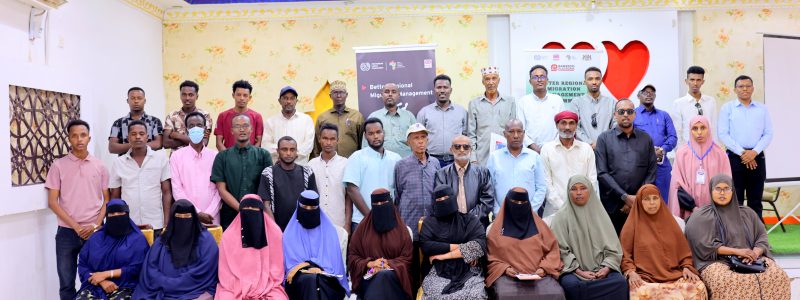
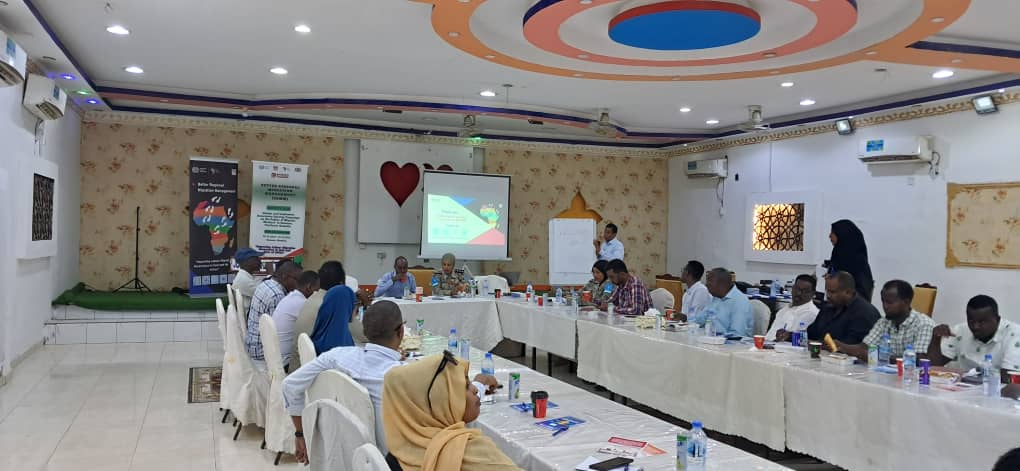
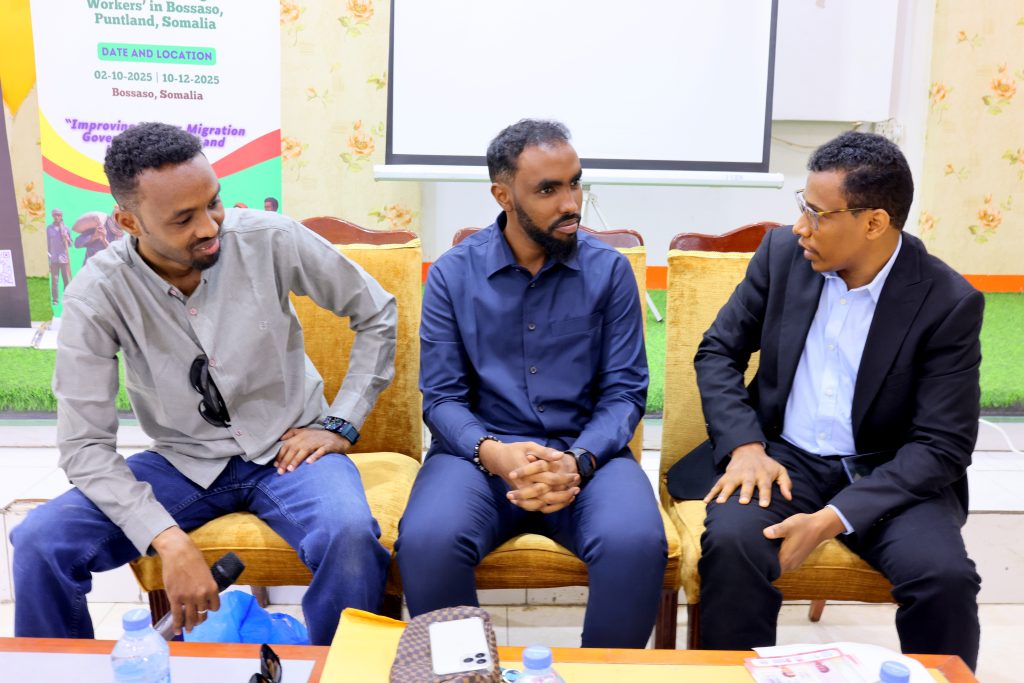
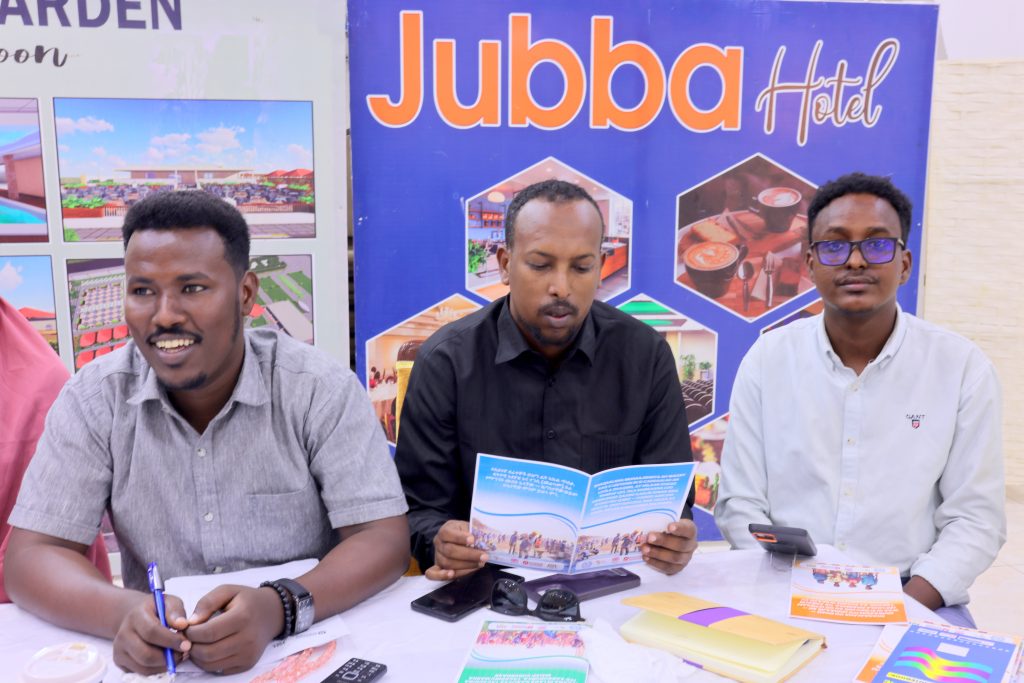
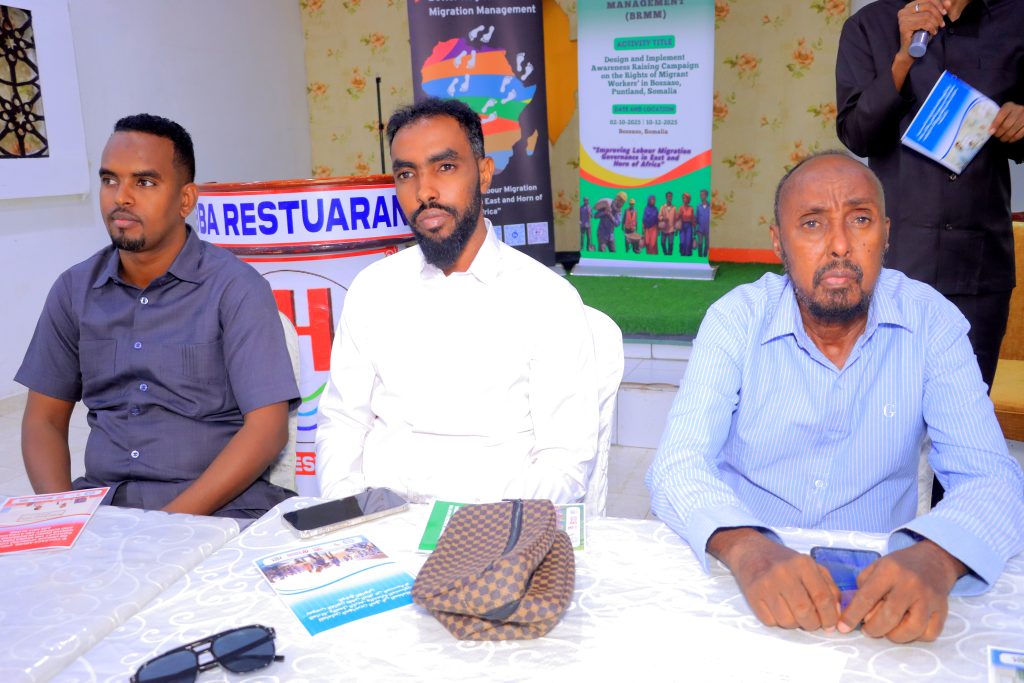
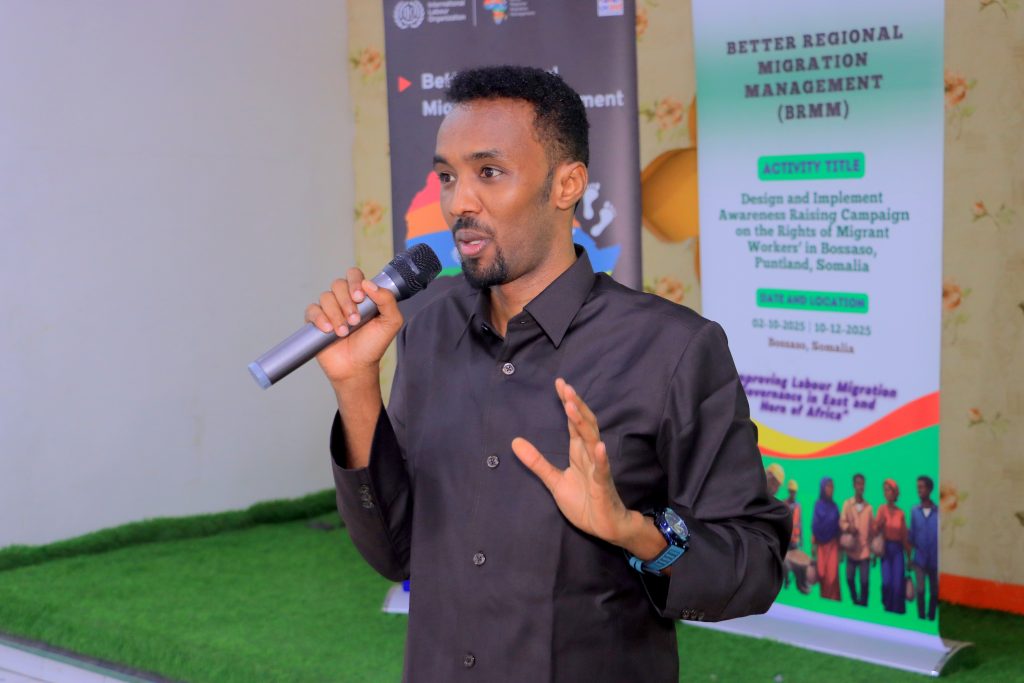
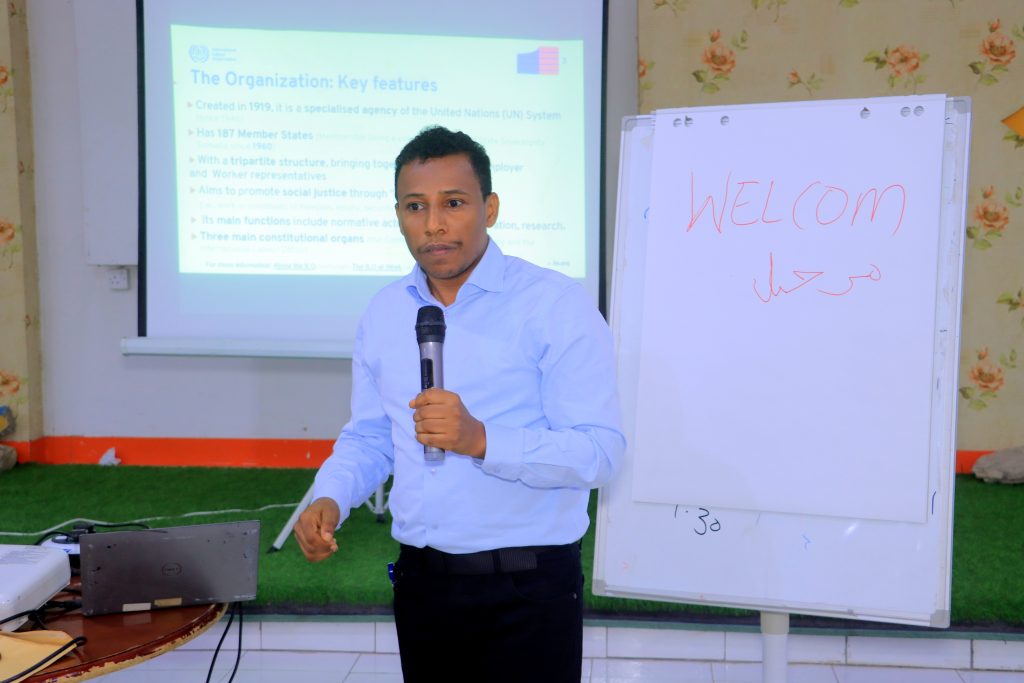
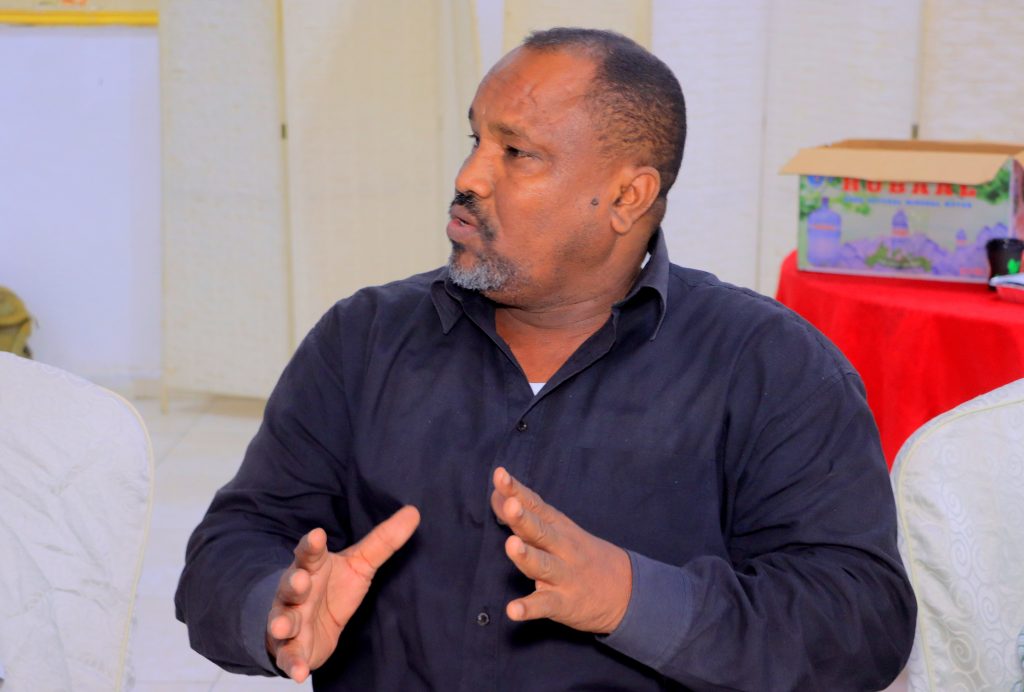
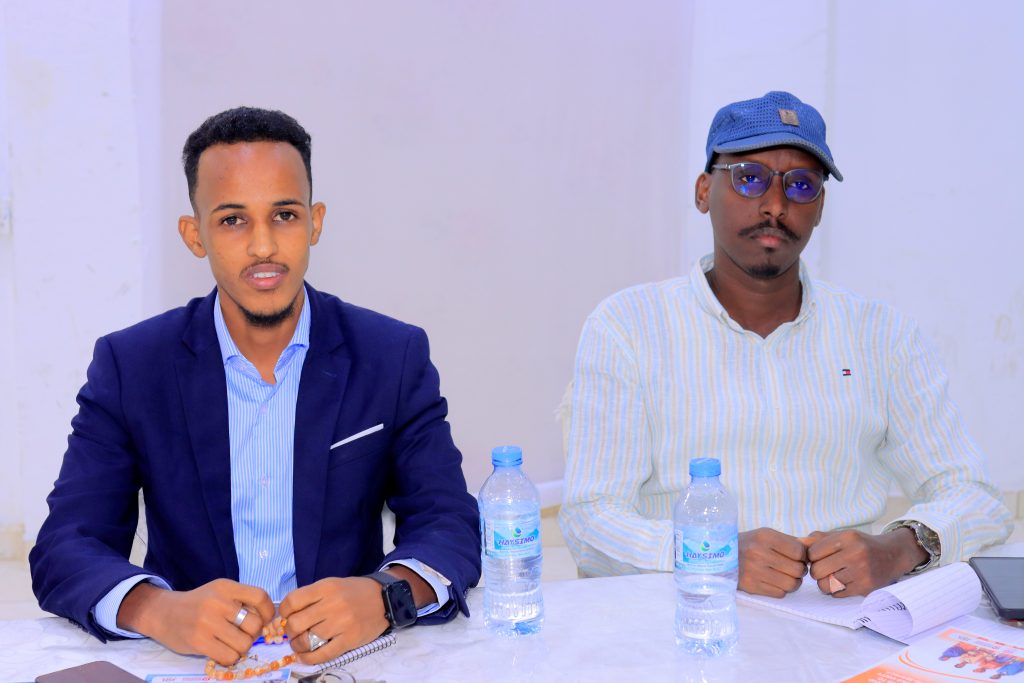
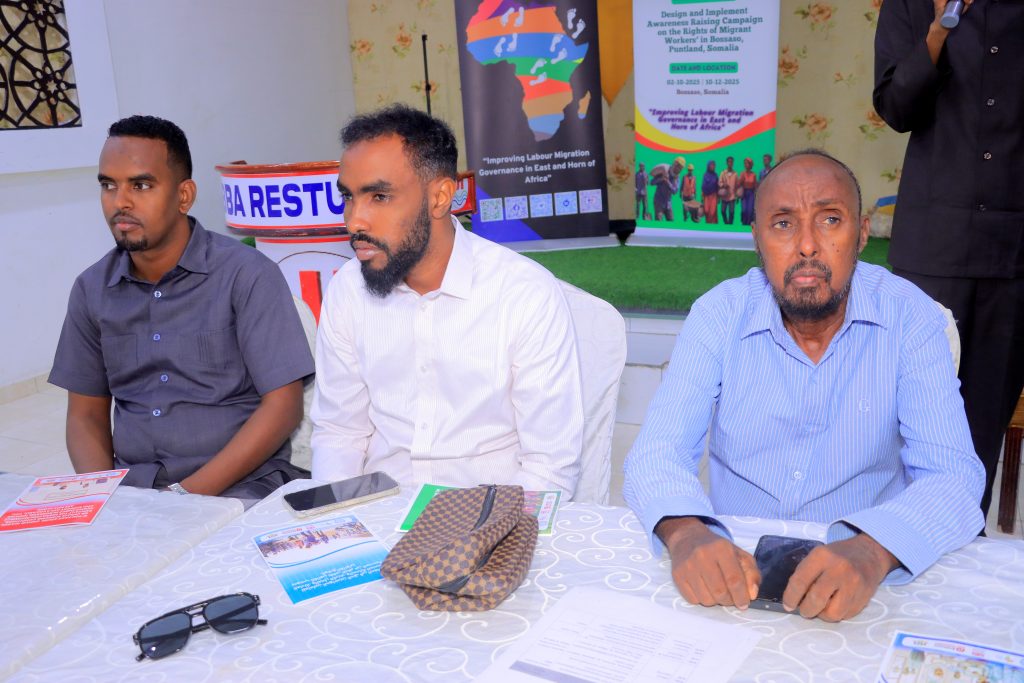
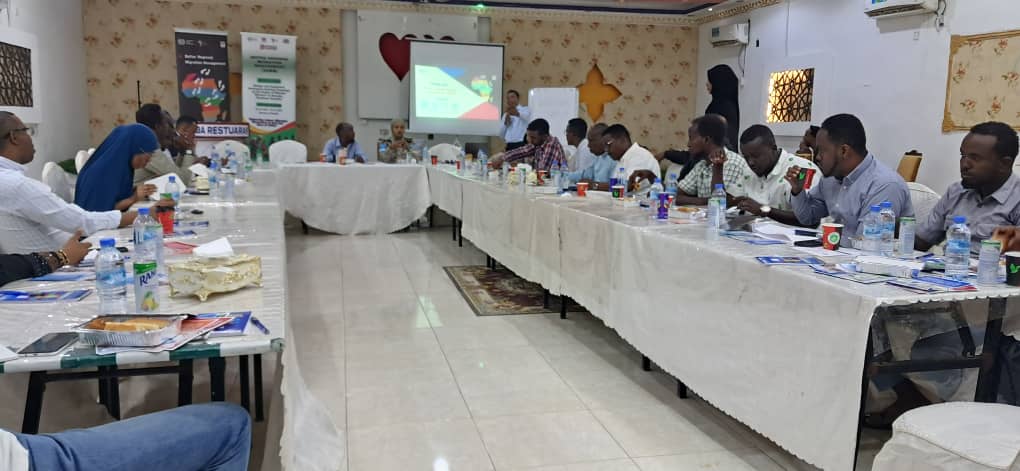
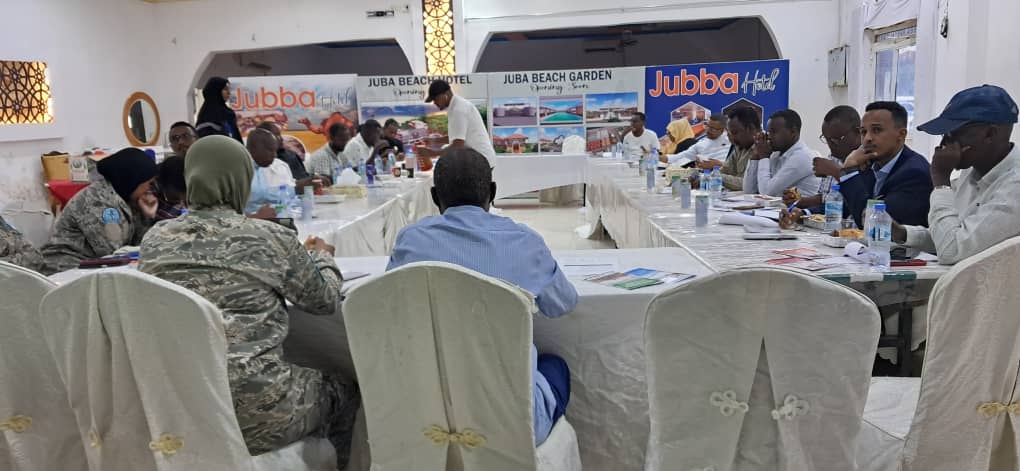
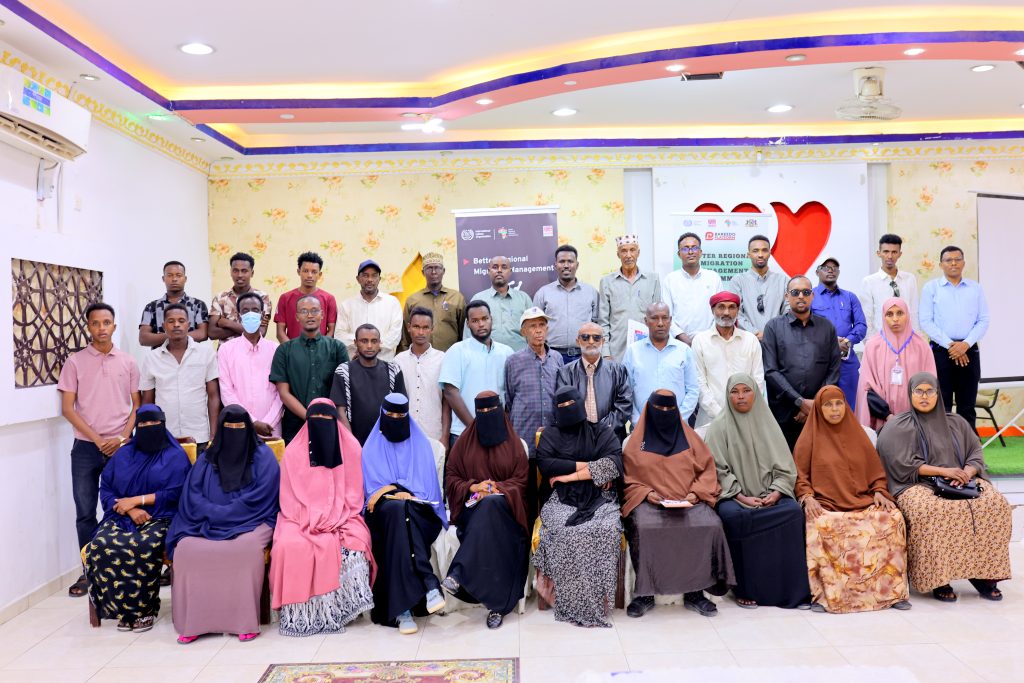
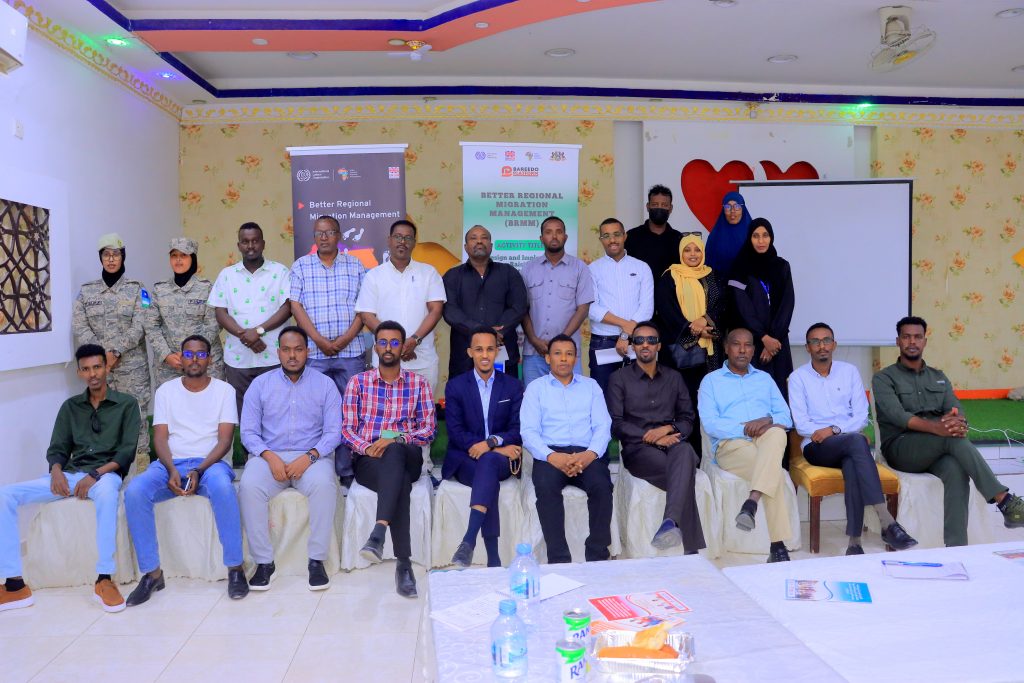
In November 2025, Bareedo Platform Somalia, with support from the ILO under the BRMM Programme, launched an intensive series of community awareness workshops aimed at creating a safer, fairer environment for migrant workers in Bossaso. The initiative brought together migrant workers, host communities, employers, officials, CSOs, media actors, and religious leaders in an unprecedented effort to advance migrant rights, strengthen protection systems, and promote peaceful coexistence.
Why These Workshops Matter
Bossaso’s strategic location has made it both a destination and transit hub for migration across the Red Sea and Gulf of Aden. Migrant workers fuel key sectors including construction, health, telecommunications, hospitality, and domestic work. Yet the majority, specially Ethiopian, Yemeni, and Syrian migrants—remain undocumented, leaving them vulnerable to abuse, unsafe conditions, and exclusion from protection mechanisms.
Recent security operations against ISIS/Daesh in the Cal-Miskaad mountains in Bari region of Puntland, have also intensified risks, resulting in mass arrests, deportations, housing bans, and restrictions on movement. These crackdowns, though aimed at extremists, have had unintended consequences that worsened the humanitarian situation for thousands of migrants.
The workshops, held by Bareedo Platform in Bossaso, were designed to counter these challenges with information, dialogue, and shared solutions.
A Multi-Stakeholder Approach Rooted in Inclusion and Participation
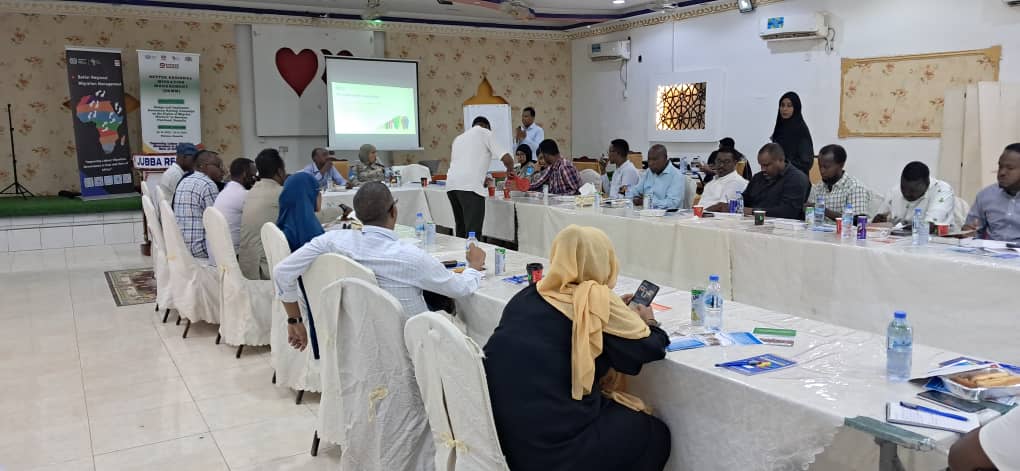
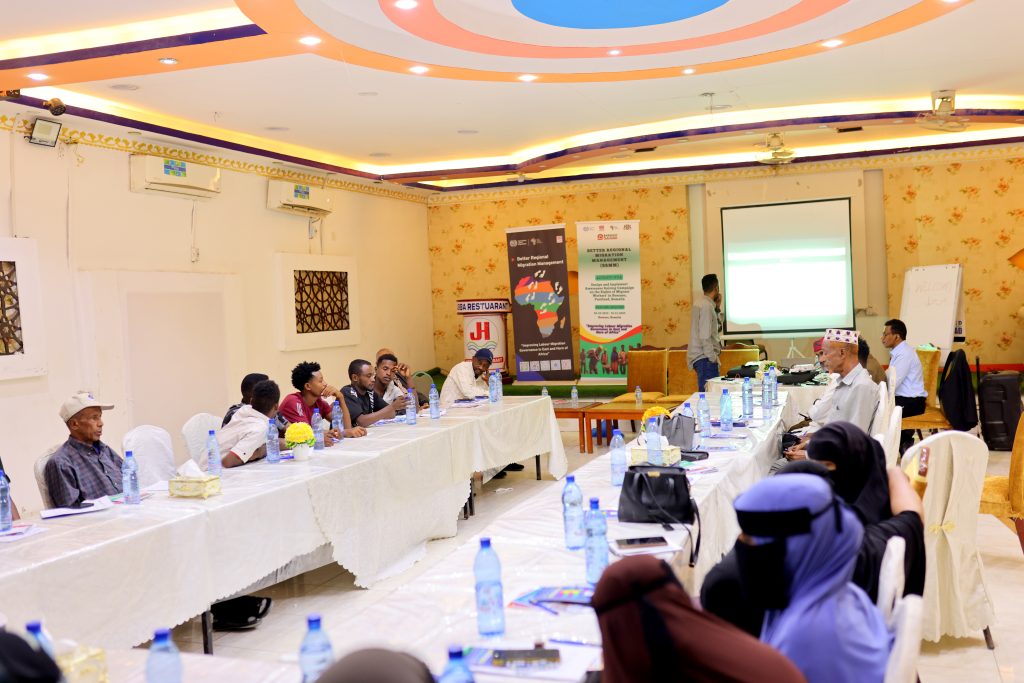
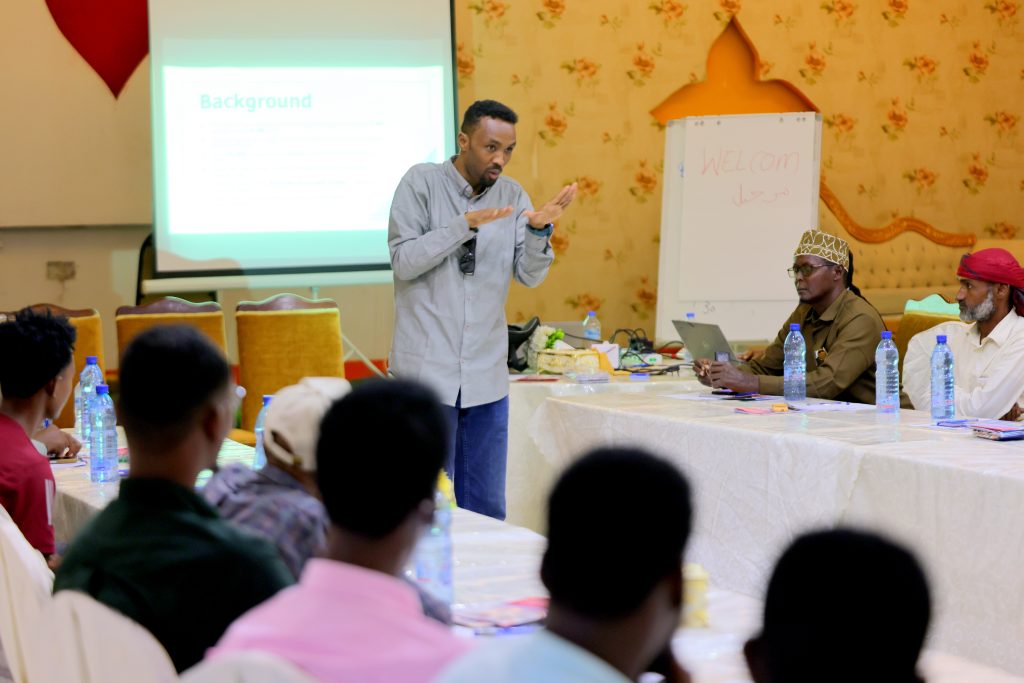
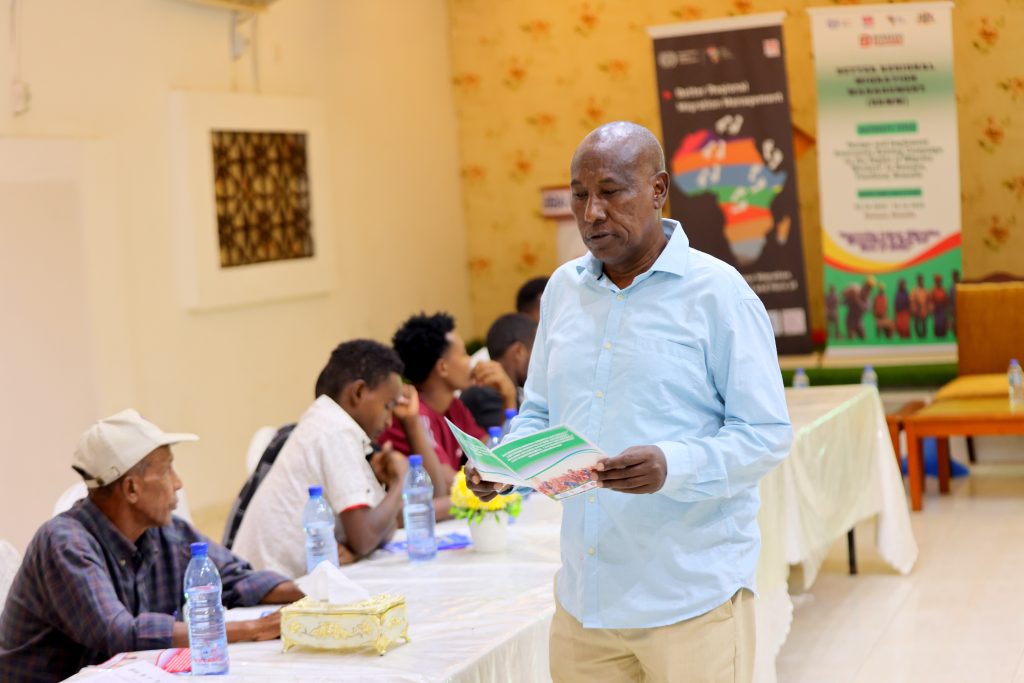
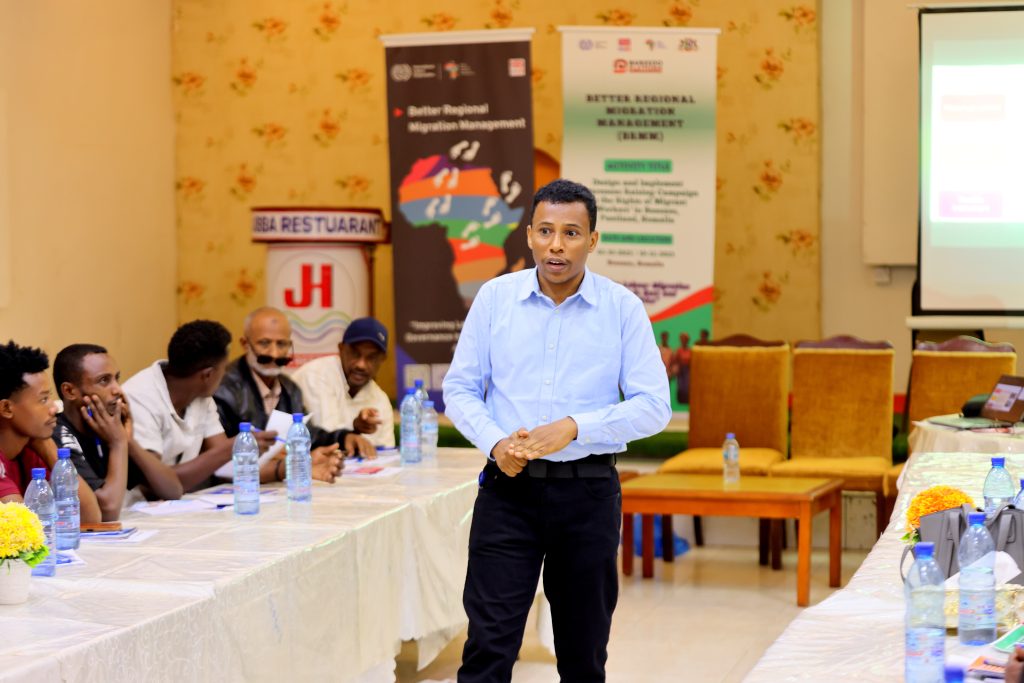
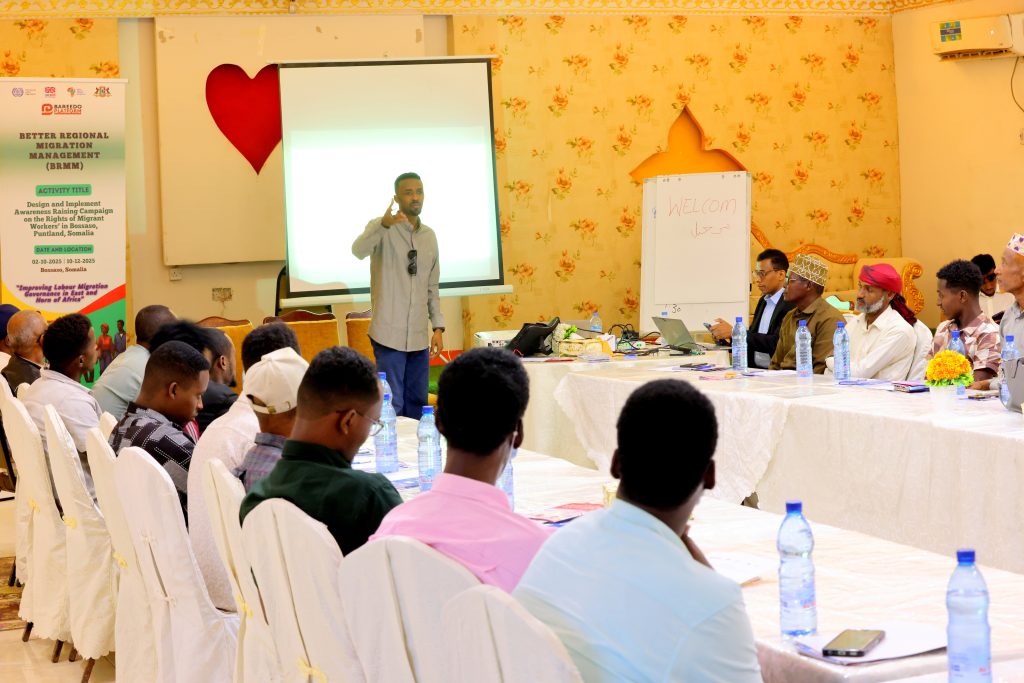
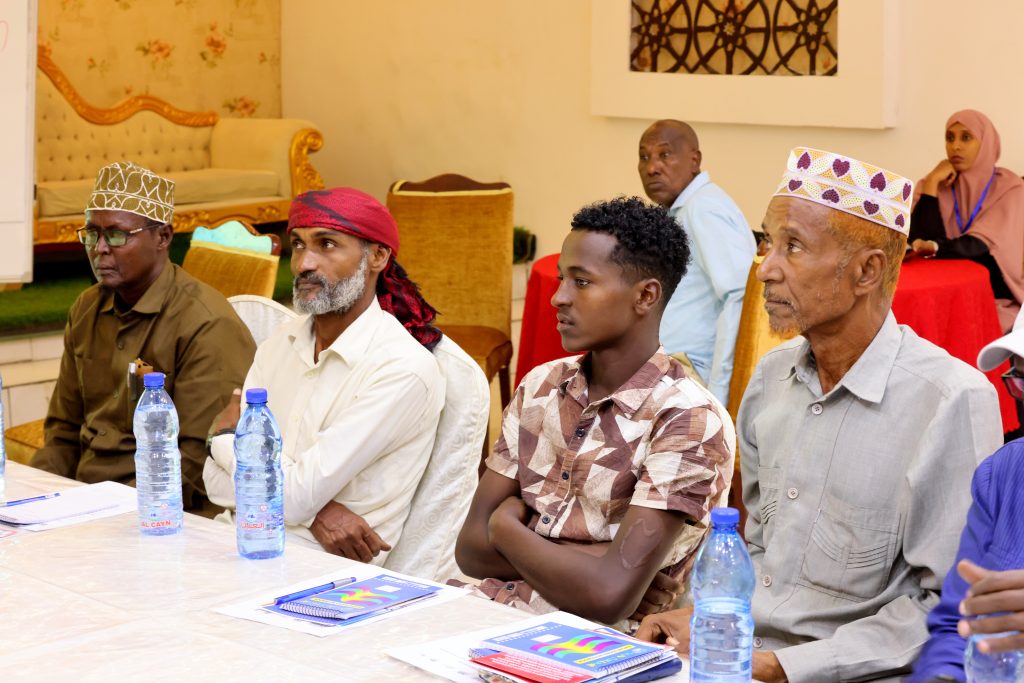
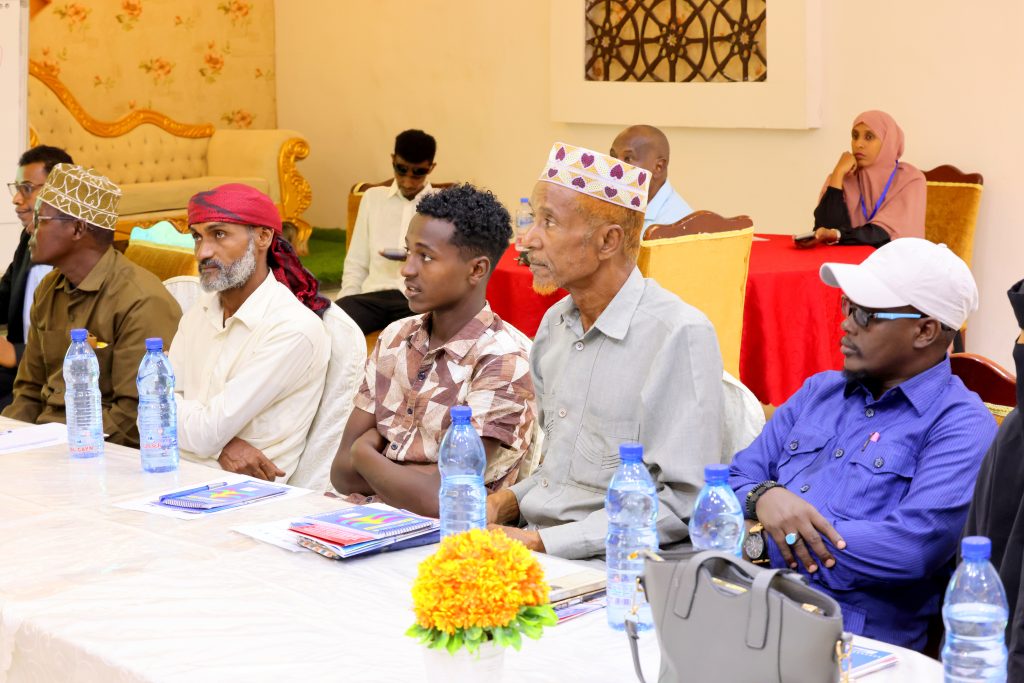
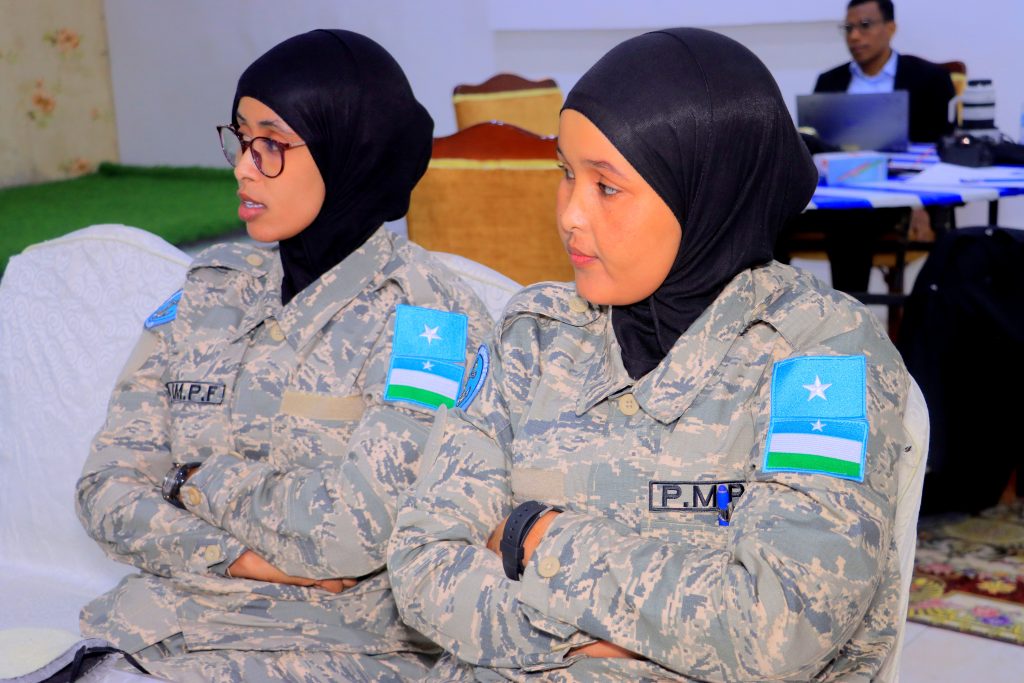
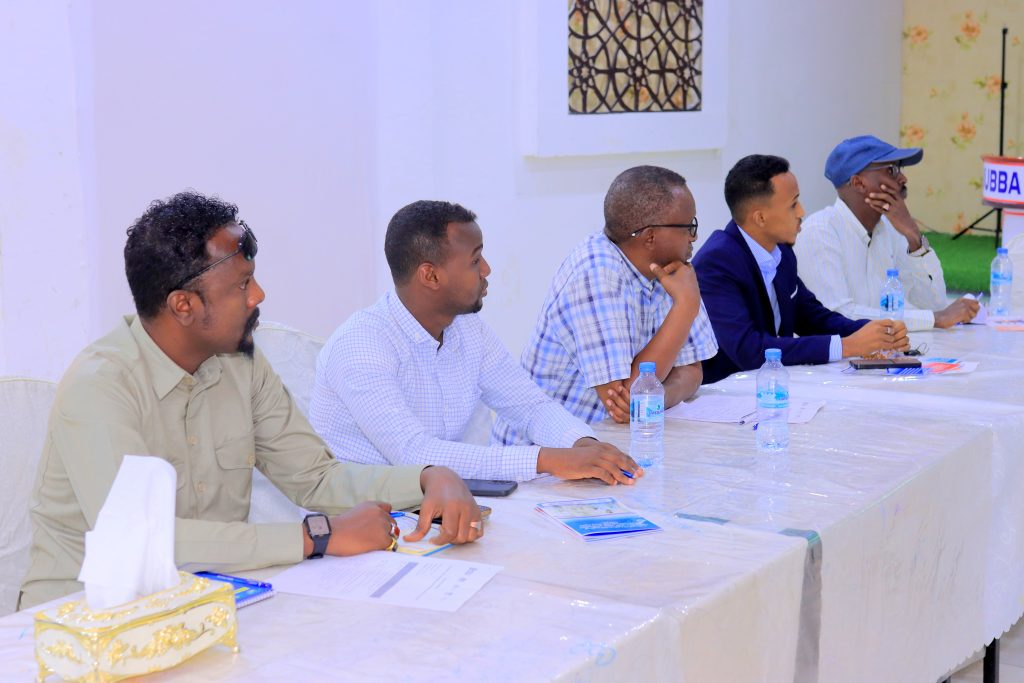
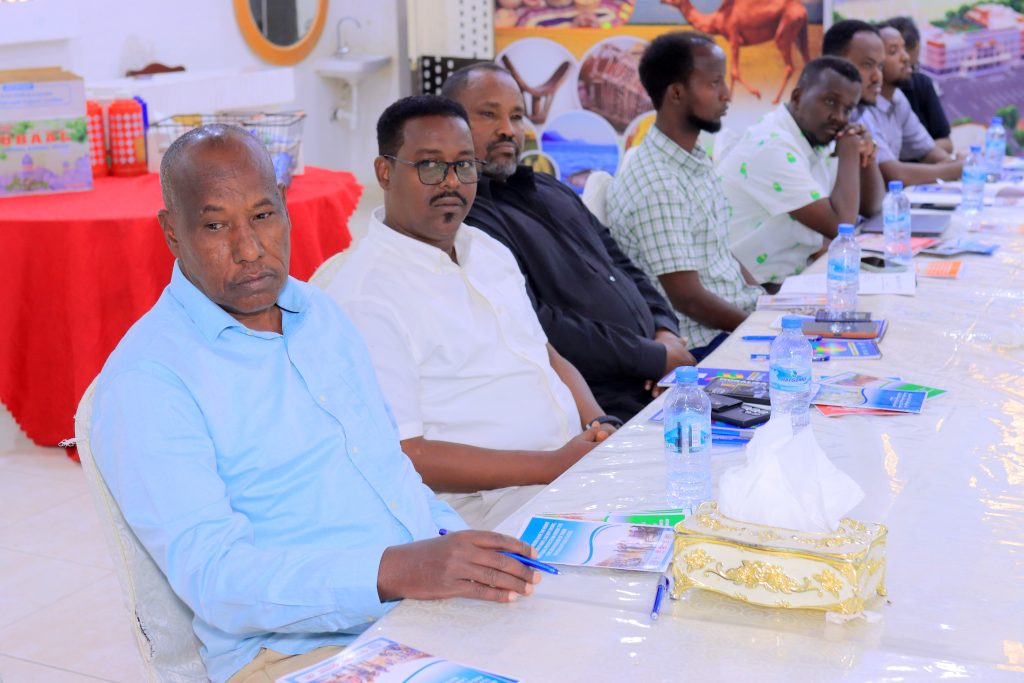
Over a series of five community awareness sessions between 11–17 November 2025, Bareedo Platform convened 300 participants across diverse sectors: Migrant workers (regular and irregular), host community members from migrant-dense areas, employers and business owners, government authorities (labour, immigration, police, municipalities), CSOs, UN/INGOs, and human rights actors, media practitioners and influencers, and imams and traditional elders.
Workshops used a multilingual, community-centered approach with Somali, Amharic, Arabic, and English materials to ensure full accessibility.
Techniques included guided group discussions, real-life case analysis, rights education, and collaborative solution-building.
What Participants Learned: Key Insights and Realities
The discussions painted a detailed picture of the migrant experience in Bossaso:
- Irregular Status and Lack of Documentation: Most migrants lack passports, work permits, or legal residency—often because fees are unaffordable or because they were recruited through informal channels. This exposes them to exploitation and arrest.
- Labour Exploitation and Gender-Based Violence: Workers reported withheld wages, excessive working hours, threats, unsafe workplaces, and sexual abuse—especially among women in domestic and service sectors.
- Illegal Passport Confiscation: Employers frequently seize passports to restrict mobility—over 300 cases were recorded in 2024 alone according to the Police.
- Housing Bans and Homelessness: Recent government restrictions prohibiting landlords from renting to undocumented migrants as result of the ongoing operation against ISIS/Daesh, have sharply increased housing insecurity in Bossaso. As a result, many migrant workers—especially women and unaccompanied youth—are being pushed into homelessness or forced into overcrowded, unsafe informal shelters, further heightening their exposure to protection risks.
- Arbitrary Arrests and Deportations: Security operations against ISIS/Daesh in the Cal-Miskaad mountains in Bari region, led to mass deportations (600+ people), detention of over 150 migrants, and widespread fear among foreign communities.
Breakthrough Outcomes Across All Groups
Despite the scale and complexity of challenges identified, the workshops led to significant progress, demonstrating genuine commitment and meaningful shifts in attitudes across all participant groups:
- Migrant workers gained a stronger understanding of their rights under Somali and international labour standards, increased confidence to report abuses, and improved awareness of available protection and referral services—particularly those offered through the Migration Response Center (MRC) in Bossaso.
- Host communities developed deeper empathy for the lived realities of migrant workers and expressed renewed commitment to peaceful coexistence, non-discrimination, and community-level support mechanisms.
- Employers and government officials acknowledged widespread gaps in labour compliance and pledged to adopt written employment contracts, uphold fair labour standards, end passport confiscation, and strengthen coordination to protect migrant workers’ rights.
- Civil Society Organizations (CSOs) enhanced their technical capacity to identify, document, and refer cases of exploitation, trafficking, and abuse, while committing to closer collaboration with the MRC, government institutions, and media partners.
- Religious leaders (Imams and Elders) agreed to integrate migrant protection and dignity into Friday sermons, promote tolerance within communities, and offer mediation in cases of exploitation or conflict.
- Media actors committed to responsible, ethical, and non-stigmatizing reporting on migration issues, using balanced storytelling and factual coverage to counter misinformation and reduce harmful narratives.
Recommendations Shaping the Way Forward
Participants put forward a set of practical, rights-centered recommendations aimed at strengthening migrant protection systems and transforming the migration landscape in Puntland:
- Recognize Bossaso’s exceptionally high concentration of migrant workers and the compounded risks created by ongoing security operations, and allocate sustained attention and resources accordingly.
- Implement long-term, multi-channel awareness campaigns, and institutionalize continuous awareness-raising through radio, social media, community dialogues, mosques, schools, and workplaces to ensure consistent messaging and widespread understanding of migrant rights.
- Introduce Temporary Work Permits for Irregular Migrants, and establish flexible, low-cost or fee-waived pathways for documentation to reduce irregularity, prevent exploitation, and enhance migrants’ access to legal protection.
- Strengthen institutional capacity of the Ministry of Labour and the MRC, and enhance staffing, inspection capacity, complaint mechanisms, hotlines, and legal aid services to ensure both institutions can effectively respond to labour violations and migrant protection needs.
- Mandate standardized employment contracts, and require employers to use Ministry-approved contract templates—translated into Somali and migrant languages—with clear terms on wages, working hours, leave, OSH standards, and explicit prohibition of passport confiscation.
- Pursue bilateral labour agreements with Ethiopia, and formalize safe, orderly, and regular labour migration channels to reduce irregular routes, trafficking risks, and labour exploitation, particularly for Ethiopian migrant workers.
- Strengthen accountability for employers who violate labour laws, and enforce penalties against employers involved in wage theft, passport confiscation, unsafe working conditions, and informal recruitment practices, ensuring deterrence and improved compliance.
- Protect migrants during detention and deportation processes, and ensure fair legal review, humanitarian access, payment of outstanding wages, and due process safeguards for all detained or deported migrants.
- Expand Community-Based protection networks, and engage CSOs, youth groups, women leaders, religious leaders, and local media to strengthen early warning systems, promote non-discrimination, and support peaceful coexistence at the grassroots level.
A Call for Shared Responsibility and Long-Term Action
The workshops underscore that protecting migrant workers is not solely a policy issue—it is a shared moral, economic, and societal responsibility. Migrant labour keeps Bossaso’s economy running, yet the systems meant to safeguard them lag far behind. Bareedo Platform’s intervention generated hope, conversation, and commitment, but participants unanimously stressed that ongoing, long-term programming is needed.
Bossaso’s migrant workers deserve safety, dignity, and rights—not fear and exclusion. Through continued collaboration among government institutions, civil society, employers, communities, and international partners, Somalia can build a model for humane, fair, and sustainable migration governance.
#BRMM #SafeMigration #MigrantRightsSomalia #MigrantWorkers #FairRecruitment #DecentWork #Bossaso #Puntland #Somalia


